The travel distribution landscape is undergoing a structural shift as financial institutions, lifestyle platforms, and social media networks evolve into travel businesses.
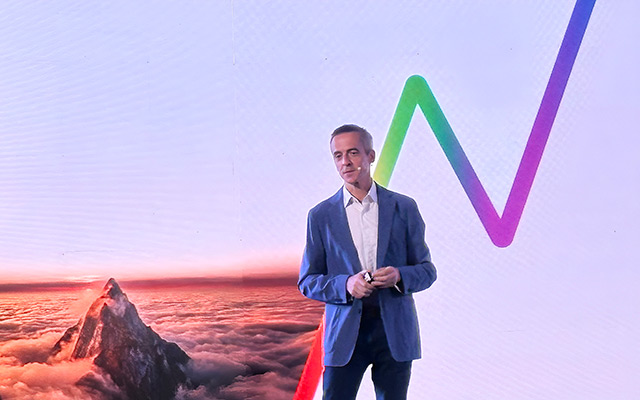
Speaking at last week’s Vantage ’26 event, Damien Pfirsch, chief commercial officer of Agoda, urged industry stakeholders to recognise that possessing a proprietary travel product is no longer a prerequisite for entering the sector.
“You don’t need to be a travel player to have a travel business. All you need is an audience and a reason to get those people to convert,” Pfirsch said.
He highlighted the entry of banks into the sector, noting that premium credit cards now compete primarily on travel offerings rather than traditional loyalty perks. Banks are using travel rewards to drive card spend and long-term customer loyalty.
Pfirsch noted: “Twenty-five per cent of US travel and leisure is made on a Chase credit card. If they can find ways to increase those percentages, they will start rivalling the biggest OTAs.”
The inspiration phase of the booking funnel is also being shaped by new entrants. Social media platforms are moving from discovery channels towards potential transaction hubs.
While superapps and e-commerce platforms are finding ways to improve user economics by attaching travel to financing options, social media holds strong influence over consumer intent.
For example, 74 per cent of Chinese outbound tourists cite Douyin as their primary source of travel inspiration.
“What we don’t see yet, outside of China, is the transaction happening on the platform. But you need to find a way to be part of that chain,” Pfirsch explained.
To capture demand across these distribution channels, traditional travel companies must adapt their product architectures and develop local integrations. In South Korea, this requires integration with dominant messaging and e-wallet platforms, while in Japan, operators must adapt to localised search patterns such as prefecture-based discovery and specific onsen preferences.
Pfirsch stressed that standalone operational models are becoming obsolete in this fragmented environment.
“The environment is so dynamic; there are so many actors entering and exiting that you cannot do it alone anymore. The only way to be successful is to create partnerships and to grow together,” he said.