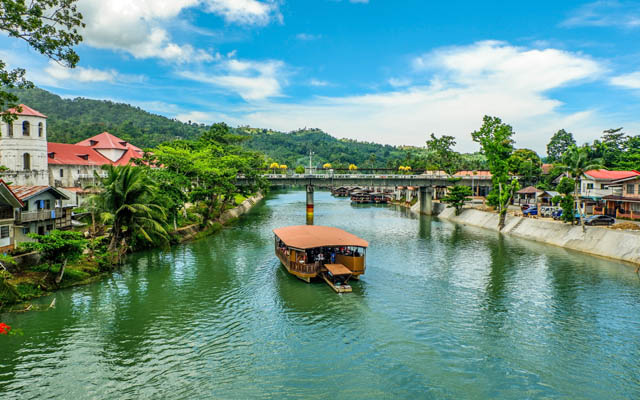
Bohol’s tourist arrivals fell nearly 22 per cent in the first half of the year, reflecting the Philippines’ exposure to external events such as the Middle East conflict and changing visitor patterns.
Joanne Pinat, head of the Bohol Provincial Tourism Office, said total arrivals fell to 637,288 in the first half of the year, from 816,000 over the same period in 2025.
Foreign tourists accounted for 45.1 per cent of the total, while domestic visitors made up 54.9 per cent, including several hundred returning overseas Filipino workers.
C9 Hotelworks managing director Bill Barnett said the decline reflected broader issues affecting the country, stressing that “the underlying issue is not Bohol – it’s the Philippines”, adding that Cebu is experiencing the same issue.
The Middle East conflict and rising oil prices have put pressure on travel costs and connectivity to the Philippines. Barnett explained that “fuel costs have hit airlift into neighbouring Cebu (a larger gateway for Bohol), ferry increases and also direct flights to Bohol”.
Another factor is the economic situation in South Korea, previously the Philippines’ largest source market, which has affected outbound travel.
Many airlines serving the Philippines are low-cost carriers, which tend to reduce capacity more quickly than legacy carriers. “The Korean LCCs have sharply cut routes as have the Philippine LCCs,” said Barnett.
Bohol is also looking to diversify its visitor markets. Bohol Alliance of Travel and Tour Operators president Lourdes Sultan said that “Bohol has been working closely with partners to reach a wider and more diverse markets, not just South Korea and China”.
Sultan also pointed to growth from longhaul markets, noting that “we had a significant increase from the longhaul Europe and the US” during the November-February high season.
Price is another factor influencing travel choices.
Barnett noted the higher prices of four- and five-star hotels in the Philippines compared with markets such as Vietnam had redirected some demand to destinations including Phu Quoc and Danang, where travellers have access to newer hotel supply and more price options.