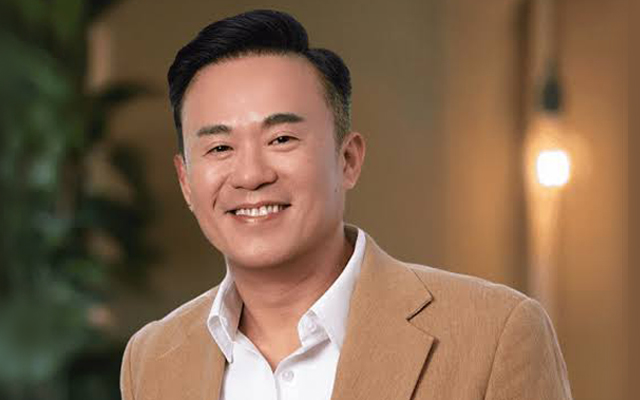
Asia-Pacific’s cultural calendar provides many opportunities for economic growth, so why are industry players not utilising its full potential, ponders Stan Lee, business director of Verve The Live Agency
Asia-Pacific is well known for its incredibly rich cultural calendar, but there is still significant potential to turn lesser-known local moments into international tourism drivers. The region does not need more events; it needs to better leverage its existing cultural assets.
Major festivals, sporting events and cultural moments have shown how live experiences can influence travel decisions, extend stays, and create wider opportunities across hospitality, F&B, retail and entertainment.
Singapore’s Formula 1 Grand Prix is one of the clearest examples in the region. Since its inception in 2008, the race has brought in more than 720,000 international visitors and generated more than S$2.2 billion (US$1.7 billion) in incremental tourism receipts across hospitality, F&B, attractions and retail.
In a similar vein, major cultural moments such as Chinese New Year, Sydney’s Mardi Gras, Japan’s cherry blossom season and Thailand’s Songkran are already internationally recognised and strong drivers of tourism. The Tourism Authority of Thailand expects Songkran festivities in 2026 to drive more than 30 billion baht (US$901 million) in tourism revenue.
With a full calendar of events across the region, Asia-Pacific does not need to wait for a once-every-four-years international sporting event to capture this value. The real opportunity for untapped growth lies in under-leveraged cultural moments, such as Hong Kong’s Art March, Bali’s Nyepi, regional music festivals, and emerging lifestyle events.
These moments have the potential to become stronger international draws if destinations learn from their better-known counterparts and invest strategically in tourism expansion, storytelling and visitor experience. Hong Kong’s Art March, for example, brought together more than 100 arts and cultural events in March 2026, showing how a city can cluster culture, hospitality, retail, and visitor experience around a defined period.
For brands, this is not just a sponsorship opportunity. It is a chance to help make these moments more visible and valuable. That could mean supporting infrastructure, creating better visitor journeys, improving content capture, building hospitality experiences or helping international audiences understand and participate in local culture more meaningfully.
The role of brands should not be to dominate the moment. The best activations improve the experience while respecting the cultural context they are entering.