Australia’s cruise industry is warning that the country needs to move faster to provide regulatory certainty or risk losing competitiveness for future cruise deployments, with industry leaders saying lengthy government decision-making is costing Australia billions in lost economic activity.
The warning comes despite demand for cruising reaching historic highs. A record 1.45 million Australians took an ocean cruise in 2025, up 9.5 per cent on the previous year and surpassing the pre-pandemic record of 1.35 million set in 2018.
It meant Australia remained the world’s fourth-largest cruise source market in 2025 and one of the highest cruise participation markets on a per-capita basis.
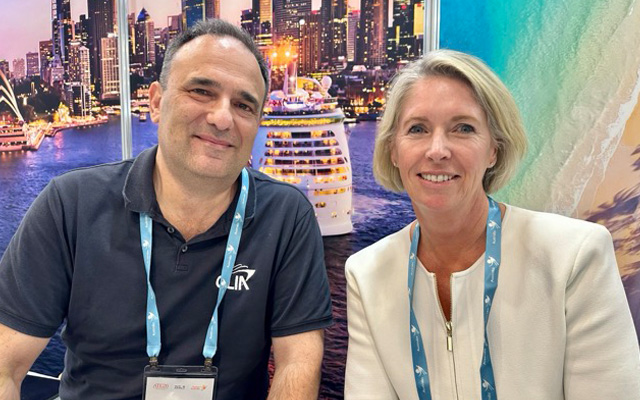
Speaking to TTG Asia, Cruise Lines International Association (CLIA) Australasia managing director Joel Katz said Australia had already recorded an A$1.1 billion (US$764 million) decline in cruise-related economic impact between 2023/24 and 2024/25, highlighting the importance of remaining competitive amid growing competition from other destinations.
“We need to send a very clear message to the world that Australia is open for business,” Katz said.
“Cruise lines are now making decisions about deployments for 2029, 2030 and even 2031. If we don’t provide that certainty, other countries are doing it and perhaps doing it a little better than we are.”
Australia’s cruise sector contributes A$7.32 billion annually to the national economy and supports more than 22,000 jobs, while generating economic activity across ports, destinations and regional communities visited by cruise ships.
Australian Cruise Association chief executive Jill Abel said the industry’s planning cycle required governments to provide greater certainty well in advance.
“The cruise lines are doing their deployment two to three years ahead and we need to make sure we’ve got the confidence to say those itineraries can be delivered and operated in three years’ time,” she said.
While governments recognised the value of cruise tourism, Abel said legislative processes often took longer than the industry’s commercial planning timelines.
Australia’s challenge comes as the global cruise industry enters another growth phase, with more than 80 new ships worth over US$100 billion due to enter service over the next decade.
“Cruising is booming,” Katz said. “People increasingly see cruising as a safe, secure and good-value holiday. The repeat rate is significant, one of the highest in tourism, and it just goes from strength to strength.”
Abel said Australia remained an attractive destination but faced intense international competition.
“We’re an expensive destination and it’s a very competitive global market,” she said. “Cruise lines are looking to put their assets in the places where they can get the best return.”
Katz said the industry’s call for greater certainty was not aimed at any single policy or government agency. Instead, cruise operators were seeking a coordinated approach across federal, state and territory governments that would provide timely decisions and the long-term confidence needed for cruise lines planning deployments years in advance.
“By providing clear operating guidelines, making timely decisions and demonstrating Australia values cruise tourism, we can compete effectively for future deployments,” he noted.