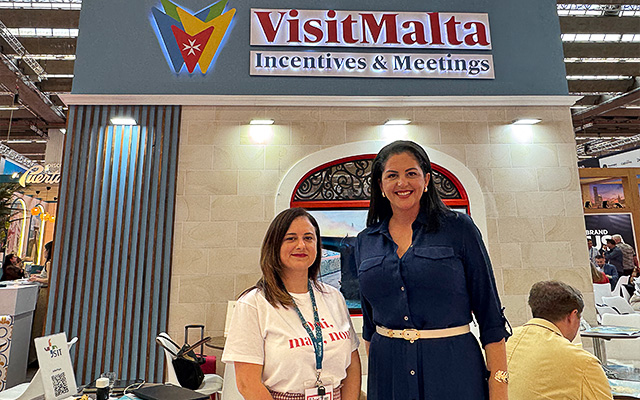
VisitMalta is taking a cautious approach to the Asia-Pacific market, focusing on luxury leisure travel amid global geopolitical uncertainty.
As conflict in the Middle East disrupts traditional transit routes and slows incentive traffic from Asia-Pacific, the tourism board has concentrated its resources on high-spending individual travellers.
“We’re being a bit more cautious on our efforts, because everything is an investment,” said Alaine Ciantar, director of VisitMalta Incentives & Meetings. She added that the current marketing strategy in Asia-Pacific is “to keep our presence in the market not to be forgotten”.
While larger corporate groups remain a long-term goal, Ciantar said she is seeing strong demand from luxury leisure travellers in China, Japan, Malaysia and Thailand. She believes leisure travel will help generate future business events demand as more travellers experience the destination.
At the same time, Malta is benefiting from an influx of travellers from the US, Canada and Latin America who are shifting travel plans away from the Middle East and towards Europe. The destination has also seen growth from longhaul markets such as Australia, which entered Malta’s top 10 source markets in 2024, supported by several high-end incentive groups. Brazil has recorded a similar increase.
Ciantar told TTG Asia the growth took the tourism board by surprise and prompted a greater focus on meeting what she described as “organic demand”.
Malta will also host the 26th World Travel & Tourism Council Global Summit in Valletta from October 7 to 9, 2026, which has become a key focus for the tourism board.
“We are concentrating our efforts on making sure this is a massive success for our island,” Ciantar said.
Organised in partnership with the Maltese Government and the Malta Tourism Authority, the invitation-only event will bring together travel industry CEOs, government ministers and international media at the Mediterranean Conference Centre.
The three-day summit will address issues including sustainability, resilience, digital transformation and long-term investment priorities.