

India’s delay of international flight resumption amid Omicron casts uncertainty over inbound recovery
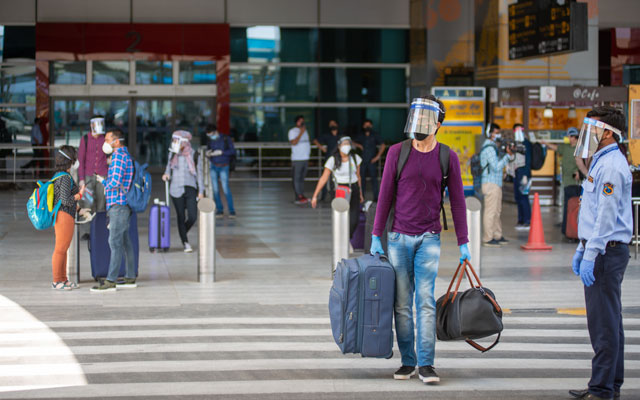
The Indian government announced on Wednesday (December 1) its decision to postpone the resumption of scheduled international flights due to the emergence of the new Omicron variant, causing a setback for the expectant tourism industry hoping for a recovery.
A circular issued by the Directorate General of Civil Aviation said that the central government is currently monitoring the global coronavirus situation in the wake of the emergence of the Omicron variant.
“International scheduled flights are key for the recovery of inbound tourism. The industry has long been demanding scheduled flights to resume to create a positive impact in international markets,” said Naveen Manchanda, president, Indian Association of Travel and Tourism Experts.
“Also, it will help to make prices of tickets competitive as they are presently on the higher side because of limited flights,” he added.
Scheduled international flights have remained suspended in India since March last year due to the Covid-19 pandemic.
The government had recently announced that scheduled international flights will resume on December 15 after many months of delay, a move which would bring much-needed respite to inbound tourism stakeholders.
“We were in high hopes of receiving clients that usually visit us in December. But since the cost of flights has increased and the number of fights have reduced, they will have a negative impact on our expected revenue for the winter months,” said Abhilash K Ramesh, executive director of Kairali Ayurvedic Group, which caters to the wellness segment.
India has allowed special international flights to operate in the country under the government’s Vande Bharat Mission since May 2020.
Meanwhile, some tourism stakeholders are hoping that domestic demand will tide them through the virus crisis. Manish Goyal, founder, Stotrak Hospitality, said: “The deferment of scheduled international flights will certainly delay the recovery of inbound tourism. However, we expect to sustain the trade based on domestic travel for the time being.”
Tembo Beach Club & Resort, Melbourne Marriott Hotel Docklands, and more
Tembo Beach Club & Resort, Thailand
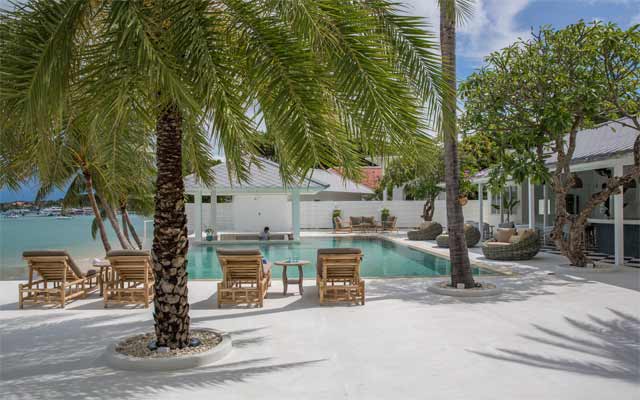
Tembo Beach Club & Resort, a plantation-style resort, sits on Koh Samui’s Bangrak Beach on the island’s north coast. Life at Tembo (which means ‘elephant’ in Swahili) revolves around the pool, where guests can relax on the terrace or on the beach, or enjoy a cocktail at the swim-up bar. Beachside tapas and small bites are available throughout the day, complemented by a choice of cocktails and mocktails, wines and beers.
Tembo Restaurant features a Mediterranean and Asian-inspired menu, and also houses Journey, a 12-seat dining space slated to open in early 2022 that will feature a regularly changing menu of international dishes. The resort also has a deli, bakery, lifestyle boutique and a spa (opening soon). Guests can select from nine double bungalows (seven king-size beds and two twin-bed rooms) and a beachside villa, which has its own private garden. All rooms have balconies or terraces, internet-ready flat screen TVs, tea and coffee making facilities, Indian cotton bathrobes, safety boxes, jasmine-scented amenities, ceiling fans and air-conditioning.
Melbourne Marriott Hotel Docklands, Australia
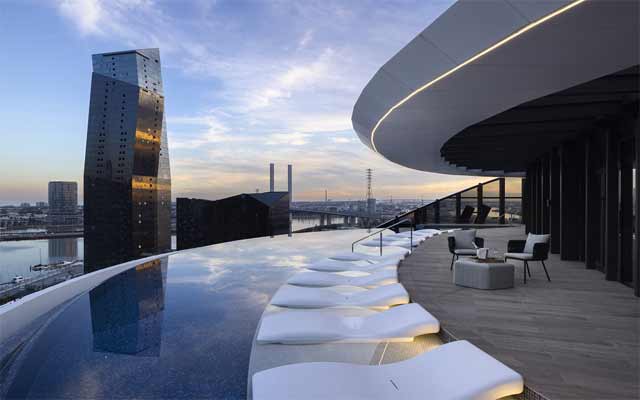
Located on the Docklands waterfront in Melbourne, the Melbourne Marriott Hotel Docklands features 189 guestrooms, each fitted with a 55-inch LCD TV, work surface, walk-in shower, and bar fridge. The hotel is nestled within the retail, leisure and entertainment precinct, The District Docklands on Waterfront Way. Guests can pick from four F&B venues, including Archer’s, a restaurant serving Australian cuisine with fresh produce from local farms. Ada’s in the hotel lobby is a space where guests can work, socialise or relax with light snacks, soft drinks, and cocktails. Laneway café Corsia serves premium and locally roasted coffee from St Ali, and a European-inspired menu of light meals by day, switching to espresso martinis and local wines by night. Adjacent to the rooftop infinity pool, Sunset House is a bar looking out to sweeping views across Melbourne. The hotel also offers a fitness centre as well as five function and meeting spaces, with more than 371m² of event space available.
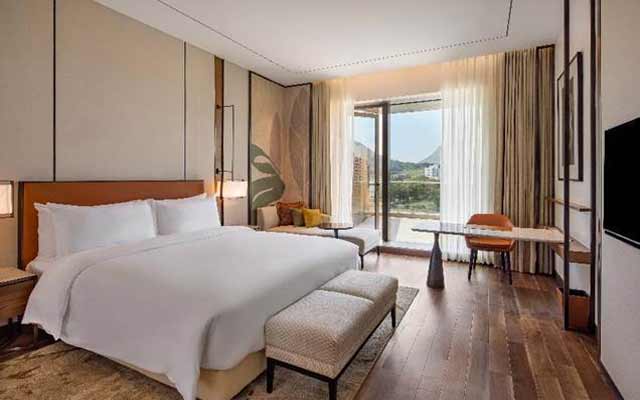
Radisson Blu Hotel & Spa, Nashik; India
Nestled at the foothills of the Pandav Caves, just off Nashik Mumbai highway, Radisson Blu Hotel & Spa, Nashik is spread over 42,000m² and features 224 rooms, including 18 suites with private balconies. Guests can choose from five room categories including superior room with pool view, superior room with hill view, deluxe room, premium suite and deluxe suite. With over 5,000m² of event space, the hotel offers four indoor venues – Godavari Ballroom, Varuni, Tharuni and The Living Room – that can host up to 2,400 pax and three outdoor venues – Godavari Lawns, Varuni Terrace and Amphitheatre – which can host up to 2,500 pax. The hotel features four dining selections – The Smoked Vine, serving international cuisine; The Tuscan Room, inspired from Italy’s traditional culinary culture; Le Bistro, an Indo-Parisian eatery; and The Orient House, specialising in Chinese cuisine. Hotel amenities include a spa, 24-hour fitness centre, hair and beauty salon, an outdoor pool with a temperature-controlled jacuzzi, along with an ASB squash court and Pilates room.

The Ritz-Carlton, Harbin; China
The opening of The Ritz-Carlton, Harbin marks the brand’s debut in the northeast China’s winter wonderland. Centrally located along the city’s Songhua River, the luxury hotel is integrated within an upscale mixed residential and retail development in one of Harbin’s tallest buildings. The hotel offers 368 guestrooms, including 31 suites.
Four F&B venues include all day-dining restaurant Manor 54 and Cantonese fine-dining restaurant King Wong Heen. The Lobby Lounge serves afternoon tea alongside a cookie bar trolley as well as handcrafted drip coffee exclusively available at the hotel. There are also two bars, including signature bar Flair, serving creative cocktails and boutique spirits paired with South-east Asian-inspired tapas. In addition to six treatment rooms, the Ritz-Carlton Spa also offers wellness areas such as steam rooms, saunas, a heated indoor swimming pool and a fitness centre.
The hotel features a total of 3,500m² of event space, including a Grand Ballroom equipped with three build-in LED screens. On the 56th floor, the hotel’s Sky Gallery has four multi-functional meeting rooms for private events. For wedding ceremonies, the sunlit Chamber has river views and direct access to an outdoor lawn, together with two bridal rooms.
VTL travellers from Singapore to South Korea exempted from new quarantine rule
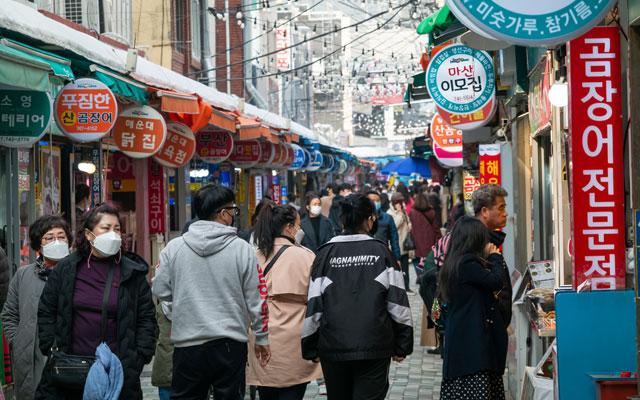
Singapore travellers entering South Korea via the vaccinated travel lane (VTL) scheme will be exempted from the country’s newly imposed 10-day quarantine policy on all inbound visitors, which kicked in on Friday (December 3).
The Embassy of the Republic of Korea in Singapore said on Thursday that the VTL arrangement between the two countries will “proceed without change at the moment”.
“Given that the Covid-19 situation remains volatile, we advise all travellers to check our website regularly for the latest border control measures prior to travel,” it said in an advisory on its website.
A VTL arrangement between Singapore and South Korea was launched on November 15 to allow quarantine-free travel between the two countries for fully vaccinated travellers.
South Korea’s announcement on Wednesday about the new quarantine requirement, imposed to contain the spread of the new Omicron variant, had cast into doubt the validity of the scheme.
The Korea Disease Control and Prevention Agency said that from Friday, all inbound travellers to South Korea will have to serve a 10-day quarantine, regardless of their vaccination status. The new measure will be in place for two weeks.
Renaissance Bangkok owner, Marriott fall out
- Renaissance Bangkok Ratchaprasong Hotel owner ends contract with Marriott, as the latter faces another legal dispute with Minor International
- Marriott remains confident of its strong relationship with owners in Thailand
- C9 Hotelworks expects pandemic pressures to lead to more owner-operator fall-outs
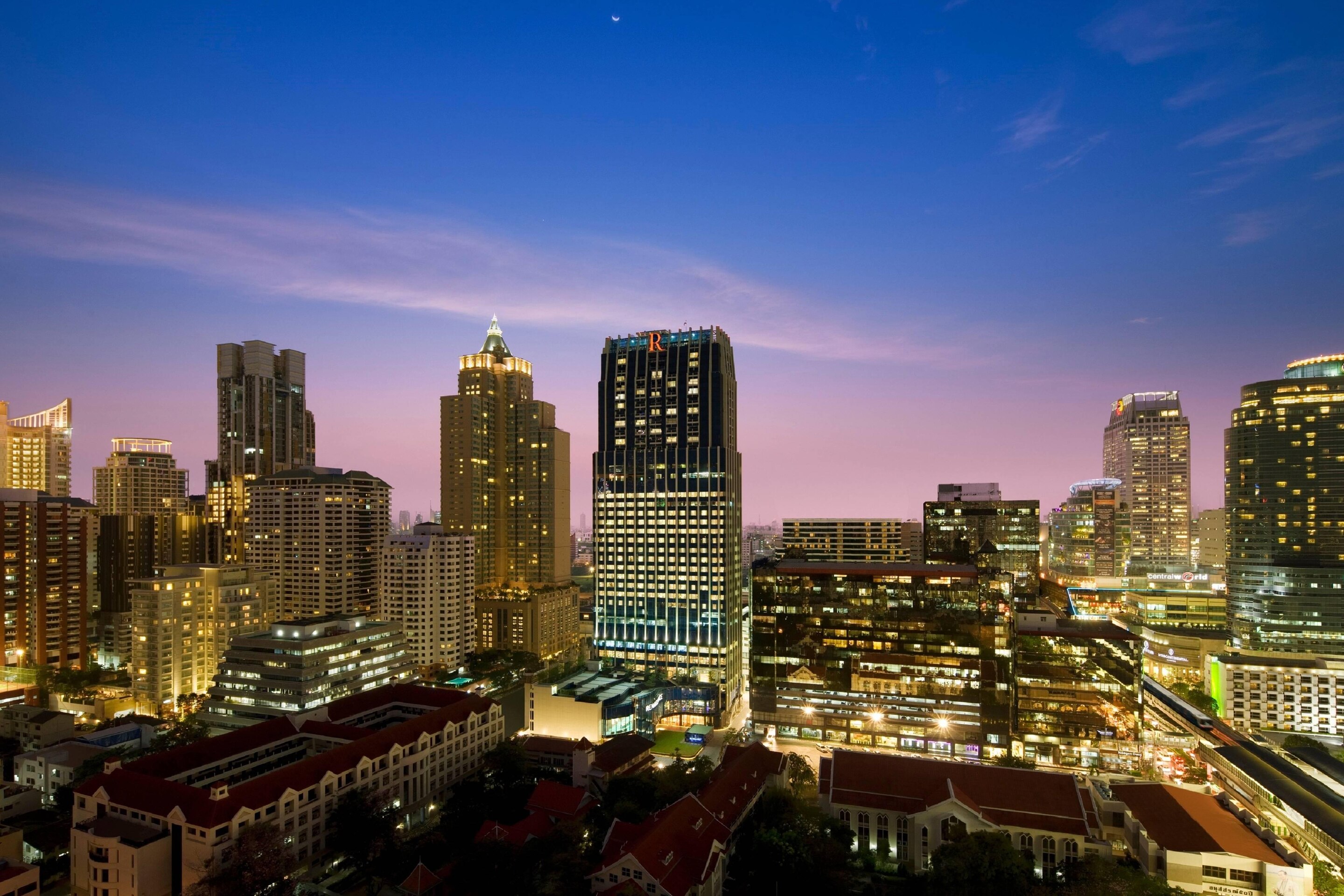
The owner of Renaissance Bangkok Ratchaprasong Hotel has issued a termination notice to Marriott International and is understood to be developing a transition plan towards its future management.
Marriott has been managing the hotel since its opening in 2010, after an agreement between the operator and the hotel’s owning company, Maneeya Realty Company, was signed in 2007, for 25 years.
Marlborough Hospitality Services, which serves as consultant to the owner and his legal counsel Benjamin Hirasawa, founder and managing partner of Singapore-based BH2I, cited various reasons for the termination notice. These include alleged “breach of contract, breach of fiduciary duty, lack of transparency, failure to communicate with the owner and to follow the owner’s instructions, and misuse of FF&E (Furniture, Fittings, and Equipment) Reserve”, according to the Singapore-based firm’s founder, chairman and managing director, Michael Evanoff.
Other allegations include “dismal commercial performance and excessive and unexplained charge-backs, i.e., charges to the hotel from various Marriott companies or departments supposedly for work done on behalf of the hotel,” said Evanoff.
Marriott Asia-Pacific declined to comment on the allegations on the basis of confidentiality obligation under the hotel management agreement, but said it is “committed to collaborate with owners to resolve issues related to our hotels” and that “current discussions will not affect the operations of the hotel”.
The 333-key hotel in Bangkok’s shopping and business district performed “reasonably well” in 2019 but in 2020 and 2021 performed “much worse” than its competitive set, claimed Evanoff.
“Average occupancy and room rates were well below those of the hotel’s competitive set and also below other comparable hotels in Bangkok operated by Marriott,” he alleged.
Business is starting to improve with December being a popular wedding month and with Thailand’s international travel reopening. Occupancy now averages 37 per cent but rates are low, he said. “The reality is that the relationship between the owner and Marriott has soured,” said Evanoff.
Marriott is also facing another dispute with Minor International (MINT) over the JW Marriott Phuket. On October 12, MINT issued a statement saying that in addition to its legal claims in the Thai courts, it is “imminently” initiating “further legal action” against Marriott.
“We are still preparing for the upcoming legal action and this is very much an active case with further announcements shortly,” Steve Chojnacki, MINT’s chief commercial officer and general counsel, said.
Asked what the “further legal action” might involve, Chojnacki alleged a “lack of transparency on Marriott’s costs and recharges; Marriott’s competition with other Marriott-branded properties; application of regional and global licensing fees collected by Marriott; and administration of the Marriott Bonvoy loyalty programme”.
However, Marriott said it is “not aware of any further legal proceeding from MINT against Marriott International or its affiliate as of the date of this statement (December 2)”.
“We continue to consider that the claims are likely to be similar to those raised in previous legal proceedings, which are meritless, and we will vigorously defend against such claims as we have done successfully to date,” the company’s spokesperson added.
“Despite the challenges of the pandemic, we remain confident in Thailand and continue to strengthen our relationship with current owners while seeking potential partners to expand our portfolio. We currently operate 46 properties in Thailand.”
Are breakups widespread?
Owners and operators have been facing trying times, particularly those in Asia where recovery is in the hands of governments and reopening policies have been restrictive. While Asia has started to reopen, the region’s largest source of travellers, China, has not. The latest Omicron variant shows that stability is far from assured.
“Everywhere has been bad, albeit to varying degrees of bad. Bangkok has been on the lower rungs of the bad scale (which includes) Kuala Lumpur, Bali, Phuket, Hanoi and Ho Chi Minh City,” said Robert Hecker, managing director, Pacific Asia Horwath HTL.
Yet, Hecker is not seeing more breakups as a result of the stress the pandemic places on owner-operator relationships. “It’s not widespread. It’s limited to particular situations of owner-operator dynamics,” he said.
In general, his understanding is that all of the operators have been flexible and understanding of owner situations. In fact, the pandemic has actually “instigated” the owner/operator relationship into becoming more of a partnership in sharing risks and pain points, said Hecker.
He uses the analogy of neighbours who have always had issues with other another. Yet after a tornado rips through their town and destroys everything around them, they hug tightly.
“Specifically on the operators’ side, they have ditched contracts for the time being, focusing on what can be done to save or preserve the owner’s house, relative to uses for the FF&E Reserve, allowing for postponement of payments that might be due, etc,” said Hecker.
“The measures that have been taken are practical in nature given the circumstances if both sides are going to get through the pandemic with hotel assets, and contracts, intact.”
Whether the spirit of hugging will remain in the post-pandemic will be interesting to see.
But Thailand expert Bill Barnett, managing director of C9 Hotelworks, believes the industry is only at the start of owner-operator musical chairs.
“Buckle up, it will be a bumpy ride in the next few years. Expect litigation, arbitration and rebranding to become more commonplace. We have gone though the worst crisis of our lives; this has to be the worst time in three decades to be a hotel owner. So, it would be unwise not to expect collateral damage,” said Barnett.
One reason is – there’s no one left to hug.
Said Barnett: “The regional offices of hotel groups have axed so many hotel development and senior operations people who had long relationships with their owner. A real issue, as owners have no one to speak to that they know of or have a relationship with.”
He said those chains with strong domestic partnerships with scale of existing and pipeline hotels could prosper. He cited Marriott’s partnership with Asset World Corporation, which has the largest hospitality portfolio in the kingdom.
Travelport inks NDC deal with Air France-KLM
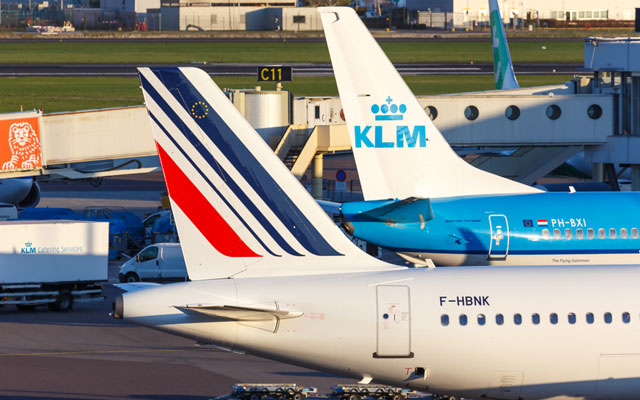
Travelport has reached a commercial agreement with Air France-KLM to enable the distribution of the airline group’s NDC content via the Travelport+ content distribution and travel retailing platform.
Agents that sign an access agreement with Air France-KLM will be able to access its NDC content and services through the agency point-of-sale Smartpoint, or through API connections.
Pieter Bootsma, chief revenue officer at Air France-KLM, said: “This is an important step in our distribution strategy, complementing our existing NDC distribution network.
“NDC is a key innovation for Air France-KLM as it allows our customers to benefit from more attractive and customised offers, such as continuous pricing and tailor-made bundles. It is an outstanding technological step opening up brand new retailing perspectives in the future.”
Jason Clarke, CCO – travel partners at Travelport, added: “This is an innovative deal which truly maximises value for both Air France-KLM and Travelport’s global community of travel agencies, particularly those with a higher level of servicing needs.
“We are enhancing our longstanding partnership with Air France-KLM and are pleased to be able to offer the airline group’s differentiated NDC content alongside its traditional content to our customers.”
Travelport and Air France-KLM are well progressed on the technical solution for NDC distribution. NDC content will be rolled out from early 2022, with features and functionality to be added progressively.
Omicron prompts Thailand to stick to PCR testing for foreign arrivals
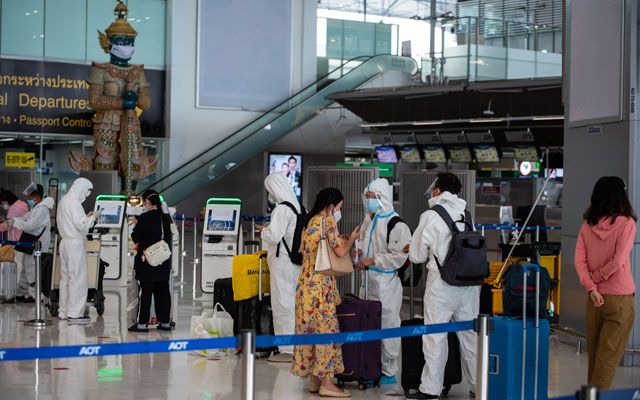
Thailand’s prime minister Prayut Chan-o-cha has confirmed the cabinet’s decision to maintain the RT-PCR Covid-19 testing for international arrivals under the Test & Go quarantine exemption scheme, reversing an earlier approved plan to allow travellers to take an antigen test, as part of measures to control the spread of the new Omicron variant.
The relaxed requirements, which were supposed to kick in on December 16, would have applied to travellers from 63 countries and territories who are allowed to enter under the test-and-go scheme, according to a report from the Bangkok Post.
The report quoted deputy public health minister, Sathit Pitutecha, as saying on Monday that “RT-PCR tests are more accurate than ATK tests, which is important to help prevent an Omicron outbreak in Thailand.”
Since December 1, foreign travellers from eight countries in southern Africa, namely, Botswana, Eswatini, Lesotho, Malawi, Mozambique, Namibia, South Africa and Zimbabwe, have been barred from entering to keep the variant out of Thailand, according to Apisamai Srirangson, assistant spokeswoman of the Centre of Covid-19 Situation Administration.
Thais arriving from those countries will still be allowed to enter, but they will have to serve a 14-day quarantine.
Omicron disrupts Malaysia’s nascent travel revival
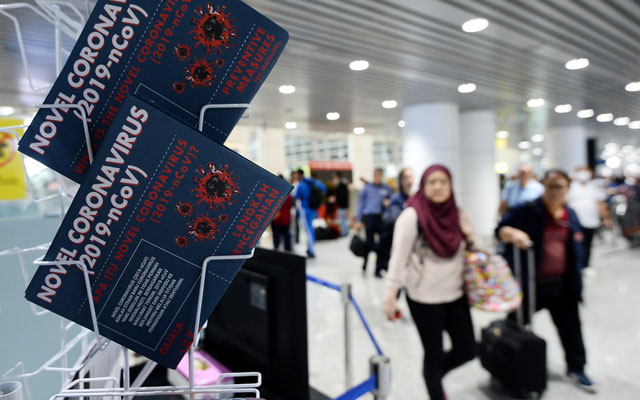
Growing fears over the emerging Omicron variant is threatening the budding recovery of outbound travel in Malaysia, as countries around the world rush to impose fresh travel restrictions amid global alarm.
Cooper Huang, CEO, Malaysian Harmony Tours and Travel, said the agency has postponed indefinitely the launch of new tours to Thailand this month as he monitors developments of the Omicron variant, which has been deemed to be potentially more contagious than prior variants.
He noted that the tightening of border restrictions by countries in response to Omicron and the unpredictability of changing policies are putting the brakes on leisure travel. He cited the example of Japan, which joined Israel in shutting its borders to foreigners on Monday (November 29) to guard against the variant.
Angelica Chan, country market manager, Traveloka, shared that outbound travel demand in Malaysia had been weak to begin with, and the Omicron variant has only added to the fears of travellers. She said that as little is known about the new variant at this stage, many people are adopting a wait-and-see attitude before planning overseas holidays.
She said Malaysians making bookings on Traveloka are mainly those travelling to visit family overseas, rather than for leisure purposes.
According to a European airline source, people are travelling for essential reasons, and not for leisure or holidays. The continent is currently battling a fresh wave of Covid-19 infections and countries such as Austria has extended their lockdown to December 11.
South Korea ends quarantine exemptions to fend off Omicron
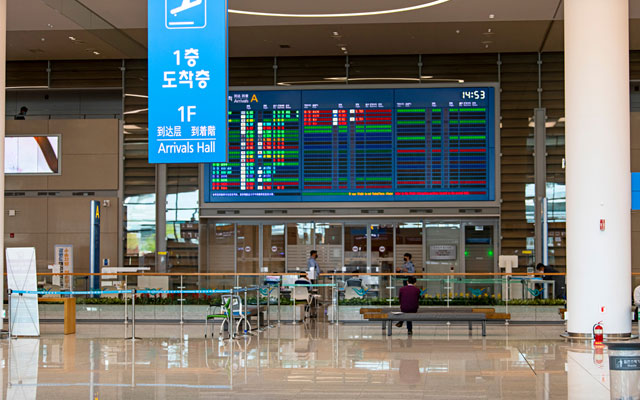
South Korea will scrap quarantine exemptions for fully vaccinated travellers for two weeks from Friday (December 3), as the country moves to tighten travel restrictions after detecting its first five cases of the Omicron Covid-19 variant on Wednesday.
A fully vaccinated couple tested positive for the variant after arriving last week from Nigeria, followed by two of their family members and a friend, according to the Korea Disease Control and Prevention Agency (KDCA).
As part of tightened border measures, all travellers entering the country will be tested for the new variant.
From Friday, all inbound travellers will have to serve a 10-day quarantine, halting exemptions previously given to fully vaccinated travellers. The measure will be in place for two weeks.
South Korea has also announced a suspension of direct flights from Ethiopia for two weeks starting Saturday.
In addition, the government is also barring arrivals from eight African countries, with Nigeria added to that list on Wednesday.
South Korea has an established vaccinated travel lane with Singapore. According to a report by The Straits Times, a check with KDCA showed that no decision has been made yet about whether VTL travellers will be subject to the mandatory quarantine.
The KDCA reported 5,266 Covid-19 cases on Wednesday, a day after the daily tally rose above 5,000 for the first time, with the number of severe cases reaching a record 733. The new cases bring South Korea’s total to 457,612, with 3,705 deaths.
Report highlights most visited destinations by travellers from at-risk African countries
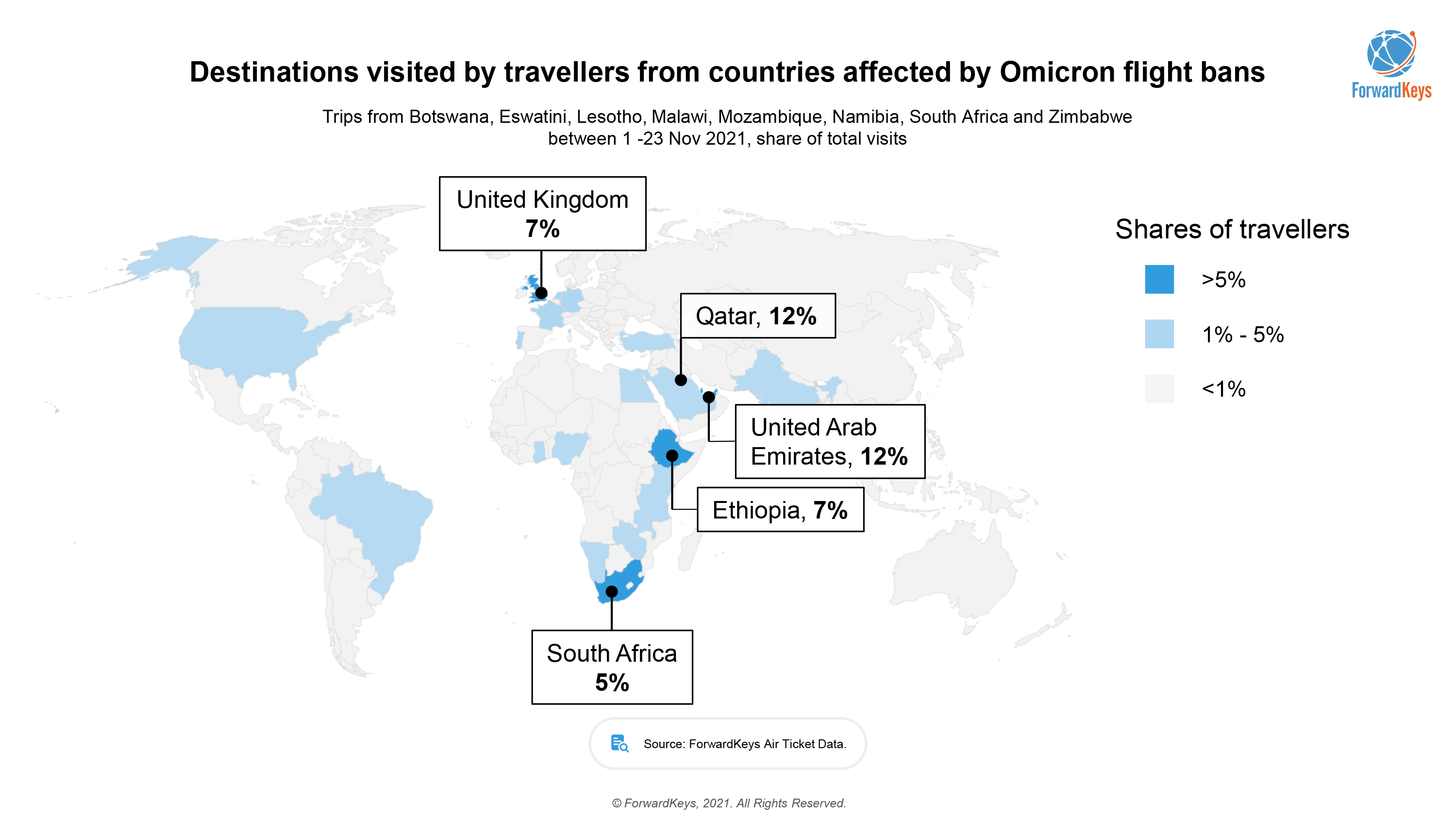
Qatar, the UAE, the UK and Ethiopia were the destinations most visited between November 1-23 by travellers from the eight southern African countries currently designated as most at risk due to the Omicron variant of Covid-19, according to air ticketing data from ForwardKeys.
The eight African countries are: Botswana, Eswatini, Lesotho, Malawi, Mozambique, Namibia, South Africa and Zimbabwe.
The data supports calls from many people objecting to immediate travel restrictions imposed on travel to and from these African countries.
Based on arrival numbers, the countries most visited are Qatar and the UAE, each with 12 per cent of travellers from the at-risk countries. The UK and Ethiopia are next, each with seven per cent.
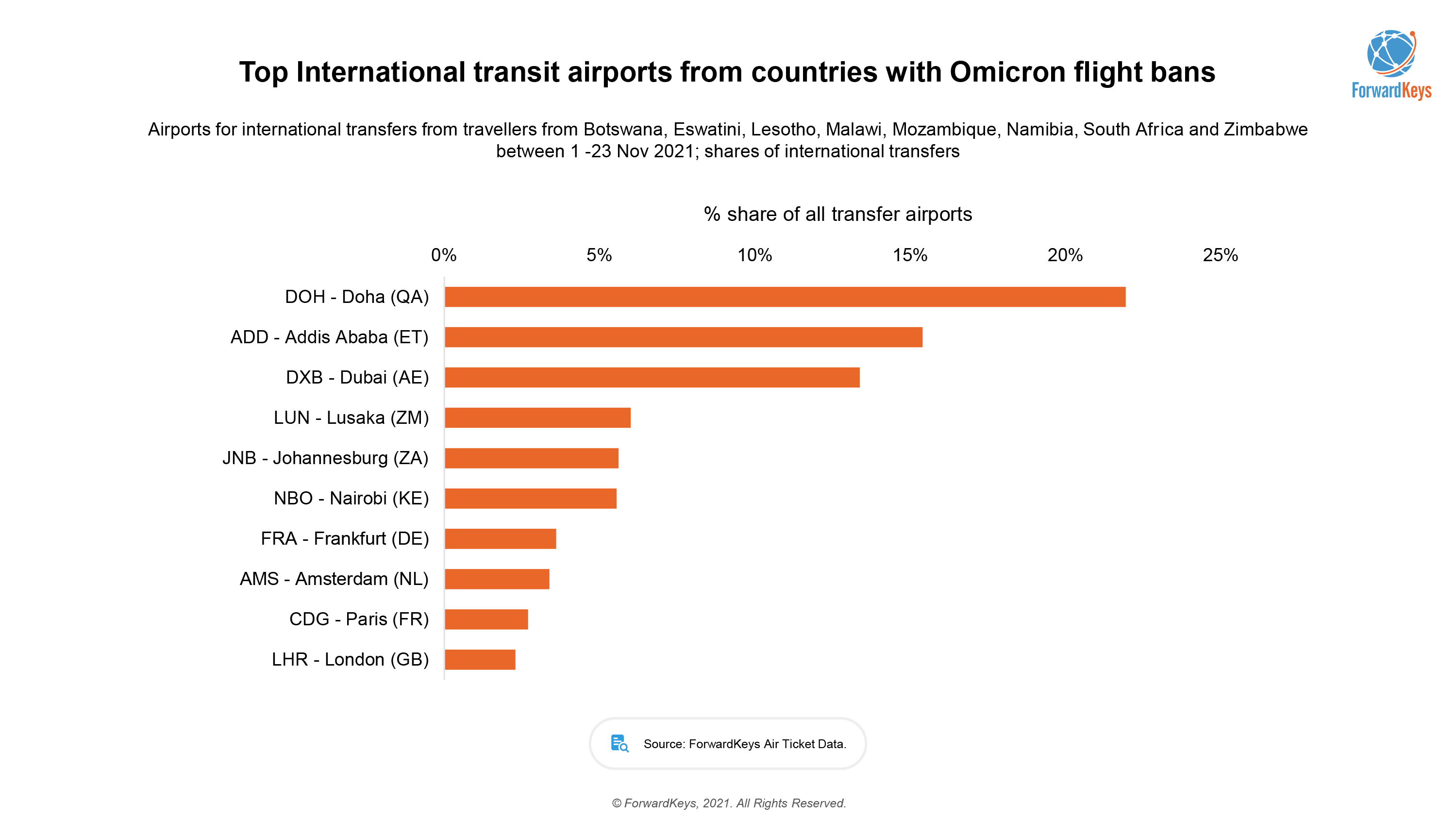
The top ten airport hubs most used by those travellers were Doha, with 22 per cent; Addis Ababa, 15 per cent; Dubai, 13 per cent; Lusaka, six per cent; Johannesburg, six per cent; Nairobi, six per cent; Frankfurt, four per cent; Amsterdam, three per cent; Paris, three per cent; and London Heathrow, two per cent.
ForwardKeys said that such flight data could reduce the need for Omicron travel bans. Insights vice president, Olivier Ponti, said: “We are acutely aware of the dreadful damage done by Covid-19 to people’s health, but also of the damage done to countries’ economies by the measures governments have felt compelled to take in response to it.
“We believe that the best policies to control the spread of the virus should be based on facts, not fear; and if blanket bans on travel can be avoided, that must be a preferable strategy. Fortunately, travel data can help by telling policy makers exactly where people from the at-risk areas went and where they connected.”







Banyan Tree Group is set to double its footprint of 54 properties across 23 countries by 2025 with the introduction of five new brands launching in the next 18 months.
As a pioneer of purposeful stewardship and responsible tourism, this expanded global portfolio of 10 unique brands will allow the group to increase its impact in the countries where it operates while taking advantage of post-Covid growth opportunities in purposeful travel.
Through the Banyan Tree Global Foundation, all brands will abide by the proprietary Stay for Good programme, a structured framework that aligns with the United Nations Sustainable Development Goals. Stay for Good embeds core stewardship values in operations and guest experience, promoting community engagement and partnership to drive long-term impact in three core pillars: environment, society, and governance.
Throughout 2022, the group will introduce new brands Garrya, Homm and Folio, as well as two new brand extensions of Banyan Tree named Veya, and Escape. These brand additions are responses to trends in travel accelerated by Covid’s impact such as conversion opportunities in resort destinations, emerging second-tier tourism destinations, as well as a greater desire for wellbeing and sustainability-minded travel offerings.
This year to-date, Banyan Tree Group has signed 20 hotel management agreements worldwide including in Benin, Mexico, Greece, Saudi Arabia, South Korea, Thailand, China and Vietnam. Four Garrya and two Homm have been signed in Asia, with more in the pipeline.
Seven openings are expected in 2021 with the November launch of the first Garrya Huzhou Lucun in China, followed by the debut of Homm Bliss Southbeach Patong and soft-opening of Banyan Tree Veya Phuket in December.
Looking ahead, the group will see a total of 19 openings throughout 2022 – comprising three Banyan Tree, one Banyan Tree Escape, three Banyan Tree Veya, six Angsana, three Dhawa, two Garrya and one Homm – across seven countries of the Maldives, Thailand, China, Indonesia, Cambodia, Mozambique and Saudi Arabia – where new flags will be planted in the latter three countries.