TTG Asia
Asia/Singapore Tuesday, 7th April 2026
Page 1252

Diethelm names rep for North America

0

Diethelm Travel Group has appointed Adam Szymanski as its new North America representative.

Based in the US for his new role, Szymanski has been tasked with further establishing the company’s reach throughout the US and Canada.

Szymanski joins Diethelm with nearly a decade of experience in travel representation, sales and brand management. Beginning by creating African safari itineraries, he soon moved over to the supplier side of the industry representing more than 37 hotels, camps and DMCs across Africa with Travel Marketing Worldwide. From there, he became the North American representative for Singita through JG Black Book of Travel.

Prior to joining Diethelm, Szymanski most recently represented a collection of 26 hotels and six DMCs as the director of sales and marketing at Passages of Distinction.

Sunway Theme Parks partners Sunway University on educational initiatives

0
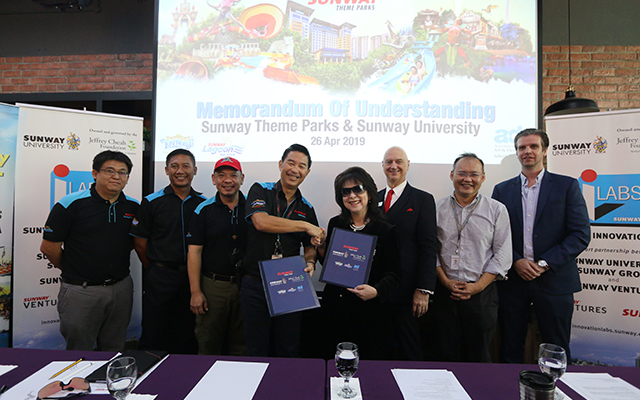
(From left) Sunway Theme Parks' (STP) Kong Beng Kuin, Sunway Lost World of Tambun's Nurul Nuzairi Mohd. Azahari, Sunway Lagoon's Sean Choo, STP's Calvin Ho, Sunway Education Group's Elizabeth Lee, Sunway University's Donald Bowyer, Sunway University's Augustine Wong and STP Sunway Innovation Labs' Matt Van Leeuwen

Sunway Theme Parks (STP) and Sunway University have agreed to collaborate on a series of educational programmes for students of the university.

The programmes include a hosted speaker series at Sunway University by multi-disciplinary representatives from STP, which comprises Sunway Lagoon and Sunway Lost World of Tambun.

(From left) Sunway Theme Parks’ (STP) Kong Beng Kuin, Sunway Lost World of Tambun’s Nurul Nuzairi Mohd. Azahari, Sunway Lagoon’s Sean Choo, STP’s Calvin Ho, Sunway Education Group’s Elizabeth Lee, Sunway University’s Donald Bowyer, Sunway University’s Augustine Wong and STP Sunway Innovation Labs’ Matt Van Leeuwen

The venture will also see the creation of study trips by students of Sunway University to both STP’s themed parks, and the sharing of ideas for the future of careers in the entertainment, leisure, hospitality, tourism and other industries.

Through internship opportunities, the collaboration will give students of Sunway University the chance to experiment with and realise their ideas in a fully-functioning real-world setting.

Earlier this year, Sunway Lagoon had a first-phase design collaboration with Sunway University’s School of Arts and Design with the objective to nurture innovation among young students.

The students worked closely with the theme park’s retail team and developed “The Amazing Sunway City” creative merchandise. There was also an additional collaboration between the university and a lifestyle photographer at Sunway Lagoon.

Calvin Ho, senior general manager of Sunway Theme Parks highlighted: “Performing Arts and Drama Students from Sunway University are also recruited on an annual basis for Sunway Lagoon’s Nights of Fright event, Malaysia’s largest Halloween Festival.”

Meanwhile Sunway Lost World of Tambun (LWOT) has been initiating SDG programmes such as the collaboration with Sunway Youth for Sustainable Development society to create Malaysia’s first man-made Marmoset Island created using recyclable items.

LWOT has also worked with Sunway University to conduct educational environmental workshops at a couple of Q-dees centres in Perak, to raise awareness on the significance of waste management and conservation.

Billions in investments to raise Saudi Arabia’s tourism profile

0
The Red Sea Project is an upcoming tourism development in Saudi Arabia

Saudi Arabia has set its sights high on becoming a major tourism hub that connects Asia, Africa and the Middle East.

At the Arabian Travel Market, the kingdom laid out its ambitious Vision 2030 masterplan, which aims to reposition the country on the global tourism stage.

The Red Sea Project is an upcoming tourism development in Saudi Arabia

John Davis, CEO of Colliers International MENA, said: “Saudi Arabia wants to be the heart of the Arabian Islamic world; a global powerhouse and a hub that connects Europe, Asia and Africa.”

In the next 11 years, the Kingdom plans to pump US$36 billion into the country’s roads, airports, railways and sea ports.

Several multibillion-dollar projects are also in the pipeline, including a US$500 billion mega leisure and business development, NEOM. This will comprise 12 small cities, with lifestyle and tourist products, luxury hotels and villas on a 460km stretch of the Red Sea. It will operate solely on wind and solar power and leverage robotics to perform functions such as logistics and security. The first phase is slated for completion by 2020.

The Red Sea project is set to be the Middle East’s first fully-integrated luxury mixed use destination. It will comprise 50 islands dotted in the water, with the first phase of 14 luxury hotels boasting 3,000 hotel keys set to open by 2022.

Badr Al Badr, CEO of Dur Hospitality, said: “We have been in the industry for 42 years and we’ve never seen anything like this, the tourism sector is being totally revamped. The country is opening up to visitors, whether religious or general tourism. There are a lot of investment opportunities to be taken advantage of.”

Visa restrictions have been loosened, with an e-visa scheme set to launch in the coming months, and airport expansions and the construction of new terminals are ongoing. The easing of leisure and entertainment laws have seen a target set of having 2,500 movie screens spread across 350 theatres by 2030.

However, Badr predicts it will be the country’s MICE market that shines in the near future. By 2020, Saudi Arabia will invest US$1.6 billion into facilities, with a swathe of shows already planned, including hosting G20.

Said Badr: “The biggest growth will be the MICE sector. That will really pick up in Saudi Arabia in the next few years, followed by general tourism.”

Sri Lanka urges tourism comeback as it outlines recovery plan

0
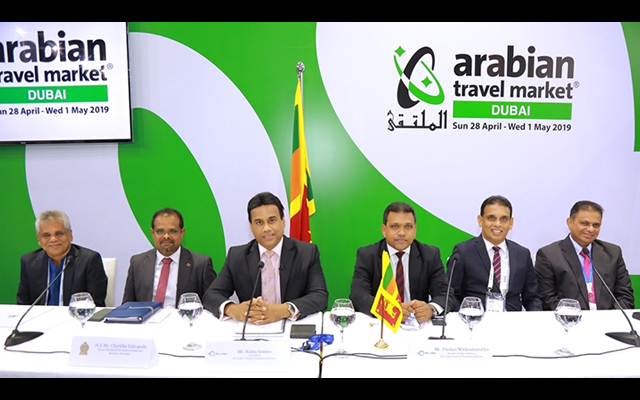
Kishu Gomes (third from left) predicts tourism, which supports half a million Sri Lankan households, will suffer 50 per cent declines in arrivals in the coming months

Tourism players remain confident Sri Lanka will bounce back after the devastating Easter terror attacks, which have taken a significant toll on travel confidence and demand to the country.

Speaking during a press conference at the Arabian Travel Market in Dubai, Kishu Gomes, chairman of Sri Lanka Tourism Promotion Bureau, remained positive that the country’s tourism industry can quickly recover in the wake of the attacks, which killed more than 250 people.

Kishu Gomes (third from left) predicts tourism, which supports half a million Sri Lankan households, could see a 50 per cent decline in arrivals in the next two months

Gomes predicted international visitors to Colombo will fall by 50 per cent in the next two months, with outlying areas seeing a 30 per cent drop.

He added the annual target of attracting 2.5 million visitors in 2019 is expected to tumble to two million.

Rebuilding the tourism sector is now a key priority for Sri Lanka Tourism, with the authorities currently in the midst of selecting global PR and marketing agencies to help with the recovery strategy, said Gomes.

Nearly half a million Sri Lankan families are dependent on tourism for their daily living, so the impact on the economy must be mitigated, he stressed.

“We are working to regain the confidence of global travelers and operators by demonstrating that Sri Lanka’s response to the incident is effective while reassuring future tourists that all appropriate steps are being taken by the Sri Lanka Government to prevent any future incidents and ensure the continued safety and security tourists within the country,” added Gomes.

Per Storm, product manager at Nyhavn Rejser in Denmark, estimates it will take at least six months for bookings to pick back up. In the immediate aftermath of the attacks, the company had contacted all clients booked to visit Sri Lanka until September to offer an alternative trip.

Said Storm: “From October onwards, we hope things will have calmed down.”

Muhammed Shafi, holiday consultant at Dubai-based Deira Travel, said Sri Lanka was a popular exotic destination with his clients from the UAE and Iraq, with enquires “significantly” dropping.

He added: “We have to wait and see what happens in the coming months. When people get the trust back and they are confident it is safe to travel, things will return to normal. It’s too early now to send people there.”

Natalia Ciupac, operations manager at Luxury World Key Group in Dubai, also remained confident that Sri Lanka’s tourism industry will see a swift recovery.

She said: “I don’t think it will take too long for tourists to return but we have to keep checking the situation. When travel advisories are lifted, I think we will quickly see confidence restored but that may take a little time.”

FATA unveils series of initiatives for ASEAN tourism

0
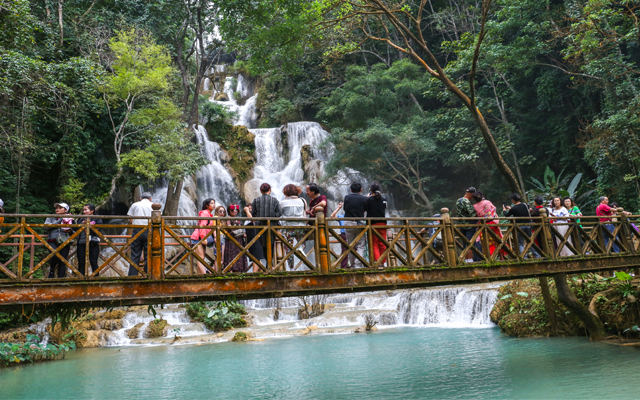
Tourists at Kuang Si waterfall in Luang Prabang, Laos

The Federation of ASEAN Travel Associations (FATA) will roll out a new joint marketing campaign among other initiatives in 2H2019 to promote South-east Asia to the world, shortly after its president assumed concurrent leadership at ASEANTA.

Mingkwan Metmowlee, president of FATA, shared at the recent FATA Convention 2019: “A joint marketing campaign will be launched with ASEAN Hotel & Restaurant Association (AHRA) and the ASEAN Airlines Association to create competitively priced packages in ASEAN, by land, air and cruise for intra-ASEAN travel and overseas travel.

Tourists at Kuang Si waterfall in Luang Prabang, Laos

“Visitors who purchase these packages will be required to visit a minimum of three countries and stay at least two nights in each country. There will be Silver, Gold and Platinum packages, incorporating three-, four- and five-star hotel accommodation respectively. The land and sea packages are expected to be launched in August and will be marketed through the ASEAN NTOs, participating airlines and on FATA website.”

Mingkwan shared that FATA is also in talks with two cruise companies to launch new itineraries around the region.

The second initiative involves collaboration with the 10 ASEAN NTOs to test and promote new products for the intra-ASEAN, medium and longhaul markets.

FATA members from different markets will be invited on fam trips to evaluate the products for their respective segments and provide feedback for improvement. And while they are in ASEAN, they will be invited to attend B2B networking and business sessions.

Mingkwan said: “We can do this every two months in a different destination. We have confirmed the first fam trip to be in the Philippines this July, and the next one might be in Cambodia.” Destinations will be proposed by FATA members.

Another initiative kicking off in 2H2019 will put forth service standards for travel agents, equipping them with the know-how on catering to tourists with disabilities.

FATA aims to approach Thailand Convention & Exhibition Bureau and NTOs from other ASEAN countries to get funding for this project. The association will also work with the Society for Incentive Travel Excellence to design the course.

Mingkwan was elected as the new president of ASEANTA at the recent annual general meeting held in Kuala Lumpur. She said being president of both ASEAN tourism associations is also a good opportunity for further collaboration on such projects.

Vox forays into self-guided, B2B2C apps

0
The app offers self-guided tours for guests, enhanced visibility and consumer data for businesses

Vox Group, a leading provider of audio guides, has launched a mobile navigation app designed for self-guided tours.

Positioned as a “personal concierge in your pocket”, the app showcases key points of interest with high-quality audio, text and imagery from local experts and urbanites.

The app offers self-guided tours for guests, enhanced visibility and consumer data for businesses

The company says the app does not replace travel agents and tour operators. Vox City Guide is a B2B2C solution for traditional players seeking an add-on product and new ways to offer greater personalisation for travellers.

PopGuide is the B2B version of the app which can be custom branded by business partners and suits the full spectrum of travel sectors from cultural attractions to tour groups.

“We’ve fully mapped out over 20 cities in six different languages, with another 20 due in the second quarter, and its play-back can be set to automatic so, as your guests travel around, they can enjoy commentary on route – by foot, cycle, car or public transport, all without hefty roaming charges” said John Boulding, Vox CMO.

Businesses need to adapt to new demands for personalisation by changing their product mix, and marketing themselves differently, which Vox says can be done with its new mobile solution.

The app will also give them businesses to “rich destination data on customer engagement”, allowing them to better plan for the future.

The product is not new, with a similar app by Israeli startup WishTrip also touting a self-guided solution that brings together different parts of the travel ecosystem.

Apart from raising brand visibility, WishTrip allows tour operators and travel agents to digitise and enhance their offering. Its push notification and live chat tools facilitate a constant flow of communication between tourism suppliers and visitors, for example.

Businesses can also reach different nationalities as the app operates in 14 languages.

In addition, WishTrip says it helps destinations and tour businesses keep visitors safe, with navigation and communication tools warning visitors of potentially dangerous areas.

WishTrip has been on the market for a year, and today features 30,000 trails created by more than 500,000 users in over 80 countries.

Tourism NZ joins hands with Tencent to woo Chinese FITs

0
Tourism New Zeland's Gregg Wafelbakker and Tencent's Norman Tam signed a MoU drive the tourism industry in New Zealand

Tourism New Zealand has signed a MoU with China’s Tencent Holdings to promote New Zealand as a high-quality travel destination for the Chinese FIT market.

The collaboration also aims to further develop New Zealand’s tourism industry through extending the country’s marketing outreach efforts to the inbound Chinese market, allowing local merchants to have a deepened understanding of Chinese travellers’ consumption behaviour via WeChat user insights.

Tourism New Zeland’s Gregg Wafelbakker and Tencent’s Norman Tam signed a MoU drive the tourism industry in New Zealand

Using the company’s expertise in Chinese consumer engagement, Tencent will provide user insights for Tourism New Zealand to widen their grasp of Chinese visitors’ consumption habits and preferences, which will serve as basis for them to develop more impactful marketing strategies.

According to Gregg Wafelbakker, general manager Asia of Tourism New Zealand, the MoU is reflection of the NTO’s effort to grow visitor markets through “diversified, digitalised and innovative partnerships”.

China is New Zealand’s second largest international tourism market, and the number one market in terms of holiday spending.

Oakwood to come to Melbourne’s Dandenong

0
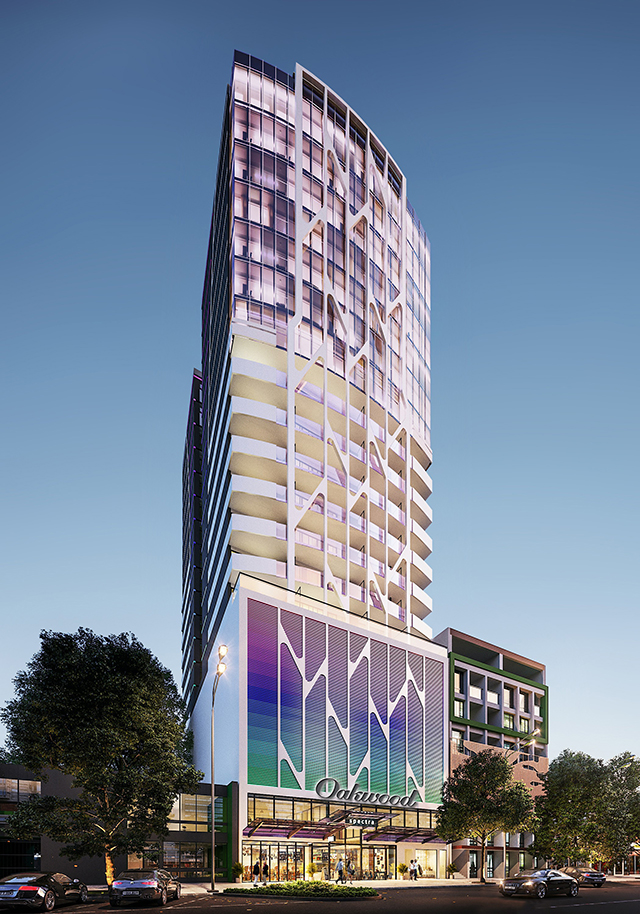
Artist impression of the Oakwood hotel in Dandenong

Melbourne’s up-and-coming suburb of Dandenong will be home to an Oakwood-branded hotel, which will open as part of Barnes Capital’s Spectra Building in 2021.

Oakwood Hotel & Apartments Dandenong will boast 98 elegantly appointed rooms and apartments, offering amenities like gourmet experiences, meeting facilities, a state-of-the-art fitness centre, as well as an entertainment area.

Artist impression of the Oakwood hotel in Dandenong

Said to embody “a new concept of urban lifestyle”, the 20-storey Oakwood Hotel & Apartments Dandenong will feature views of Port Phillip Bay and the Dandenong Ranges, and ease of access to Melbourne CBD and the Mornington Peninsula.

Oakwood Hotel & Apartments Dandenong will be the second property in Australia for the Singapore-based hospitality company.

New hotels: Pullman Baotou, Dusit Thani Mactan Cebu and more

0

Pullman Baotou, Inner Mongolia
Accor has opened its inaugural Pullman property, part of a mixed-use complex in Baotou’s CBD, in North China’s Inner Mongolia Autonomous Region. Each of its 263 Mongolian-inspired guestrooms and suites proffer views of either the Saihantala Ecological Park or garden, while leisure facilities include a gym, indoor swimming pool and spa. There are several F&B options on-site – the Les Champs-Elysées Lobby Bar; Bordeaux House with its sharing dishes; Silk Pavilion with its Huaiyang and fusion cuisine; and the all-day-dining Le Fontainebleau restaurant.

Event planners may choose from Pullman Baotou’s nine meeting spaces, which includes the 1,400m2 grand ballroom that can cater to 1,200 pax theatre-style or 720 for a banquet. Adjacent to the grand ballroom is an outdoor terrace suitable for evening cocktails, or pre and post function mingles. Silk Pavilion also has 10 private rooms that can cater to business luncheons.

Dusit Thani Mactan Cebu and dusitD2 Davao, Philippines
Thailand-based Dusit International has expanded its presence in the Philippines with two new hotels in Mactan and Davao.

The five-star Dusit Thani Mactan Cebu (above) is located in a beachside location on the Punta Engaño peninsula of Mactan island, approximately 10km from Cebu City. The resort comprises 272 guestrooms, and facilities such as a 100m-long infinity pool, spa, fitness centre, four F&B options and an indoor kids zone. Event planners may avail the largest ballroom in Mactan, the 1,200m2 Dusit Ballroom, and four meeting rooms, as well as an outdoor Sky Garden for teambuilding activities or cocktail receptions.

DusitD2 Davao (above) has opened with an initial 60 rooms and suites, with another 60 slated to open later this year. Hotel facilities include a courtyard swimming pool, the Madayaw Café all-day dining restaurant, Siam Lounge, a fitness centre and the Namm Spa. Guests can also arrange for day trips to The Beach Club at Lubi Plantation Island, Managed by Dusit, a private island retreat a 30-minute boat ride off the coast of the Davao Gulf.

Sahid Serpong Hotel, Indonesia
Sahid Serpong Hotel has opened with 94 keys in Serpong, Tangerang Selatan, a satellite city of Jakarta. Categories in the three-star property – located on the upper levels of the Parkland Avenue Apartment – start from the lead-in at 22m2, all the way up to a 35m2 junior suite. Amenities on-site include a spa, fitness centre, outdoor pool, three function rooms, the Kayu Manis Cafe, a speciality restaurant and a coffee shop.

voco Dubai, UAE
The first voco-branded hotel in the Middle East stands along Dubai’s Sheikh Zayed Road, boasting 471 guestrooms with floor-to-ceiling panoramic windows that open out to downtown views. Recreational facilities include six restaurants and bars, an outdoor swimming pool, a gymnasium and Spa Zen. Corporate guests can also avail the four floors dedicated to meetings and events, offering a total of 21 meeting spaces.

Labour pains

0

The expanding hotel supply in Kuala Lumpur is compounding the perennial shortage of a qualified workforce that the hotel sector is already grappling with.

Last year, five luxury brands – Banyan Tree, W and Alila, among them – started recruitment drives in 1Q2018 ahead of their openings in 2H2018, but the hiring exercises turned out to be a human resource challenge, TTG Asia understands.
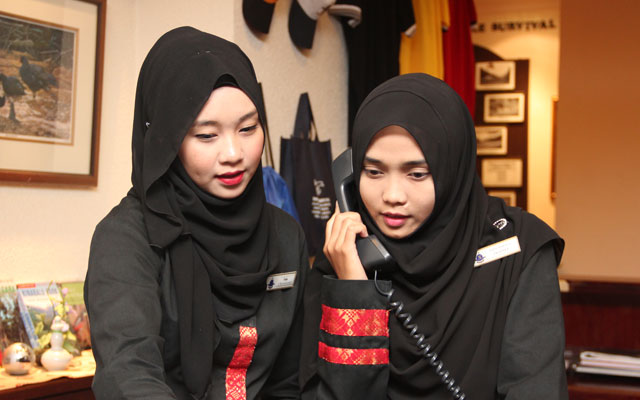
Industry leaders pointed out that local salaries are generally on the low side, which results in Malaysian hospitality professionals voting with their feet by seeking greener pastures overseas in such cities as Dubai, Macau, Singapore and Hong Kong.

Colin Rozario, director of human resources at Banyan Tree Kuala Lumpur and The Pavilion Kuala Lumpur Managed by Banyan Tree, shared: “Some (interviewees) told us they had applied to other hotels and were waiting for results; basically, they were ‘shopping’ around.”

A far cry from “two decades ago”, the current labour market is “generally an employees’ market where there is little brand loyalty”, Rozario contended.

Furthermore, with the priorisation of work-life balance and empowerment of the millennial workforce, new-gen staff typically work for a property for two years or less before seeking higher salaries and faster career advancement opportunities elsewhere, he added.

Christian Metzner, general manager, W Kuala Lumpur, commented: “Hiring rank and file staff for entry level positions is the hardest. Part of the reason is that many young people are not willing to put in the long hours required, and dealing with guests is not always easy.”

To encourage more locals to work in hospitality, Kamal Munasinghe, general manager, Alila Bangsar Kuala Lumpur, suggested that the sector “should collectively come to an agreement for better compensation of operational staff”.

Malaysian Association of Hotel Owners’ executive director Shaharuddin Saaid also sees a need to tackle the paucity of “a ready pool of capable, local manpower” through the management of hotel supply.

“There must be a programme in place to address the supply issue, otherwise hotels will continue to pinch experienced staff by offering higher salaries and better benefits, but without corresponding increase in skillsets,” he opined.

Kamal proposed: “A possible solution is to attract more international events to the city to help increase average occupancy rates, which in turn will help raise room rates.

“Once room rates increase, hotels will be able to deliver better services, as well as find the right balance between revenue versus overheads.”