TTG Asia
Asia/Singapore Sunday, 5th April 2026
Page 1119

Hotel Nikko Bangkok, Thailand

0
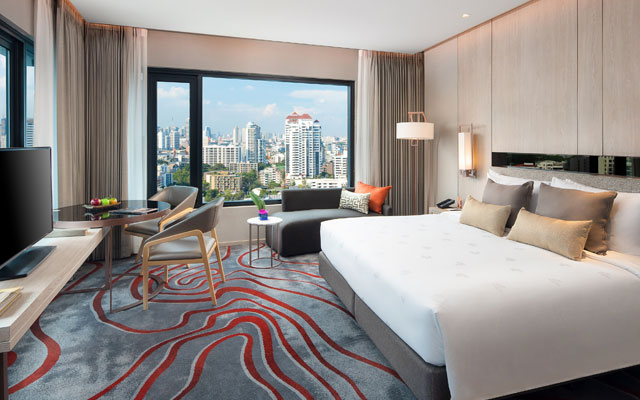
Premier Corner Room

Location
The 22-storey hotel towers over its other diminutive Thonglor neighbours, and is a glittering beacon that warmly welcomes guests home in the evenings. It stands a few minutes’ walk from the BTS Skytrain Thonglor station, which is a huge plus for traffic-clogged Bangkok.

Thonglor is also one of Bangkok’s trendiest neighbourhoods, packed with chic bars, upmarket restaurants like Supanniga Eating Room, designer shops and snazzy community malls. It is also home to the Mae Varee Fruit Shop, which is a two-minute stroll from the hotel, where you can find arguably the best mango sticky rice in town.

Rooms
Our Superior room was bright, spacious and sported Muji-like aesthetics such as wooden accents and furnishings. There was also a circular work desk, and a sofa near the window that allowed in an abundance of natural light.

Having spent considerable time on the road this year, I found Hotel Nikko Bangkok’s beds firm yet soothing and comfortable. Each morning, I woke up feeling completely rested. It also helped that I could choose from a variety of options on the pillow menu, avoiding the generally soft ones.

As Hotel Nikko Bangkok is a Japanese brand, the loo – which is fitted with a Toto Washlet – is separated from the glass-walled shower and bathtub, meaning that I didn’t have to jostle for the toilet with my roomie. Toiletries here are from Panpuri, a homegrown Thai luxury lifestyle spa brand.

We did however, find it strange that we could hear the shower from the next room every night. I mentioned this to the front desk staff and she apologised for the inconvenience, saying she would have it checked.

The Oasis

F&B
There are four F&B options here: Hishou and Curve 55 on the ground floor, as well as The Oasis and Pool Bar, on the sixth. For breakfast, hotel guests can opt for an international buffet at The Oasis, or head to Hishou for a Japanese spread.

After having been on the road for a week for work, having a traditional Japanese breakfast at Hishou was a welcome change, as this cuisine is something that other hotels do not offer. Over the next two days, we slurped up warm bowls of udon, drank comforting cups of green tea, and chose from an extensive spread that comprised grilled saba and salmon chunks, fluffy tamago pieces, and cold salads.

Facilities
Hotel Nikko Bangkok also features over 1,800m2 of space in 10 function rooms spread throughout the building. The largest venue is the Fuji Grand Ballroom which can hold a maximum of 1,250 people in a standing-cocktail setting, and can be further divided into two 400m2 rooms.

On the sixth floor, there is a free-form swimming pool, gym and sauna.

Service
As the property was at full occupancy during my weekend of stay, I was surprised that Pleum May, our waitress at breakfast, remembered us when we returned to Hishou the next day. She even went the extra mile to make us a salmon ochazuke (a green tea soup with rice) when we casually mentioned our appreciation for the light Japanese breakfasts over another day of bacon and eggs.

The doormen too were all extremely helpful when it came to giving us directions, or helping us translate our destinations in Thai to taxi drivers.

Verdict
Aesthetically-pleasing confines, a separate toilet with a bidet, traditional Japanese breakfasts, and service that is a cut above the rest. The Thais’ trademark of hospitality and warmth, coupled with the Japanese spirit of omotenashi, elevates the entire experience. The price, for a five-star luxury property, is also a plus point.

Number of rooms 301
Rates From 3,888 baht (US$126)
Contact details
Tel: 66 (2) 080 2111
Email: info@nikkobangkok.com
MG Group and Archipelago deepen cooperation with latest initiative

0

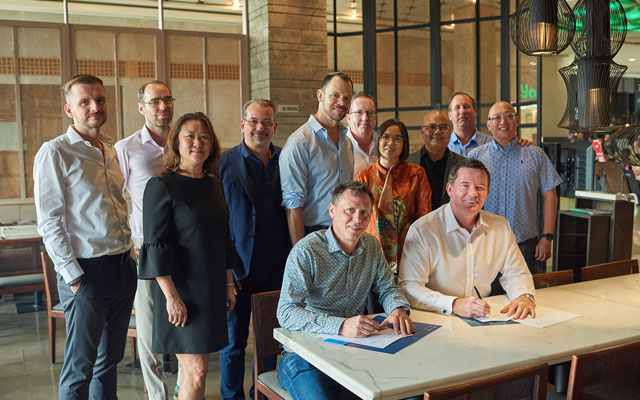
Indonesia-headquartered bedbank MG Group has named Archipelago International Indonesia the first hotel chain in its MG Select Partner Program, its latest initiative.

Under the new partnership, MG Group will conduct a series of exclusive campaign and promotions of hotel products of Archipelago International’s hotel chain for two years. Archipelago has been MG Group’s partner for nearly 20 years prior to this announcement.

MG Group signs deal with Archipelago International to strengthen partnership

William Newley, MG Group’s vice president, called the partnership “natural, strong, and sustainable”.

He added in a statement: “With the MG Select Partner Program, we are very pleased and privileged to further develop that relationship and drive value to all stakeholders across our mutual businesses. MG has made multimillion dollar investments in new platforms to help hotels and agencies grow and win in an increasingly complex and rapidly changing distribution landscape.”

Hotels under the MG Select Partner Program will receive a higher level of support, quick turnaround, and exclusive campaign on MG’s channels. It is currently a by-invitation only programme, but MG is looking at making it available to interested hotels on an application-review basis.

United Airlines names new SE Asia sales director

0

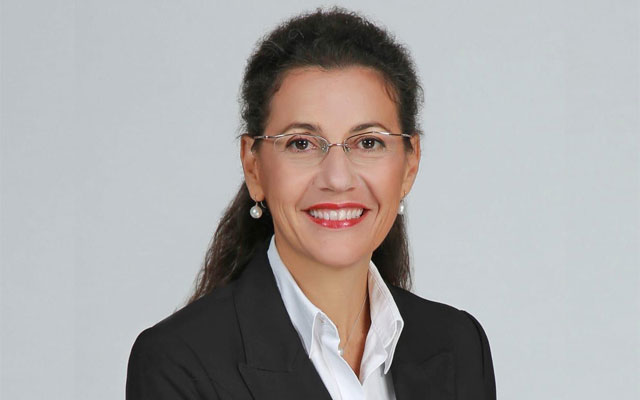
United Airlines has appointed Joanna Patterson as sales director, South-east Asia.

Patterson will lead sales activities of United’s online markets for Singapore and the Philippines, as well as the offline sales territory in the South-east Asia region, and will be in charge of United’s strategic growth in the market.

With over 20 years’ experience in the airline and business travel industries, Patterson’s career spans senior management and sales positions in China, Germany, the UK, Switzerland, and Singapore.

She most recently served as director of account management in Asia at FCM Travel Solutions in Singapore. Prior to that, she was a key player in growing global sales for major Chinese and European airlines.

Thomas Cook India scores a ‘good deal’ in acquiring rights to retain brand name

0
Madhavan Menon

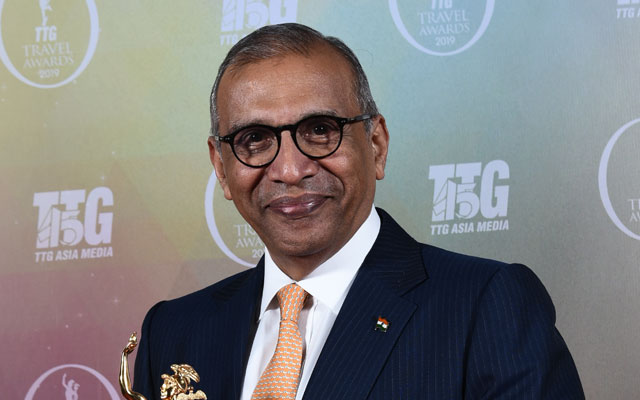
Some three months after expressing his indecision as to whether or not to retain the Thomas Cook brand name in the wake of Thomas Cook UK’s fall, Madhaven Menon, chairman & managing director of Thomas Cook India (TCIL), is “absolutely elated” that he had listened to his heart to “hold on to the brand”.

TCIL earlier this week sealed an agreement with AlixPartners, Thomas Cook UK’s appointed special managers, to acquire the rights to the Thomas Cook brand in India, Sri Lanka and Mauritius for a one-time payment of 1.5 million pounds (US$2 million).

Menon says he has secured a “good deal” in purchasing the branding rights for Thomas Cook in India, Sri Lanka and Mauritius

Instead of paying an annual royalty fee of Rs20 million until 2024, which would amount to Rs100 million over the five-year period, the agreement ensures TCIL the rights in perpetuity to use the Thomas Cook name on a royalty-free basis, while also preventing other possible new entrants into these South Asian markets using the brand name.

“I think I’ve got a good deal considering the circumstances,” Menon told TTG Asia in a phone interview. “The most important thing is that the November 2024 deadline (the annual brand license agreement that TCIL was previously contracted to with Thomas Cook UK) no longer exists, and there’s no more time pressure on how we want to refresh the brand.”

The travel chief also sees this new acquisition of rights as potential savings made for TCIL, as the detailed roadmap the company has previously laid out in preparation for a potential name change is no longer needed.

Moving forward, Menon believes there still remain plenty of opportunities to use the storied travel service brand name that is Thomas Cook, which has operated in India for 138 years.

Asked if China-based Fosun’s recent announcement to acquire the global rights to the Thomas Cook name would affect the branding and identity of TCIL, Menon said he did not foresee both companies to “interfere or come in the way of each other” as they both operate in different markets.

While they both share the use of the Thomas Cook name, he said the branding, logos and identities would be different between the two companies, although he foresees that “we would need to sit down with Fosun and try to understand what their plans are”.

The last three months, however, have brought “many ups and downs” for Menon. Not only did he have to reinforce the separation of identities between TCIL and the erstwhile Thomas Cook UK, he also had to grapple with the “trust deficit” in the travel marketplace following the collapse of Cox & Kings and Jet Airways in India.

But all these “one-season impacts” shall pass, Menon stated, as he projected the uncertainty and confidence plunge that characterised 2019 would likely fade away in 2020. Once traveller confidence in tour operators picks up, TCIL and other major players set to benefit from the vacuum left from Cox & Kings’ fall, he added.

While 2019 has been a “a mixed bag”, Menon affirmed that purchasing the branding rights for Thomas Cook in India, Sri Lanka and Mauritius was one of the best business decisions he has made.

“This is probably my proudest achievement in the 20 years of my career (at Thomas Cook),” he declared.

Travel experts play anchoring role in Regent Seven Seas Cruises’ business

0

While digitalisation and proliferation of OTAs might have rendered travel agents obsolete for many people, this is apparently not the case for the luxury cruising sector where travel experts’ strong product knowledge and high-touch service make them valuable partners in selling cruises.

During an event to unveil the launch of the Seven Seas Splendor in February 2020, Steve Odell, vice president & managing director of Oceania Cruises and Regent Seven Seas Cruises (RSSC) APAC, shared with TTG Asia: “As cruise specialists we heavily depend on luxury travel agents, (although most of our business are fly-cruises) but we don’t sell the air portion. So we depend on our partnership with agents to do the land packaging and flights.”

Odell: Regent Seven Seas Cruises’ success is built upon their partnerships with travel agents

When it comes to a luxury cruise, said Odell, a lot of customer service is required in terms of service and knowledge.

“If a potential luxury cruiser went on a mass-market cruise, it would be disastrous as they might never cruise again. Equally, someone who’s keen on a more value-for-money cruise may find us stuffy. That’s why we need travel agents, and train them well on how to sell our products. A lot of our success is built around the kind of work we do with travel agents,” he elaborated.

Moreover, travel agents also source for new customers on behalf of RSSC, which was the reason for Odell’s visit to this part of the world.

Currently, Asian luxury cruisers make up a small percentage of RSSC’s source markets, with the US emerging as the top source market, followed by Europe, and Australia, respectively.

“There are very powerful pockets of high wealth in certain countries in Asia, for example, Japan, Hong Kong, Singapore, the Philippines, Thailand, Indonesia, and Malaysia,” Odell noted. “While we spend most of our marketing budget in Singapore, Hong Kong and Japan, we also have a foot in all the other places getting to know (potential luxury cruisers) in the upper echelons, because it’s a word-of-mouth business in the right circles.”

When asked what type of luxury cruises Asians generally preferred, Odell pointed to seven- and 10-day sailings to more remote destinations such as Iceland, Greenland, the Antarctica and Arctic.

The largest Asian outbound market, however, is noticeably absent.

“I think there’s an obsession with China. It’s important to note that the Chinese cruise business is totally different from the Western model. Although there’s a huge opportunity in terms of volume, the Chinese are not willing to spend as much (on luxury cruises),” Odell pointed out.

And although China’s cruise market accounted for half of the total Asian passenger volume, they mostly comprise short round-trips to Japan or South Korea.

China is therefore not a main focus for Regent Seven Seas, although Odell strongly believes in Asia’s overall “massive cruising potential”, given that the rising cruise industry is projected to grow to more than 40 million passengers globally by 2027, from the current 27 million.

Despite global headwinds, Odell believes that the luxury cruise sector will remain “resilient”, sharing that compared to the same time last year, business was up a whopping 90 per cent.

The upcoming Seven Seas Splendor will feature 175 suites with sea-facing balconies and US$200,000 handmade mattresses. The all-inclusive cruise will also house six speciality restaurants onboard, alongside regular facilities such as a pool deck, library, fitness centre and casino. Seven Seas Splendor will also mark the first time a woman, Italian captain Serena Melani, will steer a brand-new cruise ship.

Next Story Group writes out new Ink Hotels brand

0
Check-in

International hospitality company Next Story Group marks the addition of Ink Hotels to its brand portfolio with the opening of the 162-key Ink Hotel Melbourne Southbank.

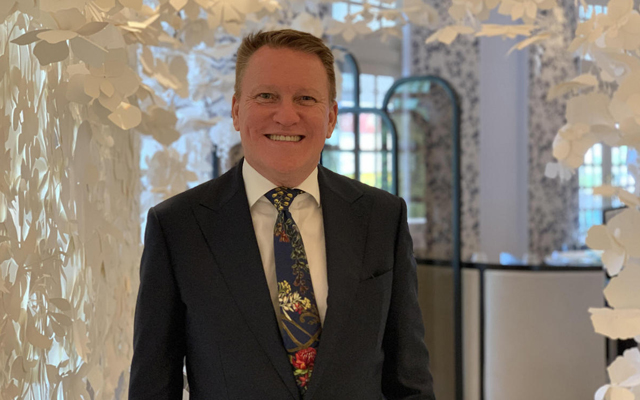
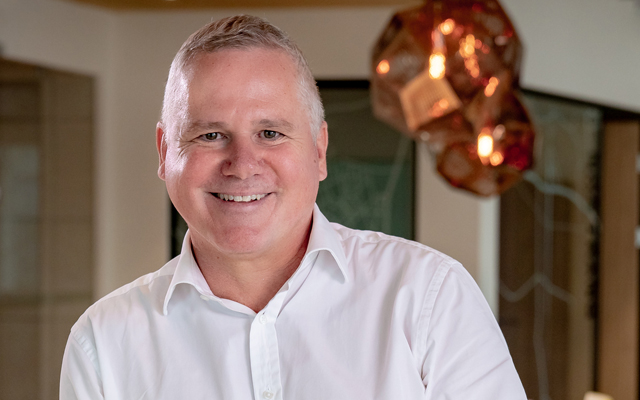
“Ink Hotels is a compelling brand that resonates with travellers with a Gen Z mindset. It is a great addition that strengthens Next Story Group’s brand portfolio which will boost our expansion plans,” said Darren Edmonstone, CEO of Next Hotels & Resorts.

“Our differentiated brand portfolio enables us to have the right brands in the right locations and to capture key segments in our key markets, including Australia and South East Asia, where we are continuing to drive strong strategic growth.”

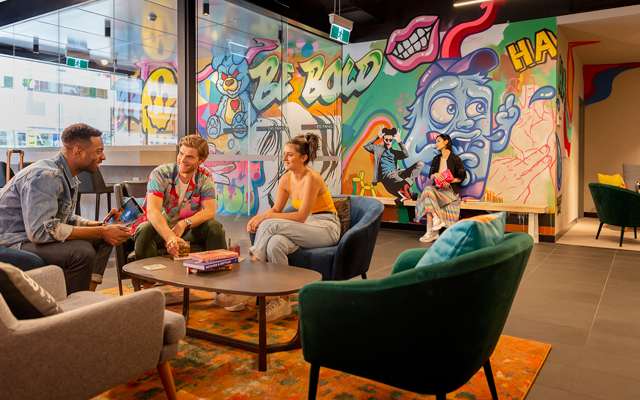
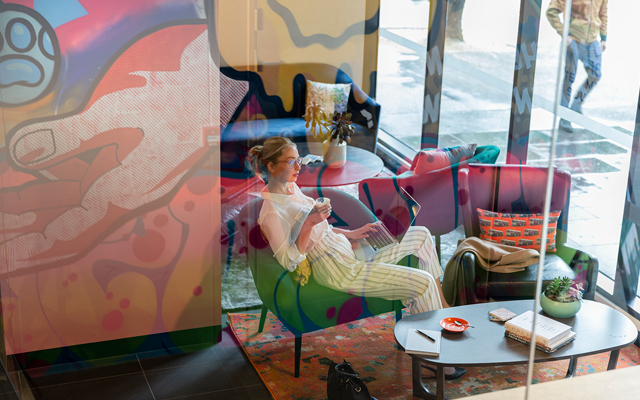
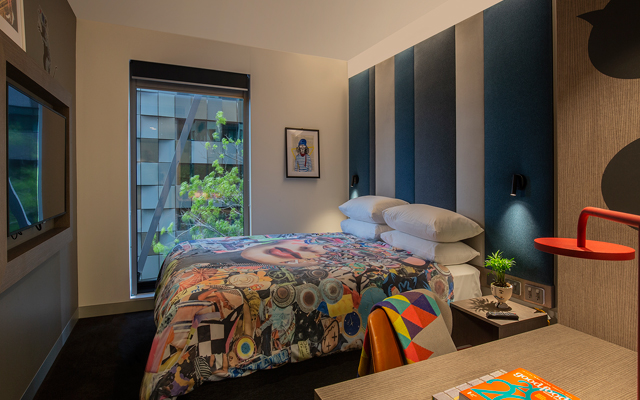
Ink Hotel Melbourne Southbank touts a sustainable approach to amenities. Australian-made Metis bathroom amenities include refillable pump bottles that eliminate the need for single-use toiletries. Sparkling and still water dispensers in public spaces enable guests to fill up reusable bottles on their way out, hence reducing plastic bottle usage.

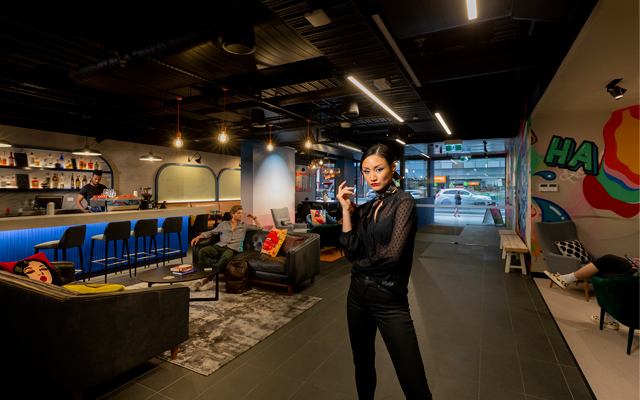
The hotel will house a Kitchen & Bar featuring a Grab & Go selection of snacks available 24/7. It also serves Streat coffee, with earnings from coffee sales going towards a training and education programme organised by Streat which supports disadvantaged youth.

To celebrate the opening of Ink Hotel Melbourne Southbank, guests can enjoy a special opening rate from A$119 (US$84) for bookings made between now and January 31, 2020 for stays until June 30, 2020.

Next Story Group is also planning to open a second Ink hotel in Singapore come 2021. Ink Hotels will feature social public spaces for guests to chill, work or hang out with fellow travellers and locals.

On-demand access to drive car rental market in mobility age

0

The car’s popularity will stay strong in the upcoming mobility shift, but attitudes towards ownership will change significantly, according to a recent report by Avis Budget Group.

The report titled ‘The Road Ahead: The Future of Mobility Report’ revealed that over the next decade, consumers are likely to move to an access-driven, on-demand model for their favourite mode of transportation.

Recent study points at shift towards on-demand vehicle access in the future

Based on consumer research carried out across 16 markets in Europe and Asia, the report found that majority of the people (82%) surveyed thought owning a car was still important, while 77% report that they own a car outright, and nearly 50% still see the car as their ideal mode of transport.

However, this is set to change with more than two thirds (68%) of people thinking that outright car ownership will not be the most popular way to access a car within the next decade, and over half (54%) are prepared to give up car ownership and rely on long-term rental, on-demand or subscription services. In fact, 59% said that they expect more subscription and on-demand services for cars and vans over the next few years.

Keith Rankin, president, international, Avis Budget Group, said: “Driven by technology advancements and the influence of services like Amazon, Netflix and Spotify, people today want to consume and access products and services at the click of a button. The expectation for an on-demand service has impacted the mobility industry and resulted in the evolution we’re seeing today – from being able to book a taxi instantly to hiring a car for a week-long holiday, all from your smartphone. However, our report reveals that we are now seeing a rise in this demand for instant access and flexibility, resulting in changing behaviours towards car ownership.

“Changing needs and the expansion of the sharing economy offer both challenges and opportunities for the mobility industry. Our research has shown that whilst consumers are expectant of connected, integrated and on-demand services, they still want convenience at a reasonable price.”

Rankin concluded that it’s imperative that different mobility players work together to cater to consumers’ future needs. “We have demonstrated the success of collaboration, as shown with our fleet management as a service partnerships with Via and Lyft, and our agreements with Ford and Continental in providing connected cars. Our partnerships demonstrate well how the sector can work together to provide the on-demand and connected services that customers want. These can range from a technology giant delivering 5G, or local governments working with the private sector for improved, urban EV access for residents.”

The full report is available here.

Catering to evolving needs in today’s experience economy era

0

Customer events always provide food for thought, especially those of the scale of Travelport LIVE Asia Pacific (APAC), which took place in end November in the beautiful city of Shanghai.

Held a few months later than usual, already approaching the year-end, the event was a good review of 2019 and left me with plenty to ponder. Its theme “Experience is Everything” is self-evidently broad, but here are the four key points I will be asking my teams across the region to think about carefully as we near the end of the year.

Meehan: Experience economy driven by rising demand for personalisation and rapid technological advancements

Drive the experience economy, before it drives you

While the experience economy is not new, its impact on the US$9 trillion global travel and tourism sector has never been greater. The experience economy is being driven by two converging trends, escalating demand for memorable and personalised experiences, and rapid advances in technology. Today, global expenditure on experiences is already greater than on goods and services, and demand transcends generations. Technology holds the key to unlocking the significant potential here for the travel industry. And every day, new advances are presenting new opportunities to deliver new value.

Examples of how the experience economy is shaping the travel and tourism industry today are everywhere. Singapore Tourism Board has created a simulation that allows travellers in transit at Changi Airport to take a seat on a traditional trishaw, put on a VR headset and go on a virtual tour of Singapore – complete with 4D elements like smell and mist – all without leaving the airport. EatWith allows travellers to dine with locals in their homes in countries including Cambodia and China. And Airbnb Experiences lets tourists book everything from attending a tea ceremony with monks in Taipei to playing football with locals in Hanoi. The experience economy is very much here to stay. The opportunities for those who drive it are endless, but so too are the challenges for companies that fail to respond and evolve.

Asia-Pacific leads demand for change

Demand in this region is now among the highest in the world for memorable and engaging digital experiences and technology that makes travel easier to manage. According to research by Travelport, three quarters (75%) of travellers in Asia-Pacific today say they now actively consider whether an airline offers a good digital experience when making a booking, a figure that has risen by more than 13% in just two years.

There is also significant demand from travellers in Asia-Pacific for virtual and augmented reality experiences. Four fifths (61%), for example, believe these technologies would help them better plan their trips. That’s twice as many as in Europe and North America. When researching a trip, 89% of travellers in the region also now say they have reviewed videos and photos posted on social media, not by friends, but by travel brands. This is the highest percentage recorded in any region worldwide.

Furthermore, more than two thirds (70%) have used voice search to help manage their travel, twice as many as in Europe. Fortune favours the bold, and with demand for and use of technologies like this so high in Asia-Pacific, the time for companies to be bold is very much today.

NDC picks up pace in Asia-Pacific

It may feel like IATA’s New Distribution Capability (NDC) is taking a long time to arrive but progress is starting to gather momentum. We expect 2020 to be a year where more of the technical plumbing is completed, when more airlines outline their ambitions and make content available, and when more NDC technical solutions from companies like Travelport enter the marketplace. We also expect it to be a year when agents start playing a more active role in shaping NDC decisions, as more start to determine how new NDC sales capabilities can be used to benefit their customers.

Interestingly, one thing that multiple guests on our NDC panel at Travelport LIVE APAC called out is that one of the biggest misconceptions surrounding NDC is that it means bypassing the GDS. To the contrary, they argued travel commerce platforms will play a critical role in ensuring value is unlocked for all parties. It won’t surprise you to hear, I agree.

But it’s not all about NDC

NDC might dominate the headlines but there is a lot more going on in the content retailing world, especially when it comes to aviation. Air content, for example, is getting more dynamic – dynamically sourced, dynamically bundled and dynamically priced. Merchandising is moving from an art to a science, thanks to big data. Automation is allowing products to be personalised more than they ever have been before. Even subscription-based models are being investigated and tested.

Airlines are also now considering how every seat on the aircraft has a different value and can be part of different bundles. When you add in offers for corporates, loyalty and personalisation there are potentially hundreds of products on every flight. This has the potential to be overwhelming for customers but airlines know this too. Delta Airlines has already initiated a concept called Next-Generation Storefront to cut through the complexity in competing products and sell on value, not price. As a travel commerce platform, we need to respond to all of this to ensure we continue to support all parties, no matter which model they decide is best for them.

In conclusion, the pace of change today is both frightening and exciting. Standing still is not an option, especially for companies like Travelport that sit at the heart of the travel ecosystem and need to support all partners, no matter how big or small, how innovative or conservative. Times of great change require great agility, and I for one am glad to be on the edge of a new year with ambitious new owners and an ambitious new CEO, who all recognise this.

Philippines ought to double down on Chinese market, say tourism experts

0

Instead of being complacent about the growth in inbound Chinese arrivals, industry stakeholders are urging the Philippine government to maintain the market’s upward trajectory by continuing its marketing and promotion efforts in China, while improving tourism infrastructure on the homefront.

“The whole world is knocking on China’s door and countries like Malaysia and Thailand have big (marketing) budgets for China. But while the Philippine Department of Tourism (DoT) recognises that China is a huge market, it doesn’t send high-level delegations to tradeshows in China,” a travel consultant who declined to be named noted.

Tourism stakeholders want the Philippine government to step up efforts to woo more Chinese travellers; Chocolate Hills in Bohol, Philippines pictured

The DoT reported that Chinese arrivals jumped 39 per cent during the January-August 2019 period, edging out Japan and the US as the country’s biggest source market second only to South Korea.

In view of strong regional competition for the Chinese tourism dollar, Paul So, managing director of Great Sights Travel and Tours, warned that the Philippines should take a proactive stance in wooing visitors from China, especially against a more challenging global economy outlook.

Aside from leisure travel, Mary Ann Ong of Bridges Travel and Tours general manager inbound, hopes that the Philippines will be able to crack the MICE market from China.

“MICE is our strength. We need more MICE groups to balance quantity and quality,” Ong remarked.

However, Ong pointed out that although the Philippines has no lack of destinations, many still do not have adequate tourism infrastructure.
She said: “Bohol, for instance, is already a strong market but you could count the number of buses available during the peak season.” Ong also warned that Palawan cannot be heavily “pushed as a destination” as the buses in Puerto Princesa cannot be brought to outlying provinces because of narrow roads.

“Charter flights from China can also only land in Puerto Princesa, because Busuanga and El Nido have short runways,” Ong lamented.

Meanwhile, Great Sights’ So opined that more tourism dollars can be earned from the Chinese market if more quality products are developed.
“We have high-quality hand-made handicrafts, as well as agricultural and fisheries products, but we need more diversified products, and more outlets and showrooms for them,” he said.

And as beaches remain the main attraction for the Philippines, Reynel Pick, Performance Travel’s hotel inbound reservations officer, said Boracay remains the company’s top destination for Chinese tourists, followed by Cebu and Bohol.

Many Chinese also tend to come to the Philippines especially during the Golden Week in October, said Pick, which would be a good opportunity to capture travellers too.

Anantara Golden Triangle rolls out Royal Enfield sidecar tours

0

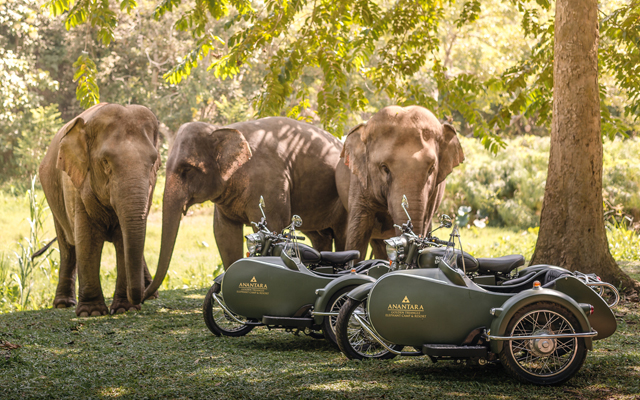
The Anantara Golden Triangle Elephant Camp & Resort in Northern Thailand will be launching two Royal Enfield Classic 500 sidecars as an alternative mode of transport for guests.

First produced in 1901, Royal Enfield is the oldest motorcycle brand in the world still in production and its old school, post-war design built around a reliable workhorse ensures passage through most terrains.

Anantara Golden Triangle claims to be the only hotel in Thailand that offers guests this unique transport to navigate around the site spanning 650,000m² of Northern Thailand’s jungle.

The hilltop resort offers views of the Mekong and Ruak rivers over the confluence of Thailand, Laos and Myanmar, as well as grazing elephants in their natural habitat.

As well, guests can explore the Golden Triangle or take a drive in the Royal Enfield sidecars to the mountainous area of Doi Tung, the northernmost tip of Thailand.

The motorcycle tour of the Golden Triangle includes a guided visit to the Giant Golden Buddha in nearby Chiang Sean; sacred temples built in the eighth, twelfth and fourteenth centuries; a local market; and ancient Lanna experiences.

Guests at Anantara Golden Triangle Elephant Camp & Resort can reserve the Royal Enfield sidecars with a driver for excursions outside the resort, starting from 3,000 baht (US$99) per hour.