TTG Asia
Asia/Singapore Monday, 6th April 2026
Page 1031

Ecotourism collapse threatens Cambodia’s wildlife

0

The collapse of tourism in South-east Asia means wildlife and conservation in southwest Cambodia may come to a halt in the next few weeks, as forest rangers who protect the animals rely on revenue from ecotourism.

With the temporary closure of Cardamom Tented Camp (CTC) in Cambodia, forest patrols by Wildlife Alliance rangers in Botum Sakor national park in southwest Cambodia may have to be suspended.
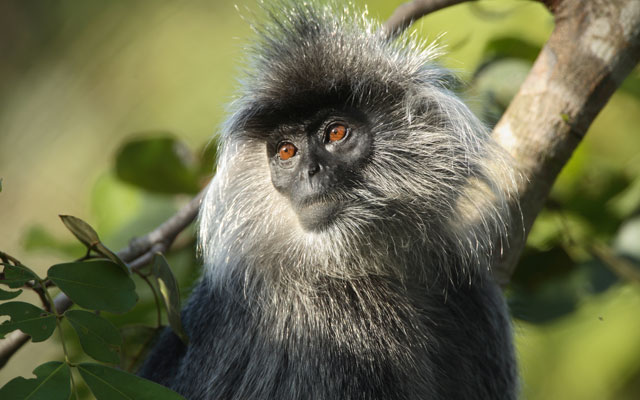
Wildlife in Cambodia are in danger as the pandemic keeps eco-tourists away; a silvered langur pictured

The rangers’ equipment, food and wages are provided in entirety by the Thailand-based Golden Triangle Asian Elephant Foundation (GTAEF) and CTC – both dependent on tourism for their income, which has been reduced to zero due to the Covid-19 shutdown.

As of mid-May, all 14 rangers policing 18,000ha of evergreen lowland forest in the national park are still operating, relying on funds from GTAEF. However, these funds could run out as early as the end of May, said GTAEF and CTC in a joint press release.

Until then, ranger foot patrols to seek out poachers and remove their hunting traps are still operational. But they would stop, should GTAEF support fail and guests not return to CTC in the next months, which seems increasingly likely. This would leave the forest unprotected as rangers return to their home villages.

“We are extremely proud of the rangers’ efforts over the last six years. They have all but stamped out bushmeat poaching, the illegal wildlife trade and land grabbing on the concession,” said John Roberts, director of elephants and conservation at GTAEF.

“However, we see from the rampant forest clearance in surrounding areas that the rangers’ excellent work would almost immediately be reversed should patrolling stop in the next few weeks.”

GTAEF said that it pays the lion’s share of the rangers’ wages in the Cambodia project.

The last guest at CTC checked out on March 30, according to the company. The camp’s manager, Allan Michaud, who is still resident at the lodge, said that the rangers’ patrols were vital to stop illegal activities such as logging and hunting which is lethal for mammals such as pangolins, gibbons, deer and wild cats.

“Prior to the Covid shutdown, illegal hunting in Botum Sakor national park had declined by around 90 per cent over the last five or so years. That is now at risk. The sooner we secure income for the ranger patrols, the better the survival chances of wildlife and habitat,” said Michaud.

To secure continued forest patrols, a FundRazr page has been set up by GTAEF to mobilise emergency income for the rangers. GTAEF and CTC assured donors that all funds will go to financing the rangers’ income, materials and food so that they can continue wildlife protection patrols.

Roberts said that the fund-raiser “is our last best hope for forest and wildlife protection in Botum Sakor for the next few months, until tourism picks up again.”

Forest rangers depend on support from ecotourism, which has taken a huge hit from the virus crisis

In addition, CTC will offer donors giving US$200 or more a free night on top of a two-night stay. Vouchers for the free night are valid until February 2022 and are transferable.

Since opening in late 2017, the camp has operated with the slogan “Your Stay Keeps the Forest Standing” to show the direct link between income from guest stays and forest habitat protection through ranger patrols.

While Cardamom Tented Camp & GTAEF provide the funding, the Botum Sakor ranger teams are coordinated by the Cambodia-based conservation organisation Wildlife Alliance, under the auspices of the Cambodian Ministry of Environment.

CTC is a three-way initiative between Minor Group, YAANA Ventures and Wildlife Alliance to ensure the land and its biodiversity does not fall into the hands of loggers, poachers and sand dredging operations.

Indian luxury travel may return this winter

0

Luxury travel specialists are expecting demand to resurface in the winter season, starting October this year, with well-established as well as unique destinations gaining the bulk of interest.

Ajay Jaipuria, founder of Travel Oyster India, said luxury travellers would be in a stronger position to return to tourism first than the budget travel segment, and added that the reopening of European borders could trigger travel demand among the well-heeled Indians.

The outbound luxury travel segment in India is set to rebound later this year; couple enjoying a vacation in a beach bungalow in Uluwatu, Bali in Indonesia pictured

Aditya Tyagi, founder of Luxe Escape, shared that he received a travel enquiry from a family that intended to travel in the first week of October.

He believes that the early interest in resuming travel is a result of the travel credits offered by cruise companies, hotels and other tourism suppliers to customers who had paid for their bookings pre-pandemic.

“These credits are valid till next year-end and travellers would want to utilise them once the situation returns to normal,” Tyagi said.

Prior to the pandemic, Tyagi had taken in “good bookings” for luxury cruises and charters of “the finest yachts”. There was also a trend towards independent boutique hotels and chalets hosted by owners.

“We had a booking for a villa in Italy’s Lake Como and another for a private place in the middle of Florence,” he said.

When asked which destinations would see the first wave of returning luxury Indian travellers, travel specialists told TTG Asia that those that had recovered from the pandemic quickly, have a good reputation for being clean and safe, and enjoy good air connectivity would be top choices.

Manas Sinha, director of ISA Tourism, which represents many luxury hotels around the world in India, named Singapore, Japan, South Korea, Vietnam, Switzerland, the Netherlands, South Africa, the Maldives, Sri Lanka and Indonesia as some of the best candidates, due to their “effective measures” for curbing the spread of Covid-19.

Jaipuria shared that ongoing conversations with clients have shown interest in Switzerland and Scandinavian countries, which are attractive during the winter season when Indian outbound travel is expected to resume.

“Another simple reason is that these countries are less crowded (than other popular destinations), so our guests will feel safe,” added Jaipuria.

MATTA push for hygiene accreditation to revive tourism industry

0

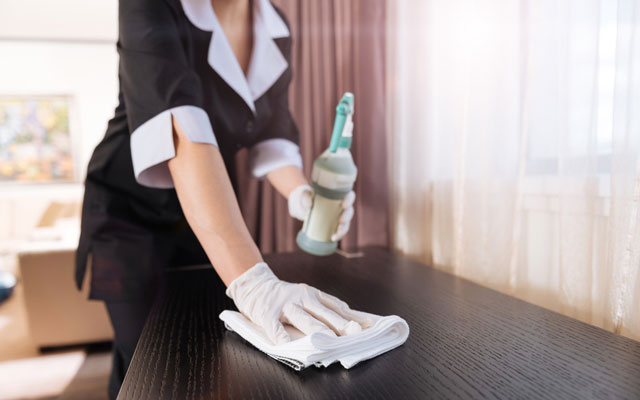
The Malaysian Association of Tour and Travel Agents (MATTA) is calling for the government to develop and implement health and safety accreditation for tourism facilities to ease coronavirus fears among nervous travellers.

MATTA president Tan Kok Liang said in a media statement that the tourism industry has to tackle the core issue of health and safety confidence in travel as the new priority.

Health and safety accreditation of tourism facilities vital to restore post-pandemic travel confidence, says MATTA

“No amount of digitalisation, promotions, incentives or freebies can directly help to create demand except to boost the much-needed confidence that it is safe to travel through coordinated efforts with the relevant authorities. The global private sector has aligned around the health and safety protocols to create consistency across the industry,” he said.

Noting local businesses operating at far below capacity, he urged authorities to replace the Stay At Home tagline with a more business-friendly one like Stay Safe so as “to portray a more positive message”.

With the battered global tourism industry facing headwinds as it maps out recovery strategies, Tan stressed that bolstering the confidence to travel among consumers is the key to recovery in tourism.

“The industry has grown very sensitive towards health and safety protocols due to the pandemic and attaining people’s trust will be a challenging task,” he said.

“Nonetheless, the desire to travel will not go away and many are hoping that they will be able to travel again within several months after restrictions are lifted. Issues such as privacy and cleanliness will become paramount as part of the new norm, keeping in mind the push-pull of people wanting to see the world while also wanting to stay safe.”

As such, Tan urged the Ministry of Tourism, Arts and Culture and the Ministry of Health to initiate a health accreditation mark programme for the tourism value chain which includes aviation, hotels, tourism attractions, retail outlets, transportation operations, as well as cruises and F&B outlets.

Citing other nations doubling down on cleaning protocols and introducing health and sanitation accreditation to certify that its destinations are clean and safe, Tan said that it was vital for Malaysia to follow suit or risk trailing behind other destinations.

He elaborated: “For example, Visit Britain had recently announced plans for a ‘quality mark’ to be rolled out across the country. The mark will denote to potentially nervous customers that the operators are conforming to government regulations.

“The badge will act as a safeguard towards staff and visitors and earning it will require rigorous online training and assessment session focused on hygiene and physical distancing which suppliers will need to complete before self-certifying. Spot checks will be carried out and the mark will be stripped from any business that is found to be non-compliant.

“Additionally, countries like Turkey, Singapore, and Thailand are also developing and implementing a health and safety certification as a preventive and protective step for the tourists as well as to ensure that tourism is able to recover quickly once travel restrictions are lifted.”

Tan further stressed that these measures are necessary to rebuild confidence, as many tourism businesses start to embrace the new norms positively, in preparation for a return to normalcy.

Guiding ways

0

On a crowded bus heading towards Singapore’s famous Merlion Park, a tour guide rattles off a template tale of the fabled structure to rows of tourists. He caps off his monologue by whipping out a collection of souvenirs – keychains, magnets and other generic trinkets – and makes his way down the aisle, hawking the wares to the visitors. They had come to learn about the Singapore story, but a tour guide is now selling them a quick fix – and they are in love with it.

Many grab the goods by the fistfuls, grateful for the chance to squeeze some shopping into their short and hectic schedule. Cash from these purchases goes to the bus driver, who relies on the guide’s pitch to help supplement their income, explained Veronica Yu, a freelance guide.


“Some markets, such as those that are new to travel, want or even expect to be sold such (shopping) options and souvenirs,” she shared.

These guides tread a delicate balance between telling a tale and making a sale. As travellers become more informed and their standards rise, many have also come to demand personalised service, expert knowledge and authenticity as the minimum standard. In contrast, some guides have fallen behind in their approach to guest service.

“I’ve been on tours where, the moment the tour guide gets on the bus, it’s not about giving a commentary of Singapore – it’s about selling key chains and demanding tips – and he doesn’t even get off the bus (with the group at the attractions),” described Stanley Foo, founder and managing director, Oriental Travel and Tours.

Such practices, can “damage the quality of the experience both for the guides and the guests, and by extension, the industry”, explained DMC Xperience Singapore’s director, Jane Goh.

Guides versus ambassadors
The issue is compounded with the swelling popularity of niche tours centred on themes like architecture, gastronomy, local businesses and fading industries. Pioneered by boutique agencies, similar itineraries have been adopted in tours marketed towards large groups.

However, not all of such tours in the mass market are led by well-trained and expert guides. Part of the reason is that such new tour concepts are not addressed in the Singapore Tourism Board’s (STB) guiding examination, which is mandatory for certification. The curriculum, which was last revised in 2015, covers skillsets such as “create customer experience”, “apply tourism knowledge” and “promote Singapore as a tourist destination”, said Kenneth Lim, director, travel agents and tourist guides, STB.

As a result, many fresh guides enter the market with little to no training on niche topics of interest. TY Suen, founder & CEO of Woopa Travels, expressed: “I think the (tourism) school can be updated much more because a lot of the material is outdated. It only teaches guides about the standard attractions, history and culture.”

Other avenues exist to help guides pick up courses on specialty tours, such as STB’s 60 Professional Redevelopment Courses, of which guides must clock 21 hours every three years to renew their license. However, these classes alone are not enough to make a guide an expert in the chosen topic, said Ryan Lim, a freelance guide. Instead, the onus of training and research falls on tour companies or the guides themselves.

“Travellers are now so savvy with information. They want guides who can provide local expertise and personal communication with locals. Guides need a flexible mindset and do their own research,” commented Desmond Wee, a freelance guide.

Yet not all guides are open to adapting and making full use of these courses to stay updated and relevant, observed Foo. In this, they are doing a disservice to the hardworking guides and operators who attend or craft their own training programmes in order to create memorable experiences for travellers.

For instance, each guide taken in by Oriental Travel and Tours must undergo at least two training sessions per itinerary, including observation and trial runs. Food tour company Wok ‘n’ Stroll trains its guides – some freelancers – to be “food explorers”, and has written up a special curriculum for its new farm-to-table tour.

Many guides in the market even take the initiative to sign up for enrichment and training courses on their own volition, shared Karni Tomer, founder & CEO of Wok ‘n’ Stroll. She said: “There is a wonderful generation of guides who want to learn as much as they can, so that clients know they are given the best value. They are not just tourist guides, but ambassadors of Singapore.”

With specialty content on the rise – even among mass market tours – passionate and skilled guides are increasingly coveted by the country’s growing number of tour providers, and the pressure is on for the remaining to shape up into effective representatives of Singapore.

Greater emphasis on service
As industry players race to develop unique experiences and take on passionate recruits, tour operators and guides have commented that they willingly bear the responsibility of training. In Suen’s words, it helps the company “stand out as an employer”, and it gives guides the opportunity to take on more interesting assignments.

Instead, what is sorely needed is a curriculum that recognises Singapore’s changing tourism landscape, evolving tourist expectations and current tour formats, as well as a sharper focus on personal service and accountability.

Suen said: “I think the school should place more emphasis on character building and conduct, not just on content and knowledge, which they can come out and learn. How a guide behaves and welcomes (unique tours) is very important.”

Xperience Singapore’s Goh concurred. She remarked: “To improve the image of guiding, not only should there be an emphasis on the quality of the guides, but the programmes that the travel agencies are producing.”

Looking for change, the trade has banded together to push growth in this field. Freelancers like independent guide Lionel Chee and operators like Wok ‘n’ Stroll are cooking up programmes to train the trade for specialty tours. The National Association of Travel Agents Singapore (NATAS) is developing a series of travel-specific service quality courses with the Singapore Management University’s technology college.

Charles Tan, secretary-general, NATAS, told TTG Asia: “It’s not about changing the role of the tour guide to something else. It’s about redesigning the job to see how we can bring more value to the customers. The standards and quality of guiding service is something we’re always looking at.”

Tomer remarked: “This down period would be a good time for the trade to pick up some new skills and training, so they can be prepared for recovery once the pandemic is over.”

Sindhorn Midtown Bangkok names exec team

0
Jee Hoong Tan

Siam Sindhorn has announced its executive team for Sindhorn Midtown, a new, Thai-born hospitality brand in Bangkok’s Langsuan neighbourhood.

The team is lead by general manager Jee Hoong Tan, who brings with him 25 years of hospitality experience, with particular expertise in launching and marketing new hotel properties and brands.

Jee Hoong Tan

Tan has worked with several established brands across South-east Asia, including Renaissance, Sheraton, Kempinski, Le Meridien, Westin and Mandarin Oriental.

Meanwhile, hotel manager Nawin Pakwattanakarn boasts 18 years of experience in the hospitality industry, and has served on the opening team for Sindhorn Midtown since 2017.

Nawin joins Sindhorn from The Dhara Dhevi, a boutique resort in Chiang Mai, where he served as director of rooms and manager. Prior to that, he was rooms manager at the Mandarin Oriental Dhara Dhevi.

Lastly, director of sales & marketing Nicha Ruenthip brings 15 years of experience, most recently with SO/ Bangkok. Nicha has broad experience developing corporate, leisure and MICE business, and is very familiar with the Bangkok market.

TTG Asia breaks for Hari Raya Puasa

0

TTG Asia e-Daily will be taking a break on Monday, May 25, for the Hari Raya Puasa public holiday.

News will resume on Tuesday, May 26.

From all of us at TTG Asia Media, Selamat Hari Raya Aidilfitri to our Muslim friends!

Indian government snubs tourism and hospitality in stimulus package

0

Tourism and hospitality stakeholders in India have found themselves locked out of their government’s economic stimulus package worth 1.7 trillion rupees (US$22.5 billion) that was announced last week.

Federation of Associations in Indian Tourism & Hospitality (FAITH), which represents the country’s complete tourism, travel and hospitality industry, said their members are in a state of disbelief and shock.

“Indian tourism, travel and hospitality is said to impact 10 to 12 per cent of India’s employment, covering almost over 50 million direct and indirect jobs. The industry has gone numb from a lack of any umbrella direction from the government and without any fiscal and monetary support,” the association said in a statement.

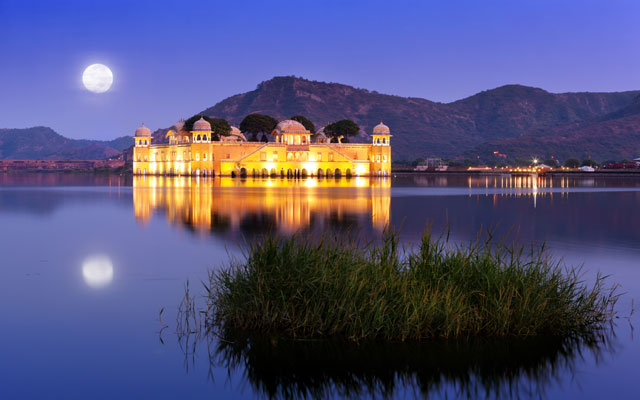
Dark days ahead for India’s tourism, travel and hospitality industry which has been forgotten in the government’s economic stimulus package; Jal Mahal, Jaipur pictured

Earlier, FAITH had proposed a dedicated interest and collateral-free long-term fund for salaries and operating costs, and a minimum 12-month waiver of fixed central and state statutory and banking liabilities without any penal or compounding interest.

These proposals have not been addressed.

TTG Asia understands that many companies have downsized due to cash flow problems or non-existent business. With this latest announcement, the industry risks bankruptcies and business closures, which could result in millions of job losses across the country.

“We will see a surge in mass employments and shutdowns in the industry because the road to recovery for tourism will be much longer compared to other sectors,” warned Ravi Gosain, managing director, Erco Travels.

Although domestic leisure and corporate travel may ease up post-lockdown, not much movement is expected due to new social distancing rules as well as concern for the vulnerable groups.

Philippine parks and attractions association pushes tech to rebuild business

0

Expecting industry losses to hit 600 million pesos (US$11.8 million) in three months ending June 15 due to the pandemic, members of the Philippine Association of Amusement Parks and Attractions (PhilAAPA) will adopt new technology and cashless transactions to win public trust and confidence anew.

In a webinar organised by the Tourism Congress of the Philippines, PhilAAPA president Mario Mamon acknowledged that it is difficult to recover losses and get back on track as the industry is “at the bottom of priorities because we are crowd- and group-enabling businesses and that’s the number one no-no for social distancing”.

Restricted visitor numbers and infection concerns will hurt revenue even as parks and attractions are allowed to reopen

Mamon, who is also president of Enchanted Kingdom, said they could learn from Shanghai Disneyland, which reopened on May 11 at 30 per cent capacity and with measures such as limited attendance with an advanced reservation and entry system where visitors could only buy admission tickets for selected dates while annual passholders had to make advance reservations. These measures ensured contactless guest interaction and kept long queues at rides and attractions at bay.

Mamon said Philippine attractions could continue to implement visitor temperature screening as well as introduce contact tracing and early detection using the QR code system that is common now in China.

PhilAAPA can also draw on Mamon’s wealth of information on basic protocols and guidelines for such situations, gleaned from the International Association of Amusement Parks and Attractions, of which Mamon was past president.

Elpidio Paras, president and CEO of Dahilayan Adventure Park in Bukidnon and Seven Seas Watermark and Resort in Misamis Oriental, said the company already has an ICT solution and an online ticketing system, and it is just a matter of implementation once the attractions are allowed to reopen.

Paras added that his attractions would implement an RFID wristband system which visitors can tap to pay.

As for contact tracing, he said he would have to consult with the Philippine Privacy Commission if his parks could get the address of visitors in case of Covid-19 infection, something that they never did in the past.

PhilAAPA members may also have to bring nurses onto premises, disinfectant chambers and other measures that the government may require.

With a reduced number of permitted visitors, PhilsAAPA members are determining how revenue will be impacted, and how to manage costs and operations so that the bottomline will still be positive.

PhilAAPA has about 40 members with 2,000 employees and make an annual gross income of three billion pesos.

Oakwood focuses on hospitality as pandemic brings more interest in long stays

0

The Covid-19 crisis has heavily impacted hotel businesses around the world, but for long-stay operator Oakwood, its stable occupancy rates have garnered greater attention from owners and developers.

Leaning into this interest, Oakwood announced last week its transition into solely developing its hospitality portfolio, with the corporate housing segment to be managed by its relocating solutions partner Dwellworks.

Schreiber: strong market potential for differentiated hospitality products in the serviced residences industry

Dean Schreiber, chief executive officer of Oakwood and managing director of Oakwood Asia Pacific, explained: “Our operating model has gained a lot of attention from owners and developers looking for solid returns on investment. This is particularly evident in the current Covid-19 pandemic, where we have seen the unprecedented closure of thousands of hotels around the world; yet at Oakwood, we have still been able to maintain stable occupancy rates at lower operating costs, and at the same time not having to sacrifice any service standards with this operating model.”

He added that the group has identified “market potential for differentiated hospitality products in the serviced residences industry”, and aims to sharpen its offerings across its six brands in order to appeal to the “savvy corporate executives at different life cycles”.

With its new direction, Oakwood plans to double its portfolio of managed properties by 2025. Destinations in the pipeline for Asia-Pacific include Beijing, Foshan, Melbourne, Phnom Penh, Jakarta, Yokohama, Kyoto, Yangon, Bangkok, Manila and Ho Chi Minh City; as well as Dubai and North America’s Seattle, Philadelphia and San Francisco.

Schreiber expressed that although its opening schedules are expected to be delayed due to disrupted construction across Asia, he believes that “some of these projects catch up” as governments have begun to reopen some sectors of economies.

“We anticipate the opening of the next Oakwood property in the third quarter of 2020, followed by quick successions in the months ahead. Once travel restrictions are lifted, I am confident that more projects will be added to the list above,” he confirmed.

The pandemic has spurred the group to enhance its hygiene and sanitation measures across its properties, and guests can expect “a series of creative solutions” that will elevate Oakwood’s service standards in the age of the “new norm of travel”, revealed Schreiber.

Southern Kansai campaign draws strong interest in China

0

A destination marketing campaign implemented earlier this year by a Chinese digital marketing company and Japan International Economic Development Organisation (JIEDO) to draw Chinese travellers to Osaka and Wakayama has attracted stronger than expected interest.

iClick Interactive Asia Group, which is involved in the campaign, said the activity has drawn 49,845 likes, comments and shares – 97 per cent more than expected.

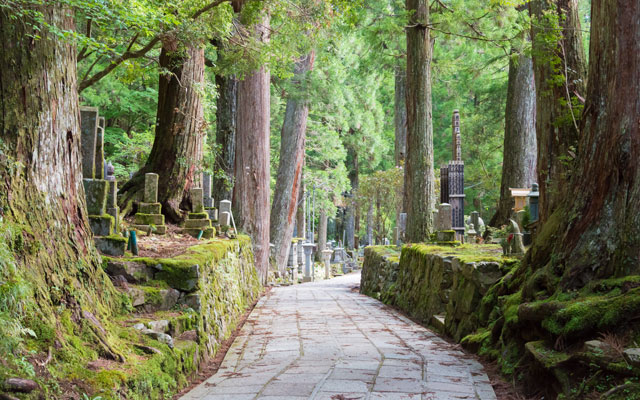
An online destination marketing campaign for Osaka and Wakayama (pictured) that targeted Chinese travellers was a success

A total of two million views were registered across the campaign, according to iClick.

To promote the southern Kansai destinations, iClick worked with Chinese online influencers to come up with videos featuring attractions in Osaka and Wakayama, as well as itineraries tailored to travellers’ needs.

Additionally, the influencers strategically promoted top-of-mind awareness of holiday car rentals as a convenient mode of transport around the region, due to its developing transport networks.

The two partners also tapped on travel websites such as Ctrip as well as a range of Chinese social media, including content-based platforms Tiktok, Weibo and Xiaohongshu, to engage Chinese travellers.