

Singapore rolls out Covid-19 insurance for inbound travellers
Inbound visitors to Singapore can now buy travel insurance coverage for Covid-19-related costs incurred during their stay here, Changi Airport Group (CAG) and Singapore Tourism Board (STB) said in a joint statement on Wednesday.
The statement was made on behalf of the Emerging Stronger Taskforce Alliance for Action (EST-AfA) on Enabling Safe and Innovative Visitor Experiences.
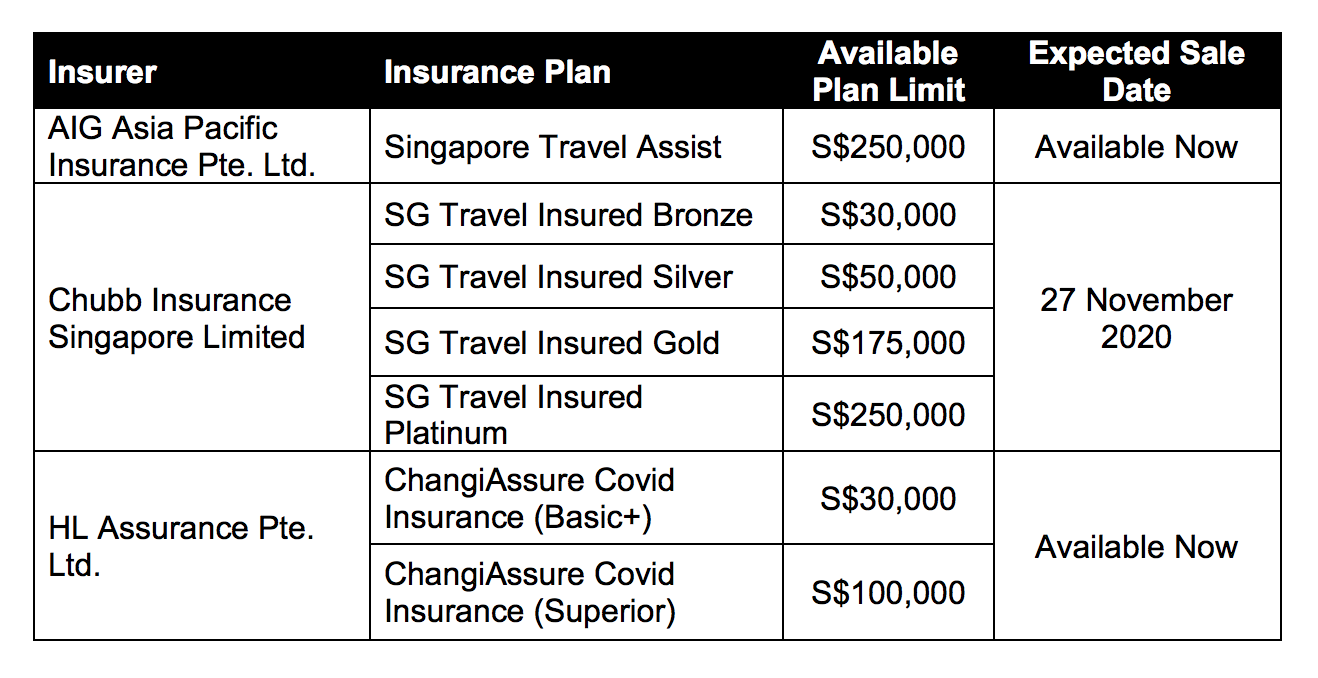
Under the plan, three insurance companies, namely, AIG Asia Pacific Insurance, Chubb Insurance Singapore and HL Assurance, have developed travel insurance products which provide at least S$30,000 (US$22,326) in coverage for Covid-19-related medical treatment and hospitalisation costs.
The minimum coverage amount is based on recommendations by the Ministry of Health, in view of Covid-19 bill sizes at private hospitals, which is where inbound travellers typically receive care for the virus.
Premiums for these inbound travel insurance plans start from S$5.35, inclusive of GST, and can be purchased directly from the insurers through their respective websites.
The insurance plans available are as below:
Under current regulations, inbound foreign travellers entering Singapore via the various safe travel lanes are required to bear the full cost of medical treatment, tests and isolation, should they be suspected of being infected with Covid-19, or require medical treatment for the virus while in Singapore. Hence, the travel insurance plans have been designed to help them cover some of these costs.
Lee Seow Hiang, Changi Airport Group’s CEO and co-lead of the Alliance, said: “We have been actively engaging the insurance community since August this year, through an Expression of Interest (EOI) exercise, to develop inbound travel insurance products as Singapore progressively reopens. We noticed such products were not available in the market, and wanted to encourage insurers to develop such products and offer them to travellers at a reasonable price.”
Ho Kai Weng, CEO of General Insurance Association of Singapore, which led the EOI exercise alongside CAG and STB, added: “With the gradual resumption of travel and the reopening of borders, having robust travel insurance options in place is integral to ensuring a successful and sustainable revival of inbound travel to Singapore. The general insurance sector is committed to providing travellers visiting Singapore the protection they need to travel here with confidence.”
Earlier in September, the EST-AfA on Enabling Safe and Innovative Visitor Experiences announced that it will be testing a prototype for safe tradeshows and exhibitions, as well as safe itineraries for event attendees. The new insurance products will complement this earlier work in resuming safe travel.
STB CEO Keith Tan said: “As we gradually reopen for safe travel, Covid-19 insurance coverage is a key enabler to rebuild traveller confidence and provide peace of mind. We are heartened that the public and private sectors have come together to provide solutions, and we look forward to more collaborations that will help Singapore lead the way as a safe, trusted and innovative destination.”
Travel demand bubbling over in China
The Covid-19 pandemic has not quashed the wanderlust of the vast majority, with most Chinese travellers ready to hit the road again once travel restrictions abate, according to a recent survey conducted by Hilton.
The study found that a majority of Chinese believe the pandemic has contributed to a travel memory deficit. As a result, they are already looking ahead to their next trip, hoping to create new travel memories. Of those surveyed, 91% of travellers say they plan to travel again once the travel restrictions ease and they can travel with peace of mind, while 46% say they will travel even more than before.
According to data from Trip.com, the Chinese tourism sector has witnessed a significant recovery during the recent October golden week National Day holiday, with hotel occupancies rebounding to approximately 80% of pre-epidemic levels. Hilton’s research reaffirms Chinese demand and enthusiasm for travel, indicating the growing optimism for the domestic travel market.
The survey was conducted by Hilton across 20 major cities in China. Among its findings is the travel memory deficit people are feeling, due in part to missed opportunities for special moments with loved ones. As such, a pent-up demand for travel is bubbling over: 60% of those who plan to travel again say they will stop putting off special trips they have always wanted to take and more than two-thirds (68%) of those looking to travel again will explore places they have never been to before.
Some 84% of Chinese travellers claim that missed travel opportunities due to the epidemic has denied them the possibilities to create new travel memories. Furthermore, 91% also say they feel they are deprived of the opportunity to create new travel memories they would have otherwise generated through their experiences interacting with different communities, cultures and ideas.
Recreating stories together is the key reason for their travel: 64% of consumers cite creating new moments with their friends, family and partners as their top reason for planning travel, followed by 49% who want to relax and 43% who are keen on discovering new cultures and cuisines. Meanwhile, being in nature remains a huge draw for travel among the Chinese, especially for those who are parents (53%) and Gen X’ers (56%).
A number of Chinese also travel for new inspirations: New ideas (24%) and lifelong memories (29%) were listed among the top gains from travel.
The Chinese are also keen to reconnect in their relationships through travel, with a staggering 95% of respondents believing that China is facing a travel opportunity deficit. Nearly a third (30%) consider travel as a great occasion for special moments with their loved ones, while 28% think it is a good way for families to relieve the increased levels of stress.
As well, Chinese travellers have an increased desire to travel in a responsible manner. The survey shows that many travellers value the impact they have on local communities, as 88% of them support buying local products and dining at local restaurants. A majority of travellers (88%) also consider their impact to the environment when they travel, especially Gen Zers (90%).
Zulkifly Md Said is Tourism Malaysia’s new director-general
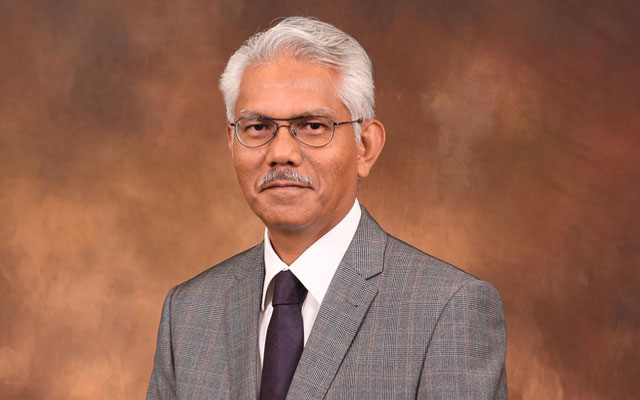
The Ministry of Tourism, Arts and Culture Malaysia has appointed Zulkifly Md Said as the new director-general of Tourism Malaysia, effective since November 11.
Prior to this, Zulkifly led the organisation as the deputy director-general of planning from November 2018. Whilst in the role, Zulkifly oversaw Tourism Malaysia’s principal division in strategic planning, domestic and events, production and package development, with overall responsibility for the operational function of state offices in Peninsular Malaysia including Sabah and Sarawak.
He joined Tourism Malaysia’s Administration Division in 1988 and rose through the ranks to become overseas director in Hong Kong in 1992 followed by Bangkok, Thailand (2000) and Istanbul, Turkey in 2004.
With over three decades of industry experience under his belt, Zulkifly has spearheaded multiple divisions at Tourism Malaysia, ranging from administration and finance, research and industry development to international promotions for South Asia, West Asia and Africa.
Zulkifly was seconded as director of Malaysia Convention and Exhibition Bureau in 2009 and director-general of Islamic Tourism Centre in 2013.
STB ropes in Trip.com to promote Singapore as skies reopen

The Singapore Tourism Board (STB) and Trip.com Group have signed a three-year MoU to jointly market Singapore as the destination of choice for travellers, and to enhance visitors’ experience in Singapore.
Leveraging Trip.com Group’s global network, as well as its ability to draw insights on traveller behaviour and needs from its large user base, the partnership will cover multiple areas of collaboration, from marketing and data analytics, to product and industry development.

As international travel gradually resumes, STB and Trip.com Group will embark on a series of joint marketing campaigns in several markets designed to attract visitors to the city-state. The campaigns will focus on markets such as mainland China, Hong Kong, South Korea and Thailand. These will be rolled out in phases based on the respective market’s readiness to travel and prevailing travel policies.
As well, STB and Trip.com Group will curate and deliver inspirational and engaging content via various media channels to showcase the Singapore destination story and to position Singapore as a safe and compelling destination of choice for travellers.
Both companies will also customise and promote a range of travel products, itineraries and experiences tailored to different types of travellers, including FITs and leisure groups from STB’s key target segments, as well as corporate and MICE visitors.
STB and Trip.com Group will also exchange insights on key traveller segments and regional travel trends with industry stakeholders in Singapore and key markets, in order to equip them with useful insights that can help them reach out to consumers more effectively and to enhance the visitor experience in Singapore.
This MoU marks the latest partnership between Singapore and Trip.com Group, which has recently set up its international headquarters (IHQ) in Singapore. Supported by the Singapore Economic Development Board, Trip.com Group’s IHQ will focus on marketing, sales, and research and development.
Sailing into a new world of safe cruising
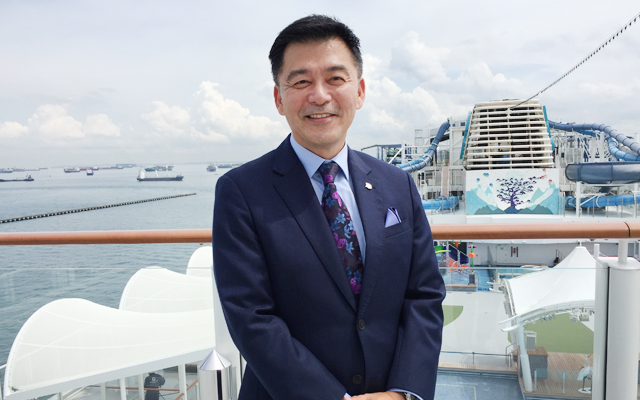
Ahead of World Dream’s restart of Singapore sailings, Genting Cruise Lines has invested in new equipment such as handwashing machines as part of its Covid-19 response. What are the costs associated with fulfilling Covid-safe regulations?
The costs now versus pre-Covid has actually increased by 40 per cent because we are using hospital-grade chemicals (for cleaning and disinfecting of premises), and also have an expensive PCR machine onboard the ship, among others.
Dream Cruises’ pilot sailings will comply with Singapore Tourism Board (STB)’s mandatory CruiseSafe certification programme, jointly developed with quality assurance and risk management company DNV GL. How will the cruise experience change as a result of these new protocols in the initial recommencement of sailings?
Obviously, there are certain things that are mandatory, like before passengers board the ship, they have to do the antigen test. And they have to follow the protocols of safe distancing, frequent washing of hands and all. So, these basic rules (on land) will apply onboard the ship. But many of these executions are done behind-the-scenes by the ship team, and our responsibility is to make sure that the guests have a good time.
What do you reckon poses the greatest hindrance or challenge to rebuilding the cruise tourism industry in Asia?
Of course, before (travellers) go on a holiday, the first thing that comes to mind is how safe it is. So, we need to get a very clear message across to the consumer that, in fact, cruising is one of the safest (forms of travel) with so many precautionary measures in place.
The second part is for us to continue to demonstrate to (potential cruisers) that their holiday experience is not being compromised (even with Covid-safe measures). When you talk about staycations in Singapore, you basically stay in the hotels and go to the pool and all that. But onboard the cruise ship, we are providing (guests) with an integrated experience, meaning that their (meals) are being looked after and shows are being included. I think the beauty about cruising is that families or friends are able to spend quality time together. So that element – and attractiveness – of cruising has not changed.
According to a recent online poll conducted by a local media outlet, nearly half of the 1,000 respondents expressed a lack of confidence about new safety protocols rolled out on cruises to nowhere. What more can be done by the cruise and tourism industry, including travel agents, to dispel wrong mindsets and convince this segment of the public about the safety of cruising?
By setting the example of (being the world’s first cruise brand to resume post-pandemic operations in) Taiwan, and having completed 37 cruises taking 47,000 passengers, (we have showcased) a testimonial of consumers’ confidence. And with an overall rating of 4.7 over 5 (in terms of passenger satisfaction), it also represents that their experience is good. So, now with the restart of cruising in Singapore, we want to convey a positive message to the consumers here and around the world, and regain cruise confidence.
During this time, we also continue to train our travel partners – through webinars and various cruise forums that have taken place in Singapore recently – because travel agencies continue to be one of our important booking channels… Also, if you go to our social media platforms, you will see that we (feature) many bloggers who continue to blog about the beauty (of cruising) and how enjoyable it is.
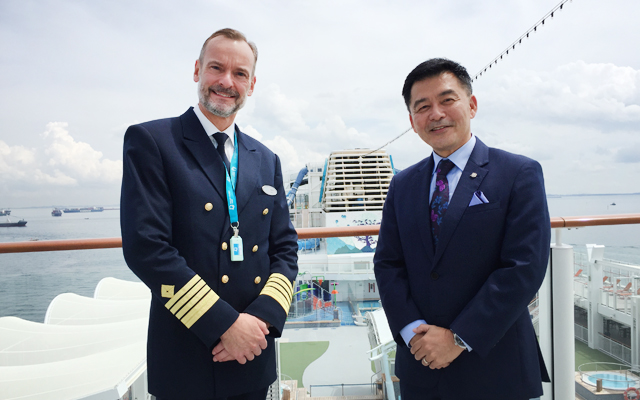
Will there be any difference between the protocols onboard the Taiwan sailings versus the Singapore Seacations?
Whether in Singapore or Taiwan, besides the international (safety) standards, we also have to comply with local requirements. So, there are some differences between (cruise safety protocols in) Taiwan and Singapore. I think Singapore has a very complex system, and the various ministry task forces have joined hands with STB to work with us to provide guidelines and advice, and also look at how they can marry our operating procedures together with hygiene protocols to provide a safe environment.
What are some of the key takeaways that the cruising industry has learnt from managing this global crisis over the past ten months?
In any business, including the cruise business, we always got to review and implement. What works today might not tomorrow. Like, for example, today, we do the antigen test. Maybe in a couple of weeks, if there is a new method of testing that is effective and more comfortable for guests, we will change immediately. The strength of Dream Cruises or Genting Cruise Lines is our ability to adapt to changes very quickly. I think this is really very important in today’s business environment. We just got to be vigilant all the time.
These pilot cruises will pave the way for a broader resumption of cruising activities. Looking ahead, what does Genting Cruise Lines have in store for when travel restrictions eventually ease?
Cruises to nowhere is not anything new because during pre-Covid times, we also have cruises to high seas. But what is different now is that we cannot call into other ports, and people have been locked down for a long time. So, they really want a holiday. Staycation doesn’t answer to their (desire for a vacation). But the Super Seacation will, because when the ship sails off, it gives you the feeling that you are really going on a holiday. Before Covid, one may have gone on holiday four times a year. But if I were to ask you now: “Where have you gone on holiday in the last ten months?” Nowhere, right? So that really changes the landscape in terms of a holiday concept.
But we can’t be running these cruises to nowhere forever. When the situation improves, we will go back into the regional and global cruising market – and we believe that will be in the near future.
Technology key to boosting Singapore travellers’ confidence

As more countries reopen their borders for tourism, technology plays a crucial role in driving recovery, by addressing travellers’ concerns around mixing with crowds, social distancing and physical touchpoints.
That is among the key findings of a recent study commissioned by Amadeus, and conducted in late September 2020 by research firm Censuswide, to gain more insight into how the travel industry and governments can work to rebuild traveller confidence in the post-Covid era.

The study sought to learn more about travellers’ top concerns and what types of technology would help travellers feel safe and comfortable enough to travel and help spur recovery of the travel sector.
Informed by 6,074 travellers across Singapore, India, France, Germany, the UK and the US, the study found that technology plays a crucial role in supporting recovery, as over four in five (84%) travellers said technology would increase their confidence to travel.
Approximately 1,000 respondents came from Singapore. On what would make them more likely to travel, availability of full information at point of search, booking and just before travel was the most selected (56%) option among respondents in Singapore to address concerns, followed by a contactless experience at hotels (52%) and contactless payment experience throughout the journey (51%). On the other hand, remote baggage check-in was the technology least selected (23%).
Contactless experiences are the most likely technology to assure business travellers, with over half (53%) selecting a contactless experience at hotels, followed by 40% for contactless payment experience.
When thinking about what people would like technology to do, protecting financial data is a higher concern for younger generations (45% for Gen Z vs 37% for Gen X), while reduction in queues and congestion is higher for older generations (50% for Baby Boomers vs 39% for Gen Z). When it comes to sustainability, technology that helps to reduce the environmental impact of travel is more important to the younger generation (24% for Gen Z vs 13% for Baby Boomers).
Mobile applications to provide on trip-notifications and alerts is the most selected technology to increase confidence for 57% of Singapore travellers, followed by a contactless payment experience (54%) as well as mobile boarding and self-service check-in (both 48%).
Notably, the survey found that technology receptiveness and preferences differ by country and demographic, underscoring the importance of personalisation in gaining traveller trust.
On average across all countries surveyed, almost half (47%) of Baby Boomers said they would need to be able to socially or physically distance throughout the journey, compared to less than three in 10 (27%) of Millennials. This is similar to Singaporeans, as almost two-thirds (58%) of Baby Boomers are concerned about limiting the number of passengers on a plane to reduce contact, while visibility of sanitisation, hygiene and safety measures were the highest priority for nearly half (47%) of Millennials.
Contactless and convenience is clearly important for Singaporean travellers, with 46% saying they would like touchless/contactless payments to be accepted around the world while 44% would like one universal digital traveller identification on their mobile phone. Global travellers valued these less highly (37% and 33% respectively).
In addition, over half (52%) of travellers in Singapore selected contactless experiences at hotels as a technology that would make them more likely to travel, while globally, this was only selected by 39% of travellers.
A quarter (25%) of UK travellers and just over a quarter (26%) of US travellers said they’d most like technology to reduce the need for them to have physical documents. This is a higher priority for Singaporeans, with 34% selecting this, and business travellers (38%) valuing it more highly than leisure travellers (32%).
An effective test, track and trace programme is also a high priority for almost half (45%) of Singapore travellers to feel comfortable travelling again. Indian travellers (40%) and UK travellers (38%) also ranked this highly, whereas German (29%), US (28%) and French travellers (26%) valued this less.
For French travellers, automated cleaning processes (36%) were the most popular of the suggested technology options, whereas Singaporeans’ most popular choice was for mobile applications that provide on-trip notifications and alerts (57%, as mentioned above).
Overall, the three biggest things Singaporean travellers wanted from technology were for it to reduce queues and congestion in public spaces (45%); ensure the accuracy and effectiveness of national test, track and trace programmes (39%), as well as protect financial data and personal information (37%).
Ultimately, survey results show that some of the top ways to rebuild traveller confidence in Singapore include providing access to flexible change, cancellation policies and payment terms (50%); offering access to effective test, track and trace programmes (45%); as well as ensuring that travellers are able to physically distance themselves throughout the journey (45%).
Mieke de Schepper, executive vice president, online travel and managing director, Asia Pacific, Amadeus, said: “Asia-Pacific is expected to be at the forefront of tourism recovery globally, with both regional and domestic travel being popular for leisure and business trips.
“Signs of a gradual recovery are promising with countries slowly opening their borders, including Singapore, which has formed a travel bubble with Hong Kong, and has recently opened its borders to travellers from Brunei, New Zealand, Vietnam, Australia and mainland China.
“These early indications of green shoots highlight the need to collaborate across the industry, private and public sector, as well as governments, on how best to develop technology and accelerate adoption if we are to encourage travel and consumer confidence, and in turn, drive global prosperity.”
Wyndham plants TRYP flag in New Zealand

Wyndham Hotels & Resorts will be bringing its TRYP by Wyndham lifestyle brand to New Zealand with the development of two new hotels: the 212-room TRYP by Wyndham Remarkables Park Queenstown and the 76-room TRYP by Wyndham Tory Street Wellington.
Under development by Safari Group, Wyndham’s longstanding franchise partner in New Zealand, the design-centric hotels are the latest in a series of new projects for Wyndham’s growing lifestyle brand.
Expected to start construction in late 2021 with plans to open in 2023, TRYP by Wyndham Remarkables Park Queenstown will feature a collection of 212 guestrooms and serviced apartments boasting panoramic views of the mountains and ski slopes, alongside a range of F&B options as well as social spaces.
Situated just a two-minute drive from Queenstown Airport and seven minutes from Queenstown’s CBD, the hotel will form part of the mixed-use development precinct Remarkables Park, which will also offer upscale residences, retail outlets, restaurants and office space.
Meanwhile, TRYP by Wyndham Tory Street Wellington will commence construction early next year and is expected to open in March 2022. Located a five-minute walk from Cuba Street’s famous entertainment strip of restaurants, bars and vibrant nightlife, the 76-room hotel will offer conference spaces, a fitness room, and a rooftop deck and spa.
New Oasia Resort in Sentosa among FEH’s trio of new hotels set for 2021 opening
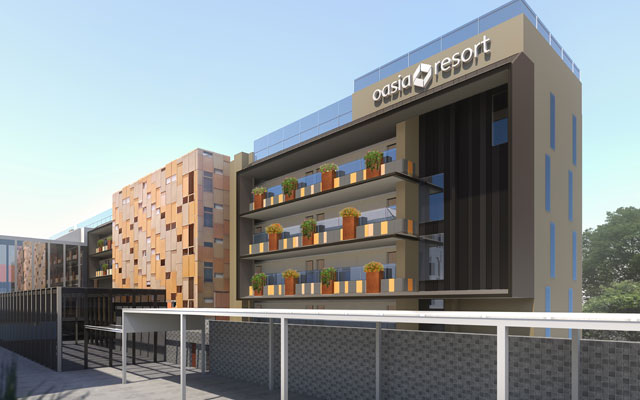
Far East Hospitality (FEH) will forge ahead with its expansion plans, with three properties – Oasia Resort Sentosa, Far East Village Hotel Yokohama, and Quincy Hotel Melbourne – set to open next year.
Slated for opening in 2Q2021, Oasia Resort Sentosa will be the fourth property on Sentosa island managed by FEH. Under a hotel management agreement (HMA) signed with Far East Organization (FEO), FEH will be responsible for the hotel’s operations, and sales and marketing functions.
Marking the brand’s first foray into the resort and spa category, the 191-key property will comprise Suites, Wellness Premier Rooms, and Deluxe Rooms. Guests will be able to experience a wellness lifestyle spanning from spa treatments to healthy eating and mind-body practices. Wellness journals, self-care checklists, and a collection of guided meditation audio are among the items that will be made available to guests during their stay.
Also set to open in 2Q2021 is Far East Village Hotel Yokohama, the company’s second venture into Japan, following the opening of Far East Village Hotel Ariake in July. The 277-key property will be managed by FEH under a HMA with FEO.
Situated in the heart of downtown Yokohama, the property targets business travellers. It is a five-minute drive to the CBD and a three-minute walk to Sakuragicho and Kannai stations.
Elsewhere, its third property, Quincy Hotel Melbourne, is set to open in 1Q2021. The HMA is signed with InterGlobe through FEH’s joint venture company, Toga Far East Hotels in Australia, marking the Quincy brand’s first expansion abroad.
Located at the top of Flinders Lane, the hotel will comprise its signature restaurant serving South-east Asian cuisine, a lounge, as well as a rooftop pool with views of Melbourne CBD and the nearby lifestyle precinct.
Herman Kemp helms Hyatt Regency Phnom Penh

Hyatt has appointed Herman Kemp as general manager of Hyatt Regency Phnom Penh, which will become the first Hyatt Regency hotel in Cambodia when it opens in 1Q2021.
A Dutch national with extensive experience in South-east Asia, Kemp will also oversee the pre-opening of the 247-room property.

With more than 20 years of hospitality experience, Kemp’s career has taken him to hotels and resorts in The Netherlands, Indonesia and Cambodia. Most recently, he was general manager of Park Hyatt Siem Reap from 2016 to 2019, before relocating last year to lead the new Hyatt Regency Phnom Penh.
Kemp commenced his hospitality career as a marine hotel operations controller with the Seattle-based cruise company Holland America Line. Over the next 12 years, he held various F&B and management roles at Le Meridien, Sofitel and Carlton hotels, all in The Hague. In 2012, Herman was appointed general manager of Aryaduta Medan in North Sumatra, Indonesia before moving in the same role to The Edge Bali in 2014.






The Singapore Tourism Board (STB) is partnering with Paris&Co, Paris’ economic development and innovation agency, to develop the tourism sectors in Singapore and Paris through exchange programmes between start-ups and information sharing.
The first-of-its-kind agreement between Singapore and France seeks to promote the development of tourism start-ups and accelerate the development of the tourism sectors in both cities.
As part of its digital transformation efforts, Singapore has been supporting its companies across various sectors to build their technology and innovation capabilities. STB launched the Singapore Tourism Accelerator last year to refine and test-bed innovative solutions that could benefit Singapore’s tourism sector.
The Accelerator has set up a highly selective six-month programme that provides the most promising young technology companies with mentorship and opportunities to pilot their solutions.
Building on these previous experiences, the Singapore Tourism Accelerator is at the heart of the collaboration between the STB and Paris&Co.
Paris&Co promotes the dissemination of innovation through the incubation of more than 500 French and foreign start-ups per year through 15 innovation platforms. One of them, called Welcome City Lab, is dedicated to urban tourism and includes the world’s first incubator specifically dedicated to this sector.
As such, STB and Paris&Co sought to explore the possibilities of partnership between the Singapore Tourism Accelerator and the Welcome City Lab. Under this partnership, Singapore Tourism Accelerator alumnus Bakuun.com has been accepted as a member of the Welcome City Lab innovation platform, allowing the UK-based start-up to gain direct access to the travel tech ecosystem in Paris and scale internationally.
Poh Chi Chuan, acting chief technology officer, STB, said: “Covid-19 has changed the way the tourism business works globally. Tourism organisations need to work even closer together than before to come up with innovative solutions to address the challenges brought about by the pandemic. The partnership with Paris&Co will allow us to build connections between our respective tourism ecosystems and facilitate the flow of ideas and co-innovation.”