Hard Rock International has appointed Murray L. Aitken as the general manager of Hard Rock Hotel Desaru Coast, situated in the Malaysian state of Johor.
Boasting 30 years of hospitality experience, Aitken will lead the team in driving strategies for continued growth and implementing programmes that prioritise guests’ health and safety during their stay.
In his previous stint with Six Senses Hotels Resorts Spas, Aitken played an integral role in opening the company’s first-ever luxury urban properties in Singapore’s Chinatown.
Aitken’s portfolio also includes running his own hospitality consulting and advisory company, as well as helming leadership roles with various luxury hotel groups around the world, including Raffles in South-east Asia, Rosewood in Indonesia, and several properties across South Africa.
General Hotel Management (GHM) has moved Ilkin Ilyaszade into place as vice president of operations and pre-opening services.
He will oversee the development of up-and-coming properties such as The Chedi Aquarius Koh Chang, Thailand and The Chedi Khorfakkan, UAE.
An Azerbaijani national, Ilyaszade is a seasoned Asia hand, having opened 10 hotels and resorts across Asia and the Middle East for Banyan Tree and Pan Pacific over the past 15 years.
As resort manager, he led the Four Seasons Resort at Jimbaran Bay in Bali – the brand’s flagship and largest operation. Prior to that, he spent 11 years with Banyan Tree, in the Maldives, Thailand, Sri Lanka and Singapore.
Agoda has partnered with Singapore-headquartered “buy now, pay later” technology company Atome to offer flexible instalment payment options for accommodation bookings across the region.
The scheme has initially been made available in Singapore and Malaysia since December 21, and will be expanded to include eight additional markets in South-east Asia and Asia-Pacific this year.
Under the partnership, travellers can pay for their accommodation bookings on the Agoda website or mobile app in three interest-free instalments by selecting Atome at checkout.
Agoda vice president of commercial finance, Darren Makarem, said the new tie-up allows travellers “who might have previously found it inconvenient to pay for their booking in one lump sum to spread the costs over multiple payments”.
Launched in December 2019, Atome now partners over 2,000 online and offline retailers across verticals such as fashion, beauty, lifestyle, homeware and travel.
The Indonesian government’s decision to ban all international arrivals for two weeks starting January 1 amid concerns over the new Covid-19 strain has triggered fears among trade players on the ensuring hit to demand recovery for the country’s tourism.
Foreign affairs minister Retno Marsudi, who announced the temporary ban on December 28, said foreign officials at ministerial level and above were exempted from the ban, but they had to go through strict health protocols.
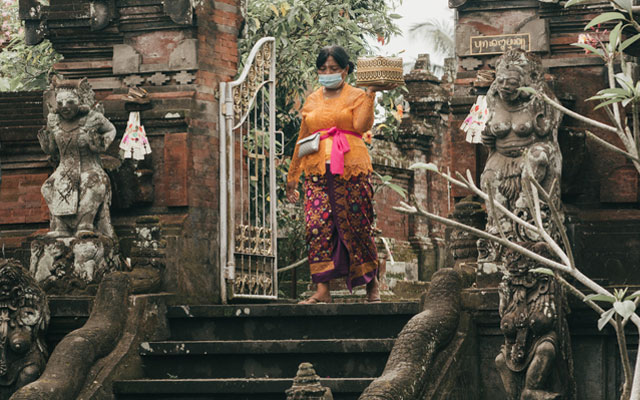
International visitors are barred from entering Indonesia for two weeks as the country seeks to prevent the spread of a new coronavirus strain; a Balinese wearing a mask to prevent virus spead in Bali pictured
Businesses like Pegasus Indonesia Travel have taken a hit from the entry ban. Its CEO, Jimmy Saputra, said December to February was traditionally the peak season for travellers from Russia and other CIS countries to visit Bali. He said the ban had prompted 10 Russians who had planned to visit Indonesia in January to cancel their business trip, and another 15 to reschedule.
Daniel Nugraha, director of Exotic Java Trails, was concerned that the temporary ban would be extended. Covid-19 had forced his inbound clients to push their 2020 travel plans to 2021, and he feared a second postponement could spark a wave of cancellations.
With the entry ban in place, travel companies are pinning their hopes on domestic tourism to revive business, according to Wisnu Arimbawa, managing director of GD Tour Bali.
He, therefore, expects the government to create conducive policies to support the recovery of businesses. He cited the case of the government’s last-minute announcement made just before the Christmas holiday requiring domestic tourists to present a negative polymerase chain reaction (PCR) or antigen test result, instead of rapid test, when entering Bali. The additional costs incurred, especially significant for family travellers, had led to some guests cancelling their holidays.
Bali was at risk of losing up to 967 billion rupiah (US$68 million) due to airfare refund demands from domestic tourists following the sudden announcement of the test result requirement, according to Hariyadi Sukamdani, chairman of Indonesia Hotel and Restaurant Association.
Moving into 2021 – it’s clear that the innovation, creativity, and resilience of our industry is stronger than ever – so we’re looking ahead to the future, and the third edition of Further East, Asia’s most innovative travel show.
History tells us that brands who invest wisely in their business marketing during a crisis emerge victorious over those who retreat and wait for the storm to pass.
So if you’re an exclusively high-end property or a buyer who specialises in sending high-net-worth clients to Asia, you need to be in Bali this November – joining only a curated selection of like-minds to invent the future of the continent, together.
Applications open in January. Register your interest below…
The Shangri-La Group is now offering free Covid-19 insurance coverage to international guests staying in any of the brand’s four hotels in Singapore from now through June 30, 2021.
Underwritten by AIG, the insurance will cover up to S$250,000 (US$189,860) in emergency medical expenses, should the guest test positive for Covid-19 during their stay. The policy also covers additional accommodation (room only) and travel expenses, should the guest need to extend their stay for medical reasons.
International guests can enjoy free Covid-19 insurance coverage when they stay at any of Shangri-La’s hotels in Singapore, including Shangri-La Hotel Singapore (above)
Guests can also contact a dedicated AIG customer service team for assistance if they are diagnosed with Covid-19 during their stay in Singapore. They will also have access to round-the-clock emergency travel assistance during their trip.
Currently, the Covid-19 medical coverage is only available to international guests entering Singapore under the reciprocal green lane or on the air travel pass scheme.
Chan Kong Leong, regional CEO for the Shangri-La Group in Southeast Asia & Australasia, said: “We have chosen to start with the Singapore market as the Singapore government has been proactively relaxing travel restrictions in a gradual and calibrated manner and has highlighted Covid-19 insurance coverage as a key enabler to rebuilding traveller confidence.”
To qualify for the Covid-19 coverage, guests have to book their stays through the hotel’s official website or mobile app. They can also do so via the reservations hotline and email directly to the hotel group.
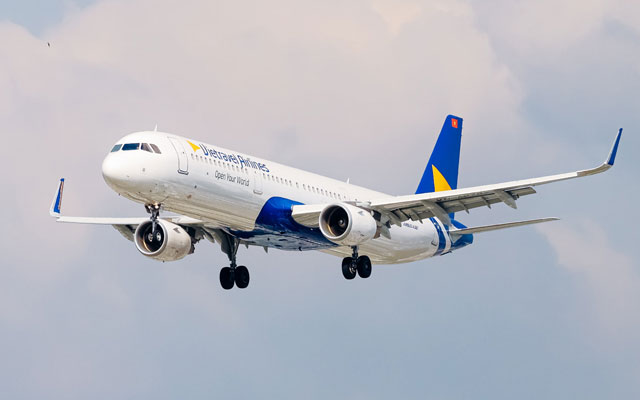
Vietravel Airlines has been given the green light by the country’s aviation authority to begin operating commercial flights, with plans to take to the skies in mid-January.
The airline has begun selling tickets since January 1. With a hub in Phu Bai International Airport near Hue, Vietravel Airlines will initially operate services to Hanoi and Ho Chi Minh City, before expanding to major tourist destinations like Nha Trang, Danang and Dalat, reported VnExpress. It also plans to fly to South-east Asia, North-east Asia and the Middle East.
Vietravel Airlines, Vietnam’s sixth carrier, will begin flight operations this month
The airline has taken delivery of its first 220-seat Airbus A321 plane and is due to receive two more before the peak Lunar New Year travel season, according to the report. As well, it has hired some 200 pilots and flight attendants, and plans to expand its fleet to 30 for international operations.
Joining Vietnam Airlines, Vietjet Air, Pacific Airlines, Vietnam Air Services Company and the Bamboo Airways, Vietravel Airlines is the sixth air carrier in launch in the country, amid the ongoing Covid-19 pandemic that has posed unprecedented challenges to the aviation industry.
The Tourism Authority of Thailand (TAT) has successfully concluded the Amazing Thailand Health and Wellness Virtual Trade Meet 2020, aimed at promoting the country’s health and wellness sector amid ongoing pandemic-induced travel restrictions.
The three-day event, which ran from December 15 to 17, was attended by 49 Thai suppliers and 82 buyers hailing from 27 countries.
The Covid-19 pandemic has heightened demand for health and wellness tourism
Yuthasak Supasorn, TAT governor, said: “Due to the current challenging conditions during the Covid-19 pandemic, TAT has taken this opportunity to promote Thailand’s health and wellness industry. People are now more health-conscious that ever before, and Thailand is among the world’s top destinations that international tourists want to visit once the situation improves. (It also helps that) the country is globally recognised for its effective Covid-19 preventive control measures.”
The Amazing Thailand Health and Wellness Virtual Trade Meet 2020 allowed Thai health and beauty tour operators to highlight new products and services in Thailand, and connect with potential international partners.
The event boasted two main activities: a virtual trade meet with pre-scheduled appointments in three time zones, plus informative webinars including The Future Trends of Health and Wellbeing Economy: Wellness Tourism Trend 2021 session led by the director of Baramizi Lab.
TAT offices in Moscow, New Delhi and Chengdu also provided market insight updates on health and wellness pertaining to the Russian, South Asian and Chinese markets. Elsewhere, the president and CEO of the Wellness Tourism Association of Canada, in conjunction with the TAT Toronto Office, shared market insights on the North American wellness traveller.
The Department of Disease Control provided updates on key measures taken to tackle Covid-19, while the Department of Health Service Support shed light on the state of wellness quarantine in Thailand. As well, TAT provided further details on the Amazing Thailand Safety and Health Administration.
Destination updates from Phuket, Samui, and Krabi, alongside presentations from the Spa Association and the Private Hospital Association of Thailand, formed the rest of the event content.
The High Speed Rail (HSR) project between Singapore and Malaysia has been terminated, after both countries failed to reach an agreement on changes sought by Malaysia due to the economic fallout from the pandemic.
The announcement was made in a joint statement by the prime ministers of both countries on Friday (January 1), following their meeting via videoconference on December 2, 2020 to review the status of the HSR project, including changes proposed by Malaysia.
Malaysia to compensate Singapore for costs incurred in the Singapore-Kuala Lumpur rail link project following its termination
“In light of the impact of Covid-19 pandemic on the Malaysian economy, the government of Malaysia had proposed several changes to the HSR project,” read the joint statement by the leaders.
“Both governments had conducted several discussions with regard to these changes and had not been able to reach an agreement.”
Following the termination, Malaysia has to compensate Singapore for costs already incurred, said Singapore’s Transport Ministry.
Singapore and Malaysia had signed the Kuala Lumpur-Singapore HSR Bilateral Agreement in 2016. In September 2018, both parties agreed to postpone the construction of the HSR until May 2019.
In June 2020, Singapore’s then-transport minister, Khaw Boon Wan, announced that Malaysia had requested for another seven-month extension to allow both countries to discuss Malaysia’s proposed changes to the project. Both parties had also agreed then to a final extension of the suspension period to December 31.
The proposed rail link would have cut travel time between Singapore and Kuala Lumpur to 90 minutes, as compared to over four hours by car.
Following a nine-month-long travel ban imposed due to the pandemic, Sri Lanka reopened its borders to international visitors on December 28, with the first arrivals being a group of Ukrainians in a series of charters initially under a pilot project before the country opens fully for commercial travellers.
Under the pilot project, nearly 3,000 tourists from Ukraine will visit the country, coming in batches of around 200 per flight onboard Ukrainian Budget Carrier SkyUp Airlines which is operating flights to Mattala Rajapaksa International Airport, the country’s second international airport located on the southern tip of Sri Lanka.
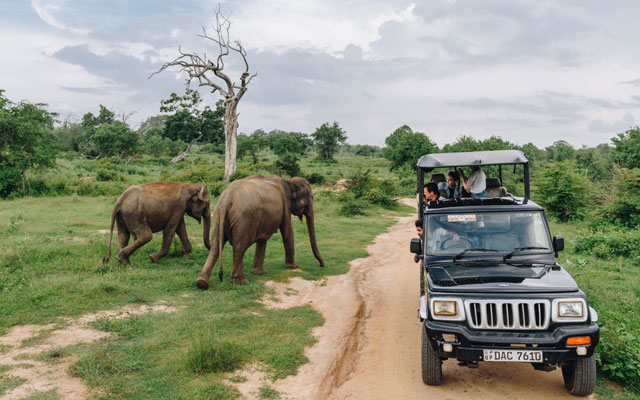
Sri Lanka welcomes its first tourists on chartered flights to test its system before reopening fully to international visitors; tourists in jeep snapping photos of elephants at the Udawalawe National Park in Sri Lanka pictured
The 12 flights will operate till January 19, after which the authorities will review the progress of the scheme before deciding when to reopen the borders for visitors from other countries.
The first flight landed on December 28 with 180 passengers, the second the following day with 204 passengers, and the third on January 2 with 172 passengers. The visitors are travelling under a bio-bubble with limited contact with the local community to avoid Covid-19 infections. Five visitors, arriving on the first flight, had tested positive for Covid-19 and were transferred to treatment centres.
Sri Lankan tourism authorities have been pushing to reopen the country to tourism, a key sector in the country’s economy, but the process has been repeatedly delayed in the absence of a go-ahead from health officials.
Tourism minister Prasanna Ranatunga told a local newspaper that stringent measures were being taken to prevent the tourists from coming into contact with the local community. “They travel as a group wherever they go and will not be exposed to any civilians,” he said, adding: “They are always under supervision.”
The charters from Ukraine had been arranged through the business contacts of Udayanga Weeratunga, a former Sri Lankan ambassador to Russia, who is a cousin of prime minister Mahinda Rajapaksa and an influential member of the current administration. Local media have accused the former ambassador of ignoring health protocols by arranging accommodation in hotels, which have not yet been given the Covid-19 certified status by the state’s tourism agency Sri Lanka Tourism Development Authority. Visits to national parks and other places of interest are also allegedly violating health protocols, the local Sunday Times reported.
According to earlier health guidelines issued pursuant to the opening of the Mattala airport for tourism, every tourist must produce a negative Covid-19 report taken 72 hours before arrival. They will also need to take a polymerase chain reaction (PCR) test at the hotel upon check-in, and another PCR test five to six days later if they are staying for over a week.
Tourists will also be required to stay in one resort for one week before being allowed to move to another resort or hotel if their stay extends beyond that period. They will be allowed to move around in restricted areas which have been cleared by the authorities.
As of January 3, Sri Lanka has reported 44,371 Covid-19 cases and 211 deaths.


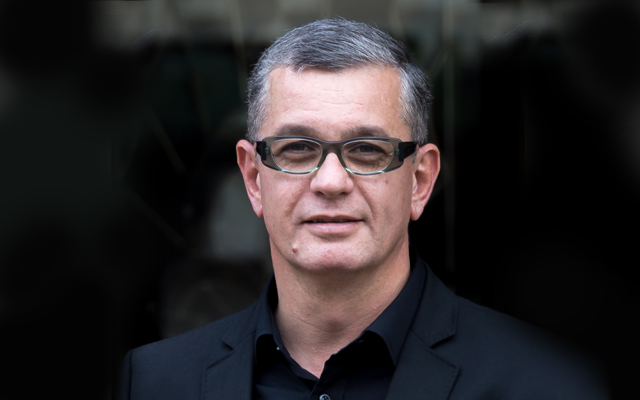

 An Azerbaijani national, Ilyaszade is a seasoned Asia hand, having opened 10 hotels and resorts across Asia and the Middle East for Banyan Tree and Pan Pacific over the past 15 years.

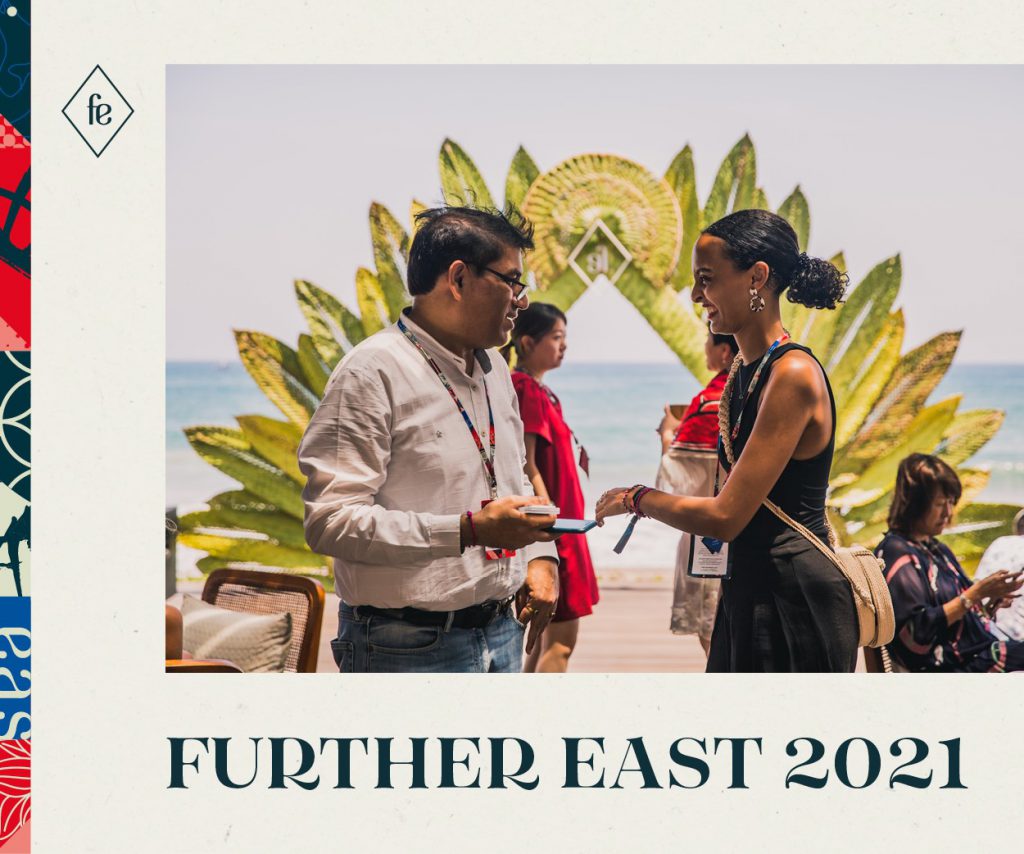
 FURTHER EAST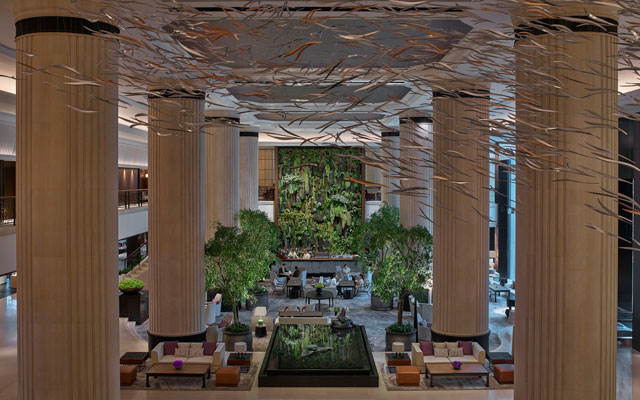










Agoda has partnered with Singapore-headquartered “buy now, pay later” technology company Atome to offer flexible instalment payment options for accommodation bookings across the region.
The scheme has initially been made available in Singapore and Malaysia since December 21, and will be expanded to include eight additional markets in South-east Asia and Asia-Pacific this year.
Under the partnership, travellers can pay for their accommodation bookings on the Agoda website or mobile app in three interest-free instalments by selecting Atome at checkout.
Agoda vice president of commercial finance, Darren Makarem, said the new tie-up allows travellers “who might have previously found it inconvenient to pay for their booking in one lump sum to spread the costs over multiple payments”.
Launched in December 2019, Atome now partners over 2,000 online and offline retailers across verticals such as fashion, beauty, lifestyle, homeware and travel.