

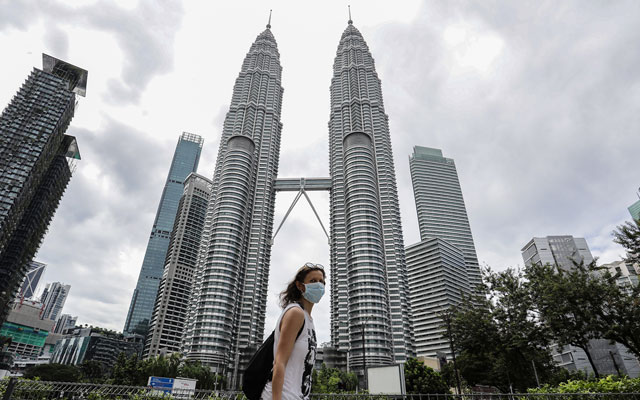
More than 40 per cent of budget hotels in Malaysia are on the verge of closing due to the ban on interstate travel coupled with the nearly year-long closure of the country’s border to foreign tourists.
Malaysia’s government on Tuesday extended by two weeks the country’s full second lockdown until February 18, as the country battles a surge in Covid-19 infections that has pushed the cumulative total past 200,000 cases.
Malaysia Budget Hotel Association (MyBHA) national deputy president, Sri Ganesh Michiel, said the association is preparing a letter of appeal to the Ministry of Tourism, Arts and Culture Malaysia to act fast on all issues that pose a threat to the survival of budget hotels in Malaysia. The document is expected to be sent out by next week.
A recent survey conducted last week revealed that many of its 2,300 members did not receive feedback from the government on the status of their applications for the since-concluded Wage Subsidy Programme 2.0, which ran from October to December 2020.
For the Wage Subsidy Programme 3.0, MyBHA is appealing to the government to extend the scheme from three to six months, and to increase the subsidy from RM600 (US$148) per employee earning below RM4,000 monthly to RM1,200, said Sri Ganesh.
The trade body is also asking the government to reduce electricity charges for hotels, and to increase and extend the 10 per cent electricity bill rebate until March this year as electricity is a high operating cost for hotels.
MyBHA’s appeal also calls on the government to keep to its promise of enforcing the Short Term Rental Act, which is a means of regulating short-term rental accommodations in Malaysia. Sri Ganesh explained: “Short-term rental accommodations are not regulated and are spoiling the market for hoteliers who are at a disadvantage as they have to adhere to many government regulations and licensing fees which hike the cost of doing business. There has been a long delay in enforcing the Act.”
In addition, MyBHA urged for an Act or law to restraint OTAs from charging high commissions on hotel bookings. Sri Ganesh said: “We are at their mercy as travel trends today see a growing number of bookings coming from OTAs. They charge hotels a commission of between 25 to 40 per cent on bookings made. We are asking the government to control the commission rates of OTAs and to not allow them to charge more than 10 per cent commission. Most OTAs are also based overseas, and this (practice) has a huge negative impact on our economy as our currency is going out of the country.”
With budget hotel rooms going for about RM60 to RM70 per night, coupled with sustained low occupancies amid Covid, a 40 per cent commission rate paid to OTAs will “make it very difficult for hotels to have the cash flow to maintain their facilities and sustain activities during these trying times”, Sri Ganesh added.
MyBHA will also reiterate its appeal to the government to mandate banks to automatically approve loan moratorium for six months, after their previous requests fell on deaf ears.
Sri Ganesh stressed: “We urge the government to take immediate action and to save the industry before it is too late, as many hotels are in the midst of retrenching employees as they are unable to pay wages and are struggling to pay utility bills, rental and bank loans.”

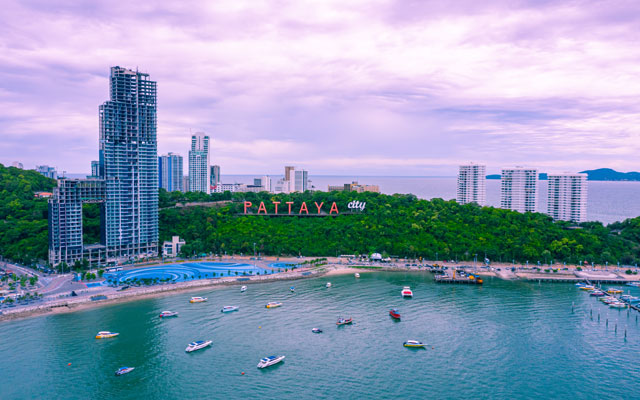












Although Covid-19 cases have steadily declined since mid-January in Chonburi province, Pattaya’s hotels still face a tough battle to claw back visitors ahead of the Lunar New Year holidays.
The province’s hospitality industry took a beating after being declared a maximum-control zone at the beginning of the year amid Thailand’s second Covid-19 outbreak.
Despite being downgraded from a Red Zone to an Orange Zone as of February 1, with pubs and entertainment facilities being allowed to reopen and serve alcohol until 23.00, the stigma of the outbreak and media reports about domestic travel restrictions continue to deter many would-be travellers to Pattaya.
“People need to know that they can travel safely, and that there are many benefits to traveling now; the hotels are empty, the prices are very good, and the beach in Pattaya is very clean,” said Vitanart Vathanakul, CEO of the Royal Cliff Hotels Group.
He doubts Pattaya hotels will be able to pick up significant bookings for the Lunar New Year period, which has been declared an official holiday in 2021 by the Thai government to catalyse domestic travel.
“The news that’s been published gives the impression that it’s hard to travel here, which is a pity because otherwise there would be more tourists. I would like people to know that Pattaya has fewer cases now; it’s no longer a Red Zone. You can travel, if you travel with caution,” he elaborated.
The mandatory lockdown in Chonburi province has adversely affected Pattaya’s hotels, many of which are empty. Some have opened food stalls on the streets with food from their restaurants to rake in extra cash to pay their staff.
Although hotels in Chonburi were issued a forced legal closure order on January 28, to give hospitality staff access to social security funds, hotels with checked-in guests and those who wished to stay open were allowed to do so if they notified the district chief within seven days.
“It’s good for the media to urge people to be careful, but the media can also play a key role in encouraging people to travel with caution, using social distancing and safe practices,” said Vitanart, whose hotels remain open and ready to welcome leisure tourists and business events.
In Orange Zones, meeting facilities can remain open and events with 300 pax or less are allowed.
“If you want to organise a meeting or event, consult your hotel to check on the situation. Many people don’t know that Pattaya has been taken off the high risk category, and that right now people who want to travel here can do so at very affordable prices. That way, hospitality providers gain income and their staff get paid; it’s a win-win situation,” he added.
Before Thailand’s second outbreak, the hospitality industry in Pattaya had recovered partially given its popularity as a self-drive destination and also with the support of the We Travel Together domestic subsidy programme.