TTG Asia
Asia/Singapore Thursday, 1st January 2026
Page 946

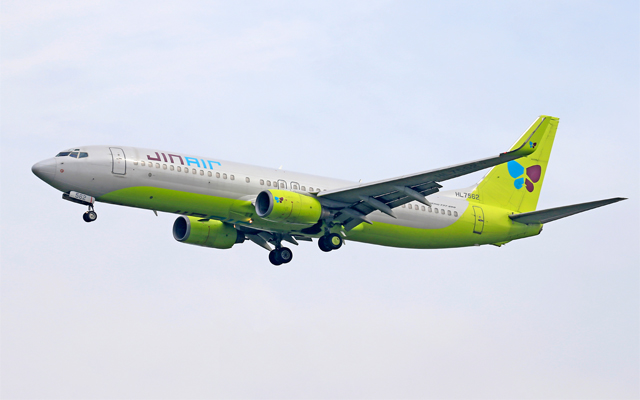
Korea’s Jin Air implements full suite of Laminaar Aviation’s ARMS solution

0

Singapore-based Laminaar Aviation Infotech’s implementation team has delivered its proprietary Aviation Resource Management System (ARMS) applications software solution to Korean carrier Jin Air.

The critical final phases of deployment were managed in the middle of the Covid pandemic, and delivered remotely from locations in India and Singapore, with not a single engineer or project manager on site in Seoul.
Korea’s Jin Air transforms airline operations with ARMS

Leading the engagement with Jin Air was Collins Aerospace Systems, the exclusive global reseller of ARMS.

Starting in 2019 with a stringent evaluation process, the team of Collins Aerospace Systems and Laminaar steered the Jin Air programme for over 15 months through its phases – of due diligence, customisations, testing and deployment – as planned and to expectation.

In the final weeks, with travel and mobility restrictions, the Laminnar delivery team had to work from their homes in Bangalore and Mumbai. Critical pieces, like user acceptance test closure, data ingestion, parallel run, cutover and go-live, were all delivered in the four weeks of complete lockdown in India, Singapore and South Korea.

The solution mix for Jin Air is a combination of ARMS stand-alone modules, namely Commercial Planning, Flight Operations, Crew Management, and the Load and Trim feature from the Flight Planning & Dispatch module.

The airline is also using Laminaar’s tablet-based ARMS on the TAB components: Electronic Flight Bag, Electronic Flight Folder for the flight crew, and the ARMS on Mobile smart mobile interface for the workforce.

Clotilde Enel-Rehel, general manager for commercial aviation and network services for Collins Aerospace, said: “A more connected and intuitive system enables an airline to become more efficient in resource management and effective in strategic decision making. It is more important than ever that we support our customers to ensure that critical operation data gets transmitted in a timely and accurate manner.”

Jung-ho Choi, CEO of Jin Air, said: “As the first airline globally to implement the full suite of ARMS and the first in South Korea to utilise Collins Aerospace ARINC Integrator, we recognise the importance of leveraging on technology innovations to support a more robust system for our operations.”
Construction on Singapore-Johor rail link to resume

0
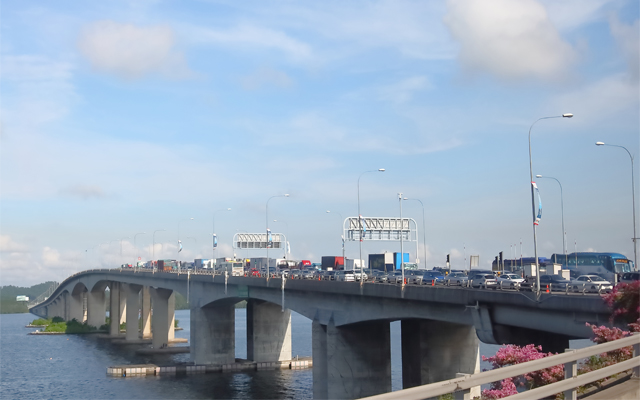
Traffic jam at Johor bahru Singapore causeway.

Malaysia and Singapore have agreed to proceed with the Rapid Transit System (RTS) Link project which will connect Woodlands in Singapore to Bukit Chagar in Johor Bahru in the southern state of Malaysia.

The cross-border project is expected to begin in early 2021 and to be completed by the end of 2026. Three agreements which are necessary to resume the project have been concluded, including one to amend the RTS Link Bilateral Agreement between both governments.

The Woodlands-Johor Bahru rail link will help ease traffic congestion on the Johor–Singapore Causeway

When completed, the RTS Link will ease Causeway congestion, improve connectivity, foster people-to-people ties, and generate shared economic and social benefits, said a joint statement from both countries.

The 4km long project is estimated to cost RM10 billion (S$3.2 billion), of which 60 to 61 per cent of the cost would be funded by the Singapore government and the rest by the Malaysian government.

Malaysia’s transport minister, Wee Ka Siong, said the first of two phases, encompassing the construction stage, will commence next year until 2024. Phase two, which will start in 2025, will involve the construction of systems such as signals, rolling stock, telecommunications and system testing.

40% of destinations have now eased travel restrictions: UNWTO

0
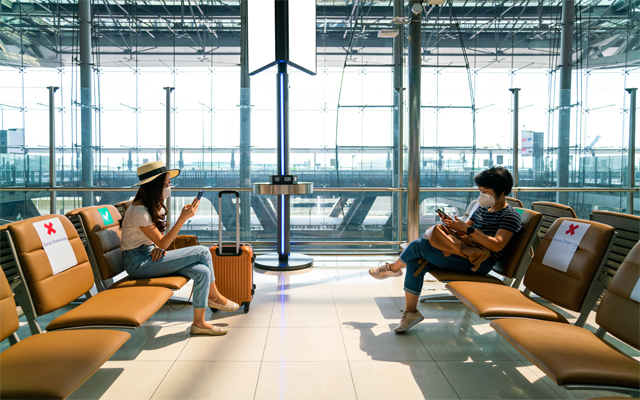
Asian female tourist wearing mask using mobile phone searching airline flight status and sit social distancing chair in airport during coronavirus or covid-19 virus outbreak a new normal concept

A growing number of destinations around the world have restarted their tourism industries while adapting to the new normal, with the latest analysis from UNWTO showing that 40 per cent of all destinations worldwide have now eased Covid-19 restrictions on international travel.

This latest outlook, recorded on July 19, is up from 22 per cent of destinations that had eased restrictions on travel by June 15 and the three per cent previously observed by May 15. It confirms the trend of a slow but continuous adaptation and responsible restart of international tourism.

While 40 per cent of destinations have eased travel restrictions, 83 per cent of them still have partial anti-coronavirus measures in place, while many destinations remain in long-term lockdown

However, of the 87 destinations that have now eased travel restrictions, just four have completely lifted all restrictions, while 83 have eased them while keeping some measures such as the partial closure of borders in place.

Destinations with a higher dependency on tourism are more likely to be easing restrictions on travel, according to the UNWTO report. Of the 87 destinations that have eased restrictions recently, 20 are small island developing states (SIDS), many of which depend on tourism as a central pillar of employment, economic growth and development. The report also shows that around half (41 per cent) of all those destinations that have eased restrictions are in Europe, confirming the leading role of the region for the responsible restart of tourism.

UNWTO secretary-general Zurab Pololikashvili said in a statement: “The restart of tourism can be undertaken responsibly and in a way that safeguards public health while also supporting businesses and livelihoods. As destinations continue to ease restrictions on travel, international cooperation is of paramount importance. This way, global tourism can gain people’s trust and confidence, essential foundations as we work together to adapt to the new reality we now face.”

In addition, this latest edition of the UNWTO Travel Restrictions Report shows that 115 destinations – 53 per cent of all destinations worldwide – continue to keep their borders completely closed to international tourism.

Of those 115 destinations, the majority (8 per cent) have kept their borders completely closed to international tourism for more than 12 weeks, found the report.

The cost related to the travel restrictions introduced in response to Covid-19 has historic dimensions. Last week, UNWTO released the data on the impact of the pandemic on tourism, both in terms of lost tourist arrivals and lost revenues. The data shows that already by end-May, the pandemic had led to US$320 billion in lost revenues – three times the cost of the 2009 global economic crisis

New licensing rule limiting Banyuwangi tour guide numbers draws flak

0
Aerial View of Colorful Kali Lo, River Canal Tourist Attraction, Asia

Indonesian tour operators have blasted a new regulation by the Banyuwangi authorities that limits tour guiding services in the regency to an exclusive group as ill-timed, saying it will have a deterrent effect on wholesalers selling this emerging destination in East Java.

The new policy stipulates that tour operators from other parts of the country entering the territory must enlist the services of the official 130 Banyuwangi travel agents and guides who have been certified by the district.

Banyuwangi government recently set new licensing rules to ensure quality and protect tourists, but agents shut out from conducting tours in the regency have criticised the move; Colorful Village of Kalilo in Banyuwangi pictured

Yanuar Bramuda, head of the Banyuwangi Tourism and Culture Office, said that the new regulation is to protect local businesses and ensure that customers can enjoy consistent product quality and professional services.

He explained: “In the last two years, Banyuwangi tourism has developed rapidly, but we have received complaints about the unprofessional behaviour of some local players. Our investigations showed that the complaints were directed towards uncertified travel agents, therefore, we decided to restructure (the system) to avoid backfire.”

The new regulation also ensures the health and safety of guests travelling in the area as all 130 licensed guides – as well as drivers – have undergone training by the local government in the implementation of mandatory health protocols, and have passed these tests, according to Bramuda.

However, tour operators said that the issuance of the new regulation at a time when the tourism sector devastated by the pandemic is struggling to rebuild itself can deal a further blow to demand.

Umberto Cadamuro, COO Inbound of Pacto, said that if the regulation had been issued during rosy times, it would have been a good step towards protecting local players. However, the sector is now embroiled in turmoil.

He explained: “If DMCs or operators outside of Banyuwangi, who usually include the destination in their Java overland trip itineraries, must partner with local players (in Banyuwangi to bring tourists into the region), it will affect the pricing. Nowadays, besides health, price is a sensitive thing.

“(Tour operators) are now focused on how to bounce back the business; they will not want to be bothered with this regulation. So DMCs and wholesalers will end up not including Banyuwangi in the list of destinations (that they are selling).”

Echoing the same sentiment, Adjie Wahjono, operations manager of Aneka Kartika Tours, said that that this regulation might put a dent on demand because Banyuwangi is not a mono destination like Bali or Yogyakarta.

“Banyuwangi might be a popular route in a Java overland trip, but it still has to be combined with other destinations, especially because it does not have direct (international) access,” he said.

Moreover, Adjie expressed concern that the regulation may not sit well with guests. “With health issues like now, changing operators (may) cause anxiety to guests. It would be more efficient and safer for one agency to helm the entire tour journey,” he said.

For Monas Tjahjono, managing director of Monas Tour, the application of the regulation may affect the trip quality due to differing standards across operators.

“If they want to standardise the quality of the tour and health protocols, it is enough to follow the regulations drawn up by the central or provincial government because all operators must comply with the rules set forth nationally,” he added.

Umberto suggested that the Banyuwangi district government postpone the implementation of the new regulation, and instead, direct its focus towards upskilling tourism players to enhance the international competitiveness of the destination. For starters, he suggested foreign language training for industry players, noting that the language barrier still poses a barrier to selling the country’s tourism products.

Switzerland Tourism reboots workshops in South Korea amid pandemic

0

At a time when tourism organisations in South Korea are emptying their event calendars, one tourism board has taken the bold step of restarting its workshops in preparation for the returning demand post-Covid.

Switzerland Tourism’s office in Seoul is the first to try to blow life into the current lacklustre industry by lining up a series of workshops for travel agents and those in travel-related industries.

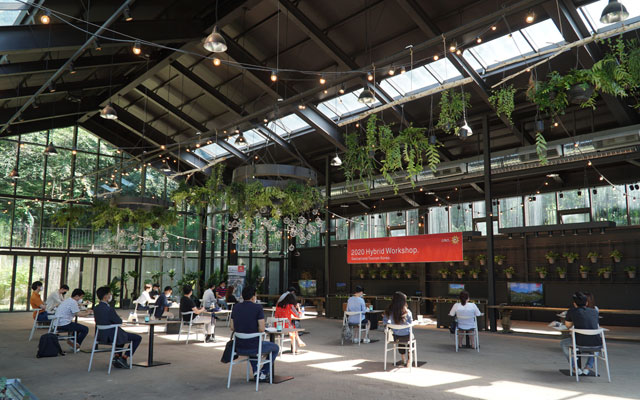
Switzerland Tourism recently held a socially distanced hybrid workshop for South Korean travel agents

Its first hybrid workshop, held on July 15, was themed around Schilthorn, a summit in the Bernese Alps of Switzerland. The session was conducted as a webinar by a local tourism agency official in Switzerland. Participants were also taught how to take and compile pictures.

For now, the tourism board has a total of 10 workshops scheduled from July through September, which will be filled with programmes for Swiss travel information, its culture and architecture as well as its brunch culture. The tourism board said that this movement is in line with Switzerland reopening to tourists from 30 countries since June 15.

Switzerland Tourism marketing manager, Janice Cho, said: “The domestic and overseas travel industry is currently in a slump and it’s very difficult to predict even one step ahead. It has particularly been hard for those in the travel industry to meet in person and share ideas. We are holding these workshops to provide a means of encouragement for those both in Switzerland and South Korea to look forward to the time when tourism can resume again.”

A participant at Switzerland Tourism’s workshop getting her temperature checked at the venue entrance

With safety being paramount, especially since the country is battling a second wave of coronavirus, strict precautions have been put in place by the tourism board for its workshops. For one, each session is limited to 20 participants, and conducted in a space designed to accommodate over 200 people to maintain safe distancing.

All participants are also required to complete a health questionnaire and temperature check, and use hand sanitiser before the workshop.

Meanwhile, other tourism boards in South Korea like the Tourism Bureau of the Republic of China and Marianas Visitors Authority said that they have cancelled or postponed all their events and workshops, with no plans for any events in the pipeline as yet.

Travelport’s new tool helps agents track airline safety measures

0

Travelport has launched its Airline Health & Safety Tracker, which allows travel agents and travellers easy access to the most up-to-date information on airline health and safety measures.

The free-to-use tool, which is available to both Travelport customers and the wider industry, highlights at a glance the safety measures being undertaken by more than 80 of the world’s largest airlines.

Both online and offline travel agencies can access the data through the Travelport Covid-19 Smartpoint Plugin, Travelport’s API-based merchandising solution, Branded Fares Data File, and the company’s Covid-19 Resource Hub, which is also available to the general public.

Kyle Moore, global head of customer strategy and marketing, Travelport, said that the tool “will help travellers to match their travel needs with the safety measures they expect, bringing back confidence in travel and supporting a strong industry recovery”.

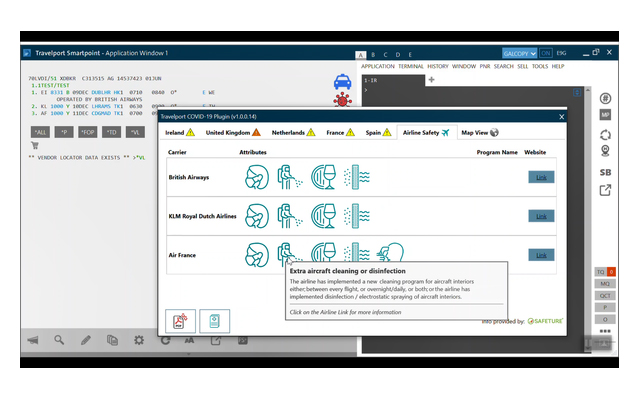
The Travelport Airline Health & Safety Tracker monitors the use of seven safety measures: mandated use of face masks, socially distanced seating, temperature checks before boarding, improved air filtration, enhanced cleaning programmes, reduced onboard F&B services, and mandated traveller health certification or declaration. The data is presented in a simple visual format and is updated by Travelport on a weekly basis.

In the Travelport Covid-19 Smartpoint Plugin, which can be downloaded from Travelport Marketplace, the information is available alongside details on government restrictions, lockdowns and safety measures – updated on a daily basis by global travel safety intelligence provider, Safeture.

As the airline safety information is also available through Travelport Branded Fares Data File, Travelport’s online travel agency, corporate booking tool, and travel meta-search customers can easily integrate Travelport Airline Health & Safety Tracker data into their own booking tools.

Additionally, all of the information is available on the Travelport Covid-19 Resource Hub, along with comprehensive information on travel restrictions across the world; airline, hotel and car policy trackers; direct links to Travelport support services, and guides to the best way to use technology during the crisis.

Dream Cruises restarts Taiwan sailings; unveils Flexi-Feast dining concept

0

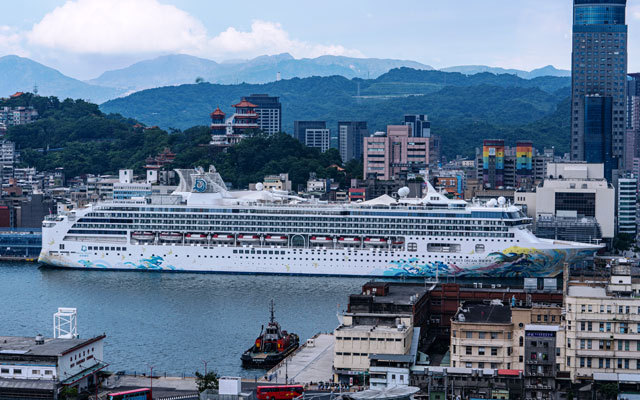
Dream Cruises celebrated the restart of its cruise service and return to Taiwan during a special inaugural ceremony to launch Explorer Dream’s new Island Hopping itineraries tailored for the Taiwan market.

Departing from Keelung, the new cruises will call into the popular ports and islands of Peng Hu, Matsu Island and Kinmen as well as Hualien.

Taiwanese guests can now enjoy short cruise getaways with Explorer Dream’s island-hopping itineraries

The event was attended by a number of important guests from Taiwan, including the minister of transportation and communications, Lin Chia-lung; the minister of health & welfare, Chen Shih-chung; the mayor, Keelung government, Lin Yuchang; the director general of Maritime and Port Bureau, MOTC, Kuo Tien Kuei; the deputy director deneral of Taiwan Centers for Disease Control, Chuang Jen-Hsiang; business partners, the media and representatives of Genting Cruise Lines.

Dream Cruises’ island-hopping cruises on board Explorer Dream will showcase Taiwan’s culinary and cultural heritage. For a taste of Taiwan, collaborations have been forged with the Council of Agriculture to provide local produce on board Explorer Dream and a new order-to-home service for their 2020 Top 100 Premium Agricultural Products on the ship.

Additionally, guests can sample local brands including Sharetea, Taihu Beer, Tien Hsia San Chueh Noodle Cuisine, Formosa Chang, SunnyHills and Mark’s Teppanyaki from Marriott Taipei for everything from bubble tea to local craft beer and popular Taiwanese cuisine.

Making its debut is the new Flexi-Feast dining concept which allows passengers to choose from a wider range of venues and to dine at their leisure, helping to provide peace of mind for guests by easing bottlenecks at certain venues for a more spacious, comfortable environment on board.

Local travel experts have also been recruited as Dream Ambassadors to offer assistance and guidance to guests in their native languages.

Chinese travellers take a shine to South Korea

0
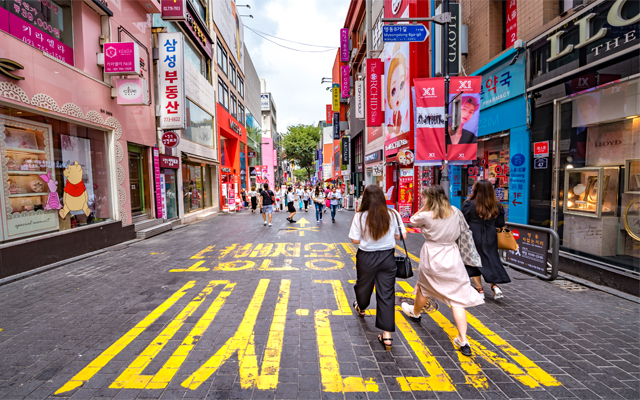
Myeong-dong, one of the Primary Shopping Districts in Seoul, Featuring Street Food Carts, Major Shopping Malls, and Entertainment.

South Korea is captivating the attention of Chinese travellers, with recent data from ForwardKeys revealing an increase in the number of flight searches made from China to South Korea.

Since late March 2020, there has been an increase in the number of flight searches made to South Korea, said the report, which compared flight searches from China to Asia against those from China to South Korea.

ForwardKeys data indicates growing interest in South Korea among Chinese travellers; shoppers strolling along Myeongdong, Seoul’s shopping mecca, pictured

Data also showed that South Korea is on a steady road of popularity against its Asian counterparts such as the Maldives and Sri Lanka.

Flight-Searches-asia.jpg

“One of the reasons why South Korea may appeal so much to the Chinese travellers is the fact that it is one of the few countries in the world to have managed and controlled the outbreak of Covid-19 in a safe way,” said Lorena Garcia, senior analyst at ForwardKeys.

“The relative closeness and increasing frequency of flights between China and South Korea could be other contributing factors to explain this surge of interest,” added Nancy Dai, Asia expert.

The ForwardKeys flight search tool also revealed that the dramatic jump in airfares since 2019 hasn’t slowed down the number of searches. On the week starting June 29, the average airfare was US$706 – more than double the price of US$284 from a year ago.

Chinese-average-price-3.jpg

Beyond South Korea, from China, other top searched destinations in June include Japan and Thailand. In addition, the trend for flying later or last-minute reflects how the uncertainty of flight schedules and travel restrictions has impacted the booking patterns and habits out of China.

“Since the outbreak of the pandemic, we have noticed that the average Chinese traveller has gone from two booking months in advance to booking just four days before their flight,” said Dai.

Asian-lead-times.jpg

Garcia concluded: “Monitoring such travel trends is not just interesting for us analysts, but useful to share with our clients and audience, particularly the ones impacted by hotel bookings, duty-free shopping, and airlines.

“Knowing who is looking to fly, when and where, can save your business money in the investment you make in advertising, product development to even staffing.”

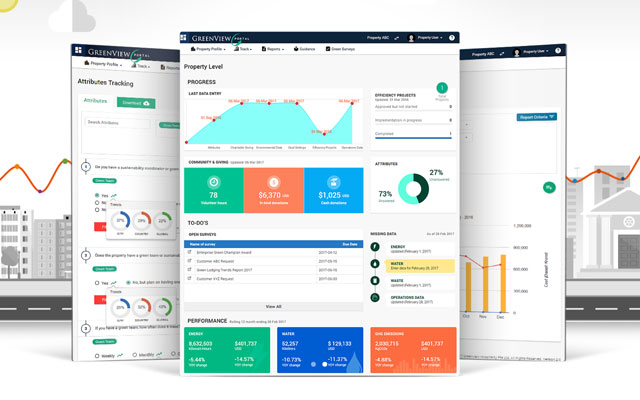
Greenview Portal gains GSTC-Recognized status

0

Trip.com’s live-stream sessions in Singapore and China rake in over US$2.72m for Singapore hotels

0

Singapore hotels and attractions are seeing strong demand both domestically and overseas, especially among outbound Chinese travellers, despite the uncertainties amid the prevailing pandemic.

Trip.com Group said in a press statement that it recently recorded sales of over 12,000 room nights for Singapore hotels amounting to a gross merchandise value of more than S$3.75 million (US$2.72m) over two recently concluded livestreams in Singapore and China.

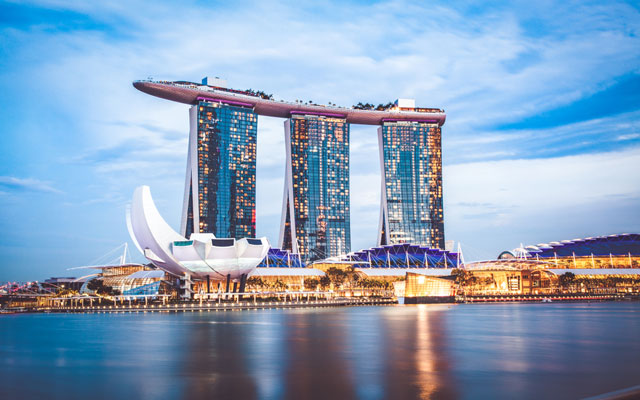
Trip.com sees over 12,000 room nights for Singapore hotels sold in two recent live-stream events, with Marina Bay Sands emerging as the top performer in the Chinese market during the Boss Live session

James Liang, co-founder and chairman of Trip.com Group, said: “In a post-Covid world, travellers would be looking to visit places where they feel safe and assured of the government’s handling of the situation. Singapore has demonstrated its capability in handling the outbreak and it is no surprise that we are seeing such strong demand for Singapore hotels and attractions in both the domestic and overseas markets.”

The livestream sessions, part of Trip.com Group’s recently launched Travel On campaign, are designed to provide additional visibility for hotels and attractions in various markets across Asia and rejuvenate the travel industry.

Trip.com Group CMO Bo Sun added: “We will continue to work closely with our local partners to promote Singapore’s diverse offerings domestically and around the world. We will also collaborate with the Singapore Tourism Board on other initiatives for overseas visitors at a later stage. Market-specific recovery plans have also been developed in consultation with our global partners to ensure a safe and calibrated resumption of international travel once the global situation stabilises.”

Top performers in the Chinese market during the Boss Live session hosted by Liang included Marina Bay Sands which sold out 2,600 rooms, Resorts World Sentosa – Hard Rock Hotel, and Fairmont Singapore. Singaporeans were also quick to snap up room nights for staycations at Parkroyal Collection Pickering, Singapore; Shangri-La Hotel; and The Outpost Hotel Sentosa during the livestream on July 21.

Packages sold via the livestream all come with a Flexibooking Guarantee and are fully refundable prior to redemption, another initiative by the group to mitigate uncertainty and restore confidence in travel.