


Brought to you by www.philippines.travel
Macau travel trade unveils new, in-depth tours
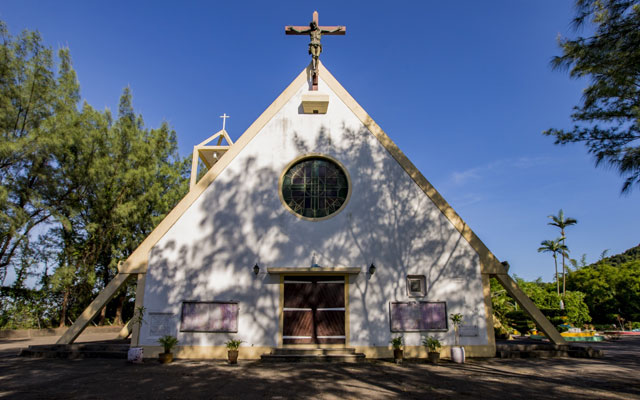
Macau’s travel trade has launched a series of tours with in-depth itineraries to enrich travellers’ experience and encourage lengthier stays in the city.
Operating in small-sized groups, the Macao Highlight Tours allow visitors to experience Macau’s history, cultural landscape and “tourism+” projects, in turn stimulating the economy in local communities.
Now open for applications, the Macao Highlight Tours also offer tailor-made options for visitors to design their preferred itineraries, to foster in-depth travel and steer the tourism development towards sustainability and diversification.
At present, Macao Highlight Tours feature four itineraries: “Amazing one-day tour with ‘MAK MAK’”, “Explore the history of Macao’s handover and secrets of the Macau Grand Prix”, “Strolling in the Historic Centre of Macao and enjoying enchanting scenery on maritime tour”, and “Dive into the beauty of Coloane and explore the ancient architecture of Nossa Senhora Village of Ká-Hó”.
The minimum group size is six persons for the “Amazing one-day tour with ‘MAK MAK’” and ten persons for the other itineraries. Transportation services will be arranged for tour participants.
In addition, visitors can opt for private tours along with tailor-made itineraries. Private tour participants can sign up for the chartered helicopter ride, each able to accommodate up to 12 passengers per tour. Tour options include a half-day tour around alleys and lanes imbued with local aroma, a culinary tour for signature delicacies, a green wellness tour and a luxurious shopping tour, in addition to other tailor-made elements.
Supported by the Macao Government Tourism Office, the Macao Highlight Tours are jointly coordinated by Macau Travel Agency Association, Association of Macao Tourist Agents and Travel Industry Council of Macau.
MITA urges government to prepare for tourism recovery and support industry through MCO 3.0
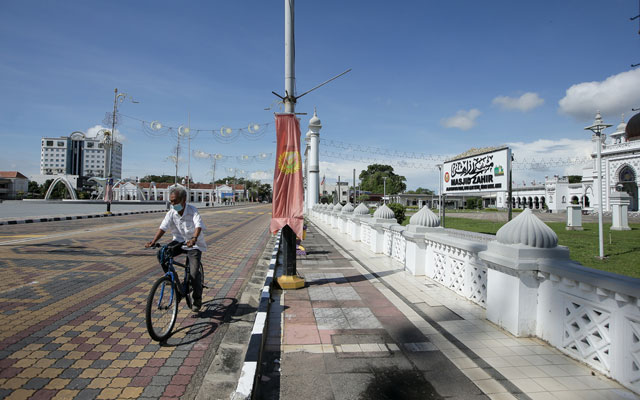
In preparation for tourism reopening, the Malaysian Inbound Tourism Association (MITA) has called on the government to study and adopt best practices from destinations such as Qatar, Dubai and the Maldives which have successfully restarted their tourism engines.
Malaysia’s tourism sector is now in a critical stage as the country is currently under its third movement control order since the start of the pandemic, with domestic and international tourist activities banned, as the country battles to contain a surge in Covid-19 infections.
MITA president, Uzaidi Udanis, said at a recent virtual press conference that the government needed to start planning for the recovery of the country’s tourism industry, which in pre-pandemic times, was the third biggest contributor to the GDP, after manufacturing and commodities. In 2019, contribution of travel and tourism to the GDP was 13.3 per cent.
He described the current state of the travel and tourism industry as being “almost paralysed”, with players having to contend with zero income.
In a recent survey conducted by MITA, which polled its 3,000 members, the pandemic has so far forced 10 per cent of licensed travel agencies to close, and 70 per cent of companies to go dormant. While 20 per cent of its members are still active, they have had to resort to staff layoffs to reduce costs, with only one or two staff left on the payroll.
To ensure the survival of the local tourism industry, MITA urged the government to establish an automatic loan moratorium with zero interest for all loan facilities taken by industry players before March 2020. “Since all banks made huge profits in 2020, we hope banks can become a corporate role model in helping the nation during this challenging time,” Uzaidi said.
He also called on the government to waive insurance and road tax for valid registered tourism vehicles up to 2024, as operators still need to pay for annual insurance ranging from RM1,000 (US$240) to RM10,000 per vehicle per year, despite not earning an income due to the lingering pandemic.
MITA has also called for a tax waiver for all travel agents for five years from 2021, based on the projected timeline for Malaysia tourism to rebound to pre-pandemic levels. It is also hoped that travel agents will be allowed to operate from home to save on rental costs until the end of next year.
In view of the escalating Covid-19 situation in the country, MITA also urged the authorities to impose stricter restrictions during the ongoing nationwide MCO due to end on June 7, as well as to speed up the national vaccination programme so that herd immunity can be achieved faster.
Digital Travel Asia Summit returns next month

The Digital Travel APAC Virtual Summit will be returning this year on June 1, 2021, and will address the latest travel developments.
Senior tourism leaders such as Singapore Tourism Board’s director, digital & content, marketing group, Georgina Koh; Tourism New Zealand’s head of strategy Emil Petrov; Minor Hotels’ chief commercial officer Michael Marshall; and Pan Pacific Hotels Group’s vice president, digital & loyalty marketing, Hsu Ching Tan are among those speaking at the online event.
These speakers will be sharing what they are doing differently to reposition themselves this travel season, and how they are rethinking the “how” and “why” we travel as the future of travel is no longer the same, due to the constant changes in government regulations and travel restrictions.
The one-day conference promises more than 10 hours of virtual networking as well as closed-door live interactive roundtables.
Registration is free for travel executives.
HKTB lays groundwork for tourism recovery

The Hong Kong Tourism Board (HKTB) is preparing to ramp up marketing efforts in its key source markets, and hopes to relaunch mega events in physical formats to prepare for tourism recovery.
The plans were revealed by HKTB executive director Dane Cheng at the Board’s annual Tourism Update event on Tuesday (May 18). During the online event, Cheng discussed tourism trends and shared details of the HKTB’s latest strategic plans with around 2,700 trade representatives from Hong Kong, mainland and overseas.
Cheng told the representatives the HKTB was preparing to step up promotions and would launch a new round of the Hong Kong Neighbourhoods campaign. In addition, the HKTB also hopes to relaunch mega events in physical formats.
Cheng said: “As well as driving local tourism through the Holiday at Home platform, the HKTB has maintained Hong Kong’s international profile with a succession of promotional campaigns throughout the pandemic.
“The global economy has started to rebound with Asia predicted to recover sooner and the Mainland expected to outperform other markets in economic growth. Combined with the gradual easing of the pandemic situation in Hong Kong, this makes it a good time for Hong Kong to further raise its profile. As cross-border travel gradually resumes, the HKTB will launch the Open House Hong Kong platform to conduct large-scale promotions in our source markets.”
The HKTB has, in recent years, launched two promotions, Old Town Central and Sham Shui Po, under its Hong Kong Neighbourhoods campaign, offering in-depth experiences to visitors.
To tie in with the opening of M+ visual culture venue in late 2021, the HKTB will focus its next promotion on the West Kowloon Cultural District and its surrounding area in the next quarter by revamping the promotions on the authentic local cultural aspects of the neighbourhood to help boost interest from visitors as travel resumption draws closer.
If the pandemic situation in the city remains under control, the HKTB also hopes to relaunch mega events that Hong Kong people can initially take part in. The first event to return in a physical format will be the Hong Kong Cyclothon, and the HKTB is studying the feasibility of extending its route to the Hong Kong Section of the Hong Kong-Zhuhai-Macao Bridge to add to the event’s appeal.
For other mega events to be conducted in a hybrid format, new elements of interests will be added to maintain Hong Kong’s global visibility. The HKTB will also continue to lobby for international large-scale business events and meetings to be hosted in Hong Kong.
Noting that the pace of global tourism recovery will be determined by how the pandemic unfolds and the vaccination rate worldwide, the HKTB is appealing to tourism workers to take part in the vaccination programme and help Hong Kong achieve herd immunity as soon as possible.
At the event, representatives from leading Mainland and Hong Kong brands also shared their insights at two forums titled “Seize the Business Development Opportunities in the Mainland and Greater Bay Area” and “Global Hong Kong Brands Gear Up for the Recovery”. Guests at the forums discussed the way forward for tourism and the preparation works.
Choose Your Aqua Adventure in the Philippines
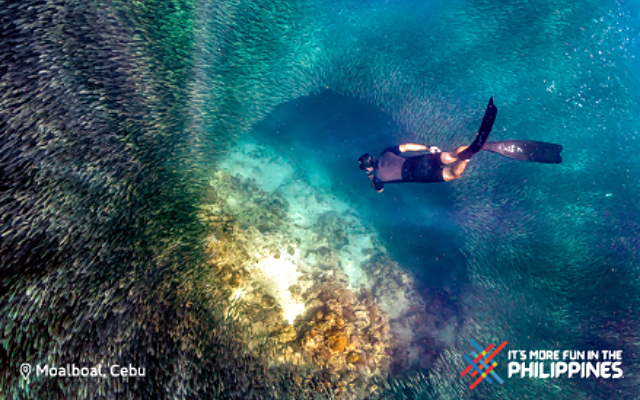
With over 7,000 islands, the Philippines’ diverse natural wonders make it a sought-after destination for all types of traveler. From adrenaline-junkies to adventure seekers just out exploring the world, discover the multitude of water activities that await you in the Philippines.

DIVING
Palawan, Cebu, Batangas
Anticipate the best memories of your entire dive life by exploring the breathtaking underwater scene of the Philippines. Marine biodiversity? Head to Tubbataha Reefs Natural Park in Puerto Princesa, Palawan. Wreck dives? Go to Coron, Palawan. Muck diving or blackwater diving? Drive to Anilao, Batangas. Shark enthusiast? See thresher sharks at the Monad Shoal in Malapascua Island or the whale sharks in Donsol, Sorsogon. Meanwhile, you can just free dive or snorkel to witness the world-renowned Sardine Run in Moalboal, Cebu.

SURFING
Siargao, Baler, La Union
Surfers of all levels flock to Siargao Island for its world-famous Cloud 9, ride plenty of lefts and rights in Baler, or go for consistent quality surf with swells that can reach up to 3 meters in San Juan, La Union.

ISLAND HOPPING
Caramoan Islands
Discover the Philippines’ Secret Paradise in Caramoan Islands, which remain beautifully unspoiled and unexploited. Get loads of your vitamin sea supplement while hopping each island which boasts of white sand, lagoons, caves and rugged limestone cliffs.

WHITEWATER RAFTING
Cagayan de Oro
Feel the rush of adrenaline with a wet and wild whitewater rafting adventure in Cagayan De Oro. Take on a thrilling three-hour course of rapids with varying grades to suit beginners and experts. Definitely a must-try Philippine adventure with your family and friends.

CANYONEERING
Kawasan Falls in Badian, Cebu
Experience the adventure of a lifetime with canyoneering in Cebu. Take a leap off cliffs as high as 30 feet, swim the rapids or enjoy the lush scenery as you float through the canyon. Whether it’s your first time canyoneering or not, extreme fun is definitely guaranteed!
Exhilarating adventures are not just plenty; your health and safety remain a top priority in this country too. The Philippines is a recipient of the World Travel and Tourism Council (WTTC) Safe Travels Stamp! As a globally recognized ‘safe travels’ destination, traveling to the Philippines can be safe and fun in the new normal.

For more information, visit tpb.gov.ph
| Follow us! |  |
 |
 |
 |
#itsmorefuninthephilippines #WakeUpinPH #tpbgovph
Vietjet unveils new-look website

The Vietjet website has been refreshed with a new look that will enhance the user experience and offer more service selections.
The new website, vietjetair.com, provides more comprehensive services and products integrated into one platform. Flight tickets, essential services such as check-in baggage, seat and food selection, priority check-in, bus ticket, travel insurance, and more, are available for purchase with ease.
Customers can also search for information about itineraries, flights, fares, special offers, and pay by online payment methods including credit/ATM card, e-wallet, QR code, and Vietjet Skyclub.
In the coming days, Vietjet will also integrate hotel products, entertainment programmes, travel packages inclusive of air tickets and hotel reservations, financial services, duty-free shopping, and more, into the platform.
Planeterra kicks off fundraising challenge
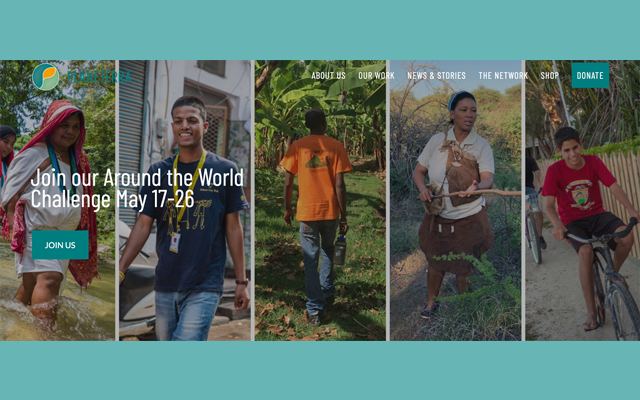
Planeterra has launched the Around the World Challenge to raise funds for community tourism enterprises that have been deeply impacted by the pandemic.
From May 17 to 26, participants can take part in the challenge of collectively travelling the globe by walking, running or cycling 10km a day, while raising funds for communities. Registration is US$25 per person.
During this 10-day period, Planeterra highlights community tourism enterprises in different regions around the world, including India, Bolivia and Rwanda, as well as those destinations’ cuisine, culture and more.
Planeterra’s goal is to raise US$40,087, which will go towards helping its community partners access learning, training and support for their enterprises through the Global Community Tourism Network.
Donations will go towards training sessions, increasing community mentorship, and infrastructure improvements to help keep community enterprises open and making impact for years to come.
“Planeterra just launched the Global Community Tourism Network last week, having more than doubled our community partnerships since December; and we now work with communities in over 65 countries,” said president of Planeterra, Jamie Sweeting.
“We thought it was the perfect time to highlight these new community partners, and help Planeterra support them as they prepare to recover and the world prepares to travel again.”
In addition, Planeterra aims to raise US$3,000 to support its team and community partners in Delhi as India battles with a worsening Covid crisis. To meet this goal, the NPO has pledged to match the first US$1,500 raised during the Around the World Challenge. Planeterra’s partners in Delhi operate a female-led taxi service and provide shelter and support to the city’s homeless youth.
Interested parties can register here.
NH Hotels set for Dubai debut

Spain’s NH Hotels will make its foray into the Middle East region later this year with the launch of NH Dubai The Palm.
Currently in the final stages of development, the new-build 533-key property will open its doors in December.

Located on Dubai’s Palm Jumeirah, NH Dubai The Palm will be part of Seven Hotel & Apartments, a mixed-use development consisting of a hospitality tower and a residential tower.
The 14-storey property will offer 227 guestrooms and suites, in addition to 306 serviced apartments. Facilities will include several restaurants and bars, gym, rooftop infinity pool, three spa treatment rooms, a kids’ club and four meeting rooms. There will also be a large multi-purpose space for co-working, with access to the gym and showers.
Seoul joins hands with Tencent Cloud to woo Chinese tourists
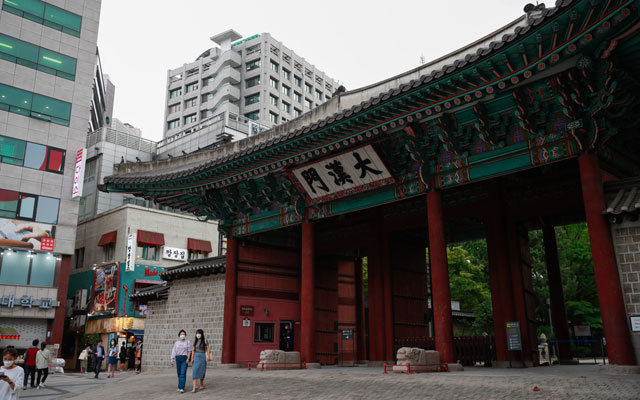
The Seoul Metropolitan Government’s tourism and sports bureau has signed a MoU with Tencent Cloud to revitalise Seoul’s inbound tourism in the post-pandemic era and build a smart tourism ecosystem.
Both parties plan to create a Seoul travel app for Chinese tourists as well as a smart tourism solution through Tencent Cloud’s artificial intelligence technologies in Weixin Mini Program. The Seoul Metropolitan Government’s tourism and sports bureau will promote the digitalisation of its tourism services via Tencent Cloud to strengthen the competitiveness of Seoul tourism and enhance its service quality.
Through customised Seoul tourism information and services for Chinese tourists using Tencent Cloud’s cloud computing and AI technology, the bureau aims to boost Chinese visitor numbers to South Korea post-Covid.
The one-stop Seoul city travel app for Chinese tourists links the city’s online and offline public and private tourism services. With customised travel products and services, the app will provide a variety of information including hotel reservations, car rentals, tourist maps and GPS, online shopping, tourist ticket purchases, visa issuance and tax refunds.
Restaurants and attractions in Seoul can also be found using the real-time AI recommendation function, making travel much more personalised and convenient by scanning the Weixin QR code after purchasing an online ticket and entering tourist attractions without the wait.
In addition, Tencent Cloud will also build a Mini Program, leveraging Weixin’s user pool of 1.2 billion monthly active users and digital marketing service capabilities to connect local merchants and Chinese tourists in Seoul. Through it, travellers can also use hotel favourites, weather information, tourist attraction search and travel guides, discount coupon downloads, travel directions and travel tax refund services.
The two parties will also promote mid- to long-term exchanges and cooperation measures for the early recovery of Seoul tourism. Apart from helping foster Seoul tourism start-ups, Tencent Cloud is also set to participate in various marketing activities such as creating better tourism infrastructure, tourism advertisement and influencer activity support.
The MoU marks Tencent Cloud’s second Korean tourism revitalisation project following its collaboration with Incheon Tourism Organization for smart tourism solutions last month.

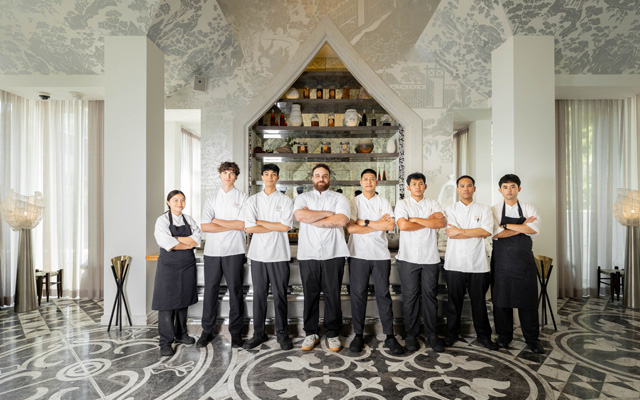






Absolute Hotel Services has signed a management agreement with Rivergate Resort India to open the first U Hotels & Resorts in Karjat, Maharashtra.
Targeted to open in late 2021, U Rivergate Karjat will comprise of 42 rooms and more than 100 individual gated villas.
Located a two-hour drive from Mumbai and Pune, U Rivergate Karjat will be nestled amidst an expanse of 24ha of lush green landscape, along the banks of River Pej.
The existing rooms at the resort will undergo an extensive makeover, while facilities will be upgraded to an international level. Amenities will include an all-day dining restaurant, lounge bar, open-air restaurant, banquets, lawn, gym, spa, games room, kids play area and adventure zone.