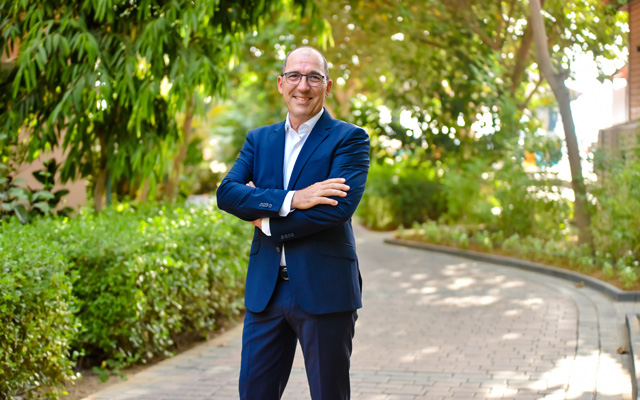
Anantara Iko Mauritius Resort & Villas has appointed a new general manager, Pascal Bertrand.
Bertrand brings over 35 years of luxury hospitality experience from around the globe, having worked with international hotel brands globally.
The French national got a taste for the hotelier life when he started his career in F&B, as sous-chef for Eleven Maple Street Restaurant in Florida. He continued his career in F&B by joining The Ritz Carlton in Atlanta as assistant banqueting manager, followed by The Ritz Carlton Cancun and The Ritz Carlton in Florida.
He progressed through the ranks of hotel operations before taking his first general manager position at the Legends Hotel Mauritius, in 2010.
Vietnamese budget airline Vietjet has recorded higher year-on-year revenue, earning VND127 billion (US$5.5 million) in the first half of 2021, despite the pandemic.
According to financial statements released by the Vietjet Aviation Joint Stock Company, Vietjet’s air transport revenue reached VND2,973 billion in 2Q2021, recording a 51 per cent year-on-year growth thanks to high travelling demand in April.
Vietjet records earnings amounting to VND127 billion (US$5.5 million) in the first half of 2021
The airline has also sought ways to lift the cargo sector despite the impact of the fourth wave of Covid-19 in Vietnam this quarter.
Vietjet’s consolidated revenue totalled VND4,337 billion in 2Q. Revenue in passenger transport for 1H2021 was recorded at VND5,818 billion, generating a post-tax profit of VND13.7 billion. The airline’s consolidated revenue and consolidated post-tax profit were reported at VND8,386 billion and VND127 billion, respectively – both higher compared to 2020.
Amid the aviation slowdown, Vietjet has expanded its business portfolio by venturing into financial and project investments which has raked in more than VND1,756 billion of revenue. Vietjet’s total assets reached VND44,000 billion by the end of June.
Vietjet has transported more than 4.8 million passengers on 34,000 flights over the first six months of the year. The airline has also focused on refining operation protocols and boosting its cargo operations, resulting in a 40-45 per cent year-on-year growth.
Club Med has appointed Rachael Harding as the CEO of East, South Asia and Pacific, succeeding Xavier Desaulles, who led Club Med Asia Pacific Markets for the past five years.
In her new role based in Shanghai, Harding will lead the stewardship of the Asia Pacific (excluding Greater China) region as they navigate the current market dynamics and prepare for an aggressive rebound. She will also drive the advancement of a profitable growth strategy focused on nurturing matured markets and elevating the emerging markets.
Harding joined Club Med in 2018 as the general manager for Club Med Pacific (Australia and New Zealand). Over three years, her leadership led to the successful growth of the Pacific market by 26 per cent.
Harding possesses over 20 years of experience in the travel sector, spanning multiple sectors of the tourism industry across retail, corporate & wholesale in the Australian, New Zealand, UK and European markets.
Prior to joining Club Med, she spent 15 years working with The Travel Corporation on brands including Trafalgar and Contiki in various sales, distribution and marketing roles.
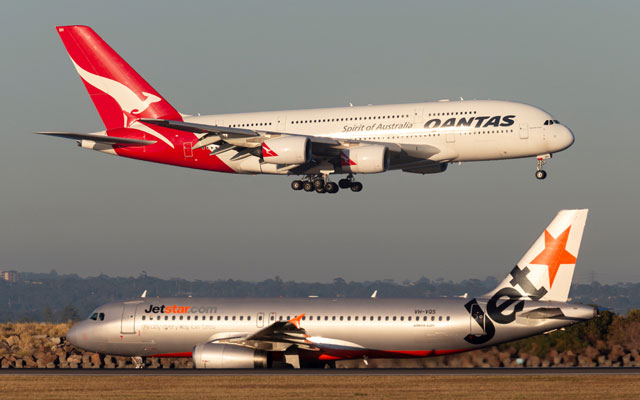
Around 2,500 frontline Qantas and Jetstar employees will be stood down for an estimated two months in response to ongoing Covid-19 outbreaks.
The Qantas Group said in a statement that the stand-downs are a temporary measure to deal with a significant drop in flying caused by the lockdown in Greater Sydney and the knock-on border closures in all other states and territories. No job losses are expected, it added.
Qantas Group said employees will be given two weeks’ notice before the stand-down takes effect
The decision will directly impact domestic pilots, cabin crew and airport workers, mostly in New South Wales but also in other states. Employees will be given two weeks’ notice before the stand-downs take effect, with pay continuing until mid-August.
Income support in the form of government disaster payments will be key to helping eligible employees get through this challenging period, the airline said, adding that it welcomes the targeted federal government support offered for those stood down outside of declared hotspots and to retain domestic aviation capability.
Qantas Group CEO Alan Joyce said the difficult decision to trigger stand-downs reflected the reality confronting many businesses operating in New South Wales. “This is clearly the last thing we want to do, but we’re now faced with an extended period of reduced flying and that means no work for a number of our people,” he said.
“We’ve absorbed a significant amount of cost since these recent lockdowns started and continued paying our people their full rosters despite thousands of cancelled flights.”
Joyce noted that Qantas and Jetstar have gone from operating almost 100 per cent of their usual domestic flying in May to less than 40 per cent in July because of lockdowns in three states.
“Hopefully, once other states open back up to South Australia and Victoria in the next week or so, and the current outbreak in Brisbane is brought under control, our domestic flying will come back to around 50 to 60 per cent of normal levels,” he said.
Joyce predicted that based on current case numbers, Sydney’s borders will remain closed for at least another two months. “We know it will take a few weeks once the outbreak is under control before other states open to New South Wales and normal travel can resume,” he said.
“Fortunately, we know that once borders do reopen, travel is at the top of people’s list and flying tends to come back quickly, so we can get our employees back to work.
“This is extremely challenging for the 2,500 of our people directly impacted, but it’s also very different from this time last year when we had more than 20,000 employees stood down and most of our aircraft in hibernation for months on end.”
Joyce stressed that vaccinations will play a key role in aviation’s recovery. “The vaccine rollout means the end is in sight and the concept of lockdowns will be a thing of the past. Australia just needs more people rolling up their sleeves as more vaccine arrives,” he said.
“The challenge around opening international borders remains. There are still several thousand Qantas and Jetstar crew who normally fly internationally and who have been on long periods of stand-down since the pandemic began. Higher vaccination rates are also key to being able to fly overseas again, and finally getting all our people back to work.”
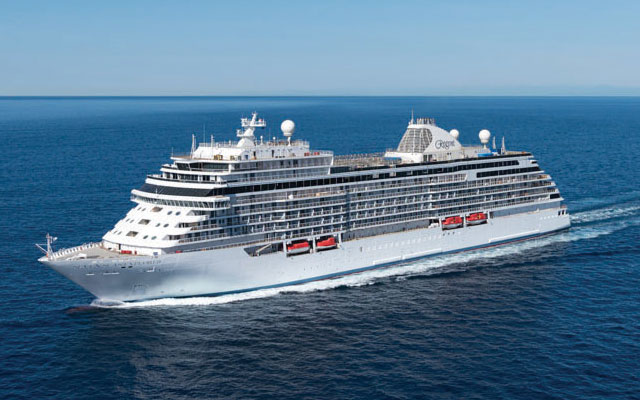
Regent Seven Seas Cruises has rolled out a destination-immersive Japan itinerary for 2023, with a newly added 10-night Tokyo round-trip voyage.
Dubbed Captivating Japan, the voyage is now open for reservations, with embarkation scheduled on 25 April, 2023, aboard Seven Seas Explorer.
Regent Seven Seas Cruises’ Captivating Japan voyage includes free unlimited shore excursions
The experience includes free unlimited shore excursions in every port, alongside a free three-night pre- or post-cruise land programme in Tokyo.
The cruise starts and ends at Yokohama(Tokyo), taking in sights and experiences from the 7th-century Sensoji Temple in Asakusa, to Odaiba Observation Deck, located in the headquarters of Fuji Television, and world-famous Ginza, the premier shopping and entertainment district.
During the pre- or post-voyage land programme, guests can discover ‘shogun’ history and Japan’s tradition of art at museums, stroll gardens, and explore Asakusa, Tokyo’s Old Town founded in the early 7th century. Other places of interest include Nakamise-dori, The National Museum of Nature & Science, Imperial Palace Plaza, and Meiji Shrine.
Docking at Kobe, visit temples and shrines of Kyoto, Japan’s old imperial capital, and ancient Nara, the cradle of Japanese arts, literature and crafts, with its magnificent shrines and temples, and park famed for resident deer. Guests can also tour Osaka’s imposing castle or shop for exotic mementos.
Regent Seven Seas Cruises is also sailing 14-night cruises from Hong Kong to Tokyo in 2023, with stopovers in Taipei, Sakishima Islands, Shanghai, Seoul, Kochi and Kyoto.
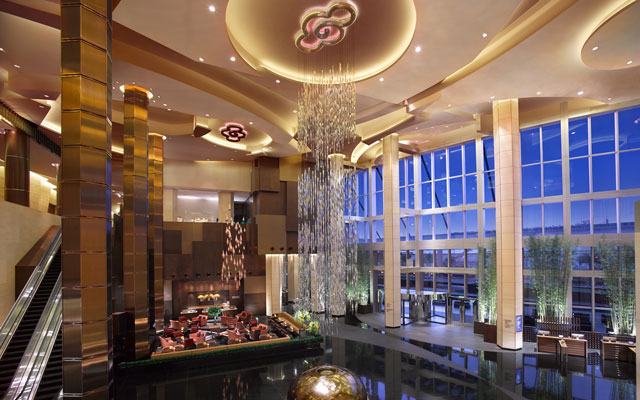
Grand Hyatt Macau has launched the Ultimate Summer Retreat package, offering complimentary breakfast for two, a MOP600 (US$75) hotel credit per night, and late check-out.
Other perks that come with the package includes a welcome gift for child; 20 per cent off dine-in at Beijing Kitchen, Lobby Lounge and in-room dining service; and 20 per cent off spa treatments at Isala Spa during the stay.
Grand Hyatt Macau’s new Ultimate Summer Retreat package includes hotel credits, and dining and spa discounts
Guests can also select from one of two offers: a two-hour admission ticket to Kids’ City, a children’s amusement park in City of Dreams; or complimentary in-room mini bar for non-alcoholic drinks and snacks.
The package price starts from MOP1,599, and is available for bookings and stays from now until September 29, 2021. Guests can enter special code FAMSUM when making bookings here to enjoy the promotional offer.
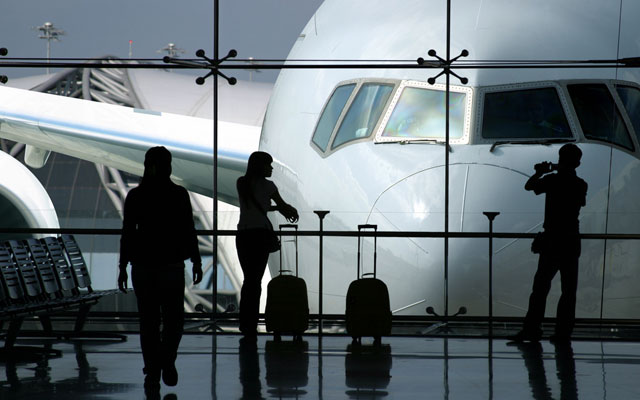
Airports Council International (ACI) World has published updated guidance for airports to aid in their recovery from the Covid-19 pandemic.
As the industry prepares to sustain a long-term recovery, the third edition of Airport Operations Business Restart and Recovery has been retitled to Airport Operations and Covid-19: Business Recovery.
ACI’s updated guidance includes information on health passes, Covid-19 testing facilities and risk management
The guidance includes updates on the practical and efficient health and operational measures that can be introduced to support safe travel. ACI has also expanded the guidance to include information on health passes and vaccinations, as well as risk management when returning to operations, with a particular focus on human factors during recovery.
ACI World director general Luis Felipe de Oliveira said: “With the roll out of vaccines worldwide and the loosening of travel restrictions, the time for airport business recovery is here. The updated guidance will help airports to seize the moment. It covers all aspects of airport management and operation to help airport operators choose and implement measures that might be appropriate according to local circumstances.
“ACI continues to advocate the importance of governments policy support and assistance to pursue a coordinated and risk-based approach to combining testing and vaccination to promote travel when the epidemiological situation allows.”
The third edition of this publication has been sponsored by Honeywell, which have contributed new chapters on technological solutions for healthy airports.
A new theme park and the first one in Cameron Highlands will be constructed across a 24ha valley at an elevation of 220m.
This will be the largest Escape park in Malaysia, and the third addition to the Escape brand of theme parks after Escape Penang and Escape Challenge in Petaling Jaya, Selangor.
An artificial ski slope will be part of Escape Cameron Highlands’ offerings in phase one of its opening
When phase one opens in 2023, one its unique attractions will be its artificial ski slope, where guests can ‘ski’ without natural snow.
The investment of phase one is expected to be around RM15 million (US$3.5 million); while the entire project, comprising three or four phases, is expected to be completed within a decade and is conservatively estimated to exceed RM100 million, said Sim Leisure Group founder and CEO, Sim Choo Kheng. Sim Leisure Group will design, build and manage Escape Cameron Highlands.
Sim added: “Unlike other theme parks, Escape adopts the strategy of development in multiple phases to continuously add the novelty factor by introducing new attractions every year. As such, the project will continuously morph to evolve into something bigger and better, while still retaining the flavour and ethos for which the Escape brand is known.”
Escape Cameron Highlands will bring the brand’s signature Gravityplay and Adventureplay games to new heights, capitalising on the site’s overall 220m height difference. The theme park will be themed into five different European villages at varying elevations – starting with the Iberian village at the bottom, followed by the British, Balkan and Nordic villages moving up, before finally peaking at the Alpine village at the top.
These themed villages will also feature accommodation and rental offerings, in addition to hosting traditional European pastimes and activities, shared Sim.
With sustainability being at Escape’s core, Escape Cameron Highlands will preserve the natural habitat, setting the trend for sustainable theme park development. The attraction is built in collaboration with the site’s landowner, Hektar Muda Assets, led by Jimmy Doh.
Speaking at the virtual signing ceremony between Sim Leisure and Hektar Muda Assets, minister of tourism, arts and culture, Nancy Shukri, shared: “Escape Cameron Highlands will literally and figuratively be a breath of fresh air, as far as the tourism industry is concerned. This novel destination stands to offer something truly unique: reconnecting us with nature.
“The future of global tourism will be about family fun in the form of wellness. I predict an exponential growth in demand for nature-based tourism worldwide. Malaysia will set itself apart from its regional neighbours by promoting clean, healthy, family-oriented tourism. We will capitalise on our abundant natural beauty heading towards this new direction.
“Escape Cameron Highlands will do so much more than revitalise Cameron Highlands as a major tourism hub. This timely development will kickstart the revival of Malaysia’s domestic tourism industry, as a whole, which has been greatly hit by the Covid-19 pandemic since last year.”
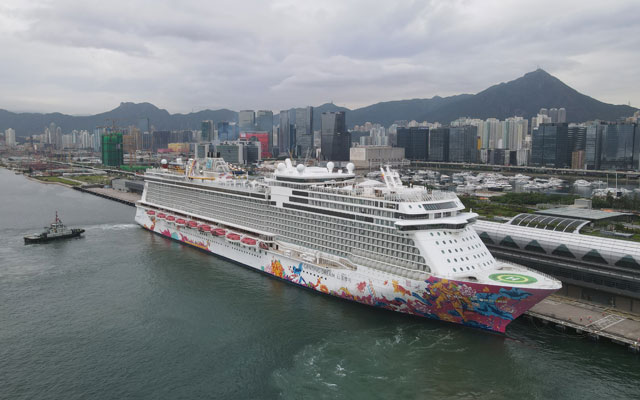
Dream Cruises’ Genting Dream is the first cruise ship to restart operations in Hong Kong with her maiden Super Seacation voyage on July 30.
More than 1,000 guests took part in the historic inaugural voyage on Genting Dream which departed from Kai Tak Cruise Terminal.
Over 1,000 guests took part in Genting Dream’s inaugural voyage in Hong Kong
To celebrate the occasion, an official ceremony was held, which was attended by Hong Kong’s secretary for commerce and economic development Edward Yau Tang-wah, Hong Kong Tourism Board’s chairman Pang Yiukai, and Genting Cruise Lines’ president Kent Zhu.
“We are extremely proud that Genting Dream will be the first cruise ship to restart operations in Hong Kong and we are grateful for the support we have received from the Hong Kong government, authorities and trade partners for their trust in Dream Cruises,” said Zhu.
“We have also been very encouraged by the response to our Super Seacation Cruises with sold out and very strong bookings throughout the month of August. With the increase in the rate of vaccinations in the city, we are confident that our Super Seacation cruises will become one of the most popular vacation options for the residents of Hong Kong in the near future.”
In preparation for welcoming its first passengers on board, since her arrival into Hong Kong in early June, the crew of Genting Dream has been implementing new health, hygiene and operating protocols.
All crew members have been fully vaccinated 14 days prior to the cruise. Guests must also be fully vaccinated 14 days before their departure date and must pass a Covid-19 PCR test 48 hours prior to sailing.
Genting Dream will offer two and three-night Super Seacation itineraries, with three weekly sailings. Highlights of the July 30 cruise included a magic show by local magician Louis Yan, while the August 1 sailing features yoga classes led by Coffee Lam, a certified yoga instructor.
A national vaccine rollout has boosted Indonesians’ confidence to travel domestically in the second half of the year, but the majority will shun long-weekend travel to avoid the tourist crowd on their getaways.
That is among the findings of Inventure-Advira’s new report titled Indonesia Industry Outlook 2nd Semester, 2021: Consumer Megashifts Post Vaccine.
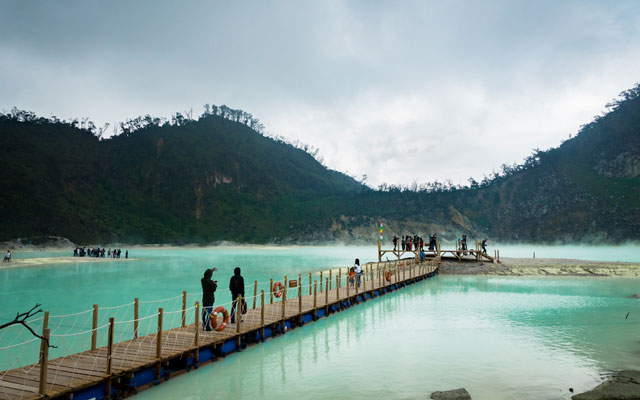
Nature wonders like White Crater in West Java, Indonesia gain appeal among domestic travellers post-Covid
The report conducted in mid-June to find out trends across 10 major industries, including tourism, hospitality and F&B, in the country also showed that more Indonesian travellers were seeking out CHSE-certified facilities and that the demand for tourism villages is on the rise. CHSE certification is given to destinations that have fulfilled standards of cleanliness, health, safety and environmental sustainability.
Yuswohady, managing partner of Inventure, said: “Before the pandemic, the people’s interest in spending long weekends travelling was very high. The situation has changed post-pandemic. Our survey showed that 71 per cent of respondents would avoid travelling during such period, even if they have been vaccinated, for health and safety reasons.”
He said that the shift towards remote working and learning means that holidays don’t have to be reserved for long weekends as employees can work from anywhere and children can learn from anywhere. Besides, the government has come up with the Work from Bali programme to encourage government staff to work remotely from Bali, while also promoting workations at destinations such as Yogyakarta, Lombok and Labuan Bajo.
The survey also revealed that 83 per cent of respondents would opt to holiday at tourism villages, which boast nature, eco, wellness and adventure offerings.
“Travellers (prefer to) visit destinations (with) nature offerings (in the wake of the pandemic). That’s why hotels located in green areas such as Labuan Bajo have become more interesting,” Maulana Yusran, secretary general of the Indonesia Hotel and Restaurant Association, said at a conference to launch the e-book containing the survey findings.
Resultantly, city hotels are suffering and have had to resort to offering staycation and self-isolation packages to keep their businesses going, according to Maulana.
He urged the government to allow meeting spaces to continue operating amid the current social restrictions as business events contributed 30-40 per cent to city hotels’ revenue. Moreover, the Inventure-Advira survey showed that 60 per cent of respondents wanted business events to be held in-person in the post-vaccination period.
Maulana said: “Having received CHSE certificates mean that hotels have implemented all the required protocols to run an event, so there is no need for the government to bar events (as part of Covid-19 restrictions).” He also noted that traditional markets, which tend to be crowded and adhere less to protocols, are allowed to remain open during this period.
When it comes to F&B establishments, CHSE certified (79 per cent) and outdoor restaurants (77 per cent) serving healthy menus (72 per cent) will be top picks among customers, according to the survey.
Yuswohadi said that restaurants will be competing over the next few months to offer new operational models in response to hygiene and safe distancing concerns alongside greater demand for low-touch options.
The survey also noted that consumers who had become used to ordering F&B online during the social restrictions would continue this habit (71 per cent) even when restrictions ease.
Rex Marindo, founder of Foodizz, projected rising demand for food delivery services will attract more restaurants to adopt cloud-kitchen models, focused on serving customers online without providing dine-in facilities.












Vietnamese budget airline Vietjet has recorded higher year-on-year revenue, earning VND127 billion (US$5.5 million) in the first half of 2021, despite the pandemic.
According to financial statements released by the Vietjet Aviation Joint Stock Company, Vietjet’s air transport revenue reached VND2,973 billion in 2Q2021, recording a 51 per cent year-on-year growth thanks to high travelling demand in April.
The airline has also sought ways to lift the cargo sector despite the impact of the fourth wave of Covid-19 in Vietnam this quarter.
Vietjet’s consolidated revenue totalled VND4,337 billion in 2Q. Revenue in passenger transport for 1H2021 was recorded at VND5,818 billion, generating a post-tax profit of VND13.7 billion. The airline’s consolidated revenue and consolidated post-tax profit were reported at VND8,386 billion and VND127 billion, respectively – both higher compared to 2020.
Amid the aviation slowdown, Vietjet has expanded its business portfolio by venturing into financial and project investments which has raked in more than VND1,756 billion of revenue. Vietjet’s total assets reached VND44,000 billion by the end of June.
Vietjet has transported more than 4.8 million passengers on 34,000 flights over the first six months of the year. The airline has also focused on refining operation protocols and boosting its cargo operations, resulting in a 40-45 per cent year-on-year growth.