

Hong Kong eyes travel bubble with Phu Quoc Island
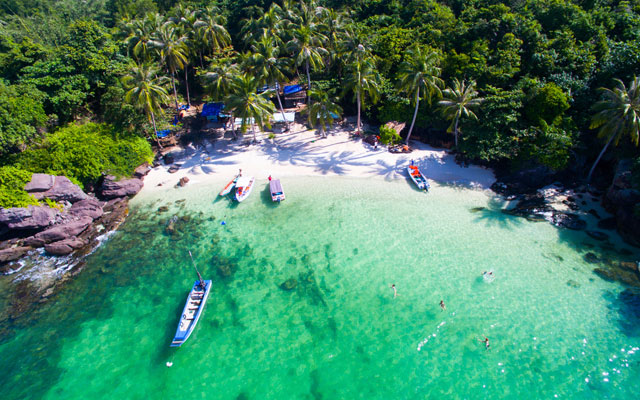
Hong Kong is exploring the possibility of establishing a travel bubble arrangement with the Vietnamese holiday island of Phu Quoc, as the city looks towards the resumption of international travel.
During a meeting with Vietnamese consul general Pham Binh Dam in Hong Kong on Wednesday (August 4), Jason Wong, chairman of the Travel Industry Council of Hong Kong (TIC), said Phu Quoc is an ideal place to deploy the travel corridor if the two sides reach an agreement on isolation exemption and specific implementation mechanisms, reported Vietnamese news outlet VnExpress International.
With no end in sight to the pandemic, border closures are causing businesses and economies to collapse while failing to keep countries absolutely safe, Dam was quoted as saying by the report.
“Therefore, border reopening would be necessary but should be piloted on a small scale before being expanded,” he added.
Dam said he would work closely with TIC and relevant agencies of both sides to implement a travel corridor as soon as the situation allows.
Phu Quoc is preparing to reopen to vaccinated international travellers in October, with an inoculation campaign under way as part of that plan.
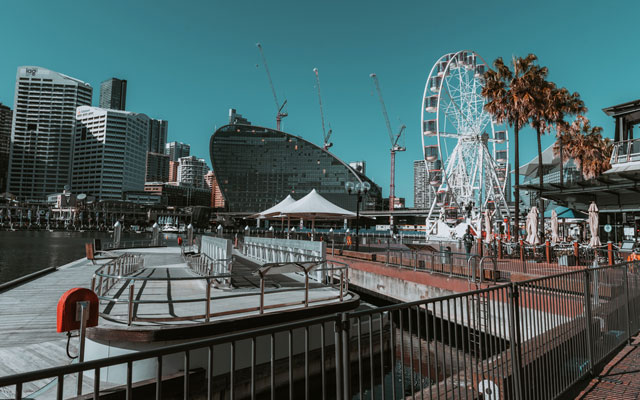
Vivid Sydney cancelled once more

The New South Wales government has cancelled Vivid Sydney 2021 due to the state’s ongoing Covid lockdown.
The high-profile festival was originally scheduled for August and postponed to September and October.

Tourism minister Stuart Ayres said it was “incredibly disappointing to cancel for the second year but the most responsible decision was to cancel early, giving everyone certainty and minimising impacts where possible”.
While the 2021 edition has been taken off the calendar, preparations for Vivid Sydney 2022 are now underway.
Singapore begins four-step pandemic exit transition
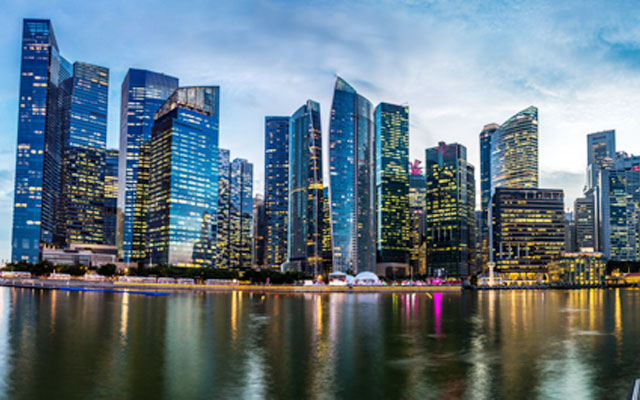
Fully-vaccinated Singapore residents will begin to enjoy greater social freedom from August 10, as the city-state moves into the first phase of her four-step transition to becoming a Covid-19-resilient nation.
Fully vaccinated individuals will be allowed to gather in groups of five, up from the current two. This applies to F&B settings. They can also take part in live performances, which will be allowed to host up to 500 fully vaccinated individuals.
Singapore will continue to ease restrictions, with permitted event capacity expanding to 1,000 fully vaccinated individuals come August 19 if conditions remain good.
According to health minister Ong Ye Kung, who is one of the chairs of Singapore’s Covid-19 multi-ministry task force, this initial phase will run from August 10 till early-September, when 80 per cent of the Singapore population is likely to be fully vaccinated. With a higher rate of vaccination, Singapore’s economy will be further opened up, with more social activities allowed and travel made possible, he said.
The task force also announced plans to offer greater quarantine flexibility for fully vaccinated travellers from Australia, Austria, Canada, Germany, Italy, Norway, South Korea and Switzerland.
From August 20, travellers from these eight countries will be allowed to serve their 14-day stay-home notice (SHN) at their own places of residence instead of a dedicated facility.
To qualify for this scheme, travellers must have remained in the approved countries for the last 21 consecutive days before leaving for Singapore, and must either be staying alone or with other fully vaccinated household members who are under SHN for the same duration and with the same travel history.
All travellers must show proof of approval to serve SHN at their place of residence when they arrive in Singapore. They will be required to wear an electronic monitoring device to ensure compliance, and legal action will be taken against those who breach SHN requirements or make false declarations, said the Ministry.
Travellers who opt for this scheme will have to utilise and pay for specially designated transport services to and from their place of residence.
These latest measures are expanded from an ongoing allowance for travellers from New Zealand, Brunei, mainland China, Hong Kong, Macau and Taiwan to serve SHN at their place of residence.
Ong also revealed plans to establish travel lanes with selected countries, where frequent Covid-19 tests will replace quarantines.
Hotels hoist white flags in protest against toughest Covid restrictions yet in Indonesia

A number of independent hotels and restaurants in some Indonesian regions, such as Bandung, Garut and Yogyakarta, have been raising white flags as a sign of defeat and protest against the government’s strictest lockdown yet to curb a second Covid-19 wave linked to the Delta variant.
The strict public activity restrictions (PPKM), which came into effect in early July, has been extended twice. On August 8, Indonesia recorded a total number of 3,666,031 Covid-19 cases, an increase of 26,415 cases from the day before; while the number of deaths rose by 1,498 to 107,096.

Maulana Yusran, secretary general of the Indonesia Hotel and Restaurant Association (IHRA) National Board, said that the current PPKM were much tougher as compared to last year’s, with transportation, accommodation and F&B among the hardest-hit sectors.
“Last year, hotel occupancy rates dropped to an average of 30-40 per cent, while room rates dropped by 30-40 per cent. However, business owners still had savings to spend,” Maulana said.
Business saw a slight pick-up between March and June this year. However, with the enforcement of the latest PPKM, hotel owners had run out of funds to sustain their businesses, thus the white flags, Maulana explained.
“We expect that when (the authorities) stop us from doing business, they should also relax all kinds of taxes and (reduce) electricity tariffs,” he said.
“We are also facing problems with bank loans. The government halted our businesses abruptly, but interest rates cannot be changed so quickly. All these have depleted our savings and affected the workforce.”
Maulana said about 60 per cent of hotel staff have been laid off or have had their contract not extended.
Billy Dahlan, chairman of the Indonesian Young Entrepreneur Association (HIPMI) Central Java Chapter, opined that while PPKM policies are aimed at saving around three million people or around 1.1 per cent of the total population, the “prorated” policy had impacted some 90 per cent of social and economic structure in the country.
Speaking at a recent dialogue with industry stakeholders and the media, Billy, who is also president director of Dafam Hotel Management, said: “I’m not against the restrictions and not underestimating those combatting the virus, but I do think that the government should change its strategy as the PPKM policies are not effective.”
“The way I see it is that the problem does not lie on the people’s mobility but whether each region has the ability to handle positive cases,” he said, adding that the critical issues were the lack of medical facilities, infrastructure and personnel in many places.
Billy further said: “If a lockdown were to be imposed each time a new variant appears, when will all this be over? The government has to date spent up to 700 trillion rupiah (US$48.3 billion) on social aids and incentives, which (are only stop-gap measures). Such budget will be more useful (for the long-term) if the government were to spend it on upgrading health facilities and expanding the medical workforce.”
Meanwhile, Amaz Andraasmara, chairman of the Central Java Chamber of Commerce, expressed hopes that the enforcement of one PPKM policy across the board like the ongoing PPKM Level 4 that was implemented across regions in Java-Bali since early July would not happen again since not all areas experienced the same levels of infection severity.
Malaysia to ease Covid-19 curbs for fully vaccinated in eight states
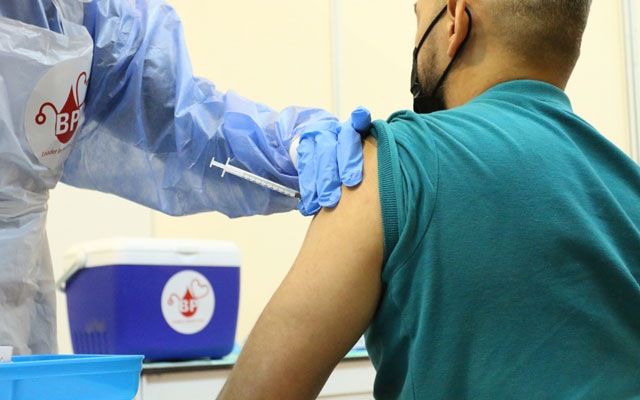
Malaysia will relax Covid-19 restrictions for fully vaccinated people in eight states where cases have dropped and vaccination rates are higher.
The measures, which take effect from Tuesday (August 10), will allow dining-in at restaurants, outdoor individual sports and inter-district travel, said prime minister Muhyiddin Yassin in a televised address on Sunday.
Hotels and homestays will also be allowed to receive domestic guests, but only those from within the same state, as the nationwide interstate travel ban will remain. Outdoor sports and leisure activities that do not involve physical contact and are not group activities will also be permitted.
These measures will apply to those who are fully vaccinated in states that have entered phase two and beyond. All states have moved on to phases two and three, except Selangor, Kuala Lumpur, Negri Sembilan, Kedah, Johor, Melaka and Putrajaya.
Additionally, in all states and Federal Territories, fully vaccinated citizens and non-citizens who are returning from abroad and have a residence in Malaysia will be allowed to undergo mandatory quarantine at home. Parents who are fully vaccinated will also be permitted to travel inter-district and interstate to visit their children aged 18 and below, while long-distance married couples will be allowed to travel interstate and inter-district to meet each other. Places of worship will also be allowed to reopen for those who are fully vaccinated.
Muhyiddin said the decision to relax restrictions was made after receiving feedback from the Health Ministry.
He said: “This decision was made very carefully and it is in line with data collected in the country on the effectiveness of complete vaccination as well as principles of science and public health applied around the world.”
He added that two criteria must be met in allowing privileges to fully vaccinated individuals. Firstly, the individual must have passed the 14th day of the second dose of vaccination for the two dose vaccines, namely, Pfizer, AstraZeneca and Sinovac. Secondly, recipients of single dose vaccines, namely Johnson&Johnson and CanSino, are granted the privileges 28 days after the date of injection.
Malaysian Association of Hotels (MAH) said that the relaxation announced for fully vaccinated people is a significant step forward, not just for the tourism industry but also for the country as a whole. “It bears commitment from the government to transition the country from the state of pandemic to accepting Covid-19 as endemic,” said MAH president N Subramaniam.
The tourism industry in phases two and three can prepare itself for an impending reopening. Subramaniam said: “Allowing dine-in at restaurants, for example, is expected to benefit hotels, particularly those certified Clean & Safe by Bureau Veritas Certification Malaysia (a proprietary hygiene and safety label for hotels by MAH) that had since its inception included ventilation, airflow and seating arrangements as part of its safety and health guidelines for restaurants within the hotels.
“The overall high compliance of SOPs by hotels is an added assurance to the general public that it is safe to dine and even stay, whether it is just for a short staycation or for any other travel purposes.”
Another proposal by MAH, presented to the Minister of Tourism, Arts & Culture earlier this year, is to allow fully vaccinated persons to travel inter-district and interstate, with added controls of confirmed hotel bookings and itinerary that can be counter-monitored by hotels.
Subramaniam shared: “With the current progress, this should be the next phase of relaxation, commencing for travels between states that had transitioned to phase two of the National Recovery Plan. The hotel industry is ready and will support the government in taking calculated steps towards full reopening of tourism, not just domestic but also international.”
Building back better
Cambodia
Country-wide greening
By Marissa Carruthers
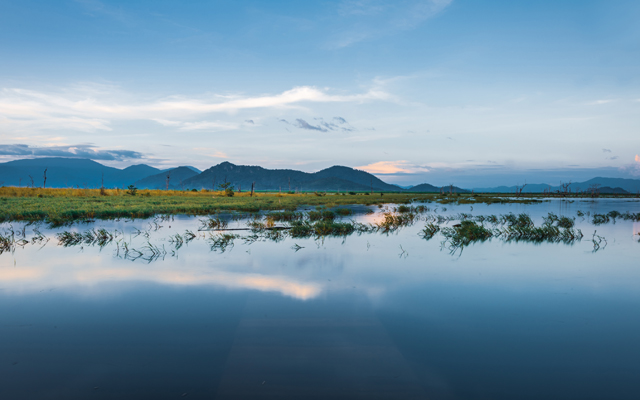
Huge efforts are being ploughed into developing Cambodia’s eco-offerings to lure visitors once borders open.
The World Bank has launched its biggest tourism investment in the country – the US$54 million Cambodia Sustainable Landscape and Eco-tourism project. This will span eight provinces across the protected area of the Cardamom Mountains up to the Tonle Sap Lake’s flooded forests and Phnom Kulen in Siem Reap.
As well as encouraging traditional community-based eco-tourism and eco-tourism projects, it aims to engage the private sector in protecting the area and sustainable work. Eco-lodges, adventure activities and camp sites are some of the developments being mooted, with each project given a maximum of 10 hectares in the protected areas.
The ultimate aim of the project is to build back a stronger tourism sector and supplement the income of remote communities to avoid illegal activities, such as wildlife trafficking and logging.
Nick Ray, Hanuman Travel’s product director, is involved with the project. He said: “In terms of recovery, eco-tourism is a very important element and has been growing well domestically here during Covid. When foreign tourists can come back, we expect to see a lot of demand for slow travel and Cambodia has a lot of opportunities for remote activities.”
Ray added the domestic drive has also opened up new opportunities and discovered new spots. For example, camping has proved popular with locals. As part of the World Bank project, a “golden standard” camp site will be created and the model then rolled out to other areas.
He noted: “Domestic travellers have unearthed exciting places, such as fringe areas of the Cardamoms home to grasslands perfect for camping, beautiful waterfalls and trekking. We need to develop these sustainably and ethically for the international market.”
Virginie Kury, Asian Trails general manager, said responsible travel is key to product development for post-pandemic visitors, and there is a wealth to be discovered in Cambodia. She added: “Responsible adventure at Shinta Mani Wild, Koh Dach by local transportation, or cycling on the hidden path of remote temples are just a few examples of what we can offer.”
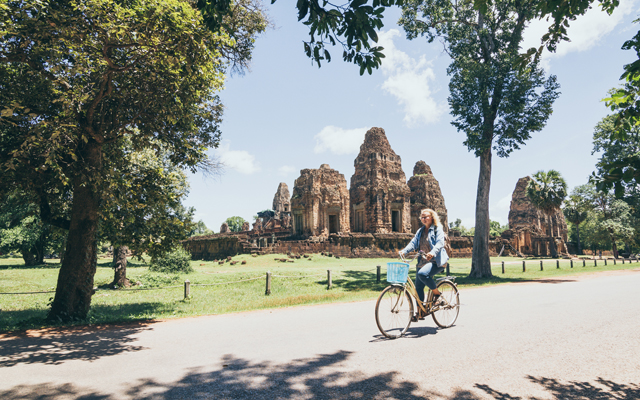
In Siem Reap, a beautification project is underway. This includes 38 roads in the centre being renovated to make the destination more cyclist- and pedestrian-friendly.
Steve Lidgey, general manager of Travel Asia a la carte, said a cycling path has been created at Angkor Wat Archaeological Park in response to a huge hike in locals cycling there. When borders open, it is hoped this will encourage visitors to explore in a greener way than the traditional tour buses, tuk tuks and cars.
“It’s a positive development for tourists to visit the temples in an environmentally-friendly way,” he said.
Additionally, areas in Siem Reap province are using this down time to clean up their act. For example, Preah Dak in Banteay Srei district is becoming a model village, with waste disposal and management schemes and solar powered lighting for each household being developed.
Indonesia
Keeping sustainable tourism promises
By Mimi Hudoyo
Indonesia’s Ministry of Tourism and Creative Economy (MoTCE) has made the development of quality and sustainable tourism its priority pre-pandemic, but the value of this quest has only become more apparent as new post-pandemic travel behaviours surface.
Travellers today expect travel to be more personalised, customised, localised and conducted in smaller groups. They also have a greater awareness of environmental conservation.
Sandiaga Uno, Indonesia minister of tourism and creative economy, said environmental social governance would be implemented across the country.
One of MoTCE’s goal is to have Bali tap into only new and renewable energy, deploy environmentally friendly waste management, and utilise electric car and solar panels by 2030.
Along with MoTCE’s responsible tourism development, the Indonesian government is running national campaigns – Bangga Buatan Indonesia to raise awareness of local-made products, and Beli Kreatif Lokal to encourage the purchase of local creative products.
Sandiaga said the campaigns also serve to encourage small- and medium-scale businesses to go digital, and to develop more innovative and competitive products by leveraging local wisdom.
To help small businesses along, especially those in F&B, fashion and craft, the minister provides guidance in drafting digital promotion strategy, developing sales network, building synergy with digital marketplaces, and creating legal entity and obtaining intellectual property rights.
In addition, MoTCE is also campaigning to develop and empower tourism villages – a product that meets the post-pandemic interest in personalised, customised, localised and small-sized tours.
Sandiaga revealed that the development strategy will include adoption of new health and hygiene protocol, digital innovation, and content creation with various parties.
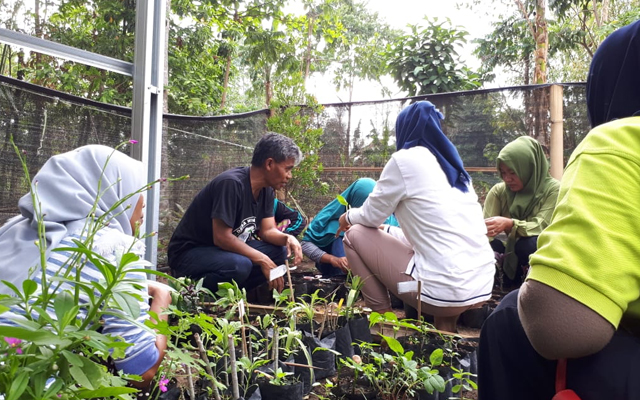
To ensure that village tourism truly benefits the local community, Sugeng Handoko, activist at the Nglanggeran Tourism Village, Yogyakarta, said ownership and management must remain in the hands of the villagers. Relating his story, Sugeng said: “Nglanggeran is owned and managed by 154 locals and (tourism takings) benefit more than 700 community members.”
Pahrul Azim, director of Bilebante Lombok Tourism Village, agrees. He said: “When the community here realises that their daily activities attract visitors, they will appreciate what they are doing for a living.”
For example, Bilebante residents have seen how their traditional herbs – often consumed as medicine and health supplements – have been used to develop beauty and wellness treatments, with the help of renowned Indonesian cosmetic and traditional herbs producer, Martha Tilaar. Since 2019, the village has offered visitors treatments by certified therapists and the sale of herbal products.
Over in South Sumatera, visitors can visit Musi Banyuasin to see how plant-based food packaging and plates are produced. The initiative, a collaboration between the Community Driven Innovation of Conservation Areas and the Regency Government of Musi Banyuasin, uses locally grown areca nut leaves, known as plepah among the villagers, to manufacture compostable alternatives to plastic and Styrofoam food containers.
The production benefits Musi Banyuasin residents, as each plantation plot can take in 15 labourers and provides women folk with an additional source of income, noted Thia Yufada, head of Musi Banyuasin Family Empowerment and Welfare.
The Philippines
Playing up slow tourism and natural draws
By Rosa Ocampo

Tourism rejuvenation across the Philippines comprises mainly of delectable sites and activities best served in their natural, raw state with extra dollops of care and concern for long-term sustainability and responsibility.
This approach gives in to what travellers want. Based on a Department of Tourism (DoT) survey, travellers’ preferences are evolving, with most choosing more personalised packages, outdoor activities in well-ventilated areas like beaches, hiking, and biking, and travel with family members for safety.
These preferences have presented opportunities for new products and services with these operative words: sustainable, responsible, CSR, community, interactive, slow tourism, back-to-basics, nature and natural.
Rajah Tours president Jojo Clemente said enquiries are on the rise for interactive or immersive activities, such as farm visits to indigenous communities and culinary tours.
“These are things that we can readily offer as destinations continued to develop these products despite the pandemic,” added Clemente.
He expected Eastern Visayas, Southern Luzon and some parts of Mindanao to be growth areas and to support the spread of income from sustainable tourism.
Better yet, responsibility and sustainability have been woven into tourism rules and regulations, such as the full implementation of the Sustainable Tourism Development Project (STDP) this year.
STDP is transforming tourism communities into resilient, inclusive and sustainable ones with projects that improve drainage, solid waste management and ecosystem-based tourism site management, as well as develop enterprise and skills, according to tourism secretary Bernadette Romulo-Puyat.
As more tourists are drawn to coastal areas, the DoT will conduct awareness seminars for stakeholders on sustainable and responsible marine tourism guidelines in 2H2021, while advocating to educate tourists on sustainable tourism.
“Respecting the ocean and its inhabitants must be the top priority of every tourist who wants to connect with marine wildlife. Learning how to properly engage with these species is a small but crucial step in protecting and sustaining our marine biodiversity,” Romulo-Puyat added.
Overland, the DOT has revised accreditation standards for hotels and resorts. Environmental indicators and sustainable practices are now included in the rating system, to encourage owners to be more environment-friendly in their daily operations.
“Our tourists are more likely to support tourism operators that care for the environment,” Romulo-Puyat said, emphasising the need to provide excellent services without compromising the country’s natural resources and the community.
Slow tourism is expected to gain ground, while community-based tourism programmes are being improved across the Philippines. These are factored in various tourism circuits that are being developed all over the country, including immersion in local and indigenous communities. Offerings include wellness and healing packages that feature various types of local massage, called hilot, and the use of indigenous herbs and virgin coconut oil; various types of cloth weaving or habi; endangered artistic practices; slippers or tsinelas crafting; and cooking local delicacies.
During the last Virtual Luzon Regional Consultative Meeting, Fanibeth Domingo, chief tourism operations officer of Cagayan Valley and Northern Philippine Islands Region, unveiled the New Normal Tourism Circuits that include adventure sports, culture and heritage, flora and food, and water sports.
Carolina Uy, Central Luzon tourism regional director, said that given Filipinos’ penchant for eating with family and friends, they are improving their tourism products with slow food and slow travel caravan to Pampanga and Bulacan, both known for their heirloom cuisine, combined with farm visits.
Thailand
Building destinations that support locals
By Suchat Sritama
Thailand’s travel and tourism industry is determined to build back better post-Covid-19 through responsible tourism products and a stronger focus on distinctive sites that appeal to special interest groups.
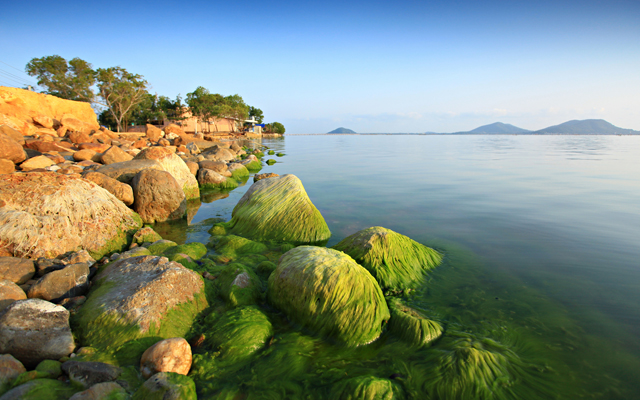
Established in 2003 to fulfil the latter goal, the Designed Areas for Sustainable Tourism Administration (DASTA) will develop three destinations based on responsible tourism and community support over the next few years. The regions earmarked for this are: Songkhla Lake in the south, which straddles three provinces Songkhla, Phatthalung and Nakhon Si Thammarat; Chiang Rai province in the north; and Bang Kachao in Samut Prakan province, near Bangkok.
DASTA director-general Athikun Kongmee also revealed that the agency has plans to promote local culture and natural geology in the Nakhon Ratchasima, Buriram, Sisaket, Surin and Ubon Ratchathani province.
DASTA has achieved success in what it set out to do. In May this year, it launched the Korat Geopark project in Nakhon Ratchasima province, in hopes of bringing the site into UNESCO’s International Geosphere-Biosphere Programme.
Should the effort pay off, Nakhon Ratchasima will join Sakaerat Biosphere Reserve and World Natural Heritage Site of Dong Phayayen in donning UNESCO crowns.
Athikun believes that the Korat Geopark project will entice nature- and adventure-lovers from within and beyond Thailand, while the new elephant fossil park within will allow the destination to compete on a global scale.

Beyond destination development, DASTA shoulders another critical responsibility – to drive increased income into local communities, preserve the local environment, and nurture local entrepreneurs.
In 2020, tourism revenue flowing into communities developed by DASTA rose by 10 per cent despite the pandemic.
As Thailand shapes its tourism future on home ground, efforts are also invested in destination promotions overseas. Yuthasak Supasorn, governor of the Tourism Authority of Thailand (TAT), said offices overseeing Europe, Africa and the Middle East are shining the spotlight on several regenerative responsible tourism routes that combine major and secondary cities. Each route caters to a niche interest – cultural route Kanchanaburi to Samut Songkhram; vegan route Chiang Mai to Mae Hong Son; gem and jewel route Chantaburi to Trat; and coffee route Chumphon to Ranong.
Meliá Koh Samui marks island’s reopening with Island Indulgence offer

Meliá Koh Samui has launched a seven-night package anchored by a stay in a refurbished merchant vessel.
The resort’s Island Indulgence offer requires a minimum stay of seven consecutive nights in a Boat Suite, priced at 25,555 baht (US$777) nett. The two-story Boat Suites are made from refurbished teak wood merchant vessels that are more than 100 years old and once plied the Gulf of Thailand’s waters.

Guests can also opt to stay in a Premium Room (priced at 22,222 baht nett for seven nights) which features a separate bathtub and shower, with a large private balcony overlooking a 700m-long lagoon pool.
The package includes daily breakfast for two, a cocktail each for two per stay, a 20 per cent discount on food and non-alcoholic beverages, a 50 per cent discount on spa treatments at YHI Spa, round-trip airport transfers, round-trip hospital transfers for international travellers who require a third Covid-19 PCR test, and two pieces of laundry per person per day.
Promotion is valid for bookings from now until March 24, 2022 for stays until March 31, 2022. Stays can be extended on a pro-rata basis.
Full prepayment is required at the time of booking. The offer is non-refundable and two free amendments per booking are permitted.
Koh Samui reopened to fully vaccinated international tourists on July 15, under the Samui Plus programme. Visitors entering Koh Samui are required to present a series of documents, including a certificate of entry, proof of having spent the previous 21 days in a low- or medium-risk country, proof of vaccination, and a negative Covid-19 PCR test result issued 72 hours before departure.
Travellers are also required to purchase Covid-19 health insurance with minimum coverage of US$100,000, and show confirmation of booking at a Samui Extra+ hotel (seven nights) extended to a SHA+ certified hotel from the eighth night. They must also download and activate the application specified for Koh Samui and undergo a PCR test upon arrival.
Meliá Koh Samui, a SHA+ certified hotel, is able to accept reservations for international travellers who spend at least seven days in Phuket or a Samui Extra+ hotel with a negative result on their second PCR test.
Chatrium Hotels & Residences taps Trip Affiliates Network’s B2B direct booking services

Chatrium Hotels & Residences (CHR) has signed an agreement with Trip Affiliates Network (TA Network) to collaborate for its online direct booking services for agents, wholesalers and corporates within the TA network ecosystem.
TA Network’s turnkey solutions and connectivities bring together Asia-Pacific travel wholesalers, operators and DMCs onto a single platform.

CHR manages seven properties across Thailand, Myanmar and Japan, including the Chatrium Hotel Riverside Bangkok, Emporium Suites by Chatrium, and Chatrium Residence Sathon Bangkok.
The TA Network platform leverages technology solutions adopted by hotels to facilitate their direct connectivity, and automate their inventory management processes with their traditional offline contractors.
In addition, TA Network’s digital payment solutions enable hotel clients with virtual card or virtual bank account services to process payments from their global contractors, thereby minimising cross border & FX fees.
TA Network’s managing partner Ho Siang Twang said: “In a post-Covid new normal, hotels are increasingly looking for more dynamic tools to broaden and deepen direct online booking partnerships with their preferred agents and corporates, and yet with greater administrative ease using process automation solutions and seamless online payment services.”
Pawarisa Hirantanes, group director – revenue & digital distribution of CHR, added: “TA Network solutions have enabled Chatrium Hotels & Residences to manage the conservative wholesale contract digitally with the full functionality of lead time, booking windows or stay pattern promotion, which makes our B2B faster.
“We can also manage dynamic rates with the same level of function as OTAs to work with dynamic wholesalers. Additionally, we will have access to business opportunities to work with several major channels integrated with the TA Network and our contracting process with new partners is faster.”
Dubai Tourism ropes in Hollywood stars Jessica Alba and Zac Efron for new global campaign

Dubai Tourism has launched a new global campaign, Dubai Presents, showcasing the Middle Eastern city via a series of blockbuster trailers featuring Hollywood A-listers Jessica Alba and Zac Efron.
The campaign invites global travellers to put themselves in the picture, write their own script and appear in their very own cinematic adventure, with Dubai’s locations providing the backdrop.
Filmed by award-winning director Craig Gillespie, the campaign features a series of six short trailer films across different genres, each taking viewers on a captivating journey across the city. Kicking off with the spy action genre, the campaign will also see Alba and Efron in a series of trailers across multiple genres launching in sequence over a period of four months.
The campaign is Dubai Tourism’s latest effort to keep the city top-of-mind among travellers in key international markets during the pandemic.
Designed to be a 360 global campaign, Dubai Presents launched across 27 global markets including India on August 5. It is available in over 15 languages including English, Mandarin, German, Italian, French and Dutch. In India, the campaign will appear across channels including OTT, digital and social.
In addition to the six celebrity-led trailers, the campaign also features a series of teaser assets to highlight gastronomy, nature, active and self-indulgent holidays in Dubai.
Dubai recently marked one year since its reopening in July 2020, with data from Dubai Tourism highlighting that the city welcomed 3.7 million overnight visitors, of which 811,600 visitors were from India, during the 11-month period from July 2020 to May 2021.







After being one of the highest-performing countries during the early portion of 2021, Australia’s hotel occupancy has been on a rapid decline amid the latest Covid-19 lockdowns across the country, according to data from STR through August 1.
“New and extended restrictions amid the latest outbreaks have undoubtedly affected performance in recent weeks,” said Matthew Burke, STR’s regional manager for the Pacific region.
“Although winter is likely a precipitating factor for some of the decline, these new restrictions across state borders have meant that a lot of travel is simply not possible. We noted last month that forward-looking data around the country was trending downward, and that has been supported by the actualised figures.”
Markets with longer restrictions have seen occupancy levels drop to below 20 per cent. For the week of July 26 to August 1, the STR-defined Sydney Surrounding market, as well as Sydney, posted 15.6 per cent and 15.8 per cent occupancy levels, respectively. Those were each market’s lowest weekly levels in 2021.
“The extended lockdown in Sydney and most recently in Brisbane have led to airline capacity shrinking dramatically. Qantas, for instance, went from operating at 100 per cent domestic capacity in May to less than 40 per cent in July,“ Burke said.
“For hotels, STR’s latest Forward STAR data shows Sydney, Melbourne and Brisbane with lower levels of occupancy on the books at the start of the month than compared with the same time last year. In markets which are open, a renewed push toward intrastate travel has commenced with tourism voucher campaigns launching in Tasmania and the Northern Territory, with others possible to help stimulate demand. For example, in Adelaide, Friday nights show the highest occupancy on the books with the legacy voucher campaign providing that base stimulatory demand.”
Although up week over week, Adelaide (30.0 per cent), Melbourne (27.1 per cent) and Canberra (21.2 per cent) also came in at notably low occupancy levels for the week ending August 1.
“Like the Northern Beaches cluster in December and January, Canberra’s performance is closely tied to Sydney’s openness,” Burke said. “Despite not having a case, Canberra is still feeling the performance impact.”
The Darwin Area posted Australia’s highest occupancy for the week, at 65.4 per cent. The market’s weekly occupancy was as high as 82 per cent in late May. Queensland came in second during the week, at 61.8 per cent, followed by Perth and Brisbane at 48.1 per cent and 44.7 per cent, respectively.