With 7,641 islands, there’s more to the Philippines than just some of the world’s best islands and beaches with the likes of Boracay, Palawan and Siargao consistently topping lists of major travel publications. Its tropical climate, for one, makes it a top destination to visit all year-round.
Add to that the many incredible diving spots, budget-friendly tourist sites, unique cuisine, interesting mix of different cultures and friendly locals, it’s no wonder visitors keep exploring this tropical Southeast Asian getaway.
When travel safely resumes, seeking new adventures in the Philippines is definitely going to be more fun with you. In the meantime, plan your itinerary with this guide to all the best places the country has to offer.
While waiting for border restrictions to ease, hotels in Singapore are putting a creative spin on room packages to attract staycationers seeking more than a change of scenery.
From fitness classes that cater to active holidaymakers to eco-centric stays big on sustainability, local hotels have something for every kind of staycationer.
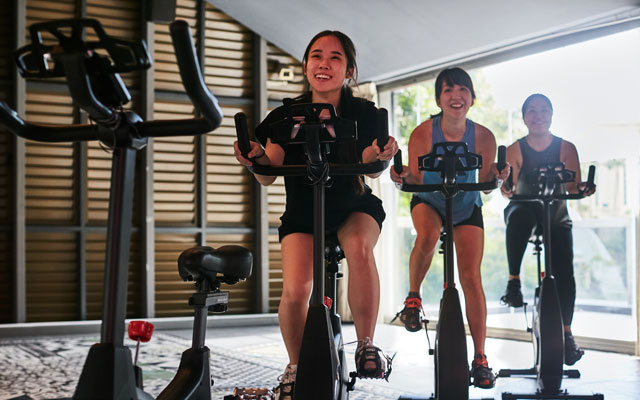
M Social Singapore soft launched in July Singapore’s first ever spin-cation for the active staycationers
Villa Samadhi Singapore launched in May the Green Fingers Experience staycation package, where eco-warrior guests can enjoy a first-hand gardening experience by planting a baby fruit tree within the grounds of the villa, and naming the tree.
“The initiative follows our ethos of conservation and it’s aimed at families to educate parents and children on the importance of preserving the environment,” said June Rashid, group director revenue & strategy at Samadhi Retreats.
“Our approach is steeped in the belief that we can create a sustained value for our guests and our communities, while creating a positive impact and giving back to the environment that we live in.”
Local families make up the majority of the 35 bookings to date, with the rest being expat couples, Rashid said, adding that bookings took a hit during Singapore’s Phase 2 Heightened Alert restrictions.
She added that it’s the first time the hotel has launched a package like this as the management wanted to do something “different and unique”, and launching a green staycation package seemed natural and fitting as the property is nestled in the greenery of Labrador Nature Reserve.
Villa Samadhi Singapore offers guests the opportunity to plant a banana or papaya tree in the resort’s garden
Meanwhile, local pet owners looking for an island escape with their fur-kid has the choice of a luxury option in Capella Singapore. For S$1,450 (US$1,080) per night, pet owners can treat their fur babies to the ultimate pampering experience with the hotel’s Pet Spa-cation package that includes a spa session for feline and canine pals at upscale pet grooming salon Petpawroni.
The package also comes with a welcome basket containing premium treats and toys from Addiction Pet Foods, alongside amenities such as a pet bed and drinking water.
The hotel decided to launch the Pet Spa-cation package as it “saw overwhelming interest in (its) pet-related packages, with up to 30 per cent in products mix attributed to locals who want their pets to join them for staycations”, said Fernando Gibaja, general manager. Since its July launch, the hotel receives on average four to five bookings per month for its Pet Spa-cation package, favoured by couples and families.
According to Gibaja, the pet package has encouraged longer stays at the property. “On average, our guests would stay for a minimum of two nights for ample time to enjoy their island getaway and spa session for their fur-kid,” he said.
Pet owners can pamper their fur-kids with a spa-cation getaway at Capella Singapore
When it comes to capturing staycation demand, Millennium Hotels and Resorts leaves no stone unturned, with a diverse collection of curated offerings at its M Social Singapore property.
Guests can learn how to be mixologists with the Mix & Stay package or create their own aromas with the Bottled Up Happiness deal. The Art Jamming offer brings out the artistic side of guests with an art jamming class at MySpace, the hotel’s event space overlooking the Singapore River.
In July, the hotel soft launched the Spin-cation package, the first-of-its-kind in Singapore, where fitness enthusiasts can partake in an intense, full-body cardio workout on a bike. Despite “good interest” in the spin session, it has since been put on hold due to tightened measures around indoor sports and exercise activities, said Paul Er, vice president (sales, Asia).
Since the launch of these unique staycation options, M Social Singapore has seen an approximately 20 per cent increase in bookings, which has also helped generated spend at the hotel’s F&B outlet Beast & Butterflies, according to Er.
“We have also received more long-stay enquiries coming from returning foreign students pursuing their studies and corporate guests working on projects in Singapore,” he added.
Similarly, Fairmont Singapore has released different packages targeting diverse segments of staycationers. For instance, mothers looking for a respite can recharge with an aromatherapy massage at the Willow Stream Spa and afternoon tea at Anti:dote when they book the Mumcation package.
“When staycations opened up again in Phase 2 (in July 2020), we expected competition will be stiff. We knew we had to create a compelling difference and to sell experiences rather than just bed and breakfast,” shared Vivian Tung, spokesperson for Fairmont Singapore.
Starting with its Mumcation package launched last September, the hotel stepped up “to create product differentiation through strategic segmentation and targeted profiling by customer groups”, said Tung.
She added that the Mumcation package “fast became a competitive edge for us (to differentiate ourselves) from run-of-the-mill hotel staycations that were already flooding our small domestic market” and “continues to be one of our best-selling packages to date”.
Since then, Fairmont Singapore has rolled out other tailored packages such as Spa-cation, Glamp-cation, Paw-cation, Miffy Staycation, and Sustainable Staycation which comes with eco-friendly bathroom amenities and a guided tour of the hotel’s rooftop Aquaponics Farm.
The newest addition to the hotel’s staycation offers is the Mancation, where men and their mates can bond over a bespoke whisky tasting session courtesy of Glenmorangie and Ardbeg at Anti:dote, a shave or haircut at Truefitt & Hill, and a four-course dinner with craft beer pairings at SKAI.
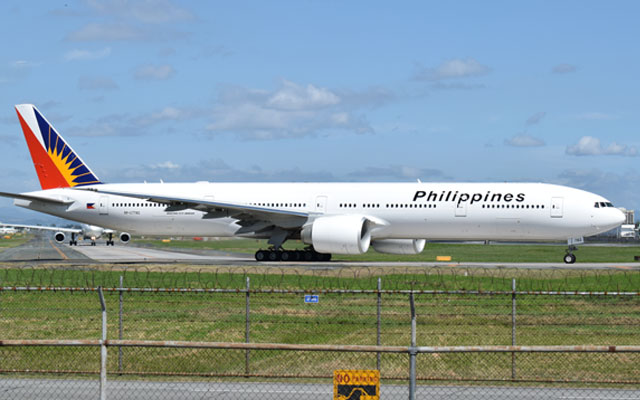
Philippine Airlines (PAL) has made it easier for travellers to pay in their preferred currency when shopping on the airline’s website by deploying Amadeus technology.
The Philippine national carrier is the first airline to deploy multi-currency pricing through Amadeus’ FX Box platform. International passengers shopping on the airline’s website can now choose to have the offer presented in their preferred currency, enhancing the shopping experience.
Travellers on Philippine Airlines will now enjoy a more convenient digital shopping experience powered by Amadeus technology
At the same time, the service allows the airline to control the exchange rates used. With the newly launched FX Box Platform, Philippine Airlines’ offers are repriced in the passenger’s currency based on direct access to highly competitive exchange rates.
Bart Tompkins, managing director, payments, Amadeus, commented: “Displaying the offer in the traveller’s currency drastically improves the shopping experience and boosts conversion rates. Imagine a US citizen who’s travelled to Japan and then needs to book a flight to the Philippines. It’s hard for that US traveller to compare the airline’s offer and make a decision when it’s priced in Japanese yen or Philippine pesos.”
Wilson H. Go, chief information officer, PAL, explained: “By working with Amadeus, we’ve made it easier for international travellers to book our flights in currencies they understand. Enhancing the traveller’s payment options with FX Box provides transparency and improves the experience of our travellers.
“Making travel simpler and easier through digital innovations is a key priority for PAL as we prepare to add more flights and welcome an increased number of international travellers on our nonstop flights within Asia, to North America, the UK, and the Middle East.”
Global payments provider Adyen has completed an integration with Shiji Payments, providing hospitality businesses the ability to utilise the Adyen platform together with Shiji, a network solutions provider for the hospitality industry.
The integration simplifies the payment process for hospitality businesses by removing the need for a list of platforms and suppliers which usually includes separate processes for property management systems, F&B point of sale, and guest experience platforms.
Adyen’s integration with Shiji Payments simplifies the payment process for hospitality businesses
Hotels can consolidate all of these front-end business systems and payment needs, including having the same point of sale setups across regions and easier reconciliation across all channels, to ultimately deliver a seamless customer experience.
Michael Balzer, vice president Shiji Payments, Shiji, said: “Our partnership with Adyen allows us to further improve the operational efficiency of our customers by providing a platform that guarantees a truly seamless and personalised experience for their hotel guests.”
Le Méridien Maldives Resort & Spa, the Maldives
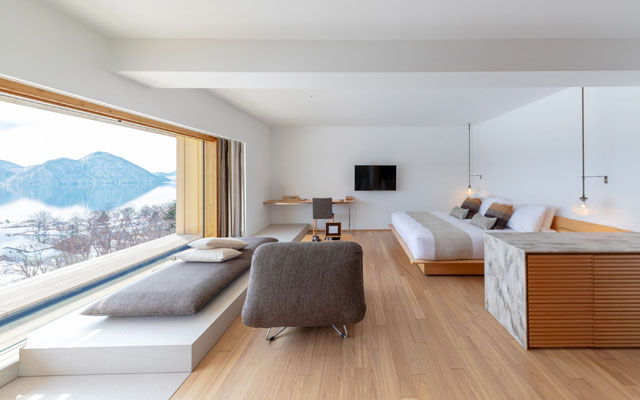
Le Méridien Hotels & Resorts has opened the Le Méridien Maldives Resort & Spa, marking the Paris-born brand’s debut in the island country. Located on Thilamaafushi, the southern pocket of Lhaviyani Atoll, the resort presents 141 one, two and three-bedroom villas, each featuring views across the beaches, the Indian Ocean or turquoise lagoon. Facilities include a spa and two infinity pools. The resort also features six restaurants and bars, including Japanese restaurant Tabemasu, adults-only bar Riviera, farm-to-table concept Waves Café, the poolside Velaa Bar + Grill, and all-day beachside marketplace Turquoise. The Le Méridien Hub, a social gathering place, serves barista-crafted coffee beverages as part of the brand’s collaboration with illy coffee. The resort is accessible by a 35-minute seaplane journey north of Velana (MLE) International Airport, Malé.
Mercure Auckland Queen Street, Australia
Located in the heart of Queen Street, the 96-room Mercure Auckland Queen Street boasts contemporary design and boutique interiors. Each of the hotel’s guestrooms feature unlimited free Wi-Fi, 50-inch smart TV and a work desk. Deluxe rooms are also fitted with an outdoor balcony. For families, the hotel has inter or outer-connecting rooms. Other services and amenities include 24-hour reception, fitness centre, boardroom and reduced mobility rooms. Set at the centre of the hotel with street access and a coffee window is The Basement Restaurant and Bar, an all-day dining restaurant offering Italian and Mediterranean cuisine.
Taj Mahal Hotel, New Delhi; India
Tata Group’s Taj Mahal in New Delhi has launched one and two bedroom Luxury Residences with contemporary facilities and personalised services. All 14 residences feature living and dining spaces, interconnected suites, walk-in rain showers, wardrobes, as well as fully equipped kitchens. Guests benefit from the hotel’s services including concierge and butler services, personalised and flexible gastronomic offerings and culinary consultants, dedicated housekeeping, and access to the Taj Club Lounge. Taj Mahal, New Delhi has been undergoing an extensive renovation, and has unveiled an all-new avatar of Machan, Emperor Lounge, a refreshed lobby, transformed suites and rooms, and reimagined offerings at The Chambers.
Anantara Hotels, Resorts & Spas will be opening its third resort on the Indonesian island of Bali with the signing of Anantara Ubud Bali Resort, scheduled to open in mid-2022.
Located in the traditional hillside village of Payangan, a 1.5-hour drive from Bali’s international airport and 35 minutes from the centre of Ubud by car, Anantara Ubud Bali Resort will feature 85 guestrooms and one and two-bedroom pool villas. Those who would like to stay longer have the opportunity to own their own slice of paradise with a choice of 15 Anantara residences, with a starting price of US$650,000++.
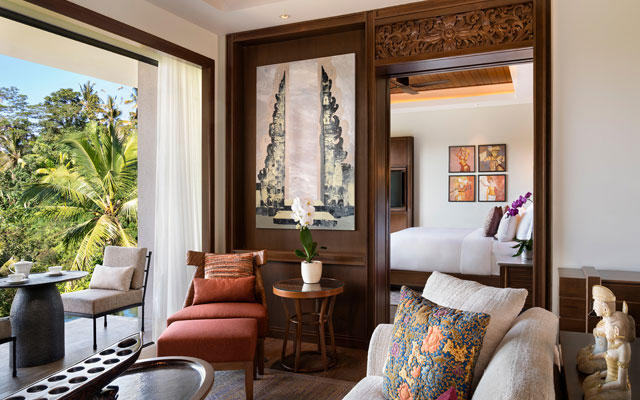
Anantara Ubud Bali Resort will feature 85 guestrooms and pool villas, alongside 15 Anantara residences
Guests and residents can choose from several restaurants offering sustainable local and international cuisine. Locally sourced organic produce from the lush hills surrounding the resort will be served directly from farm to table. Nutritionally healthy menus will also be on offer, alongside Romantic Dining by Design experiences with a private chef.
Facilities will include an infinity swimming pool, a gym and fitness facility, dedicated kids’ and teens’ clubs, as well as meeting spaces. There will also be a spa equipped with single and couple’s treatment rooms, foot massage pods and a hair salon.
IHG Hotels & Resorts has inked an agreement with DMR APA Joint Venture to develop a new 100-key hotel in Kathmandu, Nepal’s capital.
Expected to open by 1Q2024, the Holiday Inn Express and Suites Kathmandu Rabi Bhawan will be located in Rabi Bhawan Kathmandu, near Soaltee Mode or Tahachal. The hotel will feature modern guestrooms, a ‘Great Room’, a bar and lounge, a fitness facility, as well as meeting rooms.
A new Holiday Inn Express and Suites will rise in Kathmandu come 1Q2024
With the signing of Holiday Inn Express and Suites Kathmandu Rabi Bhawan, IHG will have six hotels in the pipeline in the country, across its mainstream brands – Holiday Inn and Holiday Inn Express.
Why has Nobu Hospitality chosen Thailand to open a restaurant in, and why in the midst of a pandemic?
Location, supply and demand naturally come into play when deciding our first space in Asia. Thailand as a destination has both urban and non-urban locations, which fit very well with our hotel profile and its services.
Our partner, Asset World Corporation (AWC), will be adding at least three Nobu properties in Thailand, including one in the capital city, Bangkok. A typical hotel project might take anywhere from two to five years to develop and open, so now is precisely the time to plan for recovery.
Tell us more about the properties in Thailand – what can we expect?
The first opening will be Bangkok’s first ever Nobu Restaurant, which would help position the city as a world-class food destination. The restaurant will also enhance the existing property, Empire Tower, turning it into a large mixed-use facility and lifestyle destination in the heart of Bangkok’s CBD.
We plan to open multiple Nobu hotels and restaurants in Thailand’s most compelling destination, and our growth plan with AWC will extend to multiple hotels across the region.
Where else in Asia does Nobu plan to expand its footprint?
We want to work with country or regional partners on an exclusive basis. This has been our strategy in North America and Europe, and the same will be applied to our Asia expansion. Locations in Asia that we have our eyes on include Indonesia, China, South Korea, Malaysia and Japan.
We currently have a portfolio of over 20 hotels, and the pool is set to grow with more announcements this year.
Having started out as an F&B establishment, what was the primary driver behind Nobu’s foray into the hospitality world?
After Nobu’s success in the global food scene and the demand for Nobu restaurants increased worldwide, it was only natural for the brand to enter the hotel industry. We were already being approached to open in many locations, including hotels.
We asked ourselves, “If we’re going to set up in those locations, why not do it ourselves?” We have something that people want – a credible, renowned restaurant – which helps to elevate (our hotels’) branding and create a unique social experience on property.
Also, when we went into the hospitality sector, we didn’t set out to reinvent the hotel experience. Our aim was to bring the brand’s culture and service to the hotel sector and create a 24/7 experience. One of the reasons why we succeeded was because our partners took what we already had in our restaurants, and migrate it into a holistic experience within the hotel.
How closely do you think F&B is tied to the hotel or travel experience?
Since the beginning, Nobu has been about creating memorable experiences around food, but we can’t depend on hotel guests to fill restaurants.
We make sure the hotel restaurant is a destination on its own. We then fill a hotel with guests, and open restaurants with their own pool of customers. Many chains bring in third-party restaurateurs, which creates a little bit of a mismatch, ending up with an operation that is far from seamless.
Has the pandemic dampened your hopes and visions for the brand and hotel business?
There is no denying the hospitality industry has been hit the hardest over the past 18 months. Thankfully, we do have strong brand loyalty and were encouraged by guest numbers at our hotels during Covid-19. Guests come to us because they trust that we are committed to ensuring their safety during this period, while providing a comfortable stay.
We continue to be fully committed to our hotel and restaurant partners. We are confident in the strength of our brand and our business model, and we are pressing on with our growth plans, while employing more team members.
Our business model is one built for the long-term, and even though the macro-environment has sustained hits, it hasn’t changed our long-term planning.
What else can we expect from Nobu moving forward?
We’re working on several new locations in the US with existing and new ownership partners. We’re also seeking to enter new markets in Europe, such as Portugal, France, Germany, Austria, Italy, Croatia, Serbia, and Turkey. We will also be expanding our presence in Spain, and we’re working on projects in the Middle East. Over the next 24 months, we expect to open properties in Marrakesh, Atlanta, and Toronto.
Indian tourism stakeholders expressed disappointment at the Directorate General of Civil Aviation (DGCA)’s extension of the ban on international commercial passenger flights to and from India until September 30.
The ban was originally scheduled to lift on August 31, and the extension has dampened the spirits of tour operators who were hoping that the reboot would kickstart tourism recovery.
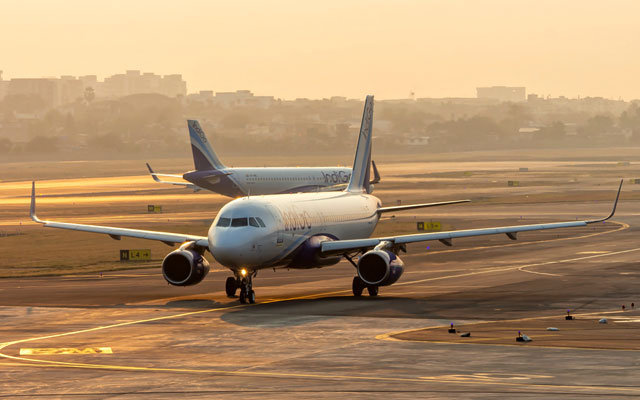
Scheduled international passenger flights have been suspended in India since March 2020 due to Covid-19
“We needed a forward-looking approach for the industry in these times of distress. We didn’t receive any support from the government and the least we expect is a chance for us to stand back on our feet,” said Ajay Prakash, CEO of Nomad Travels and president of the Travel Agents Federation of India.
“Other countries are opening up for tourism and we aren’t. The resumption of scheduled international flight operations would have created an impression among tourists that India is safe to travel.”
International flights were first suspended in India on March 23, 2020 following the outbreak of Covid-19. Since then, the aviation regulator has extended the ban several times. However, special international flights have been operating under the Vande Bharat Mission since May 2020 and under bilateral air bubble arrangements with selected countries since July 2020.
“We were hoping that international flights would resume as the pandemic situation in India and many countries, mainly in Europe, has improved considerably, but this decision has again put brakes on our expectations,” said Sanjay Razdan, director of Razdan Holidays and joint secretary of the Indian Association of Tour Operators.
“Restarting regular international flights (at the beginning of September) would also have sent a positive signal to the international community and we could have expected people to start travelling from October 2021.”
The trade has also raised questions as to how the government’s recently announced free tourist visa scheme will help spur inbound demand, if the international flight ban were to remain in place.
Finance minister Nirmala Sitharaman had earlier this year announced that once international travel resumes, the first five lakh (hundred thousand) tourist visas will be issued free of charge. The benefit that will be available only once per tourist will be applicable till March 31, 2022.
“What’s the point of issuing free visas if we don’t have flights (coming into the country)?” said Prakash. “Inbound travel will now require a lot of planning. A tourist has to be assured about his or her safety at every touchpoint in the course of travel. If we don’t resume international flights now, how is the industry supposed to be ready before the inbound peak season that begins from October?”
Razdan appealed to the Ministry of Civil Aviation and DGCA to resume international flights soon, and said the country should at least allow entry to fully vaccinated travellers from destinations with high vaccination rates.
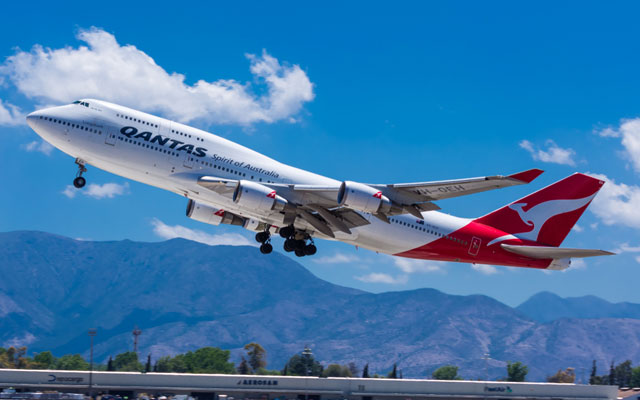
The Qantas Group has unveiled more details on preparations for restarting its international flights by the end of this year, with plans linked to the vaccine rollout in Australia and key overseas markets.
The plans are based on the projection that Australia will reach the National Cabinet’s ‘Phase C’ vaccination threshold of 80 per cent in December, which would trigger the gradual reopening of international borders.
Qantas’ gradual restart is planned around the National Cabinet’s phased reopening of international borders
As such, Qantas and Jetstar are now preparing for potential travel resumption with key markets like the UK, North America and parts of Asia which also have high and increasing levels of vaccination, making them highly likely to be classed as low-risk countries for vaccinated travellers to visit and return from under reduced quarantine requirements.
Flights to destinations that still have low vaccination rates and high levels of Covid infection will now be pushed out from December 2021 until April 2022 – including Bali, Jakarta, Manila, Bangkok, Phuket, Ho Chi Minh City and Johannesburg.
Assuming current projections hold and the 80 per cent vaccine threshold is met in December, Qantas and Jetstar plan to trigger a gradual restart.
From mid-December, flights would start from Australia to low-risk destinations, which are likely to include Singapore, the US, Japan, the UK, and Canada using Boeing 787s and Airbus A330s. Services to Fiji will be operated using Boeing 737s and Airbus A320s.
Flights between Australia and New Zealand will be on sale for travel from mid-December, on the assumption some or all parts of the two-way bubble restart.
Qantas’ ability to fly non-stop between Australia and London is expected to be in even higher demand post-Covid. The airline is investigating using Darwin as a transit point as an alternative (or in addition) to its existing Perth hub given conservative border policies in Western Australia.
Five A380s will return to service ahead of schedule. These would fly between Sydney and LA from July 2022, and between Sydney and London (via Singapore) from November 2022.
Qantas will extend the range of its A330-200 aircraft to operate some trans-Pacific routes such as Brisbane-Los Angeles and Brisbane-San Francisco.
Flights to Hong Kong will restart in February and the rest of the Qantas and Jetstar international network is planned to open up from April 2022, with capacity increasing gradually.

















Philippine Airlines (PAL) has made it easier for travellers to pay in their preferred currency when shopping on the airline’s website by deploying Amadeus technology.
The Philippine national carrier is the first airline to deploy multi-currency pricing through Amadeus’ FX Box platform. International passengers shopping on the airline’s website can now choose to have the offer presented in their preferred currency, enhancing the shopping experience.
At the same time, the service allows the airline to control the exchange rates used. With the newly launched FX Box Platform, Philippine Airlines’ offers are repriced in the passenger’s currency based on direct access to highly competitive exchange rates.
Bart Tompkins, managing director, payments, Amadeus, commented: “Displaying the offer in the traveller’s currency drastically improves the shopping experience and boosts conversion rates. Imagine a US citizen who’s travelled to Japan and then needs to book a flight to the Philippines. It’s hard for that US traveller to compare the airline’s offer and make a decision when it’s priced in Japanese yen or Philippine pesos.”
Wilson H. Go, chief information officer, PAL, explained: “By working with Amadeus, we’ve made it easier for international travellers to book our flights in currencies they understand. Enhancing the traveller’s payment options with FX Box provides transparency and improves the experience of our travellers.
“Making travel simpler and easier through digital innovations is a key priority for PAL as we prepare to add more flights and welcome an increased number of international travellers on our nonstop flights within Asia, to North America, the UK, and the Middle East.”