


Singapore moves tourism recovery and reinvention forward with more initiatives

Singapore’s tourism industry will receive further training and business development funding, as well as digital transformation support from the government, as it continues on its road to recovery.
The Tourism Development Fund (TDF) will get a S$68.5 million (US$51.1 million) injection and extended support levels for the Business Improvement Fund and the Training Industry Professionals in Tourism grant until end-March 2022. The total value of TDF is now at S$848.5 million.

In addition, the Singapore Tourism Board (STB) will kick off next week the second season of the SG Stories Content Fund to encourage tourism firms, content creators and individuals to craft authentic Singapore stories to inspire tourist visitation.
Further, in line with Singapore’s push for digital transformation among local businesses, STB will launch the Tourism Technology Transformation Cube – known as Tcube – this afternoon. Tcube is said to be a go-to resource for tourism businesses desiring a digital transformation, where they will get to meet like-minded tourism stakeholders to facilitate knowledge exchange, test innovative ideas through proofs-of-concept and pilots, and access tools to build and scale sustainable business models.
These initiatives were revealed at this morning’s Tourism Industry Conference, an event held once every two years to bring the local travel and tourism community together to review past achievements and deliberate on the way forward.
In his welcome address, Singapore minister for trade and industry, Chan Chun Sing, noted that the country’s tourism sector was “still in the thick” of its gravest challenge since the 2003 SARS pandemic, and that “recovery remains uncertain”.
“In the near term, there will still be headwinds. But we remain committed to supporting our tourism sector, to help businesses and workers build new capabilities, and break new ground,” said Chan.
He added that the challenge for Singapore’s tourism sector lies not in recovery this year or the next, but in how it will prepare for long-term success and reinvent global travel.
“We are not waiting for a full reopening. Singapore is prepared to disrupt the status quo, transform our products and services, and harness our capabilities to capture the next lap of growth ahead,” he remarked.
Taking stock of how Singapore’s tourism businesses have redefined tourism during the global travel disruption, STB chief executive Keith Tan said Singapore has been successful in establishing travel lanes and resuming some high-profile public and business events such as the ONE Championship events in 2020 and recent Geo Connect Asia 2021. He also commended tourism stakeholders for being proactive in pivoting quickly to new ways of securing revenue, such as through the domestic tourism market.
“This period may well be one of the most fertile periods in the Singapore tourism sector, with new products, experiences and bundled packages being launched weekly,” Tan said.
Moving forward, Tan bid tourism players to maintain their creativity while building up resilience and preparedness for inevitable future crises.
One of the ways to be ready for the future is through digital transformation, said Tan, who went on to explain that Tcube will support tourism businesses through a three-step Learn-Test-Build approach.
The Learn phase will be facilitated by STB’s Tourism Transformation Index, a self-assessment tool that will lead to recommendations on relevant programmes to support digital transformation.
The Test phase is facilitated by STB’s Singapore Tourism Accelerator programme, launched in 2019 to help tourism businesses source for innovative solutions to address business challenges. The Singapore Tourism Accelerator programme may be extended until September 2023.
The Build phase is supported by a suite of smart services, including the Tourism Information and Services Hub, and Singapore Tourism Analytics Network.
Tourism stakeholders can also expect continued support in their move towards Augmented Reality content, through STB’s efforts to build up a library of free 3D assets over the next three to four years.
Mapping out even more support from STB, Tan revealed that the organisation is working with the National Trades Union Congress to draw up a Tourism Sector Capability Development Roadmap; establishing more partnerships with overseas entities to maintain Singapore as a top-of-mind destination among international travellers; and extending the Marketing Partnership Programme to support domestic and international marketing efforts.
Pandemic accelerates technology adoption in end-destination industry
The Covid-19 pandemic brought with it massive job and revenue losses for the tourism industry, but it has also helped to accelerate the adoption of technology in touring businesses.
Arival’s CEO, Douglas Quinby, shared during a session titled What’s Next in Experiences: The Outlook for Tours, Activities & Attractions at ITB Berlin NOW: “In 2019, tourism activity was a small percentage of business booked online, as opposed to other portions such as flights and hotels. In comparison, it’s well over 50 per cent for flights, but this industry is catching up.”
The end-destination industry – tours, activities, attractions, events, and experiences – is a US$254 billion dollar industry, and the third largest in travel and tourism. This industry was profoundly affected in 2020, and represented only a quarter of total sales in 2019.
“This acceleration from offline to online has never been seen before. There was a large attraction in Europe which in 2019, only had an online share of one per cent (one in a 100 tickets were booked online). But in 2020, with the imposition of government restrictions, it had to switch to 100 per cent online bookings,” said Lukas C C Hempel, founder and CEO of Bookingkit.
“What couldn’t be changed in 10 years, changed in 10 weeks,” he remarked.
This shift in technology has also benefited consumers. Quinby elaborated: “Travellers now want to make sure the tour is running or the attraction is open (as we are still in the midst of the pandemic) before booking, and that health and safety measures are being followed.”
Indoor attractions had to shift their model from an open ticket to a timed entry, and implement capacity limits. These days, most indoor attractions possess an advanced booking model where there’s a time entry and limit, to manage visitor numbers and keep to social distancing requirements.
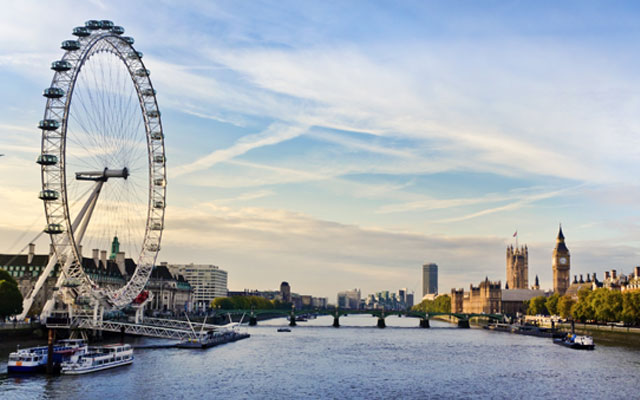
Dominique Sidley, global trade strategy director at Merlin Entertainments, revealed: “Some of our attractions like the London Eye were already challenged by capacity. So we had to offer ticketed times, where the model was extended to our major cities. We don’t insist on the time ticketing for our outdoor attractions like theme parks as the capacity is broader.”
“We also used the lockdown to accelerate our digital integration programme. So most of our regions now are pretty much voucher-free.”
Aside from the acceleration of adopting technology for online bookings, Quinby predicted that self-guided tours via a mobile app will gain more ground in the future. While this is not a new phenomenon, as startups and platforms with city discovery apps have been around for the past decade, it will be in line with the increased demand for small groups or self-guided travel.
On the point of small groups, Brad Weber, president & CEO at Gray Line Worldwide, added: “There’s been a lot of interest in private groups, and we’ve partnered with a lot of our local attractions, as well as restaurants to offer options such as private dining experiences. We’ve got a lot of such product development initiatives (in this regard) that are underway.”
Enabling travel without fear
In a recent interview, the director of the International Air Transport Association (IATA) shared that personal and leisure travel will likely return during the second half of this year. And I’m sure I don’t just speak for myself when I admit to a little cry of joy at the prospect of being able to cross borders once more.
But before rushing to book your next flight, there’s another reality that travellers of 2021 and beyond must face before embarking on new adventures – one of which I’m sure we’re all acutely aware of. According to Sabre’s APAC Travel Sentiment Survey, health and safety is now would-be travellers’ top concern – and rightly so.
It goes without saying that travel and tourism businesses will need to implement the right measures to reassure, protect, and gain the trust of customers as we slowly return to the skies and the seas.
And data will be critical in helping us achieve this.
Supporting vaccination efforts
First and foremost, vaccination against Covid-19 is indisputably one of the main strategies for travel to resume. And in the high-tech and data-driven era we live in now, companies like Lenovo are constantly innovating and designing new tools and solutions to assist medical professionals.
From developing precision medicine for customised treatments, to accelerating human gene analysis, Artificial Intelligence (AI) and High Performance Computing (HPC) provide much-needed support to researchers all over the world. Specifically to Lenovo, our Genomics Optimization and Scalability Tool (GOAST) has already effectively sped up the processing of a human genome from what was previously 150 hours to just 48 minutes. This greatly improves efficiency as scientists race to develop vaccines to combat Covid-19.
Making processes safe and secure
But even with vaccines in place, there’s not yet enough data to suggest how long they might be effective and how much they can cut transmission rates – not to mention the potential for outliers. So, particularly in the early days, to mitigate risks, minimising interhuman contact in travel must continue to be a top priority to ensure safety.
For countries to reopen and welcome visitors, new technology can be adopted at various checkpoints for smooth, seamless, and safe travel. For instance, AddFor, Lenovo’s AI solutions partner provides smart solutions like: FEVERCheck, which measures body temperature without contact; FACEFind, which uses biometrics for identification and access into restricted areas; and SOCIALdistancing, a real-time tool that automatically calculates the distance between individuals and reports violations of regulations.
Closer to home, facial and iris scans are quickly replacing fingerprints as the main mode of identification, doing away with traditionally high-touch machines. Keen to secure the nation’s position as an aviation hub, the Singapore government continues to invest in more on-arrival testing and biosafety systems, and the adoption of these contactless scans show no sign of slowing down.
Enabling seamless travel across borders
Smart travel in the post-pandemic world will entail seamless data sharing across borders. As frequent travellers seek entry into various countries, vaccinated and regularly tested individuals may soon be exempted from serving quarantine. With data sharing agreements in place, tech can enable easy identification of these eligible travellers – potentially improving the experience for both individuals and businesses like airlines and accommodation.
Elevating the future travel experience
Of course, everything we’ve discussed so far looks at that which is imminent – but if applied innovatively, data can allow us to safeguard and enhance the travel experience of tomorrow. By harnessing and effectively using technology, travel businesses will have opportunities to deliver next-level services to stand out from the competition.
For example, whether it is offering travel packages tailored to specific interests, the use of helpful voice assistants, or smart features that automatically set up guest rooms according to their preferences, travellers in the future stand to benefit from even more personalisation.
As travel looks to not just recover, but to grow and thrive post-pandemic, it is clear that data and tech will continue to play integral roles in strengthening the industry. Be it personalisation to elevate experiences, or smart solutions that make checkpoints safer, the potential that technology offers is limitless. With the adoption of new and ever-improving innovations, the world may indeed come out of this crisis better prepared to weather future storms – potentially never needing to close our borders again.
Trans-Tasman travel bubble to start on April 19

Quarantine-free travel between Australia and New Zealand is set to begin on April 19, revealed New Zealand’s prime minister Jacinda Ardern during a news conference on April 6.
Arden said that conditions for starting the quarantine-free travel have been met, but cautioned people that they need to be prepared to have their travel plans changed at short notice, including landing and going into hotel quarantine.
Ardern also outlined three responses if a case was detected in Australia: continue, pause or suspend the bubble.
She said that if there was a case linked to a quarantine or border worker who was contained quickly, it would be likely that the bubble would continue.
A pause might be put in place if there was a localised outbreak that led to a short lockdown, like the recent one in Brisbane.
But if there are a number of community cases with an unknown source then the NZ government will suspend the bubble temporarily.
The travel bubble would restrict travellers from certain areas in the event of an outbreak in Australia and is expected to run on a state-by-state basis.
Several Australian states have opened their borders to New Zealanders since last October, but it has been a one-way arrangement due to sporadic outbreaks in other Australian cities.
Since the pandemic began, Australia has recorded about 29,400 Covid-19 cases and 909 deaths, while New Zealand has had just over 2,100 confirmed cases and 26 deaths.
Cross Hotels & Resorts debuts in Japan with seven-hotel deal
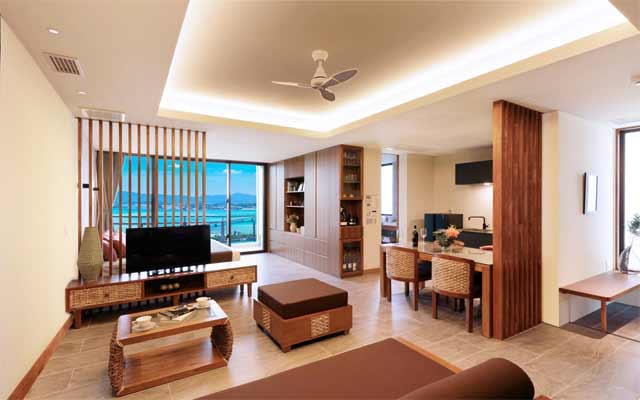
Cross Hotels & Resorts entered the Japanese market in a master franchise agreement with AB Accommo Company.
The franchise agreement currently includes plans for seven properties with a total of 844 keys within four years in locations such as Okinawa and Hokkaido.
The inaugural property, located on Kouri Island, will be called Away Okinawa Kouri Island Resort. Kouri is an island connected to the main Okinawa island by a two-kilometre sea bridge. Set to open in July 2021, the boutique beachfront property will offer guests views across the East China Sea.
“Japan is another milestone in our international expansion. Japan has one of the largest increases in international tourist arrivals in addition to very strong domestic travel… We are extremely excited to introduce our brands to Japan and about this strategic partnership with AB Accommo,” said Jens O. Reichert, chief development officer, Cross Hotels & Resorts.
AB Accommo manages 26 hotels, and has a proven track record of cooperation with some of the leading investors and developers in Japan. Meanwhile, Cross Hotels & Resorts operates 21 hotels across three brands – Cross, Cross Vibe and Away – in Thailand, Vietnam and Indonesia.
Sabre introduces new airline storefront with “shelves”
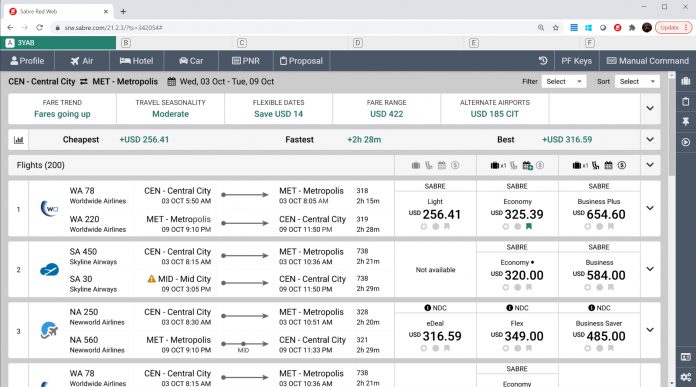
Sabre has rolled out its new airline storefront, an industry-first capability that makes it easier to comparison-shop complex airline offers in the indirect channel.
The new airline storefront delivers initial shopping results that include airlines’ complete product lines. It eliminates confusion caused by different fare naming conventions and organises a broad set of inventory across multiple airlines to enable improved comparison shopping.

This move is a step towards Sabre’s vision to create a new marketplace for personalised travel.
The new airline storefront capabilities are available via Sabre’s shopping APIs, which travel retailers can leverage to build a bespoke storefront and enhance their customers’ experience.
Kathy Morgan, vice president, offer sourcing, Sabre Travel Solutions, explained in an online media briefing that the new airline storefront provides a framework for “shelves” on which airlines can display content side-by-side to help drive more informed decisions.
“Shelves” are defined by specific attributes such as exchangeability, refundability and baggage allowance that qualify the product for placement on a shelf.
She added: “For airlines, the new airline storefront supports differentiation and more merchandising opportunities in the indirect channel, with flight search results displaying several product offerings for an individual flight.”
Wade Jones, chief product officer for Sabre Travel Solutions, noted: “Airlines have invested in differentiating their brand in a number of ways. While this creates greater choice for travellers, it also presents a challenge – it’s easy to understand the cost, but harder to understand what the experience will be. Sabre’s new airline storefront not only empowers airlines to effectively market their unique product in the indirect channel, it also helps travel buyers communicate the total offer value.”
Sabre has partnered with multiple agencies such as Fareportal, the travel technology company powering CheapOair.com and OneTravel.com; and Espressamente Viaggi, part of TravelMatic, a travel technology company in Italy, to test the new storefront capabilities.
Initial pilot results demonstrate the ability of the new airline storefront to deliver a broader set of upsell opportunities with more transparency into each fare.
In a press release issued by Sabre, Werner Kunz-Cho, CEO of Fareportal, commented: “Our customers demand choice paired with convenience and simplicity – this is not always the case with today’s airline shopping experience. Consumers want to compare products and offers quickly and efficiently, just as they do in a shop. That’s exactly what Sabre’s new airline storefront delivers: it allows us to group products for easy comparison, just as a supermarket arranges similar products on the same shelf. Ultimately, this modern retailing enables us to deliver an enhanced traveller experience that centers around offer value.”
Mimmo Christofaro, CEO at TravelMatic, shared: “In today’s world, travel agents are under increasing pressure to ensure that travellers receive the offer that is right for them based on their specific needs and preferences. As a result, we require a solution that allows for quick and easy comparison across offers to help drive more informed decisions. Sabre’s new airline storefront makes all relevant content available in the initial shop and, as such, we are able to increase agent efficiency and encourage upsell.”
Changi Airport rolls out portal for inbound passengers
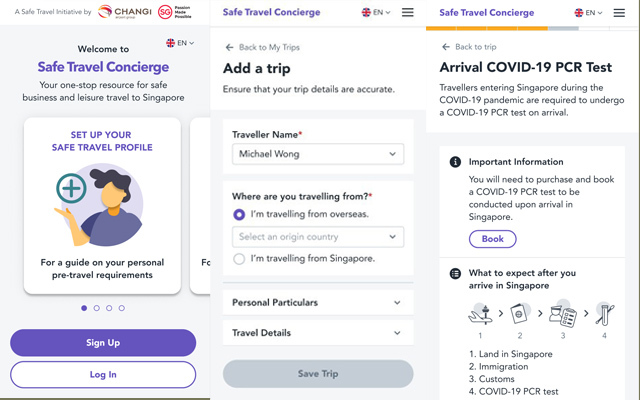
Singapore’s Changi Airport Group (CAG) has launched a free online service named Safe Travel Concierge (STC) for travellers planning to fly into Singapore during Covid-19.
This online service lets passengers book their on-arrival Covid-19 Polymerase Chain Reaction (PCR) test and checks that they have completed all pre-travel requirements for a safe and smooth entry into Singapore.
After registering for an STC account, passengers just need to add their upcoming trips. Depending on their profile and trip details, they will be shown a customised list of pre-travel requirements to complete.
Besides booking their on-arrival PCR test, passengers can also access services such as the Immigration and Checkpoints Authority’s electronic Arrival Card and Health Declaration form through STC. Passengers can also stay updated with the latest Covid-19 news within the portal.
CAG’s managing director for airport operations management Jayson Goh said the online concierge service can ease the anxiety of air travel by helping passengers navigate their pre-travel requirements.
Erwann Mahe joins Best Western as MD Asia
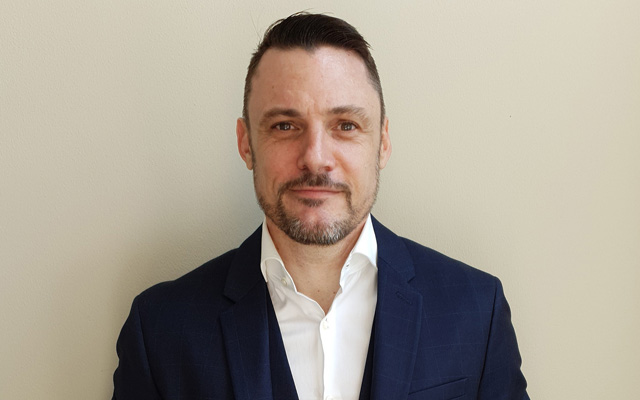
Best Western Hotels & Resorts has appointed Erwann Mahe as managing director – Asia.
In this new role, Mahe will be responsible for all aspects of operating Best Western Hotels & Resorts in the region. He will focus his efforts on supporting hoteliers through the upcoming recovery and expanding the brand’s portfolio of hotels throughout Asia Pacific.
The seasoned hospitality professional joins the Best Western Hotels & Resorts team with over 23 years of industry knowledge. Mahe’s prior roles range from managing large-scale Accor hotels to holding executive-level positions, including chief operations officer at Red Planet Hotels and executive vice president of Hotel Investment at The Erawan Group.
Mahe takes over from Olivier Berrivin, who has moved within the BWH Hotel Group parent company to take up the role of managing director of WorldHotels Asia Pacific.
Japan in favour of vaccine passports to restart international travel
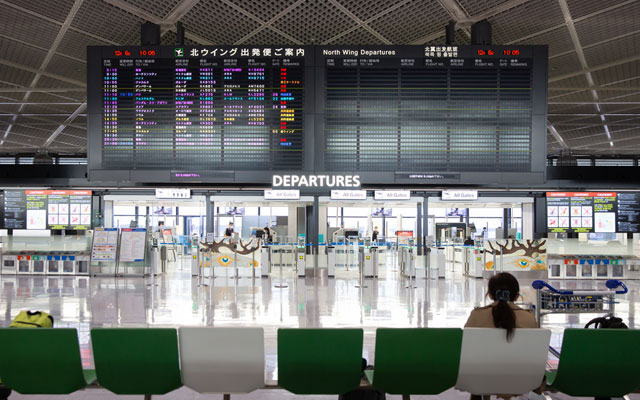
As Japan prepares to host the Olympic Games in July, albeit without inbound spectators, the country’s public and private sectors are taking steps to help restart inbound and outbound travel in the longer term.
Most of the activity is related to Covid-19 vaccines and travel passes that will allow travellers to move safely across borders.
Japan has been slower than many other wealthy nations in vaccinating its citizens. The country has been inoculating healthcare workers since mid-February, and is not slated to complete vaccines for everyone aged 65 or older until the end of June.
To encourage vaccine take-up among the working-age population, the government has said it will urge companies to allow staff to take paid leave to get the jabs, and to consider allowing national public servants to take holidays for the same purpose.
Japan will also be issuing digital health certificates to citizens who have been inoculated, according to Nikkei. Japan joins several countries which have embraced vaccine passports for their citizens, such as China, Denmark, and Israel.
The Nikkei report also added that the digital certificate can be managed on a mobile app and will be in line with international standards, allowing the individual to present proof of vaccination at immigration checkpoints.
In the public sector, All Nippon Airways (ANA) plans to trial the International Air Transport Association (IATA) Travel Pass app, which allows passengers to verify if they meet the Covid-19 testing requirements of their destination and share their test results with airlines and authorities.
“Through our trial, we hope to contribute to the development of the digital solution, which aims to make the travel experience more seamless, secure and contactless,” said Yuji Hirako, president and CEO of ANA and member of the board of governors of the IATA.
Still, the public in Japan remains conservative about overseas travel. Almost three quarters (74 per cent) of people surveyed in Japan in December 2020 said they thought Japanese people should refrain from overseas travel until at least July 2021, according to Statista Research Department. One tenth of the 3,948 respondents said they believed it might be possible for Japanese people to restart overseas travel between April and June 2021.

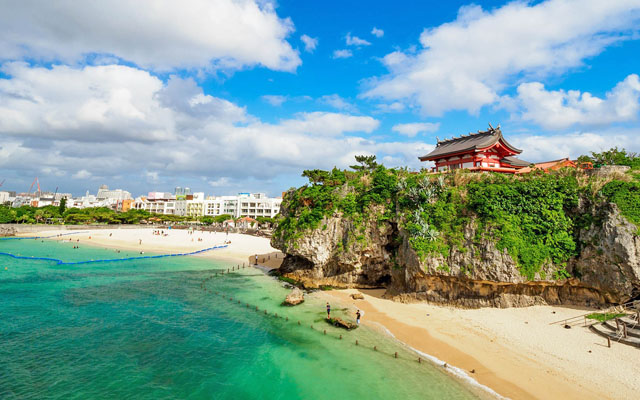






Thailand’s Ministry of Tourism and Sports is exploring plans to open up a travel bubble with Singapore.
Tourism and sports minister Phiphat Ratchakitprakarn was quoted by a Nation Thailand report as saying that the discussions would take place within this week with the Embassy of Singapore.
“We have acknowledged that Singapore has previously run the travel bubble with Australia and New Zealand. If Singapore agrees to run the scheme with Thailand as well, we would probably be able to receive tourists from Australia and New Zealand, in addition to Singaporeans,” the minister said. The travel bubble is expected to kick off on October 1.
Phiphat added that plans were also underway to establish travel bubbles with other low-risk South-east Asian countries, such as Vietnam and Laos. In addition, he also said that his ministry is looking at courting back Chinese tourists, once China lifts travel restrictions on outbound travel.