

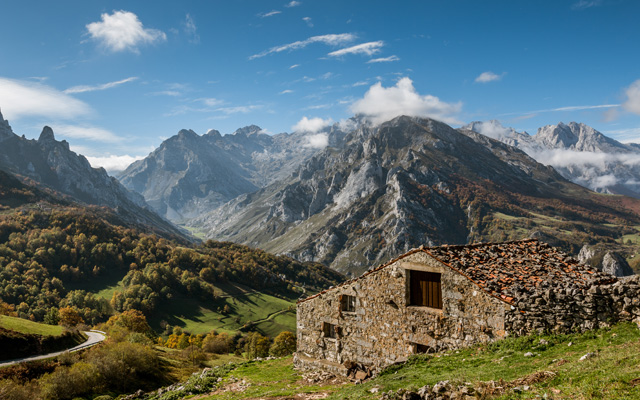
Known for her big-city draws and star-studded football clubs among South-east Asian travellers, Spain is working to spread post-pandemic tourism attention to lesser-known parts of the country and play up unique local experiences.
Speaking to TTG Asia, Singapore-based Monica Sanchez, tourism counsellor with the Embassy of Spain and director of Spain Tourism Board, revealed that the tourism office has been spending the past 18 months of the travel freeze rebranding destination Spain and deepening South-east Asian travel agents’ understanding of Spain’s various points of appeal. Engagements were accomplished through webinars and one-on-one meetings with providers of Spanish travel and tourism products.
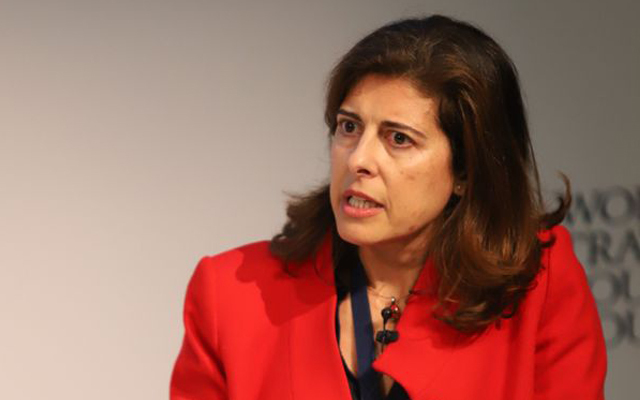
“Tourists from this region know of Spain’s hit destinations, but most are unaware of the other areas where they can experience the full flavour of the country, such as tasting and learning to cook traditional Spanish dishes, making cheese and anchovies, going fishing, visiting farms, exploring nature trails, and so much more,” said Sanchez.
The webinars, which also present Spain’s rich Islamic history and readiness for Halal tourism, have attracted at least 500 travel agents from across South-east Asia.
Sanchez observed that since June 2021, when Spain resumed international travel for fully vaccinated individuals from all countries, nature trails for hiking and biking have gained a strong following. Leveraging post-pandemic travellers’ love for the outdoors, Spain is promoting routes that show off the country’s natural sights. Among them is the eight-kilometre Caminito Del Rey Trail, which was once considered one of the most dangerous in the world but is now made much safer for visitors to stroll down walkways hanging 100m up a sheer cliff. The other is the northern route of The Way of Saint James, down the coastline of the Cantabrian Sea, which promises to impress nature lovers.
The tourism board is also directing attention to Spain’s 15 small cities and villages bearing the UNESCO World Heritage Site status.
“Some are popular as a day-trip destination, made possible by our advanced and convenient transport system, but we are encouraging travellers now to savour these places slowly – stay for a few days, sit down for a meal, talk to the locals, and discover hidden gems,” she said.
As Spain’s nature trails and most of her UNESCO World Heritage Sites are unknown to South-east Asians, Sanchez sees great potential to grow arrivals from the region through these points of appeal.
“One of the projects we have now is to promote Green Spain, a collection of unspoiled beaches, charming villages and extraordinary nature reserves all across the north of Spain in Euskadi, Cantabria, Asturias and Galicia. Here, dishes use the freshest local produce, so flavours are quite impressive. Travellers can choose to stay in a little hotel in the countryside, and enjoy homemade meals that are sustainably sourced and contribute to local tourism earnings.”
According to Sanchez, raising awareness of off-the-beaten-path destinations and customised programmes is an effective way for Spain to counter overtourism issues that were present pre-pandemic, and to ensure that post-pandemic tourism will benefit more local communities, not just those in developed tourist circuits.
This direction will also enable Spain to encourage travellers to stay longer and experience more of what the country has to offer.
Working to Spain’s benefit is also the country’s reputation as one of the safest destinations to visit in Europe, opined Sanchez.
“While Spain was hit hard by Covid-19 in the early days of the pandemic, the country has shown how well she has regained control. Spain’s vaccination rate is among the highest in Europe. Locals continue to take masking seriously – masking indoors is still mandatory. In fact, locals remain respectful of the effects of Covid-19, so they are cautious and considerate even though our incidence of infection has fallen and is among the lowest in Europe,” she elaborated.
As more Asian governments ease international travel restrictions, Sanchez said 2022 would be a better year for tourism.
In Singapore, where a quarantine-free Vaccinated Travel Lane has been established with Spain since November, Sanchez’s office has been “inundated by enquiries for the year-end holidays season”.
“It is encouraging to see that the enquiries are not just from people who are thinking about going to Spain; many are in the process of booking. There are also Singaporeans travelling in Spain now, a mix of individuals and families, as well as small corporate groups,” she said.


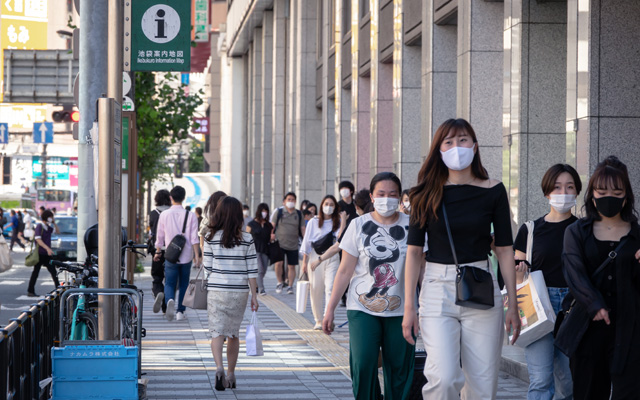





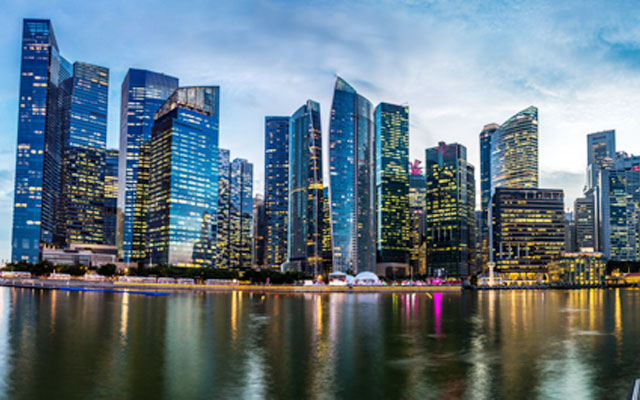










The quarantine period for travellers arriving into Indonesia has been raised from three days to seven as a new Omicron Covid-19 variant surfaces.
Taking effect from November 29, the tightened regulations apply to international travellers and returning Indonesians from countries other than South Africa, Botswana, Namibia, Zimbabwe, Lesotho, Mozambique, Eswatini, Malawi, Angola, Zambia and Hong Kong, which have declared cases.
Foreigners from countries with Omicron Covid-19 variant cases will be barred, while returning Indonesians will have to serve a 14-day quarantine.
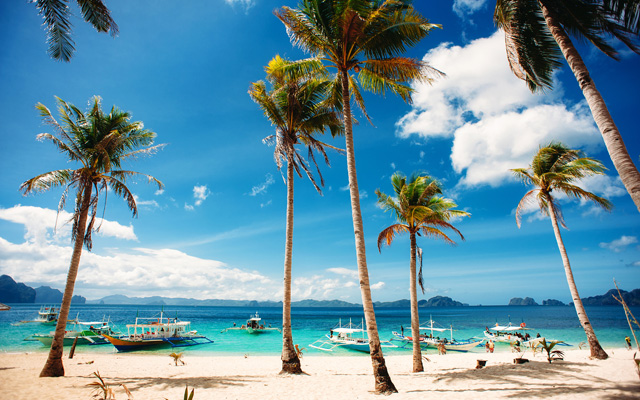
Indonesia’s tougher stance on international travel came amid a protest led by Bali’s travel industry, whose representatives have issued a petition to president Joko Widodo to revise the country’s entry policy, including scraping the quarantine requirement.
In the open letter to the president, 34 tourism-related associations belonging to the Bali Rise Forum raised five major requests.
Stakeholders asked for the government to provide a special paid e-visa facility without requiring travellers to go through corporate guarantors or re-impose visa-on-arrival and free visas, especially to travellers from low risk countries.
They also suggested that fully vaccinated foreigners with proof of negative PCR tests be exempted from quarantine, or at least be allowed to quarantine on the island instead of within a hotel.
Other key requests included allowing transit passengers at hub/transit countries to continue onwards to Bali after a maximum of 12 hours interval; adding travel-ready countries to the list of those eligible to travel to Indonesia; and lowering the minimum insurance coverage from US$100,000 to US$50,000.
Agus Yoga Iswara, Bali Rise Forum coordinator, said the open letter represented the anxiety of tourism stakeholders in Indonesia, particularly those in Bali.
“Our evaluation showed there was a policy discrepancy that resulted in the implementation of open borders being less than optimal. The regulations…have made it difficult for foreign tourists to come to Bali,” said Yoga.
Addressing concerned industry stakeholders, Sandiaga Uno, minister of tourism and creative economy, explained that the government did not want to rush into taking an open border policy just to attract foreign tourists. A cautious approach was still needed so as to protect the local community.
“Policies are made with prudence and vigilance,” he stated.