TTG Asia
Asia/Singapore Friday, 20th March 2026
Page 830

TTG Conversations: Five Questions with Lina Ang, Sojern

0

Changes in consumer’s travel preferences, media diet and media channels along with continued pandemic challenges require travel and tourism marketers to take a different approach to target audience engagement, says Lina Ang, managing director APAC, Sojern.

In this new episode of TTG Conversations: Five Questions video series, Ang discusses how travel intention has failed to match up with actual search and bookings here in Asia-Pacific, where travel restrictions remain while national vaccination programmes are still a work-in-progress; challenged marketing budgets for travel and tourism companies and the impact on advertising activities; and the rise in social media marketing.

Ang also dispenses numerous tips for travel and tourism marketers looking to stretch their dollar, make sense of what the end of third-party cookies will bring, effect call-to-action amid a pandemic, and more.

Malaysia mulls relaxing Covid restrictions for those fully vaccinated

0

TTG Asia breaks for Hari Raya Haji

0

TTG Asia e-Daily will be taking a break on Tuesday, July 20, for the Hari Raya Haji public holiday.

News will resume on Wednesday, July 21.

From all of us at TTG Asia Media, Selamat Hari Raya Haji to our Muslim friends!

ASEAN tourism leaders urged to issue common SOP to support sector recovery

0

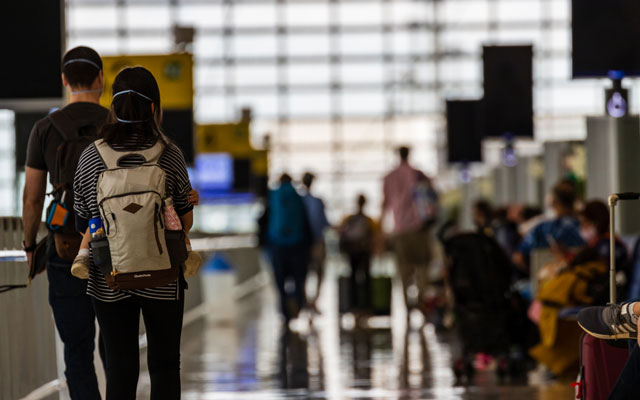
South-east Asian tourism leaders need to urgently devise a common SOP to facilitate seamless travel in the post-pandemic era, said industry experts at a panel discussion during the Halal in Travel Global Summit 2021.

Intra-ASEAN travel has been the key segment for South-east Asian countries, accounting for 44 per cent of arrivals in the last decade and the market is expected to be even more important post-pandemic.

Common SOP needed among South-east Asian countries to speed up the region’s tourism recovery

Speaking at a forum entitled ‘Strategies and Plan for the Revival of the Tourism industry in ASEAN’, Pauline Suharno, chairman of Association of the Travel Agencies in Indonesia (ASTINDO), said: “ASEAN (leaders) need to come up with a common standard for travel, (pertaining to areas like) digital travel passports, new normal operation guidelines, hotels and restaurants cleanliness and health measures, quarantine period, and also, compulsory travel insurance.”

The varying procedures across countries in the region currently have created “headaches” for travel consultants when handling guests, she said.

Pauline cited the example of how when it comes to PCR test results, Indonesia requires a digital QR coded report while Cambodia needs a hard copy letter with original signature and clinic stamp.

As well, she added, each South-east Asian country has developed its own digital travel passport app. Indonesia, for example, has Peduli Lindungi, while Singapore has SafeTravel. “Why don’t we encourage (regional) governments to use the worldwide known application such as IATA Travel Pass so that travellers do not need to download a different app each time they want to travel?” she said.

Eddy Soemawilaga, president of the ASEAN Tourism Association, said that the South-east Asian leaders had agreed to set up the ASEAN Travel Corridor Arrangement in November 2020, however, by the time of the summit in April 2021, they had not completed the term of reference.

“We were informed that the (draft) would be submitted in the next Summit in October. You can imagine how long it takes to just develop an SOP (on something that) supports ASEAN itself,” he lamented.

Mohamed Ismail Hussain, executive residence (internationalization), Singapore Malay Chamber of Commerce and Industry, who moderated the session, suggested that ASEANTA takes a proactive role in coming up with the SOP and presenting it to the governments.

However, Eddy, who previously was with the ASEAN Secretariat, said the current set-up at the meetings between ASEAN leaders and NTOs, where access to their meetings was limited to a dedicated slot in the agenda, had made it difficult for ASEANTA to be more engaged.

Samson Tan, CEO of GTMC Travel and chairman – inbound of NATAS Singapore, proposed that ASEANTA form an ASEAN Emerging Stronger Task Force involving the private sectors and governments.

Pauline agreed, saying that what is needed is a strong ASEANTA voice that the government cannot ignore.

Malaysia, Singapore ranked as most Muslim-friendly travel destinations

0

Malaysia and Singapore have come out tops once more in the list of most Muslim-friendly holiday destinations, according to the Mastercard-CrescentRating Global Muslim Travel Index (GMTI) 2021. Both countries have maintained their pole position since the inception of the GMTI index in 2015.

This year’s GMTI report, which ranked 140 destinations on how ready they are to attract the international Muslim travel market in the Covid-19 environment, saw Malaysia retain its top spot.

Pre-Covid, Muslim international travellers to Singapore comprise about 20 per cent of total visitor arrivals

For both Malaysia and Singapore, the key challenge in maintaining pole position when international travel resumes would be to identify the new behaviour patterns and expectations of the post-pandemic Muslim traveller in order to better cater to their needs.

Speaking at a forum session entitled ‘Readying OIC destinations for Halal Travel’ at the Halal in Travel Global Summit 2021, Mohmed Razip Hasan, director-general of Islamic Tourism Center (ITC) in Malaysia, said enticing international Muslim travellers to Malaysia will be more challenging post-Covid due to changed travel behaviour patterns and demands. “We have to understand new behaviour patterns and ensure that our product lines appeal to (these travellers),” he said.

Another challenge he foresees is destination competition for the Muslim market. He noted that non-Muslim majority countries such as Thailand, Singapore, Taiwan and Hong Kong were also working hard to increase their share of the lucrative global Muslim market with a population of 1.9 billion, of which 300 million reside in South-east Asia.

Tourism, arts and culture minister Nancy Shukri pointed out in her keynote address at the summit that ITC has developed a Muslim-Friendly Accommodation Recognition (MFAR) programme to assist Muslim tourists in identifying accommodations that would cater to their needs in terms of prayer facilities, halal food and family-friendly services.

For hoteliers, the recognition programme is a value-added marketing tool to reach out to the wider Muslim tourist market. A total of 44 hotels in Malaysia have been recognised, including local chains such as Sunway Hotels, The Light and Perdana Hotels as well as international brands such as Mövenpick, Hilton, Pullman and Sofitel. Grand Hyatt and Marriott group have also applied to be under the programme, she said.

John Gregory Conceicao, executive director, South-east Asia, Singapore Tourism Board (STB), shared in a forum entitled ‘Marketing to Muslim travellers from a destination perspective’ that pre-Covid, Muslim international travellers to Singapore comprise about 20 per cent of total visitor arrivals.

One of the misconceptions that STB is working to correct among Malaysian and Indonesian Muslim visitors to Singapore is that halal food is predominantly Malay Muslim food.

Conceicao said that halal food and halal certified food in Singapore is wide-ranging, and includes Western, Spanish and Italian dishes. Moving forward, STB will be promoting modern Singapore cuisine as part of its marketing initiatives to entice the overseas Muslim traveller, alongside Singapore’s new offerings, the heartlands and nature-based attractions.

Trio of Thai islands reopen under Samui Plus scheme

0

Approved vaccine inconsistency could delay the restart of international travel: WTTC

0

The restart of international travel could be seriously delayed without worldwide reciprocal recognition of all approved Covid-19 vaccines, warned the WTTC.

The global tourism body’s warning follows concerns tourists face being turned away at the borders because countries don’t have a common list of internationally recognised and approved Covid-19 vaccines.

WTTC issues plea for reciprocal recognition for all vaccines and vaccine batches to resume international mobility

This comes just days after a number of British holidaymakers, who had been administered the Indian Covishield batch of the Oxford/AstraZeneca vaccine, were rejected entry into Malta despite the drug being chemically identical to the UK-made vaccine.

Over the past few weeks, reports of holidaymakers facing obstacles to entry have been on the rise, with some even being prevented from boarding their flights to destinations.

WTTC believes that once again, the lack of international coordination to agree on a list of approved vaccines, is creating yet another major stumbling block for the restart of international travel.

This comes despite most vaccines having secured the approval of the World Health Organisation or Stringent Regulatory Authorities.

WTTC warned that reports of travellers being turned away because they have the ‘wrong’ vaccine batches or ‘unrecognised’ vaccines have fuelled concerns from consumers, deterring them from booking and thereby damaging the already struggling travel and tourism sector.

Virginia Messina, senior vice president of WTTC, said: “Reciprocal recognition of all vaccine types and batches is essential if we are to avoid any further unnecessary and damaging delay to restarting international travel.

“The failure of countries to agree on a common list of all approved and recognised vaccines is of huge concern to WTTC, as we know every day travel is curbed, more cash-strapped travel and tourism businesses face even greater strain, pushing ever more to the brink of bankruptcy.

“We can avoid this by having a fully recognised list of all the approved vaccines – and vaccine batches – which should be the key to unlocking international travel, not the door to preventing it.

“It will also give holidaymakers and travellers the confidence they need to book trips, flights and cruises, confident in the knowledge that their fully-vaccinated status will be internationally recognised.”

Accor signs SO/ property in the Maldives

0

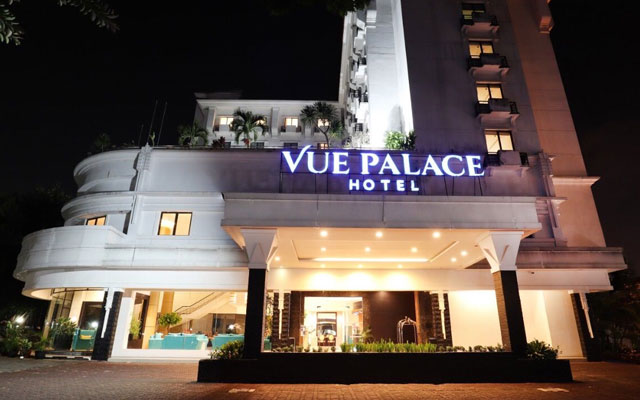
Accor has inked a hotel management agreement with S Hotels and Resorts and Wai Eco World Developer to bring SO/ Hotels & Resorts to the Maldives.

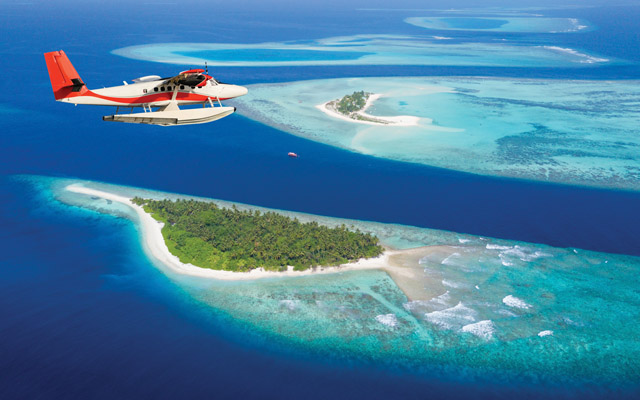
Nestled on its own exclusive island overlooking the Emboodhoo Lagoon, just 15 minutes by speedboat from Malé’s Velana International Airport, SO/ Maldives will boast 80 luxury villas, including beachfront and over-water options.

SO/ Maldives will boast 80 villas overlooking the Emboodhoo Lagoon at Crossroad Maldives

Scheduled to open in 2023, the new resort will take centre stage on the third island of Crossroads Maldives, the integrated leisure destination in the South Malé Atoll.

Guests will be able to take advantage of facilities at The Marina @ Crossroads, an 800m lifestyle area and beach walk that is home to cafés and restaurants, a beach club, upmarket boutiques, a spa, the Marine Discovery Centre and a 30-berth yacht marina. Events can also be hosted at the oceanfront wedding venue and meeting space.

Jetstar Asia to restart Singapore-Phuket services

0

Jetstar Asia will operate two weekly services from Singapore to Phuket starting September 3, following the reopening of the popular Thai resort island to fully vaccinated foreign visitors on July 1 under the government’s ‘sandbox’ scheme.

The scheme exempts these tourists from quarantine upon arrival in Phuket, if they present a negative Covid-19 test result. Travellers who wish to visit other destinations in Thailand will be required to stay in Phuket for at least 14 days.

Jetstar Asia to recommence services to Phuket from September 3

Jetstar Asia’s Singapore-Phuket services will be operated using the Airbus A320, carrying up to 1,700 visitors a month. The airline is offering fares on the route starting from S$79 (US$58).

Jetstar Asia CEO Bara Pasupathi said the airline was excited to restart services to this popular destination as border restrictions begin to relax for vaccinated travellers.

“Initiatives like the sandbox scheme are important opportunities as we continue to ramp up our operations and respond to the increasing demand for leisure travel in the region,” he said.

The LCC also anticipates strong demand for the Phuket service from transit travellers connecting through Jetstar Asia’s Singapore Changi hub. Customers can connect between Phuket and a number of destinations in the airline’s network including Clark, Kuala Lumpur, Manila, Penang and Phnom Penh.

Customers from Jetstar Asia’s partners Air France, KLM, British Airways and Emirates can also make one booking and transit through Singapore to and from Phuket.

Flight Schedule

Italy bans cruise liners from Venice

0

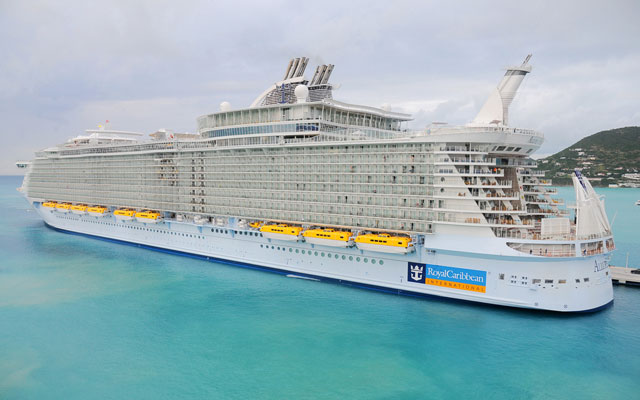
After years of hesitation, Italy will finally slap a ban on large cruise liners entering Venice’s waters, with the restriction coming into effect August 1.

News agencies reported that, according to cabinet sources, the government was forced into the move after UNESCO threatened to put Italy on a blacklist for not banning liners from the World Heritage site.

Large cruise liners will be rerouted to dock at the industrial port of Marghera for now

The ban will impact ships weighing more than 25,000 tonnes. They will no longer be allowed to enter the Giudecca Canal that leads past the landmark Piazza San Marco. Instead, they will be rerouted through the Venice lagoon to dock at the industrial port of Marghera on the mainland.

The government has committed to the construction of five berths at Marghera to accommodate cruise liners by 2022, a project that would cost 157 million euros (US$185 million). It has also promised compensation for those who lose out financially from the law, although it did not specify whether this includes any of the 4,200 local workers employed by the cruise industry, reported CNN.

Francesco Galietti, national director, Italy with the Cruise Lines International Association, hailed the decision as “a major step forward” and welcomed the alternative route for cruise ships.

According to Galietti, the use of Marghera port will be a “short to medium-term solution”, as it is still within the Venetian lagoon. Commercial vessel traffic in the lagoon is damaging the lagoon’s ecosystem. The Italian government had ruled on April 1 that a permanent port must be constructed outside the lagoon, but this would take time.