

Brought to you by Wyndham Hotels & Resorts
Going from good to great
 Brought to you by Macao Government Tourism Office (MGTO)
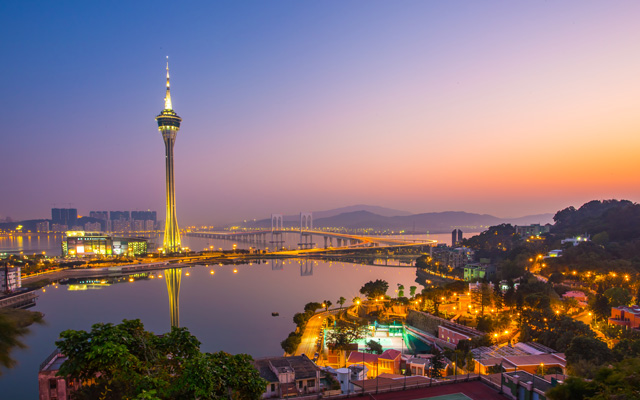
Stability in pandemic controls through most parts of 2021 has allowed Macao to shine as a tourist destination, with numerous fresh activities and events keeping visitors engaged and enthralled all year round.
Furthermore, without having to put prolonged brakes on travel and tourism within the destination, Macao has the benefit of experience to perfect the art of welcoming and caring for her visitors in the safest possible ways.
A fulfilling year in review
The year 2021 has seen Macao kicking off a series of “tourism+” initiatives that sought to raise the competitiveness of the destination’s tourism industry and facilitate collaboration between tourism, business events and other emerging industries such as e-commerce and creative sectors. For travellers, these “tourism+” initiatives have translated to enhanced experiences.

From Art Macao: Macao International Art Biennale 2021 to the 68th Macau Grand Prix, the Asian destination has been a lively hub of impressive festivals, with extensive activities around the main event to entertain residents and visitors alike.
This month’s highlight is the popular Macao Light Festival, which returns this year with the theme, Travellers from Mars. From December 4, 2021 to January 2, 2022, landmarks in areas such as Taipa, Nam Van District and Praia do Manduco District will tell the tale of how our Martian friends discover tourism, culture, science, leisure, gastronomy, environmental protection and more through projection mapping and light installations.
Visual treats continue with Light up Macao Drone Gala, where some 300 drones take to the evening sky above Nam Van Lake every weekend to put on visually stunning performances led by talented teams from mainland China.

Demonstrating the value of tourism as a vehicle to leave a positive legacy on the destination’s community, Macao’s Foreign Trade and Economic Cooperation Department launched the Distinctive Shops Programme in 2021 to uplift local small- and medium-sized restaurants, eateries and retailers.
Conducted in collaboration with district-based business associations, the Distinctive Shops Programme handpicks outstanding enterprises and provides them with various forms of assistance to enable them to sharpen their business acumen and raise their competitiveness, which ultimately give domestic and foreign customers an extraordinary destination experience.
Macao’s tourism and hospitality stakeholders have also maintained their spirit of innovation, rolling out fresh attractions to satiate wanderlust amid the pandemic. Some of the new products that have hit the marketplace include Barra Pier and the scenic Barra-Coloane Ferry Route; the upgraded Macao Grand Prix Museum; the Lisboeta Macau integrated resort, which is opening progressively and now offers unique attractions such as GoAirborne Macau and Zipcity Macau; and Grand Lisboa Palace Resort.

The way forward
For travel agents and planners, Macao is a destination partner that continues to inspire confidence and forward-thinking ideas. Besides working more closely with the travel trade on tourism recovery projects and strategic development in 2022 for expanding tourism source markets, supporting the development of key tourism sectors and strengthening regional cooperation with Hengqin and the Greater Bay Area.
Travel agents and planners will also benefit from destination promotion support offered through the ever-growing star appeal of Macao tourism mascot, MAK MAK, as well as regular MAK MAK themed events – all of which can be woven into the creation of their own tourism activities.
In addition, new tourism products and services can be listed on MGTO’s new Macao Full of Fun – Smart Trip Planner to keep travellers well informed.

As the Year of the Tiger approaches, travel agents and planners will discover even more exciting events in February to weave into their new Macao itineraries. Lunar New Year celebrations will include parades, a fireworks extravaganza, performances led by local and mainland Chinese troupes, and fancy float exhibitions.
Macao will not only shine on the leisure front, as the destination’s 2022 business events calendar will feature high profile gatherings such as the 10th Macao International Travel (Industry) Expo and the Global Tourism Economy Forum.
For more travel updates and inspirations, follow Mak Mak Macao (on Instagram), Stopover Macao (on Facebook), and Macao Moments (on Twitter), or visit the Macao Government Tourism Office website.
Stay longer and save more with Wyndham Hotels & Resorts
With numerous countries having opened their borders to vaccinated travellers, there’s no better time than now to plan your long-awaited getaway. How about a road trip with friends, a romantic holiday with your partner, or that once-a-year family vacation where the entire extended family will all get together?
Save more this holiday season with participating Hotels by Wyndham by staying longer, and spend the extra time reconnecting with your relatives overseas, or simply relax and hang out surrounded by your best friends.
To avail members-only reward deals, don’t forget to join 89 million members of the Wyndham Rewards programme today. Not a member yet? Visit wyndhamrewards.com to join free!
Stay Longer, Save More

For a limited-time, get more discounted nights off Best Available Rate at participating hotels by Wyndham. Get 10% off with one night stay, 15% off for two consecutive nights, or 20% off for three or more consecutive nights stay. On top of that, earn Wyndham Rewards points when you book direct by February 28, 2022.
Stays must be completed by March 1, 2022. Book here.
Here are 10 destinations in Asia Pacific to consider:
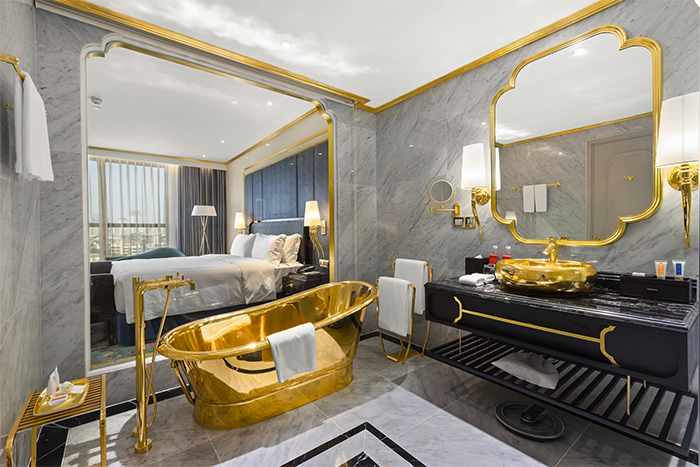
This lakeside retreat in Ho Chi Minh City offers 342 lavish rooms, where its bathroom fixtures are clad in swanky 24-karat-gold. The use of 24-karat-gold has also extended to the rooftop infinity pool, while other recreational facilities include a gym, 24/7 casino, and spa. The dazzling property on the shores of Giang Vo Lake also offers four F&B options, and is a short stroll from the vibrant Old Quarter and its charming colonial architecture.

Nestled in Cam Ranh Peninsula and steps from Long Beach, the property lines the 17th and 18th holes of a Greg Norman-designed golf course which overlooks Bai Dai Beach. There are a total of 327 guestrooms, ranging from the Deluxe Room up to the luxurious four-bedroom villa with a private pool. There are also five F&B options, including Vietnamese restaurant Xue, and whiskey room Quba.
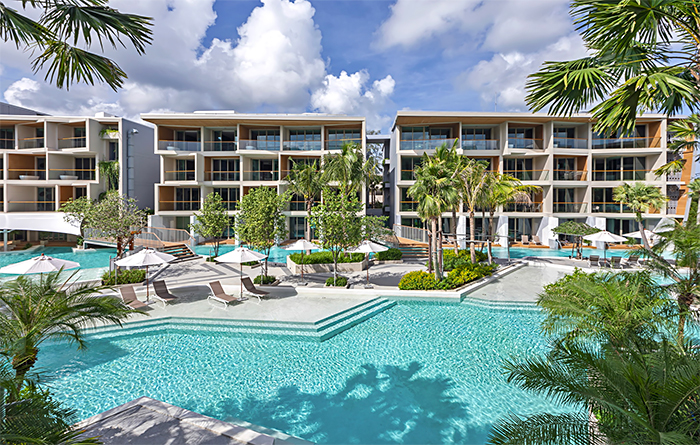
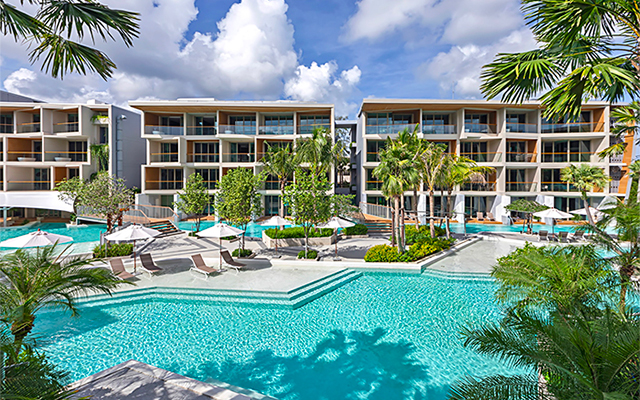
The first internationally-branded hotel in Phuket’s Nai Harn area, the contemporary resort-style property screams vacation. There are 353 rooms and suites available, 77 of which offer direct access to one of the property’s large swimmable lagoon. Other recreational amenities include a swim-up bar, kids club, spa, and fitness centre. Nai Harn beach is also a short stroll away.

Standing proudly on the waterfront of Jeju Island near the bustling downtown area, this resort affords panoramic ocean views. Make a splash in their indoor or outdoor pools, relax in the hot tub and steam room, or venture out to explore attractions such as the Sangumburi Crater and Hamdeok Seobong Beach.

Be privy to a Singaporean food experience at New Ubin Seafood Zhongshan Park or unwind with a cocktail at Heritage Bar & Lounge when visiting the city-state. Singapore’s first hotel-by-the-park development also features a gym, 30-metre pool, business centre, as well as meeting and banquet facilities.

The 257-key modern hotel stands within easy reach from the trendy Bukit Bintang district – which boasts a theme park and large shopping mall – and a 15-minute drive to top attractions such as the Petronas Twin Towers and Suria KLCC. Aside from two F&B venues onsite, other amenities include a gym and meeting space.

Located a 30-minute drive from Kuala Lumpur in the Bandar Baru Klang area stands the Wyndham Acmar Klang. The gateway to Port Klang, facilities here include an outdoor pool, spa, fitness centre, and four F&B venues. Should you need to mix pleasure with some business, meeting amenities include a business centre, and 11 function rooms.

Surrounded by the lush tropical landscapes of Bali’s eastern coast, the hotel stands in close proximity to the black sand beaches of Lepang Beach. This resort has 222 rooms suites and private pool villas that can comfortably sleep two to four guests, perfect for family groups. Here, guests can unwind at the gym, book a massage at the Tirta Spa, or join in a session on the Yoga Deck.

Attached to Yuelai International Convention Center, this property is perfect for bleisure guests. There are 390 rooms within, all of which feature panoramic views of mountains. Amenities include four F&B options, a fitness center, heated indoor swimming pool, yoga room, and day spa. For a friendly game of golf with business associates, the nearby Chongqing International Golf Club sports a challenging, hilly terrain along with restaurants and a gym.

The rebranded hotel is equipped with a total of 278 high-quality and elegant guestrooms and suites. Rooms are decorated with ink and wash style combined with modern design, full of Jiangnan charm and oriental flavour. It is located in Fenhu Lake, an ancient lake with history that can be traced back to 770BC.
Members-only Wyndham Rewards
On top of the Stay Longer, Save More offer, Wyndham Rewards members will be able to earn more rewards with these bonus deals.
Stay 4 Nights, Earn a Free Night
Every four qualified nights stayed, guests will earn 7,500 bonus points – enough for a future free night at thousands of hotels and resorts by Wyndham. Nights do not need to be consecutive, and stays beyond the four count will go towards earning a second free night.
Bookings have to be made by January 14, 2021, and stays have to be completed by January 18, 2022. For more details, click here.
Earn Triple Points for Stays
For a limited time, earn triple Wyndham Rewards points when you stay three or more consecutive nights at hundreds of participating hotels – including brands like Wyndham Grand, Wyndham, Dolce by Wyndham and more. Register and book your qualified stay by December 31, 2021. Stays must be completed by February 28, 2022. For more details, click here.
Stay Safe with Hotels by Wyndham – Count on Us
Wyndham Hotels & Resorts is also committed to the health and safety of their guests and team members, and have taken important steps to ensure health and safety protocols are in place under the global Count on Us initiative.
Sri Lanka bans travellers from six countries in Africa
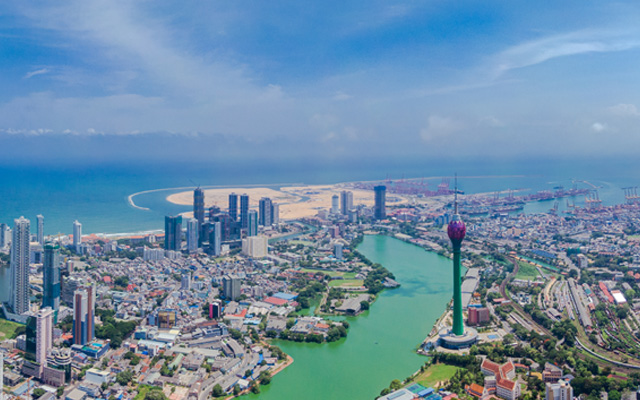
Following in the footsteps of many other countries, Sri Lanka has placed an entry ban on travellers from six African countries with reported Omicron variant infections.
Travellers with a 14-day history of travel to those countries will also be prohibited from entry.
National carrier SriLankan Airlines has affirmed its continued operations to Kenya, which has so far not been affected by the new variant.
Despite the cautious footing, local health officials said they were not changing the guidelines for travellers from other countries. Currently, fully-vaccinated visitors to Sri Lanka need to present a PCR test taken 72 hours before departure, and are not subject to any tests on arrival.
Maintenance of current health guidelines is an assurance for the Sri Lankan tourism community, which has been jittery over possible business recovery disruptions as a result of Omicron.
On November 30, tourism minister Prasanna Ranatunga urged the industry not to panic, and assured them that current proactive measures were adequate to mitigate risk posed by travellers from other parts of the world.
“Europe and the Middle East have promptly banned entries from these six countries. These two regions are popular gateways for passengers or transit passengers to Sri Lanka. Therefore, (along with Sri Lanka’s entry ban on travellers from affected African countries) there is no need to overreact to the situation,” Ranatunga told the Daily Financial Times.
On Monday, Tourist Hotels Association of Sri Lanka and the Sri Lanka Association of Inbound Tour Operators issued a joint statement urging the authorities to not alter current health protocols, so as to avoid endangering the beleaguered Sri Lankan tourism industry and negatively impacting the national economy.
East Nusa Tenggara makes a beeline for domestic markets
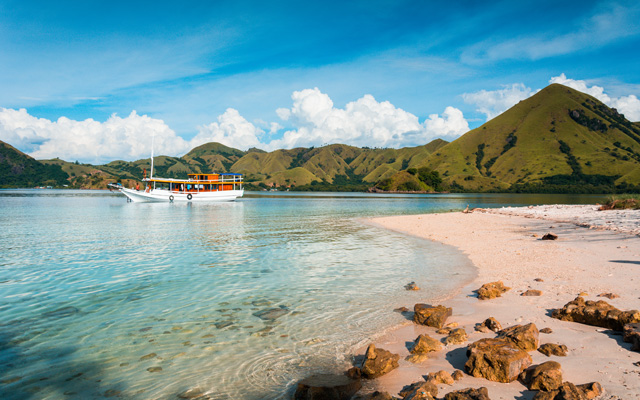
Recognising the power of the domestic travel market in enabling business recovery, East Nusa Tenggara (NTT) tourism stakeholders conducted their first local sales mission to Bali, Bandung and Jakarta this month.
Rocky Pekujawang, the head of NTT Tourism Promotion Board (BPPD), said the sales missions to Jakarta and Bali also helped to reignite international tourist demand, as both cities are gateways for foreign travellers.
“There are now three airlines offering direct flights from Jakarta to Labuan Bajo,” said Rocky.
BPPD offered adventure and outdoor activities, such as hiking, trekking, and snorkelling, as well as packages that would enable travellers to experience a mix of activities. Prices start from 7.8 million rupiah (US$548) per pax. A 4D3N programme by Flobamor Tours, for example, entices travellers to set sail on a Phinisi ship to visit Kelor island for snorkelling and Padar island for hiking.
Rocky shared that BPPD is also in talks with the NTT chapter of the Association of the Indonesian Tours and Travel Agencies (ASITA) for potential collaboration on camper van packages.
Abed Frans, chairman of NTT chapter of ASITA, said camper van travel suited the characteristics of tourist destinations in NTT.
He added that his association and the Java Overland community recently hit the road in camper vans, driving from Maumere to Labuan Bajo, to test the feasibility of the package.
If all goes to plan, the camper van packages will launch in June 2022, with departures from Kupang for a Timor Island trip and Tambolaka for Sumba Island trip.
From Tambolaka in Southwest Sumba regency, for example, travellers can explore Waingapu and visit various natural attractions, such as Savana Hiliwuku Hill – known among the locals as Teletubbies Hill.
Semarang regency on track towards tourism goals
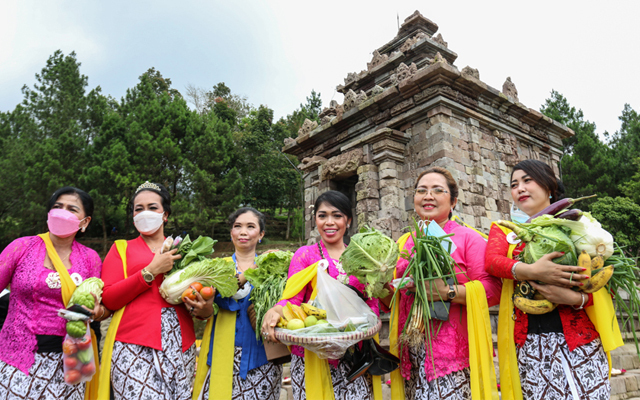
The regency of Semarang in Indonesia’s Central Java province has intensified infrastructure development and established fresh private investment opportunities in an effort to compete with neighbouring Semarang City as a tourist destination.
Semarang is one of the supporting clusters of the Borobudur Super Priority Destination Development together with Yogyakarta and Solo, which is dubbed Joglosemar.
Semarang regent Ngesti Nugraha provided development updates at the 14th anniversary dinner of the Jakarta Travel Media Grouping (HAM) in Semarang last week.
At present, the Solo-Semarang section of the new Semarang-Solo-Yogyakarta toll roads has been completed, while the Semarang-Yogyakarta section is in progress.
Gedong Songo Temple complex, a group of 9th century Hindu temples, has been repaved and given a new platform for flower markets and parking spaces. A traditional market in Bandungan has been relocated to clear traffic congestion on the way to the temple complex, and a park is under construction on the former market site.
The Rawa Pening lake has been cleared of water hyacinth and tourist attractions have been built in the area. Today, Bukit Cinta is one of the popular spots for families and young visitors to enjoy water activities, such as boating and fishing.
Kampoeng Kopi Banaran, a resort set amid a Dutch colonial coffee plantation, will be upgraded and expanded to better appeal to travellers.
Ngesti revealed that two strategic areas, sized between 10 and 11 hectares, in Bandungan and Tengeran area on the Solo-Semarang main road are earmarked for tourism development by investors.
“We will develop and expand the roads leading to the locations and ease permits for potential investors,” he added.
Guests of the event welcomed the news, but pointed out areas for improvement to enable the regency to fulfil her tourism goals.
Bondan Marutohenging, chairman of Semarang Regional Parliament, said the Semarang regency would require hotels and event venues to extend the average length of stay of visitors, which would then grow tourism revenue.
Tourism is currently the second biggest revenue generator for the regency, only after land and building taxes.
Without enough hotels, travellers will continue to visit the regency for attractions but stay overnight in Semarang City where accommodation options are plenty, remarked Bondan.
Dewi Pramuningsih, head of Semarang Regency Tourism Office, regarded tourism promotions as key, and suggested that the destination leverage events such as Gedongsongo Festival, which showcases traditional performances and creative industry exhibition. The 2021 festival was held last week.
Attractions in the regency are doing their part to raise the destination’s profile. Kampoeng Kopi Banaran, for instance, will launch three national events in 2022, shared general manager Frina Bonita.
“We will launch the first music concert in the middle of the coffee plantation, titled Dynamic Fest, in June. That will be followed by the Black Market Festival during the coffee picking season in August. We will close the year with the first Indonesia International Motor Show,” she disclosed.
Singapore tightens border measures

Travellers entering Singapore will face stricter rules from 23.59 on December 2 as the city-state attempts to buffer against the spread of the new Omicron variant.
The Straits Times reported that while no Omicron cases have been detected locally, the Ministry of Health said the pre-emptive measures are needed for Singapore to assess the implications of the new variant. Such measures will also help to reduce the risk of importation of the virus.
Under the new requirements, air travellers arriving on the quarantine-free Vaccinated Travel Lane (VTL) scheme must undergo supervised, self-administered antigen rapid tests at a Quick Test Centre on days three and seven of their arrival.
Previously, such travellers would only need to take a Covid-19 swab test prior to their departure for Singapore, and upon arrival.
All air travellers entering, transferring or transiting through Singapore must also have tested negative in a pre-departure test within two days of leaving for Singapore.
Third, all travellers must take a Covid-19 polymerase chain reaction (PCR) test on arrival. This will affect non-VTL travellers entering Singapore who are not from Hong Kong, Macau, China and Taiwan.
These tightened restrictions will be in place for four weeks, and are subjected to review and possible extension.
This announcement follows on the heels of the government’s decision to indefinitely postpone planned VTLs for Qatar, Saudi Arabia and the UAE.
SIA, Garuda Indonesia deepen partnership

Garuda Indonesia and Singapore Airlines (SIA) have signed a Memorandum of Understanding (MoU) that will expand their wide-ranging commercial partnership to provide customers with additional options and an enhanced travel experience.
The agreement was inked by Garuda Indonesia president and CEO Irfan Setiaputra and SIA CEO Goh Choon Phong on November 26, 2021, coinciding with the launch of a quarantine-free Vaccinated Travel Lane (VTL) between Indonesia and Singapore on November 29, 2021.
The scope of the collaboration includes the potential alignment of frequent flyer programmes, joint marketing activities, and initiatives to promote inbound tourism into Indonesia, subject to regulatory approval. Both partners are also committed to finding new growth opportunities in the air freight segment, as well as cooperation in maintenance, repair, and overhaul activities.
Garuda Indonesia and SIA reactivated their air connectivity partnership
arrangement between Singapore and Bali, Jakarta, and Surabaya on October 1, 2021. Garuda Indonesia commenced flights network connectivity on SIA’s services to London on the same day, and will codeshare on SIA’s flights to Mumbai from January 1, 2022, subject to regulatory approval.
Spain Tourism Board rebuilds SE Asian demand with fresh angles

Known for her big-city draws and star-studded football clubs among South-east Asian travellers, Spain is working to spread post-pandemic tourism attention to lesser-known parts of the country and play up unique local experiences.
Speaking to TTG Asia, Singapore-based Monica Sanchez, tourism counsellor with the Embassy of Spain and director of Spain Tourism Board, revealed that the tourism office has been spending the past 18 months of the travel freeze rebranding destination Spain and deepening South-east Asian travel agents’ understanding of Spain’s various points of appeal. Engagements were accomplished through webinars and one-on-one meetings with providers of Spanish travel and tourism products.

“Tourists from this region know of Spain’s hit destinations, but most are unaware of the other areas where they can experience the full flavour of the country, such as tasting and learning to cook traditional Spanish dishes, making cheese and anchovies, going fishing, visiting farms, exploring nature trails, and so much more,” said Sanchez.
The webinars, which also present Spain’s rich Islamic history and readiness for Halal tourism, have attracted at least 500 travel agents from across South-east Asia.
Sanchez observed that since June 2021, when Spain resumed international travel for fully vaccinated individuals from all countries, nature trails for hiking and biking have gained a strong following. Leveraging post-pandemic travellers’ love for the outdoors, Spain is promoting routes that show off the country’s natural sights. Among them is the eight-kilometre Caminito Del Rey Trail, which was once considered one of the most dangerous in the world but is now made much safer for visitors to stroll down walkways hanging 100m up a sheer cliff. The other is the northern route of The Way of Saint James, down the coastline of the Cantabrian Sea, which promises to impress nature lovers.
The tourism board is also directing attention to Spain’s 15 small cities and villages bearing the UNESCO World Heritage Site status.
“Some are popular as a day-trip destination, made possible by our advanced and convenient transport system, but we are encouraging travellers now to savour these places slowly – stay for a few days, sit down for a meal, talk to the locals, and discover hidden gems,” she said.
As Spain’s nature trails and most of her UNESCO World Heritage Sites are unknown to South-east Asians, Sanchez sees great potential to grow arrivals from the region through these points of appeal.
“One of the projects we have now is to promote Green Spain, a collection of unspoiled beaches, charming villages and extraordinary nature reserves all across the north of Spain in Euskadi, Cantabria, Asturias and Galicia. Here, dishes use the freshest local produce, so flavours are quite impressive. Travellers can choose to stay in a little hotel in the countryside, and enjoy homemade meals that are sustainably sourced and contribute to local tourism earnings.”
According to Sanchez, raising awareness of off-the-beaten-path destinations and customised programmes is an effective way for Spain to counter overtourism issues that were present pre-pandemic, and to ensure that post-pandemic tourism will benefit more local communities, not just those in developed tourist circuits.
This direction will also enable Spain to encourage travellers to stay longer and experience more of what the country has to offer.
Working to Spain’s benefit is also the country’s reputation as one of the safest destinations to visit in Europe, opined Sanchez.
“While Spain was hit hard by Covid-19 in the early days of the pandemic, the country has shown how well she has regained control. Spain’s vaccination rate is among the highest in Europe. Locals continue to take masking seriously – masking indoors is still mandatory. In fact, locals remain respectful of the effects of Covid-19, so they are cautious and considerate even though our incidence of infection has fallen and is among the lowest in Europe,” she elaborated.
As more Asian governments ease international travel restrictions, Sanchez said 2022 would be a better year for tourism.
In Singapore, where a quarantine-free Vaccinated Travel Lane has been established with Spain since November, Sanchez’s office has been “inundated by enquiries for the year-end holidays season”.
“It is encouraging to see that the enquiries are not just from people who are thinking about going to Spain; many are in the process of booking. There are also Singaporeans travelling in Spain now, a mix of individuals and families, as well as small corporate groups,” she said.
Australia halts border reopening over Omicron fears

Australia has halted border reopening plans to students and skilled workers, sparked by concerns over the new Omicron variant.
Initially slated to reopen on December 1, the date has been delayed at least two weeks.

Australia’s borders have been closed to most non-citizens for more than 20 months, with the exception of fully vaccinated Australian citizens, permanent residents and immediate family, as well as fully vaccinated green lane travellers from New Zealand and Singapore.
The reopening to travellers from Japan and South Korea will also be paused until December 15. The plan was to open borders to visitors from these two countries on December 1.
Australian prime minister Scott Morrison indicated that the temporary pause will allow the country to gather the necessary information to better understand the variant, the efficacy of the vaccine, the range of illness, and the level of transmission.
Australia has so far, detected five cases of the Omicron variant.
Elsewhere in Asia-Pacific, Japan has also temporarily suspended entry for all foreign visitors for at least a month while Indonesia has extended quarantine-on-arrival requirements.

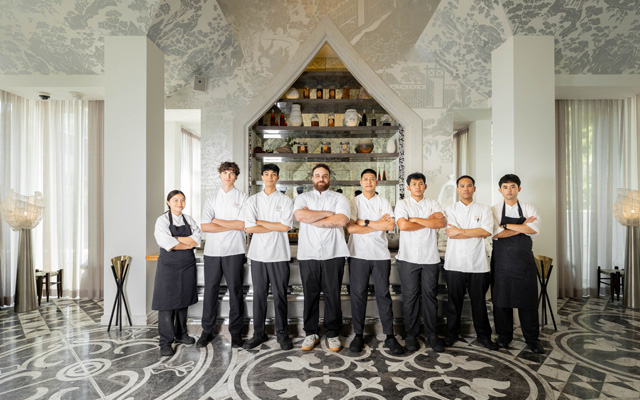






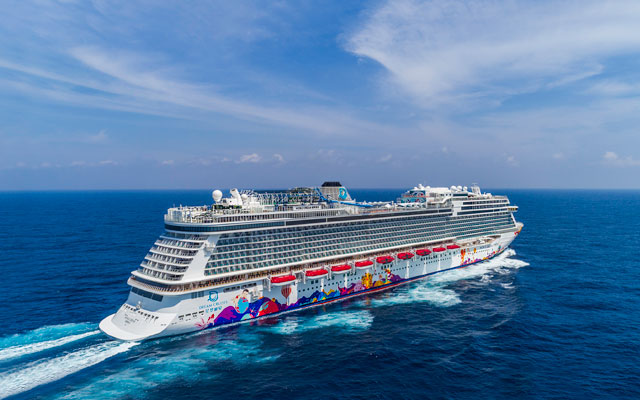
Dream Cruises has opened sailings aboard its World Dream ship to non-residents in Singapore and international travellers for the first time since the onset of the Covid-19 pandemic, in accordance with the latest guidelines by the local authorities.
This development follows the launch of vaccinated travel lanes by the city-state, allowing quarantine-free entry for fully vaccinated travellers from selected countries.
In a statement, Dream Cruises called the move “a new milestone” for the cruise line “that will help to fuel the recovery of the cruise industry in Singapore and regionally”.
All embarking guests will need to be fully vaccinated and undergo a pre-boarding antigen rapid test at the cruise terminal and present a negative test result for Covid-19.
“World Dream has carried over 200,000 guests since cruising resumed in Singapore on November 6, 2020 and celebrated its first anniversary earlier this month,” said Michael Goh, president of Dream Cruises.
“With cruise bookings now open to non-residents in Singapore and international travellers, it is indeed fantastic news, as we have been working hard towards this goal with the demonstration of safe cruises over the past year.”
“Our progression to the next phase of cruising is timely and we are highly optimistic that demand will continue to rise with the contribution of the fly-cruise segment.“