TTG Asia
Asia/Singapore Monday, 15th December 2025
Page 810

Discover NCL’s newest ship, Norwegian Prima

0
Norwegian Prima

Brought to you by Norwegian Cruise Line
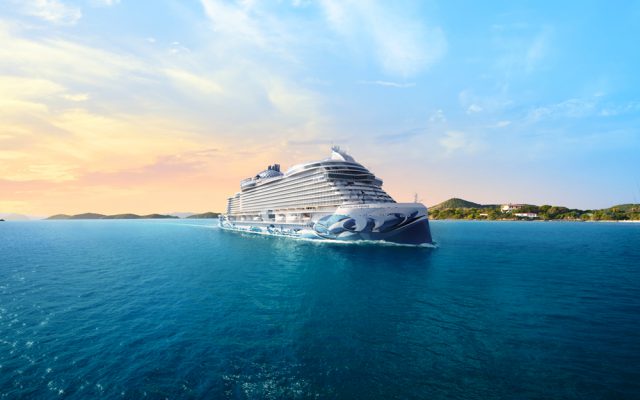
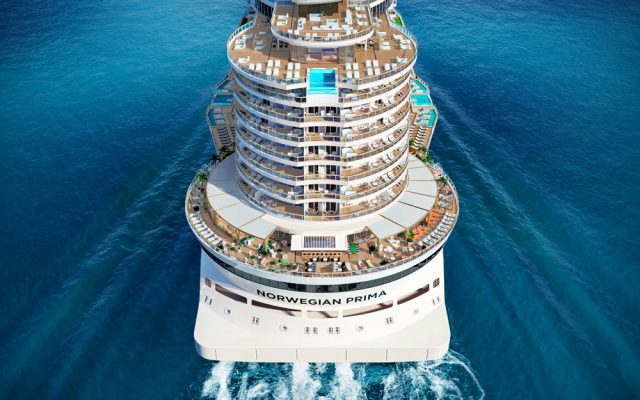
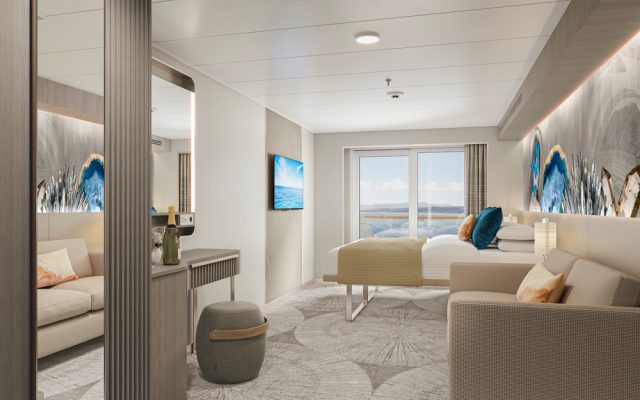
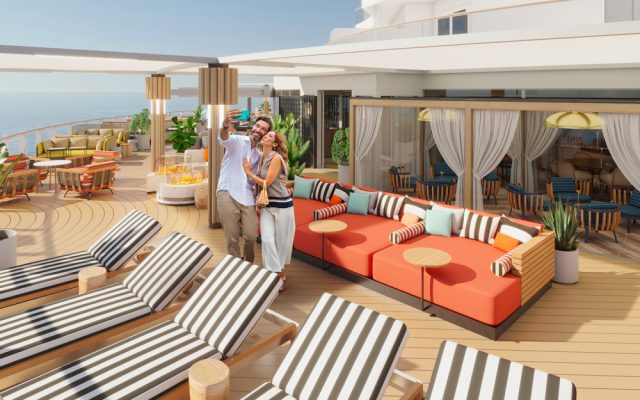
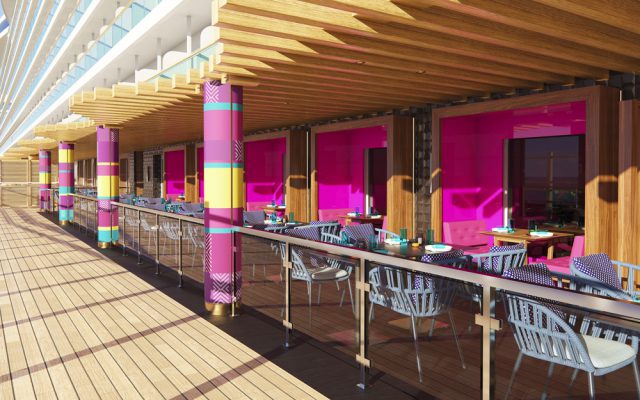
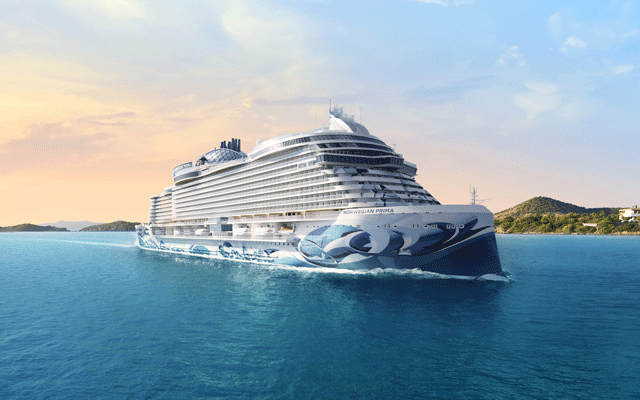
Welcome aboard Norwegian Prima, the first in a new class of ships by Norwegian Cruise Line (NCL), designed to elevate every expectation. Be the first to explore the greater wide open and enjoy the expansive outdoor deck space on the most spacious new cruise ship at sea. Stroll seaside along Ocean Boulevard, that encircles the entire ship, or stretch out in NCL’s roomiest rooms, with the most spacious accommodation in its fleet. Designed by world-class architects, designers and artists, elegance is woven into every detail, from the grandeur of The Haven to the interactive seaside sculpture garden. And with the highest staff levels of any new ship, enjoy service that puts you first. Be the first to discover a new experience at sea on board Norwegian Prima, setting sail to Northern Europe, The Caribbean and Bermuda from August 2022.

First-class luxury: The Haven by Norwegian®
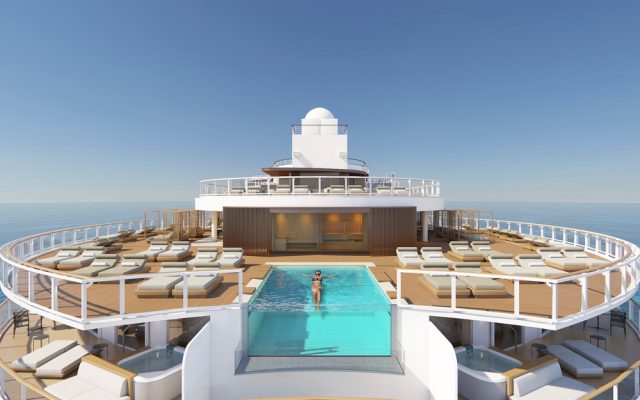
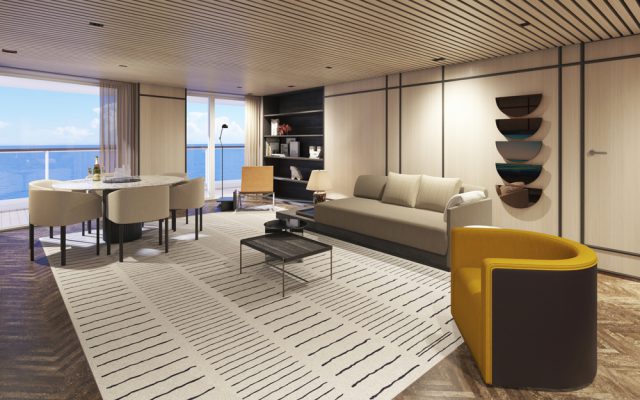
Discover unparalleled luxury in The Haven, NCL’s most premium and spacious accommodation. Private elevators whisk you away to your exclusive enclave where your personal concierge and 24-hour butler cater to every craving. Take in sweeping ocean views as you swim in the private infinity pool, relax in the sauna, or savour the dishes from The Haven restaurant. No matter how you plan to spend your time, this private sanctuary – exclusive for Haven guests – provides the perfect escape.

Ocean Boulevard
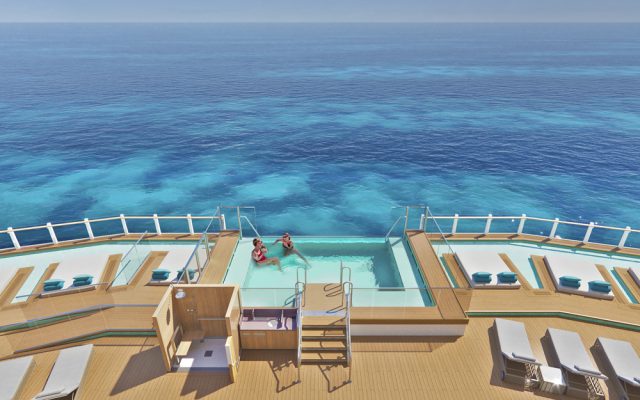
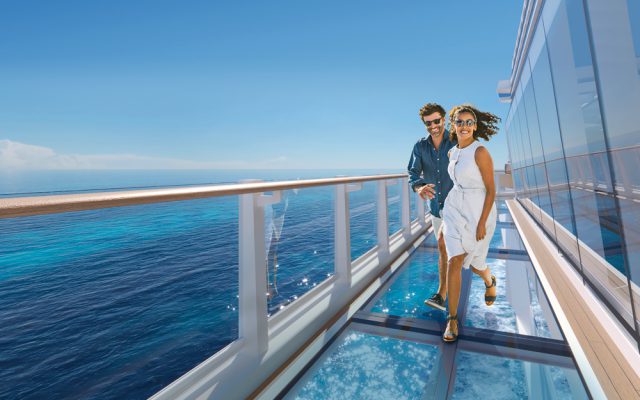
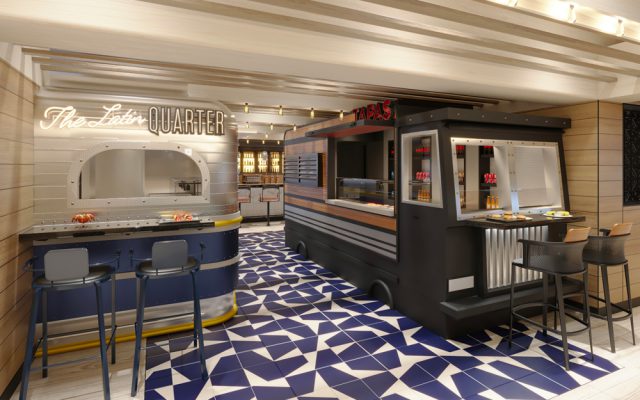
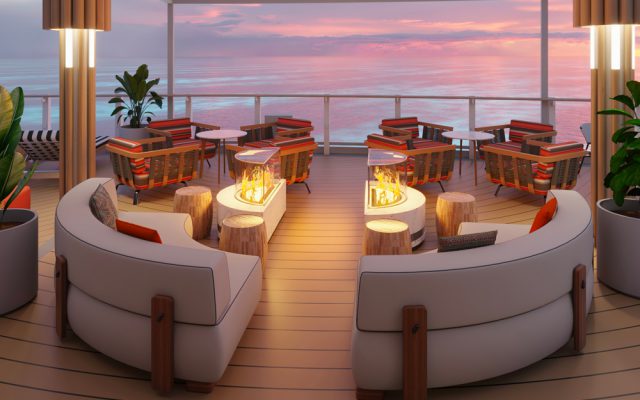
Explore the greater wide open with the most outdoor deck space of any new cruise ship. Enjoy 360° views as you stroll along the breathtaking Ocean Boulevard, the expansive outdoor space that encircles Norwegian Prima. Swim up to the horizon in one of the infinity pools, designed to blend into the ocean, or walk over water across NCL’s first glass bridge – Oceanwalk. Take your tastebuds on a delicious journey through the Indulge Food Hall, where you can grab a seat, hammock, daybed or private cabana and enjoy your fill of customisable small plates from a diverse range of mouth-watering cuisines. At night, kick back with the stars at the outdoor movie nights, or circle around the fire pit to unwind after another incredible day at sea.

Dine along the seaside

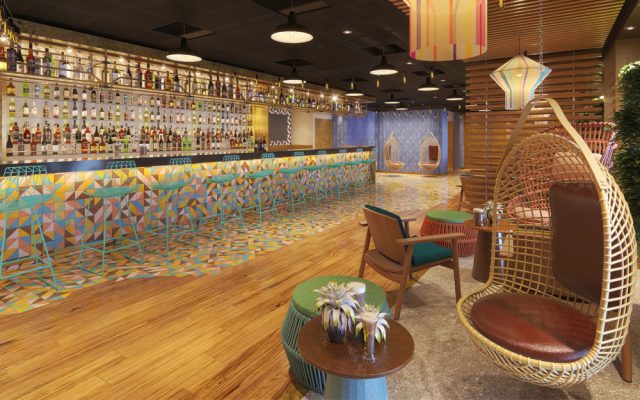
Indulge in a modern Italian culinary experience at Onda by Scarpetta. Onda, or “wave” in Italian, brings the charm and effortless elegance of its critically acclaimed sister restaurant, Scarpetta, to sea. Or head over to Los Lobos, a premium Mexican restaurant, for traditional flavours with a modern twist – such as the Carne Asada marinated in guajillo chiles and tequila, and the Tres Leches Cake with Coconut Cream. For something more casual, visit The Local with its beach club atmosphere and live music, located on Ocean Boulevard by Infinity Beach.

Cruise Northern Europe, Bermuda and The Caribbean, from August 2022

Be the first to set sail aboard Norwegian Prima to the natural wonders of Northern Europe, the warm turquoise sands of the Western Caribbean or the pink sands of Bermuda. Discover the incredible landscapes of Iceland and Norway on an 8-Day cruise from Amsterdam to Reykjavik, or explore the ancient ruins of Costa Maya, Mexico, on a 5-day Caribbean itinerary. And until 30 June, book your clients’ future cruise and they can save 30% on the cruise fare plus they will receive 5 Free Offers – including Free Specialty Dining, Free Excursions, Free Open Bar and more, valued at US$2,900*.

To learn more, visit ncl.com/prima.

*Offer correct as at 1 June 2021 and subject to change or withdrawal. Offer ends 30 June 2021. For full terms and conditions click here.
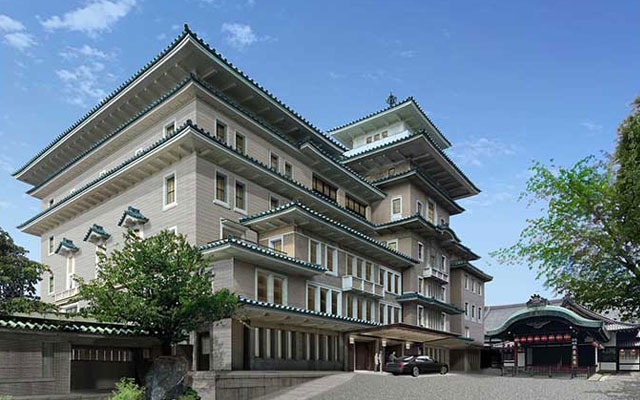
Fourth Imperial Hotel to land in Kyoto

0

Absolute Hotel Services targets senior market with new extended-stay brand

0

Absolute Hotel Services (AHS) Group has launched the Eastin Estates brand, a luxury long-stay residential brand in the assisted living segment.

Eastin Estates aims to provide a residential community experience to meet the growing needs of the active senior market, with services and facilities for residents that encourage health and social connections. AHS Group claims to be the first hospitality management company to launch a brand dedicated to this segment in Asia.

Eastin Estates aims to provide the active senior market with a residential community experience 

Eastin Estates is designed to provide active seniors looking for personal home care assistance with a safe place to work, rest and play with like-minded residents, while serviced by a professional community crew. Daily activities and high-end facilities help residents keep fit, active and mobile.

Karan Kaul, vice president of business development for AHS, said: “Eastin Estates will grow via management agreements and is an ideal concept for conversions of existing hotels and residential projects in urban and resort settings. We are launching this product in response to the evolving demographics of the region”.

All developments under the Eastin Estate brand will feature safe, comfortable and appropriate design features made from sustainable materials. All public areas and facilities will cater for easy access and will be wheelchair-accessible. Accommodations range from 40-50m² studios to 80-100m² two-bedroom units, all fitted with kitchenette, bathroom, and balcony or terrace. Units and facilities are pet-friendly, and a la carte pet grooming and meal services can be provided.

Facilities include a health centre with a 24/7 nurse and emergency support, all-day dining restaurant with healthy menu options, lounge area with library, meeting room, outdoor garden, swimming pool, yoga area, minimart, fitness centre with steam and sauna rooms, as well as entertainment and service laundry facilities. Nature is well-integrated within the living spaces and large landscaped communal areas feature throughout the development.

According to Jonathan Wigley, CEO of the AHS Group, the company plans to expand the Eastin Estates brand in Thailand, Vietnam and Indonesia.

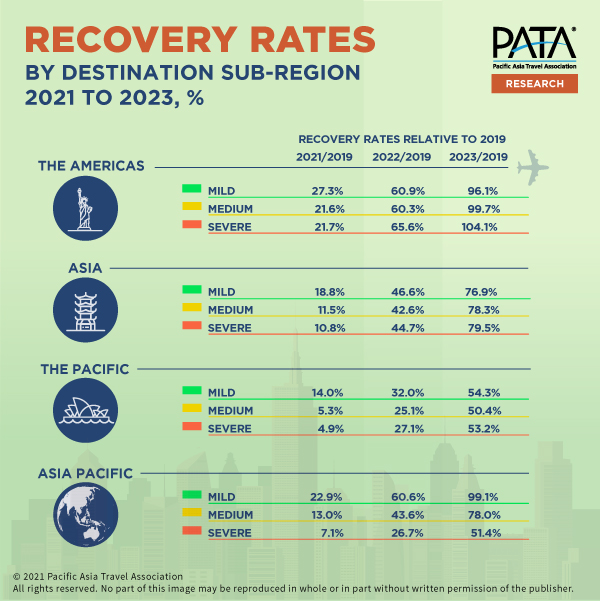
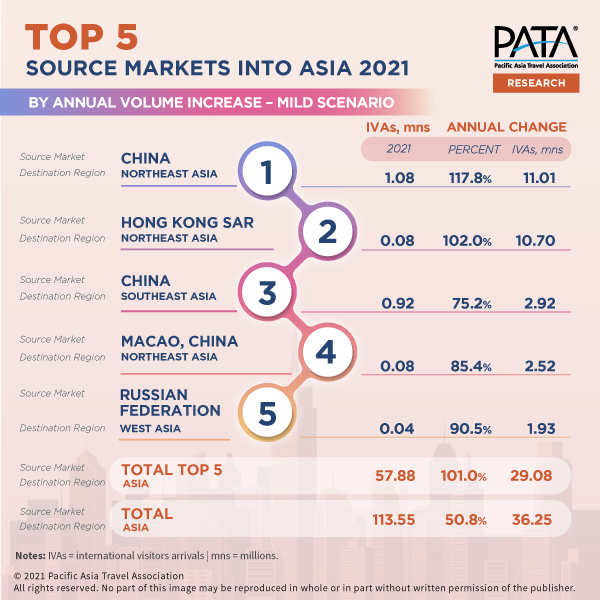
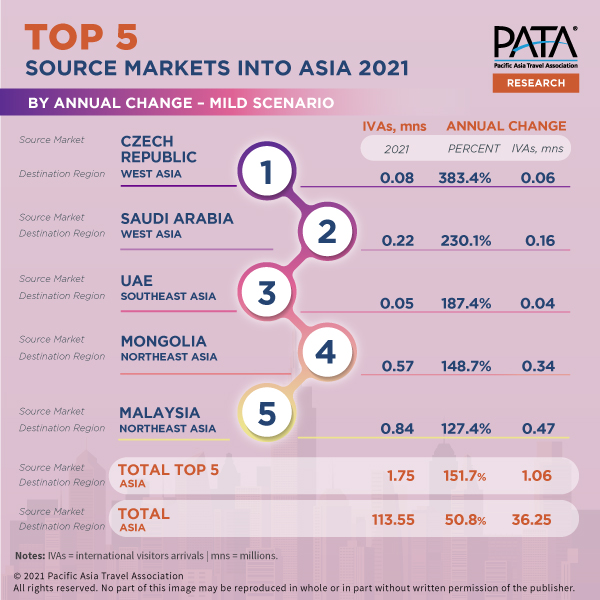
Bright spots in APAC tourism recovery in 2022: PATA

0

As room demand weakens, new hotel revenue sources awaken

0

For almost two decades since 2002, Singapore-based Global Hospitality Solutions (GHS) has established a profitable business in helping hotel partners be present in the entire customer journey in travel and tourism, from engaging travellers to driving purchase and eventually rewarding for loyalty.

But with a large part of their business being in room bookings, GHS found its existence challenged when the pandemic hit in early 2020.

Quek: Online retailing, including F&B delivery, plays a crucial role in supporting hotel businesses

“There was zero tourism. And so, our work suddenly became focused on helping our hotel partners survive – which in turn ensures our own survival,” recalled CEO Bernard Quek.

To develop different and more stable ways for hotels to get business amid recurring lockdowns and continued international travel restrictions, GHS adjusted its technology platforms to facilitate F&B orders and delivery, voucher sales and e-gifting services.

GHS’s transformation birthed Social Media Hospitality Salesbot, which enables hotel room bookings and voucher sales via Facebook and Messenger, online F&B ordering for takeaway or delivery, and restaurant reservations via a chatbot as well as WhyQueue Hotel e-Store, which powers a private e-store for both hotel companies and individual properties.

However, Quek discovered that the business pivot required more than just a technology change. By stepping into F&B purchase and delivery services, GHS now has to put on a new operational hat and play the role of a coordinator that connects customers with transport vendors and hotel partners.

He detailed: “When it comes to selling a room, the customer puts in arrival and departure dates, selects rooms, books, pays, and the transaction is complete. With online F&B purchases, the customer selects what he wants, and puts in his delivery address which must be linked to Google Map for us to instruct our delivery partners. This process can get complex beyond Singapore, such as in the Philippines where there are many regions and zones.

“We have to work with our transport partner – in Singapore, it is Lalamove – to ensure the hotel meal, chocolates or wines are delivered to the customer in good condition and in accordance to our hotel partners’ brand and service standards. And should there be delays, we must sort things out.”

GHS’s WhyQueue Hotel e-Store now supports various hotel companies and properties, such as Grand Hyatt Singapore, Grand Hyatt Jakarta in Indonesia and Wyndham Hotels and Resorts across Asia-Pacific. It recently won over Marco Polo Hotels and will be establishing an online store for the chain’s properties in Manila.

According to Quek, hotels have a lot to gain by moving into online retailing. Citing an example, he said a hotel client in Singapore generated seven-digit revenue “over the last couple of months” from just F&B delivery alone.

Online retailing can also cushion hotels from recurring lockdowns. When Singapore went into Phase 2 partial lockdown on May 16, which restricted staycation guest movement and prohibited dining in at eateries, Hyatt’s online orders grew 300 per cent in a day.

For now, Quek observed that major hotel companies and high-end properties were more open to the idea of shifting to online retailing and F&B delivery, compared to smaller, local properties. But even with a more open mind, it was not easy for these companies and hotels to move out of their traditional business in room sales.

“Most have never done F&B delivery as a key segment of their business, so we must guide them in every step of the way. Today, F&B is a very important part of hotel business. To do F&B business now requires hotels to relearn concepts. For example, hotels cannot sell a delivered meal at the same price as a dine-in meal because the customer is not paying for the hotel ambience and service,” said Quek.

He said Hyatt properties have done well in transitioning a part of their F&B business to takeaway and home delivery. They had the foresight to set a much lower, more practical price range for food orders. An Impossible Burger served at a Hyatt hotel restaurant would cost about S$30 (US$22.70) or S$40; the same meal for takeaway costs S$12.

F&B products sold by Hyatt properties are marketed at lower prices online

Quek opined that e-gifting is another valuable lifeline for hotels. The service allows corporate clients to purchase hotel vouchers for their staff and/or business partners, which can be used to redeem a specific product – such as a two-night stay in a deluxe room at a specific hotel – or a range of products, such as premium toiletries or gourmet treats.

“E-gifting supports the future of work. Many people are working from home, so bonding is gone and organisations are looking to make up for that loss of engagement through thoughtful gifts that their staff or business partners can enjoy at home, be it a nice meal or a bottle of wine,” said Quek.

Even when movement restrictions ease and post-pandemic travel resumes, Quek is confident that online retail will remain useful for hotels. “Consumers have formed a habit to send gifts of food, wine and other goodies to people they love and miss during the pandemic, and e-gifting will continue to have a place even as movement restrictions ease. There is still room for improvement in overseas e-gifting, and what we do can help to enable this service,” he said.

GHS is growing its Social Media Hospitality Salesbot and WhyQueue Hotel e-Store solutions most prominently in Singapore, Indonesia and the Philippines now, with plans to expand into Vietnam, Hong Kong and Taiwan soon.

Connecting critical dots in luxury tourism

0

ILTM Asia Pacific will take place online again this year. How will this work?
We are very much looking forward to it. While we would prefer to be in Singapore with a live event, it’s still not the right time to do this, especially with such a big international audience in attendance. So, for the event happening from July 20 to 22, we have created a framework consistent with the virtual editions delivered by ILTM during 2020, providing a platform from which luxury travel brands can access the top luxury travel agents representing the highest net worth of clients across the Asia-Pacific region.

Designed to provide international and regional suppliers with new business opportunities and enhance industry and media relationships, ILTM Asia Pacific will deliver one-to-one online meetings, plus direct messaging between buyer or media and suppliers, in addition to opportunities to learn from content and industry insights throughout the three-day event.

ILTM is an opportunity to expand business and knowledge not just internationally, but also regionally.

Are there opportunities for luxury travel buyers and sellers to continue interacting after ILTM Asia Pacific 2021 concludes? How will the ILTM team facilitate that?
All of the pre-scheduled appointments will mean both buyers and sellers meeting together. As with every ILTM event, that establishes the connection and we would expect that both parties will continue with their relationship should business require it.

For all those participating in the virtual event, all content will be available online post-show for a period of a month.

What else is new for this virtual event?
We will also have Asia-Pacific’s most influential travel editors who speak to the High Net Worth (HNW) luxury consumer through their printed magazines, and digital online publications. (These editors) will also participate in the meetings, and can choose the exhibitors they wish to interact with.

ILTM undertook research with Barton in late-2020 to understand the current state of luxury travel among the region’s HNW consumers. Can you give us some highlights of your findings?
Despite the effects of Covid-19 persisting globally, many of the 55 countries that make up the Asia-Pacific region have been considered excellent examples of resilience during a period that has upended the travel industry like never before.

Asia-Pacific is the fastest growing wealth region in the world, which was what identified it as a key location for the travel industry to expand into long before Covid-19 was known. The wealth growth trend seen in Asia-Pacific prior to the pandemic has only paused (during the pandemic), and in some cases, it has even increased. That means, the region still has the fastest growing HNW population anywhere across the globe.

Given the very strong link between wealth and luxury travel spend from the region, this means very strong growth in Asia-Pacific’s contribution to the total spend on the Global Luxury Travel Universe.

The full report will be made available to all participants of ILTM Asia Pacific.

How is participation shaping up for the virtual event this year?
The Asia-Pacific region is key to international and regional luxury travel brands because it is such a huge market and one that has remained stable as the Barton research shows. So, it’s no surprise that we expect some 200 suppliers to be participating in meetings with a similar number of hand-picked agents and advisors who will come from across Asia, Australia and the Oceania.

A taste of the suppliers that will be joining include bespoke experiences, luxury yachts, iconic brands, boutique hotels, private islands, and cruises – a diverse mix with representation from brands including Accor, Belmond, Conrad, Hyatt, Kerzner International, Mandarin Oriental, Seabourn, Shangri-La and Wharf Hotels as well as destinations ranging from Aspen, Catalonia, Madrid and the Seychelles through to individual properties and experiences such as Capella Hanoi, Patina Maldives, Aurora Experiences, Quark Expeditions, Rocky Mountaineer and The Broadwick Hotel in London.

Are there certain segments of luxury travel suppliers that you are surprised to see, or see more of, at the 2021 edition? Why do you think they have responded especially well to the second edition of ILTM Asia Pacific 2021?
ILTM is a key business driver to the luxury travel industry and the virtual event has been supported by the industry as a much needed (business platform). We have people returning to join us after attending the ILTM World Tour conducted in the later part of 2020 – and that is great to see.

As there are limited live events currently taking place, ILTM Asia Pacific 2021 gives people the chance to re-engage and catch up with the luxury buyers of this fascinating and developing region.

We have a good mix of international and regional luxury travel brands (that were with us) at our previous shows, but also many new ones such as Aurora Expeditions and the Broadwick Hotel in London to name just two.

Another outstanding element is that we have a good percentage of buyers – 15 per cent – that did not join the last virtual event. We will also be bringing in approximately 35 premier Chinese buyers.

What would you say is the biggest motivation for luxury travel players to join the event this year?
Asia-Pacific is still the fastest-growing wealth region in the world and it is home to some of the world’s most prolific travellers – over US$363 billion is spent on the Global Luxury Travel Universe annually. With the financial resource, design and inherent ability to pivot during incredible disruption, Asia-Pacific travellers should be seen as pioneers of the new luxury travel landscape, providing the much needed economic injection the industry needs and has been waiting for. So, it makes sense to be part of this turnaround for our business community.

Will we finally see an in-person ILTM Asia Pacific materialise in 2022? Will it still be in Singapore?
We are absolutely planning for ILTM Asia Pacific to be a face-to-face event in 2022 and yes, our home will be Singapore.

TTG Asia is the only official trade media partner for ILTM Asia-Pacific 2021. Watch out for the ILTM Asia-Pacific 2021 special in the luxury travel bumper issue of TTG Asia this July. For more information on the event, email steve.oloughlin@reedexpo.co.uk.

Experience Western Australia at Hyatt Centric Victoria Harbour Hong Kong

0

SiteMinder launches new hotel distribution solution

0

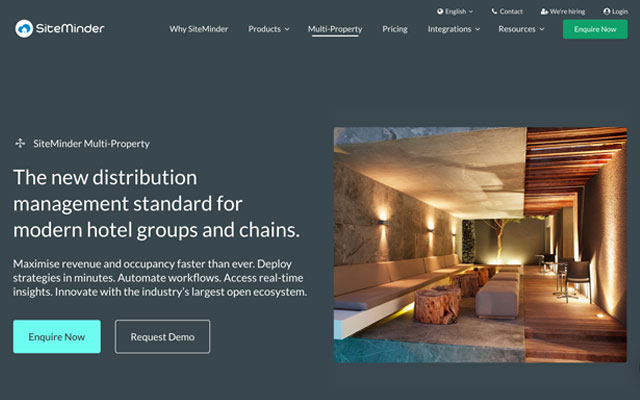
SiteMinder has launched SiteMinder Multi-Property to set the new distribution management standard for modern hotel chains and groups, by giving revenue teams critical distribution controls in place of the obsolete features and high costs that typically come with legacy systems.

The technology makes it possible for hotel chains and groups of all structures – from brands to clusters – to centralise the management and distribution of their rates, and easily onboard new hotel properties and staff.

With SiteMinder Multi-Property, hotel chains and groups can enter rate plans once and have the details disseminated across all their properties – a scale that is unmatched by other distribution technologies due to SiteMinder’s open connections to 1,000 property management systems, channel managers, booking channels and hotel applications.

Additionally, hotel chains and groups can use SiteMinder Multi-Property to launch enterprise-wide campaigns at a fraction of the time they used to, run continuous health checks of their set-up, and produce customised reports.

In a statement, SiteMinder said that Multi-Property “comes at a crucial time as travel markets reopen around the world and hotels remain challenged by a resource and skills shortage”.

“By simplifying the complexity involved with distribution for hotel chains and groups, SiteMinder’s technology will allow revenue teams to boost their efficiency, stay nimble and drive stronger revenue outcomes than ever before,” it added.

Speaking on the reasons for creating SiteMinder Multi-Property, SiteMinder’s chief product officer, Inga Latham, said: “We’ve worked closely with revenue and distribution professionals for many years and know that, more than any other hotel segment, multi-property groups are held back by traditional technology and fragmented structures. Legacy distribution systems have imposed high costs and provided a vast array of features and functions, which often go unused.

“SiteMinder Multi-Property lets hotel chains and groups manage their distribution on their terms. It gives them a greater capacity to innovate and compete with less time and resources. Consumer expectations have also increased over the past year and, with SiteMinder Multi-Property, hotel chains and groups can guarantee a smooth experience in the back-end to support the guest experience.”

According to SiteMinder, Multi-Property is now being used by hotels in every region globally. Early adopters include Minor Hotels, Quest Apartment Hotels, TFE Hotels, Nesuto Hotels, and StayWell.

Ascott rolls out telehealth, telecounselling and travel security advisory services

0

APAC airline traffic remains dismal in April: AAPA

0