TTG Asia
Asia/Singapore Friday, 19th December 2025
Page 806

Singapore travel agents show their mettle amid tourism gloom

0

• Government initiatives, including the SingapoRediscovers Vouchers scheme, have helped support local travel agents and spur domestic demand
• Some agencies have quickly pivoted to new business models to raise revenue during travel standstill
• Cruise sales are also helping to buoy agency revenues
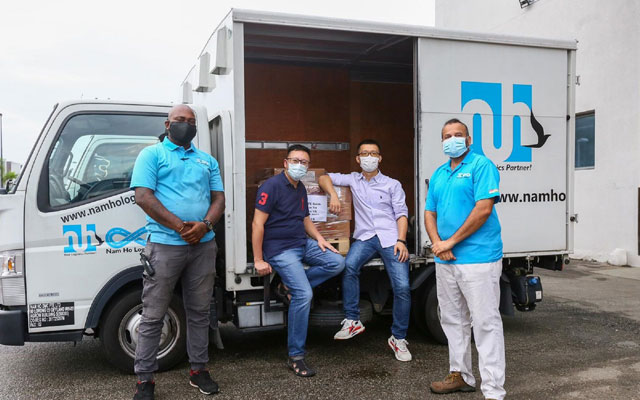
Nam Ho DMC developed a full-fledged logistics business when the pandemic brought travel to a standstill

The numbers don’t look too bad: Between February 2020 and end-May 2021, 137 travel agents (TAs) in Singapore ceased operations. However, only 38 TAs cited the pandemic, said the Singapore Tourism Board (STB). The rest gave other reasons such as change in business focus and/or retirement of the founder, especially smaller agencies. Annually, some 120 to 140 TAs exit voluntarily.

STB’s website lists 1,122 “active” travel agents, meaning they hold licenses. But many may be dormant, or downsized. Shuttered shopfronts in Beach Road and Chinatown suggest coach and regional tour operators and ticketing agencies are seriously affected.
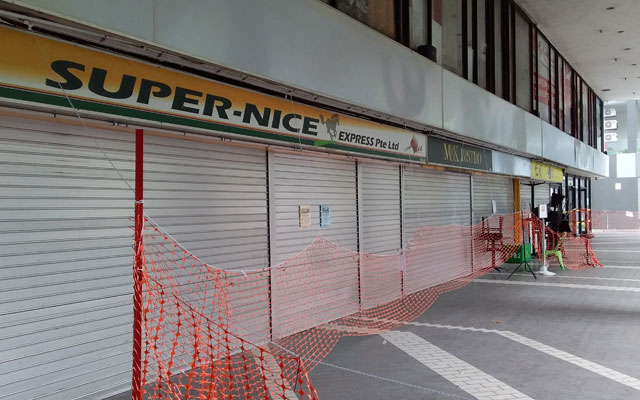
Of the 137 travel agencies that shuttered since the start of Covid, only 38 cited the pandemic as the reason

Despite Covid-19 severely impacting all travel sectors, the National Association of Travel Agents Singapore (NATAS), which represents about a quarter of TAs, saw more than 80 per cent renewing their membership.

“We will not see strong signs of travel recovery in a while,” acknowledged NATAS president Steven Ler. “The next six to nine months will be crucial as any further delay in borders reopening will be detrimental. There’s no single set of travel standards or protocols, and this adds to the complexity of cross-border travel arrangements as restrictions are slowly eased.”

He advocated government and industry coming together to redefine travel and build a more sustainable and resilient industry. “NATAS is working on many fronts with government agencies to dovetail efforts to prepare the sector for recovery.”

The art of adaptation
The challenges posed by the pandemic have shown that continued adaptation is a key strategy for survival. Aided by government support, travel agents in Singapore have proven a resilient lot, adapting on the fly and evolving their product portfolios to suit local tastes.

Kenneth Lim, STB director, travel agents & tourist guides, said: “As a whole, our tourism industries have been resilient and adapted their business models and products. Travel agents must ensure they have the relevant skills to cater to the changing needs and preferences of consumers. To that end, STB has launched various initiatives to ensure that our tourism sector is ready for the future of travel.”

Indeed, TAs interviewed were grateful for the generous government wage subsidies and training grants, fee discounts and SingapoRediscovers Vouchers (SRV) for domestic tourism. To reduce costs, some relocated their offices; others released surplus staff for safe distancing ambassador duties.

Participating TAs commended the SRV scheme. Yvonne Low, executive director, The Traveller DMC, said the team drew upon their skill in catering to international tourists, scoured Singapore and launched Origin Journeys – enriching experiences for participants of all age groups.

She said: “The three most popular tours are True Blue Peranakan Experience, co-hosted with a Peranakan restaurant; Pulau Ubin including Chek Jawa; and Hainanese Heritage Tour which includes a food workshop, tea appreciation and Singapore Sling at Raffles Hotel. Food-related tours are more about the culture: interacting with restaurant-owners who share openly about their culture, community and love for the particular cuisine.”

Marshall Ooi, director, Nam Ho Travel, said: “Singaporeans are now exploring remote places such as Pulau Ubin and Kranji and enjoying novelties like a Singapore River cruise with scrumptious seafood dinner. The experience is key, their discovery and enjoyment facilitated through interactive storytelling.”

Tour East Singapore has also adapted tourist itineraries to suit local customers. Non-citizens don’t enjoy SRV subsidies, so they book on Eventbrite. General manager Dominic Ong said: “We have about 120 customers monthly, with a minimum of two to go. Among our eight tours – mostly walking itineraries – the Colonial Charm theme is most popular as participants can appreciate the civic district from a different perspective.”

On criticism that SRV tours are expensive, operators said they are actually “high cost, low margin”. Due to safe management measures, groups are kept small. Costs include tourist guide fees, transport and commission to the booking platform (typically 20 per cent). Moreover, meals are not standard fare but customised menus.

Betel Box Tours continued its walking and food tours without joining the SRV scheme, promoting its Katong, Geylang and Chinatown staples on the firm’s website. When food tours were suspended during the latest five-week curb on dining out, virtual events provided an opportunity.

Owner-director Tony Tan said: “We conducted an educational tour of the URA City Gallery for about 50 students of an Australian university by teaming up with National University of Singapore and Urban Redevelopment Authority. Partnership is important and we’ll be developing more virtual options.” He admitted technical challenges as outdoor and indoor tour conditions are different. Guides also must be good at telling stories and handling equipment in live tours.

Creative pandemic pivots
For Nam Ho DMC, creative thinking extended beyond routine activities. Pre-pandemic, it relied heavily on the Indian market. With that dormant, it deployed its fleet of vehicles by developing a full-fledged logistics business with its own warehouse. It also launched an online B2B marketplace for non-travel products and another for local consumers to buy food items from South-east Asia and China.

Co-founder and director, Mahesh Pawanaskar, said: “Due to the pandemic, our travel business shut down but what came to our rescue is the most valued asset – our people. The biggest learning point is that it is not just about survival of the fittest, but also survival of the most agile and adaptable.”

Similarly, without Japanese inbound and outbound business, JTB Singapore developed side-lines, including a self-service vending machine to dispense Singapore souvenirs at Connect@Changi since foreign visitors can’t venture outside the facility. Raffles Hotel merchandise is also stocked. Selling Japanese spa amenities, confectionery and sake on e-commerce platforms will begin soon.
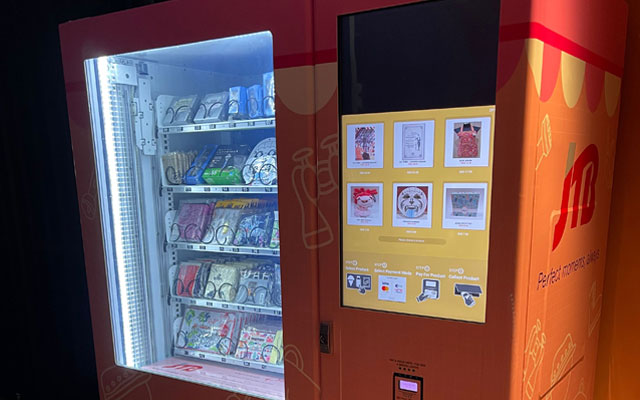
JTB Singapore deployed a self-service vending machine, which dispenses unique souvenirs, at Connect@Changi

Cruise sales also helped to keep TAs afloat. “We have good take-up of the two- and three-night cruises to nowhere (operated by Dream Cruises and Royal Caribbean),” said Chung Kek Yoong, chief executive, Pacific Arena. “There is a lot of pent-up demand for leisure trips and also to reunite families. This segment will probably drive travel when borders gradually reopen.”

Citing the raft of measures to ensure travel can resume safely, he added: “Granted there will be many hurdles ahead, but travel is simply too crucial to the economic well-being of many countries.”

STB’s Lim affirmed: “We will work closely with travel agents and tour operators to provide mentorship and consultancy support, drive partnerships, support product development and facilitate relevant regulatory approvals to address gaps in Singapore’s tour landscape, while developing future-ready tours that can continue to draw both local and international visitors.”


New travel training company launched to help industry upskill

0

Centara commits to sustainability

0

Travel trade leverages downtime to upskill staff, develop tours as Malaysia extends MCO 3.0

0

Tour operators in Malaysia are keeping busy preparing for the reopening of borders, even as authorities extend the country’s third movement control order (MCO) which should have ended yesterday (June 14) by a fortnight until June 28.

The extension of the nationwide lockdown, based on recommendations from the health ministry, was deemed necessary as the number of new Covid-19 cases remain high.

Under MCO 3.0, extended until June 28, inter-district and interstate travel is banned

On Friday, when the government made its announcement to extend the lockdown, the health ministry reported 6,849 new cases that day, the highest single-day rise in new cases recorded last week, with a record 912 patients warded in intensive care units.

As bans on inter-district and interstate travel remain under the extended lockdown, the Malaysian Inbound Tourism Association (MITA) has postponed its eTravel Fair to August 15-19. The eTravel Fair, featuring domestic travel packages, was originally scheduled from June 17-21.

While domestic travel has temporarily come to a standstill, Adam Kamal, secretary-general at MITA, shared that the association is currently disseminating information to its members on all the financial assistance that various government agencies has made available to the travel trade.

Tourism players whom TTG Asia spoke to predicted that the lifting of domestic travel is unlikely to happen anytime soon, and some were using the downtime to upskill their staff and invest in product development.

Mint Leong, managing director, Sunflower Holidays, projected that interstate travel will only be allowed to resume this year-end, and that only those vaccinated will be allowed to cross state borders.

In the meantime, her staff are keeping themselves occupied by watching webinars, documentaries and online programmes on destination marketing while working from home.

Leong shared that she herself has been keeping busy by watching online cruising videos uploaded by various cruise companies. She will also be attending the upcoming virtual IT&CM China as a trade buyer to engage with Chinese sellers on product updates as well as to listen to the online presentations during the show.

Yap Sook Ling, managing director, Asian Overland Services Tours & Travel, shared that the company is using the downtime to prepare more tour packages in anticipation of the reopening of the country’s borders which she hoped would happen sometime next year.

The company is also leveraging its online B2B system to sell to their overseas partners rooms, tickets and tours to destinations that have already opened up. Furthermore, the agency is also providing training programmes in critical thinking, reservations and sales for its staff.

Yap stressed that at the end of the day, achieving herd immunity quickly is vital for the survival of the local tourism sector, and that the government’s move to ramp up the national Covid-19 immunisation programme is a step in the right direction.

Four Seasons adds Osaka hotel to Japan portfolio

0

Indonesia’s domestic market ripe for Bali tourism stakeholders’ picking

0

Bali tourism stakeholders are being encouraged to take proactive action to attract domestic travellers while international travel remains largely restricted amid the threat of Covid-19.

Speaking at the seventh edition of the Bali and Beyond Travel Fair (BBTF) held last week, Sutrisno, head of Bank Indonesia (BI) Bali Provincial Representative Office, cited BI statistics showing that the Indonesian outbound traffic pre-pandemic reached 11 million trips, with a total spend of US$11 billion.

Bali tourism stakeholders urged to tap domestic market; tourists viewing terrace rice fields in Bali pictured

In the meantime, the national third-party funds in 1Q2021 rose by 9.3 per cent, and in April alone, the growth was 12 per cent compared to the same period in 2020. Meanwhile, Bali’s third-party funds declined by 3.8 per cent in 1Q2021 as people withdraw their savings and sold their assets due to declining businesses.

Sutrisno said: “This means that people are saving. Those people (living in big cities like Jakarta, Surabaya, and Medan), who usually travel overseas, are saving on travel expenditure because of the closed borders. This domestic market presents a big potential for Bali (tourism players) to tap.”

Rizki Handayani, deputy of tourism products and MICE, Ministry of Tourism and Creative Economy (MoTCE), urged Bali tourism stakeholders to take proactive steps to attract domestic visitors by conducting sales and marketing activities in major cities like Jakarta, promoting health and wellness tourism.

“Sustainable, health and wellness tourism are trending and they are priority programmes (for the MOTCE) to develop,” she said, adding that Bali has what it takes to tap this booming trend, with its spa and wellness offerings, natural and cultural attractions, and myriad of healthy food options.

“On the medical tourism side, we have lost markets to (neighbouring and overseas) destinations,” she said, adding that Indonesians have been going abroad to seek not just treatments for illnesses, but also aesthetic procedures.

Bali, with its clinics and nature-filled environment, has the capacity to meet that demand, Rizki stressed.

“International markets remain important, but instead of just waiting for these markets to come back, let’s work this huge domestic potential,” she said, adding that Jakarta is a market that presents big opportunities.

Rizki encouraged the trade to create new thematic wellness programmes, as well as tap the youth with voluntourism, related to environment and social development.

After being canned in 2020, BBTF 2021 was held from June 10-11, connecting 145 sellers from 14 provinces in Indonesia with 132 Indonesian buyers offline and 57 international buyers from 20 countries online.

Cruise services startup ropes in European veteran to develop Asia’s cruise industry

0

Singapore-based cruise services startup NaviAsia is partnering with European Cruise Service (ECS) to drive the development of Asia as a cruise and leisure destination.

Started in January this year, NaviAsia specialises in offering cruise services such as shore excursions, ship agency, ground handling, destination management and in-house training programmes.

Yee: ECS partnership enables NaviAsia to adopt best practices in preparation for Asia cruise resumption

The organisation is helmed by two industry veterans with more than 40 years of management-level experience – managing director, Julieanne Yee and general manager, Adrian Wong.

ECS has been the main provider of cruise services for foreign cruise ships calling at Norwegian ports and fjords for over 160 years and is the market leader in shore excursion operations and ships agency services rendered to cruise ships calling upon ports in Northern Europe.

The collaboration will see NaviAsia drive the partnership’s business throughout Asia, with ECS providing support with their experience, expertise, best practices, contacts and systems for accelerating growth.

Speaking to TTG Asia, Yee said that NaviAsia is currently working on preparation for cruise resumption based on the potential requirements from each of the cruise brands and exploring potential new islets declared as “Green Zone”, which can be of interest to cruise clients in the event that borders remain closed for the key destinations.

According to Yee, cruise clients are finding it difficult to grapple with the varying protocols required in the different countries. “With the cruise resumption already started in Europe, the partnership enables us to adapt best practices across continents and prepares us for cruise journeying to Asian waters,” she said.

However, another hurdle looms – as the source markets for most international cruise brands comprise of mainly non-Asians, recovery may take longer than expected as it is challenging for them to travel longhaul to Asia to join the cruises.

Despite the concerns, Yee remains optimistic about the industry in Asia. “Singapore has been, and will continue to be, an important cruise hub for cruise liners deploying in South-east Asia. Apart from Singapore, the opening of borders within the neighbouring countries is equally important for a successful Asia cruise deployment.”

Unite to conquer: how travel, tourism and hospitality players can help pandemic recovery

0

Hope can sometimes be so fragile. In April this year, we’d been eagerly anticipating a travel bubble between Singapore and Hong Kong set to commence end-May. Singapore’s Minister for Transport had also caused ripples of excitement following his comments about looking to forge similar agreements with neighbouring countries like Australia, New Zealand, Taiwan and Brunei.

Fast forward a month, and a sudden uptick in the number of Covid-19 community cases suddenly sent Singapore back into Phase 2 (Heightened Alert) from May 14 to June 13. Within the span of a few weeks, hospitality industry optimism had been replaced with sadness and frustration. And to add to the misery, the World Economic Forum also announced the cancellation of its annual meeting, scheduled for August in Singapore.

What’s next for the battered tourism, hospitality and events industries? What can our business associations and governments do to help in times of uncertainty?

“You can never cross the ocean unless you have the courage to lose sight of the shore,” said Christopher Columbus. While the obstacles we currently face may be large, we need some bold and brave moves to help us reach a better place. Here are some ways I believe will kickstart that process:

Collaborate on vaccine support strategies
The speed of vaccine rollouts in Asia has been comparatively slower than the US and the UK. While Singapore is ahead of the region with nearly a third of its population fully vaccinated, the rest of South-east Asia has been lagging with less than four per cent of adults receiving both doses.

As one of the hardest-hit industries during the pandemic, tourism, hospitality and event companies must collaborate rapidly and meaningfully with each other and their local business associations to present a united, supportive strategy in their respective countries.

Hotels, for example, can offer their premises as public vaccination centres. Vaccine storage requires refrigeration facilities – if your restaurant has spare refrigeration equipment, consider loaning it out to the relevant healthcare authorities.

Companies can also take a proactive stance in setting up parallel vaccination drives for their employees. For instance, Europe’s largest hotel chain Accor secured its own supplies to vaccinate its teams across the world, while South-east Asia’s super app Grab delivered much needed vocal and operational support for vaccination initiatives. Smaller enterprises can always consider incentives to encourage their staff to take the vaccine.

The industry can play a much bigger role on a second important battlefront – vaccine education. Business leaders can leverage their public profile by taking the lead in getting vaccinated and distributing accurate, up-to-date information on the vaccines among their employees.

The quicker we’re able to achieve herd immunity, the less time we’re giving the virus to mutate into dangerous new variants.

Clear business solutions for contact tracing
While the vaccine is being rolled out, the region’s industry players can adopt strict protocols for contact tracing. This was a common practice among businesses in South Korea, Singapore and Taiwan, where the first outbreaks of the pandemic last year were most effectively contained.

Installing watertight measures like employee and visitor check-ins and check-outs empowers your business to quickly conduct contact tracing in the unfortunate event a Covid-19 case is suspected or confirmed.

Adopting technology-based solutions such as mobile apps also boosts the accuracy of contact tracing to isolate community spreading.

These measures are only effective if widely adopted. They require the cooperation of all industry players across entire cities, states or even countries. While these moves require allocation of resources, ultimately, it’s an investment to ensure the industry’s future and will speed up the pace of recovery.

Offer regular workplace testing
Human contact is an essential aspect of the tourism and hospitality sector, so regular Covid-19 testing of your employees can help detect asymptomatic cases early. This also reduces any potential negative impact on your business and operations, as well as contributing to the containment of community cases.

Antigen Rapid Test (ART) kits have already been used for pre-event testing – these only require a quick nose swab and offer results within the same day. A more comfortable breathalyser test has recently been rolled out at Singapore-Malaysia border checkpoints. If this works well, it would be an efficient solution for our industry, too.

If your country is distributing test kits to businesses to carry out their own Covid-19 testing, sign up for it immediately. Alternatively, work with local business organisations to obtain tests to enable you to roll out your own industry programme.

As I said at the beginning, hope can be a delicate thing. But when positive action is matched with united efforts across industry and governments, we can build something much more substantial. So let’s start, today.

And finally, let’s not forget that the greatest steps forward out of this pandemic begin at home. After all, the best weapon against Covid-19 is a healthy immune system. So each of us should remember to eat healthily, get good sleep, drink less alcohol, do some regular exercise, and get out for a dose of fresh air and a little sun each day to boost our vitamin D.

Accor embarks on massive recruitment drive

0

Accor is recruiting for over 1,000 new career opportunities at almost all of its 400 hotels in Australia and New Zealand, in a bid to fill vacant positions as travel demand returns.

Accor Pacific CEO, Simon McGrath, said: “This is a rapidly returning sector and we are now recruiting for roles at most of our hotels, apartments and resorts across the Pacific.”

Accor looks to fill more than 1,000 jobs, launches internship programme to create strong employee pipeline

In a brand new recruitment initiative – the Accor Internship Program – Accor is working with 22 hospitality institutions across Australia and New Zealand to provide on-the-job training for 100 students.

These roles, which are primarily applied for via hospitality, travel and tourism higher education institutions, will be fully-paid internships, with travel allowances. Recruits will have the opportunity to broaden their skills and experience across operations, administration, and F&B.

McGrath said: “We believe that we have a responsibility to identify, inspire and train people to become the next generation of hoteliers. We will use this opportunity to advance our commitment to diversity and inclusion, by bringing people into our industry with a wide range of interests, backgrounds and experiences.”

Princess Cruises ups service ante with on-demand feature

0