


Via.com expands into Malaysia
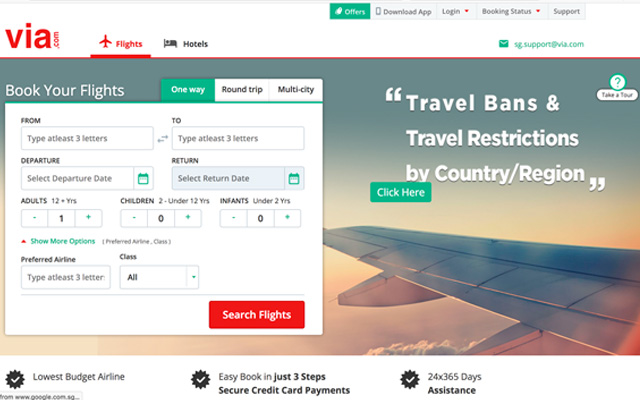
India-based Ebixcash Travel Services’ online travel platform Via.com has expanded into Malaysia through the recent appointment of B2B wholesaler, Universal Holidays Travel and Tourism, as its general sales agent.
Universal will distribute airline inventory on the platform, making it easier for Malaysian travel agents to book directly from Via.com. Transactions will no longer have to go through agents in China and other parts of Asia.
Malaysia based agents can also pay in ringgit, allowing them to avoid international transaction charges.
Universal Holiday’s founder and CEO, Zahira Tahir, said her immediate plans were to create better awareness of Via.com’s B2B online travel booking platform solutions, which offer both low-cost carriers and full-fledged airline inventory, and are on a pay-per-transaction basis, even for non-IATA agents.
Roadshows and product presentations aimed at agents based in Kuala Lumpur, Penang, Johor, Kota Kinabalu and Kuching are scheduled to take place after the Chinese New Year season.
“I am also in the midst of hiring a dedicated sales team,” Zahira added.
Both Ebixcash Travel Services and Universal Holidays Travel and Tourism share a familiar business relationship, as the latter has been the former’s ground-handler for both leisure and business travel for many years, revealed Zahira.
Naveen Kundu, managing director, Ebixcash Travel Services, said: “We identified the potential Malaysia has to offer for online travel bookings and we believe the travel and tourism business is on the verge of coming back. The partnership will add to the organic growth of our travel business and further strengthen our business purpose which is empowering small- and medium-sized travel agents with technology and airline inventory.”
Accor to debut Fairmont brand in Vietnam

The Fairmont Hanoi will open in the Vietnamese capital come 2024, making it the first Fairmont brand in the country.
The 241-room luxury hotel will take design inspiration from the art of lacquer with the traditional colours of Vietnam, the Indochinese style from the French colonial period, and draws motifs from Vietnam’s dynasties.

Positioned as an urban resort, guests will be able to enjoy a wide range of offerings such as six dining and bar venues including a rooftop restaurant, as well as two indoor and outdoor swimming pools, an extensive gym, wellness spa and bathhouse. For corporate groups, the hotel will offer a 1,000m2 grand ballroom as well as nine meeting rooms, making it an outstanding destination for meetings, conferencing and events.
The hotel will sit close to governmental and business districts of the city.
Garth Simmons, CEO of Accor Southeast Asia, Japan and South Korea, said: “The signing of the first Fairmont city hotel in Vietnam is a significant step forward in Accor’s development within the country. Our ambition is to debut a greater collection of premium and luxury offerings to meet the rapidly growing demand for high-end hospitality in the market.”
NCL unveils exclusive trade portal in Asia
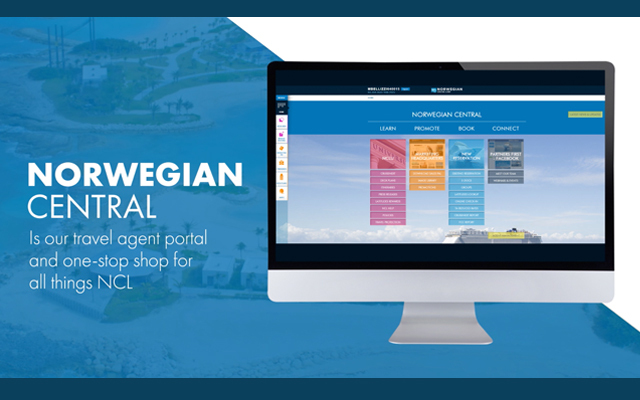
Norwegian Cruise Line (NCL) has launched Norwegian Central Asia, a new portal to help travel partners in Asia learn about and market NCL holidays with ease.
Partners can access NCL’s travel agent training platform, NCL University (NCLU), on Norwegian Central Asia as well as unlock discounts of up to 30 per cent off their own NCL cruise as part of the reduced rate learning incentive programme, which awards the completion of different levels of NCLU course modules.
Also accessible via Norwegian Central Asia is NCL’s Marketing Headquarters, which allows agents to create their own NCL marketing materials from an extensive toolbox of flyers, banners, videos, pre-prepared social media posts and more.
In addition, the portal features up-to-the-minute NCL news via the Cruise Line’s new and exclusive Partners First Asia Facebook group as well as updates on upcoming webinars and events.
“This brand-new portal allows agents in Asia to capitalise on the upturn in international travel in 2022 with tools and resources developed specifically for them, all located conveniently in one place,” said Braydon Holland, NCL’s senior sales director, Asia.
Outrigger Surin Beach Resort offers longer-stay savings
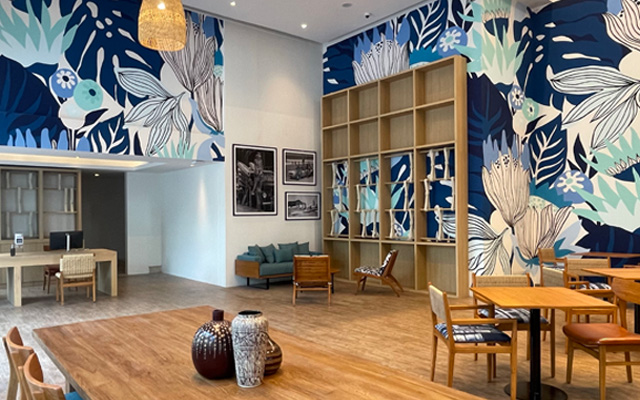
The newly opened Outrigger Surin Beach Resort in Phuket, Thailand is dangling a special accommodation offer, in support of the Phuket Sandbox initiative.
A super saver rate for a Surin Studio Room starts from 3,400 baht (US$103) per night, for stays of at least seven nights. The offer is valid from now until April 17, 2022.
The rate includes breakfast for two, return airport transfers, 1,500 baht in F&B credit per stay, 20 per cent off laundry, and flexible check-in/out.
To book the Outrigger Surin Beach Resort sandbox promotion, visit outrigger.com.
Supporting hands


Content push
Australia’s international borders have only just started to reopen in stages but its tourism body has been hard at work during the pandemic, with initiatives that inspire continued holiday dreams in the country.
Tourism Australia launched an immersive virtual travel activation called Live From Aus in May 2020, which saw some of Australia’s best tourism offerings streamed in real time to millions around the world, featuring Australian personalities, advocates and tourism operators.
The 48-hour event showcased something new every hour for an entire weekend while most of the world was locked down, far exceeding their initial exposure target across various channels to reach 34 million online views from 40 countries and multiplied tenfold the immediate number of searches for Australian holiday experiences on booking.com.
Tourism Australia next ran an Australia in 8D content initiative in October 2020 as an online series on YouTube, Instagram and Facebook. The videos blended footage of Australian landscapes and moments using innovative 8D audio technology to create a 360-degree dreamlike soundscape of the country.
According to Tourism Australia, the campaign was watched by 74 millions viewers across Australia’s key markets including China, Singapore, Indonesia, the UK and the US.
In March 2021, Tourism Australia announced yet another content creation initiative, this time supporting tourism businesses directly through a programme to help them stand out more in online search results by assisting with improved market collateral for their attractions, including video.
More than 50 operators have been featured so far in the National Experience Content Initiative, a plan that aims to provide new visual assets for up to 1,800 tourism experiences from 57 regions. Each operator receives 40 still images, a 60-second edited video and 10 minutes of B-roll footage.
It is also expected that Tourism Australia will have a role in the National Indigenous Tourism Mentoring Program, which the government opened for tender in October 2021. It aims to provide one-on-one support to indigenous tourism business owners by building business skills and developing new products to attract visitors as the industry begins to recover. – Adelaine Ng

Be at home
Recognising the significance of domestic tourism in a post-pandemic travel era, India’s ministry of tourism and its field offices launched the Dekho Apna Desh campaign, which translates to “explore your country”. The initiative sees the ministry promoting domestic destinations and developing skills of local tourism and hospitality stakeholders.
An extension of this strategy, the tourism board introduced Incredible India Mega Homestay Development & Training Workshops to sharpen hospitality understanding among homestay owners across the country so as to ensure a better guest experience. Kochi and Darjeeling were among the destinations to benefit from these workshops. Organised with Eastern Himalayas Travel & Tour Operator Association as a resource partner, the three-day-long workshop in Darjeeling was attended by some 725 homestay owners from Darjeeling, Kalimpong and the foothills of Dooars.
The Incredible India Mega Homestay Development & Training Workshops also sought to raise awareness of lesser-known regions like Eastern Himalayas and Dooars among domestic and inbound tourists. Such efforts not only pave the way for future tourism development, they also contribute to the Sustainable Development Goals of India’s ministry of tourism and the UNWTO.
The focus on homestays coincides with the ministry’s intention to promote astro tourism. Trained on basic astronomy and telescope operation, homestay owners – mostly women – conduct night-sky gazing sessions for guests. This creates a new revenue channel for the locals, encourages entrepreneurship, reduces migration of community youths, and preserves Himalayan heritage. – Rohit Kaul

Local support
With international borders snapped shut, Hong Kong Tourism Board (HKTB) shifted its gears to the domestic market and launched its first domestic tourism campaign, Holiday at Home, in 2020.
The campaign, which is on-going, calls on Hong Kong residents to play tourists and rediscover the tourism appeal of their home city. Through six themes – Scenic Harbour, Lively Culture, Wellness Retreat, Endless Entertainment, Gastro-fantasies and Shopping Fiesta – and itineraries covering 120 points of interests, the campaign also drives much-needed income to local merchants. The platform functions as a collective marketing channel for local businesses to promote their products and offers.
Holiday at Home offers invaluable support for merchants at a time when business is decimated and marketing budgets are no more.
In October 2020, HKTB boosted efforts with three rounds of spend-to-redeem programmes, which incentivised consumers to head out and spend with local merchants. Discounts on hotel staycations and free city tours were up for grabs with every HK$800 (US$102) in expenditure at participating physical retail or dining outlets.
The spend-to-redeem programmes were a big hit, with redemptions claimed very swiftly. HKTB likened the programmes to “a stone that kills many birds”, as they satiated residents’ desire for travel and hospitality experiences, drove patronage to retail and dining sectors, supported local tourism sectors, and uncovered new tourism assets for development.
Besides raking in HK$40 million in local tourism spend, the spend-to-redeem free tours created jobs for more than 45 travel agencies that have been strickened by a lack of business since the pandemic hit. The programme’s staycation redemptions also facilitated some 20,000 room occupancies and resulted in HK$25 million worth of sales for 140 participating hotels. – Prudence Lui
People power
Macao Government Tourism Office (MGTO) has chosen to harness the power of travel and tourism professionals whose jobs have been affected by the global travel freeze, leveraging their hospitality expertise to create improved traveller experiences while providing relief to unemployment woes.
MGTO’s many Tourist Information counters established across the destination sought the employment of displaced tour guides.
Its new Incubation Plan for Macao’s KOL in Tourism, coordinated with the help of the Macau Live Streaming Association, also prioritised placements for tourism industry professionals, especially tour guides. The training programme encourages Macau residents to promote the destination through their social networks, and courses acquaint participants with content planning and creation, short video production, social media familiarity, and more.
The programme helped tourism industry professionals to combine their understanding of Macau’s best experiences with newfound creative production skills for the greater good of destination promotion.
Among the 35 trainees that completed the programme, 13 were tour guides. Four tour guides also stood out in their video entries and analysis of platform data, attaining honorary certificates for Outstanding Content Creators on Tourism. – Prudence Lui
Mind matters
Safeguarding mental health has become a priority for Philippine travel and tourism stakeholders who are more susceptible to depression, stress, and anxiety brought about by the consequences of the prolonged lockdown.
The extent of their suffering is gleaned from Nikkei Asia’s Covid-19 Recovery Index (as of September 30, 2021), which ranks the Philippines as the worst among 121 countries in responding to the pandemic. Bloomberg’s Covid-19 Resilience Ranking classifies the Philippines as the worst place to be among 53 countries in containing the pandemic.
Addressing mental health concerns, the Tourism Promotions Board (TPB) and stakeholders’ online meeting every Wednesday has evolved “into a period for retooling and relearning,” pep talks and motivational talks, said chief operating officer Anthonette Velasco-Allones.
The simple act of guesting clinical psychologist Joanna Herrera, who discussed mental health and mindfulness during one of the meetings, inspired and “(kept) hope alive in the hearts of our stakeholders, including tour operators and travel agents”.
In the predominantly Catholic country where people find solace in spirituality, TPB’s wellness and work-life integration programme for its staff has online fellowship “to keep the team connected” that includes a virtual holy Mass every first Friday of the month and bible studies, Velasco-Allones said.
A Think Talk initiative was also rolled out, offering refresher courses on writing, productivity, powerpoint presentation, Zoom set up, and work-from-home set up. A recent course featured a mindfulness session led by a yogi.
It is understood that the Department of Tourism (DoT) will be adopting most of the mental health safeguards being practised by TPB.
Besides the mental well-being focus, both the DoT and TPB have been using the past two years of travel downtime to improve the employability of the local travel and tourism community.
A five-year industry manpower development plan (2021-2025) was launched in June 2021 to retool, reskill and upskill the tourism workforce, which ensures a steady supply of trained manpower and addresses the challenges facing human capital development in the industry.
Various online and hybrid seminars have been held, including two editions of Tourism and Technology Forum in 2021, to empower, educate and improve the skills of Philippine tourism stakeholders.
Furthermore, several virtual job fairs were held in 2021 to help displaced tourism workers regain their livelihood and resume their career growth. – Rosa Ocampo
Business smarts
When it comes to supporting the local tourism sector through the pandemic, Singapore Tourism Board (STB)’s initiatives go far beyond financial support measures.
STB has worked with government agencies to roll out targeted initiatives to help tourism businesses tide through this challenging period.
With the aim of equipping tourism businesses and workers with new capabilities to prepare for the road ahead, and guide them in exploring various business models, STB has accelerated the pace of innovation and transformation, especially in manpower-dependent industries such as hospitality.
In partnership with the National Trades Union Congress and tourism associations, STB developed the Tourism Sector Capability Development Roadmap, which sets out longer-term plans to help local tourism businesses transform to meet the demands of post-Covid consumers.
Amid the pandemic, STB has also powered through with its Singapore Tourism Accelerator programme, which was launched in October 2019, and has since been extended until 2023.
The Accelerator acts as a platform for global tech companies to collaborate with tourism businesses in Singapore, driving innovation and future-proofing the tourism industry. Across its four cohorts, the programme has supported 34 tech companies to develop 45 industry solutions.
“In a Covid-resilient Singapore, our tourism businesses need technological innovations that reduce the friction of travelling to and around our city,” said Ong Huey Hong, executive director, industry technology transformation, STB.
Through the Accelerator programme, STB has supported various start-ups in the following areas: creating contactless transactions and experiences to boost consumer confidence, enhancing visitor experience with digital tools, real-time monitoring of tourism establishments to improve crowd management, and tapping technology to raise cleanliness and hygiene standards.
In addition, industry partners are also working with Accelerator start-ups to build their data management and analytics capabilities as well as technology capabilities to improve processes and reimagine product offerings to increase revenue opportunities.
To speed up the use of augmented reality experiences from pre- to post-trip, STB is developing a library of up to 1,000 3D assets over the next three to four years to supplement the current lack of such content in the market, and will make these assets available via the Tourism Information and Services Hub without additional charge, shared Ong.
As well, STB launched the Tour Experience Innovation Lab (TEIL) in March 2021 to encourage travel agents and tour operators to reimagine tour experiences in Singapore and provide more compelling and attractive offerings.
Under TEIL, STB works closely with travel agents and tour operators to provide mentorship and consultancy support, drive partnerships, support product development, and facilitate relevant regulatory approvals – to address gaps in Singapore’s tour landscape, while developing future-ready tours that can continue to draw both local and international visitors. – Cheryl Ong
Singapore reports encouraging tourism performance for 2021
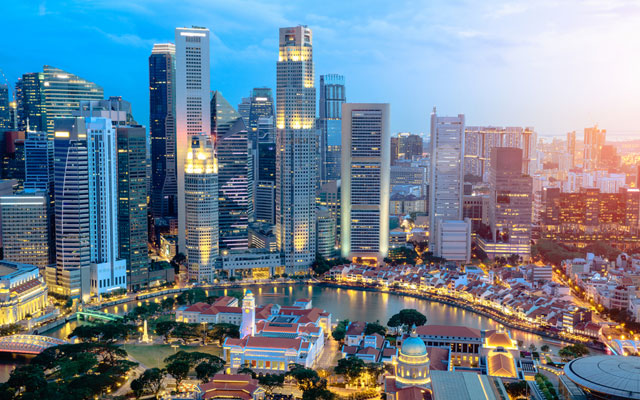
Singapore’s international visitor arrivals (IVA) and tourism receipts (TR) for 2021 may be a mere fraction of pre-pandemic performance, but the Singapore Tourism Board (STB) said signs of recovery over the last three quarters of the year had been encouraging.
Sharing the city-state’s performance report at this morning’s Year-in-Review media conference, STB noted that Singapore welcomed 330,000 IVA and and made S$1.9 billion (US$1.4 billion) in TR.
IVA rose 221 per cent in the last three quarters of 2021 over a low base of 2020, while TR improved 92 per cent in the second and third quarter over the same period in 2020.
STB attributed the invigorated return of overseas travellers to Singapore’s Vaccinated Travel Lanes (VTLs), with healthy demand arising from Australia, the UK, Malaysia, Indonesia and India – markets that contributed the most number of VTL applications.
In 2021, the top three visitor source markets for Singapore were China (88,000), India (54,000) and Indonesia (33,000). Between January and September 2021, visitors from China, Indonesia and India contributed S$432 million, S$127 million and S$58 million in TR (excluding sightseeing, entertainment and gaming) respectively.
Despite pandemic challenges, STB acknowledged that Singapore’s tourism sector has been resilient, working with STB to pivot decisively to the local market, preserve jobs, and experiment with innovative ways to reopen safely to international visitors.
On the accommodation front, the country’s hotel industry registered an Average Occupancy Rate of 56.2 per cent. Average Room Rate increased by 2.7 per cent to S$158, while Revenue per Available Room held steady at S$89. The year also saw several new hotel openings that presented unique lifestyle concepts, such as The Clan, Duxton Reserve and Oasia Resort Sentosa.
Business events picked up pace too, with more than 200 gatherings hosted in Singapore last year. These events were attended by almost 50,000 local and international attendees.
The cruise industry put forth a healthy rebound on the back of cruise-to-nowhere sailings. Both Dream Cruises and Royal Caribbean International welcomed over 400,000 domestic passengers on close to 300 cruise sailings in 2021.
The local tours industry also reported good performance, with close to 320,000 local participants and strong month-on-month growth for most of the year.
STB’s chief executive Keith Tan said: “We must anticipate setbacks and challenges even as the tourism industry recovers slowly. But I am confident that the tourism industry has learnt from its experiences and is poised to recapture demand when it returns.”
Sentosa celebrates Golden Jubilee with new products and perks
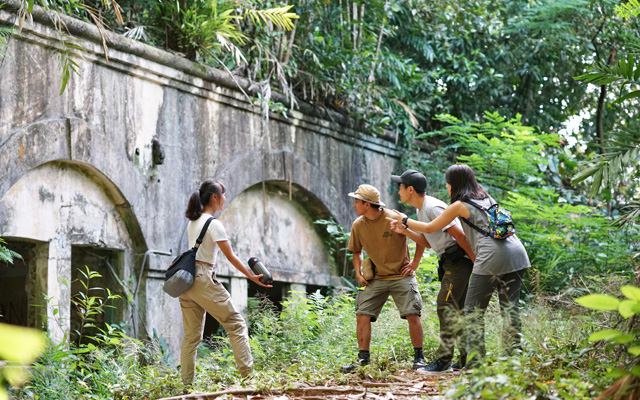
New tours, experiences, promotions and milestone events have been lined up for 2022 as Singapore’s Sentosa celebrates 50 years of tourism establishment through the formation of Sentosa Development Corporation (SDC) in September 1972.
Under the theme Discovery Neverending, Sentosa’s Golden Jubilee will celebrate the diverse facets of the island, including lesser-known and new leisure experiences, while showcasing Sentosa’s evolution as a leisure destination.
Celebratory programmes will be rolled out progressively throughout the year. For now, the first batch of offerings will include SentoSights, a new series of sustainability- and heritage-themed tours curated by SDC and travel partners. SentoSights features more than 10 unique guided tours aligned with Sustainable Sentosa strategic roadmap. Guests can immerse in rich history and natural wonders while exploring gems such as Fort Siloso, Fort Serapong, Tanjong Rimau, and the Imbiah and Coastal Trails. Unique elements such as game-based exploration, magic demonstrations, and night-time forest walks will be incorporated into relevant tours.
SentoSights tours will also offer opportunities to appreciate the nearby Southern Islands, such as through a sunset cruise with a sustainable fishing experience in the waters around St John’s and Lazarus islands.
Four tours have been launched for now, and more will be rolled out from February.
Also part of the initial programme is Silvers Deals, exclusively available to Singapore citizens and permanent residents aged 60 and above. From January 21, these visitors can enjoy discounts and deals at participating business establishments in Sentosa on weekdays.
Set for launch on February 7 is the Stories of Discovery, SDC’s social media contest to crowd-source guests’ memories of Sentosa. Selected entries will stand to win a curated Sentosa experience package which includes a three-day/two-night staycation.
Following on in March is the Sentosa Passport and Golden Jubilee Grand Draw, where visitors can collect stamps that translate into lucky draw chances as well as redeemable prizes.
The celebratory pipeline also packs in a revamped Sentosa Islander membership programme, collaborations with homegrown F&B brands to create unique retail products, public festivals themed around wellness and food, the Sentosa Golden Jubilee Charity Golf in support of President’s Challenge and Community Chest, and the commemorative Golden Jubilee E-book.
SDC and Sentosa will continue with infrastructural developments, which have so far resulted in newly-launched attractions such as SkyHelix Sentosa.
As part of sustainability advocacy and education efforts under the Sustainable Sentosa strategic roadmap, SDC will launch new low-carbon leisure experiences in the Southern Islands, which will extend the Sentosa getaway and help guests better appreciate the islands’ rich flora and fauna. Bicycle rentals and sustainable accommodation will soon be made available, while a new public ferry jetty has opened at Sentosa Cove Village to connect Sentosa to the Southern Islands from Fridays to Sundays and on public holidays.
In the coming months, SDC will be conducting a series of feasibility studies to look into the potential for new and sustainable tourism opportunities that may arise from the pandemic, as part of the development of the Sentosa-Brani Master Plan.
Pandemic reshuffles Russians’ favourite destinations
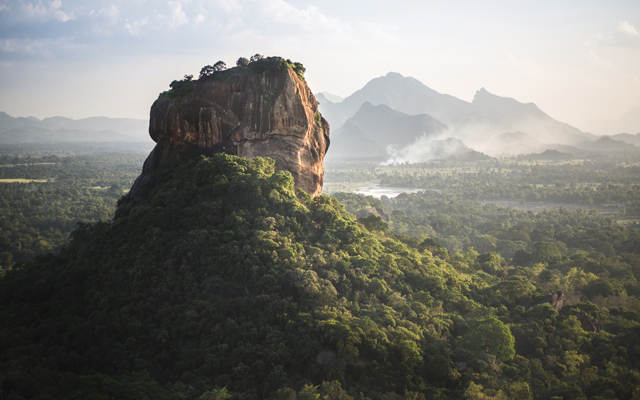
- Russia outbound volume remains in the millions during the pandemic
- Sri Lanka’s ease of entry has earned her much love from Russia
- Thailand’s recovery of Russian favour hinges on success of Test & Go
Russia outbound travel has splintered into different directions, resulting in destinations such as Thailand losing a chunk of share while others, such as Sri Lanka, gaining big time.
The worry of some Thai industry members is whether the new patterns drawn by Covid-19 will stay if Russians find attachments to alternative places, or whether they will return to old playgrounds in the long term.
In the short term, tourism businesses are jostling for whatever markets they can get their hands on. Russia is prized because of its volume, long average length of stay, and determination to travel.
According to Sri Lanka Tourism, 12 million Russians travelled abroad in 2020, down from 2019’s 20 million – but in the first year of Covid, that is resilient.
Omicron has failed to stop Russians from travelling. “What I see is day-by-day growth in international flight bookings since the first reported case of Omicron in South Africa on November 26,” said Janis Dzenis, spokesperson for Aviasales. The company generates almost 20 per cent of all Russian air ticket sales.
Fresh fights
Old favourites may be taken aback by who they are up against. Take Thailand for example, the number one Asian destination for Russians with around 1.5 million arrivals in 2019, according to data from Tourism Authority of Thailand. Its biggest Asian competitor then was Vietnam, with nearly 650,000 Russian arrivals that year, Vietnam National Administration of Tourism data shows.
However, since the peak season started in October 2021, with Vietnam still locked away, Sri Lanka has been giving Thailand a good run for the rouble.

In the first 11 days of this year, Sri Lanka Tourism Development Authority said Russia topped with close to 6,000 arrivals, outpacing even India. Russia was also the top market for Thailand in the first four days of 2022, but with just around 2,500 arrivals. Sri Lanka has narrowed a wide gap; its volume of Russian visitors was 17 times less than Thailand’s in pre-pandemic 2019.
Data from ForwardKeys shows the big Russian reshuffle this peak season. Bookings to traditional destinations such as Thailand and Turkey dropped; the Maldives, Egypt, Sri Lanka and the UAE are popular, the latter seeing only a slight decrease of two per cent in bookings compared with 2019.

Nan Dai, ForwardKeys’ market analyst, reasoned: “Thailand reopened later than the other Asian destinations such as the Maldives and Sri Lanka. The Sandbox started in July 2021 and Test & Go, November 1, 2021. Sri Lanka reopened in January 2021 – although this was choppy and international opening only really started from October 1 – and the Maldives in July 2020.”
Russia was also not on the list of approved countries for Thailand’s Test & Go when the scheme was first launched.
However, these are not the only reasons for Thailand to lose market share. Sri Lanka, for instance, had other things going for her. For one, resumption of direct flights, which offers more affordable fares.
“SriLankan Airlines restarted Moscow to Colombo service on July 31 (after a break of six years). Aeroflot resumed services to Colombo on September 2. There are also countless options with layovers in Middle Eastern airports,” said Aviasales’ Dzenis. “Tickets to Sri Lanka are relative cheaper, on average US$178.”
Sri Lanka Tourism also stepped up promotions ahead of the peak season. It hosted 11 influential travel writers from Russia, and Ukraine, from November 21 to December 8 last year.
But above all, Sri Lanka is hassle-free, remarked Hiran Cooray, chairman, Jetwing Symphony and The Lighthouse Hotel, Sri Lanka.
“Many guests have told me that the arrival process is a lot better than they expected. So, this is the number one reason,” said Cooray.
“All vaccinated travellers with a negative PCR can obtain an online visa or on arrival. They can travel without any restrictions anywhere in the country and stay at a hotel of their choice. All tourism sights and attractions are open to both nationals and international travellers,” he added.
“Our government is focused on welcoming international travellers so it’s likely the arrival process will be further simplified in time. As it is, it’s one of the easiest countries to enter in this part of the world,” Cooray said.
Cooray is grateful for rising numbers from Russia, describing the market and a few other Eastern European sources as “our saviour in the past few months”. Official figures show Russians stay an average of 10.4 nights in Sri Lanka.
“Up until now, we’ve had mainly low spenders, but now we see high net worth travellers from these destinations. This is what we at Jetwing and destination Sri Lanka are aiming to attract,” said Cooray.
Recovering regulars
Over in Thailand, it is uncertain if the government’s decision to lift the suspension of Test & Go from February 1 – this time with no source country restrictions – will be enough to bring back Russian travellers. Travellers are required to do two PCR tests instead of one previously, on day one and day five, and prepay for overnight accommodations on those days while they wait for results.
According to Bill Barnett, managing director, C9 Hotelworks based in Phuket, it may be too late.
“This high season wraps up in March/April so with booking lead time, it’s too late to cry over spilled milk,” he said. “Russians are the most sought-after market in Phuket hotels right now but, frankly-speaking, that boat has sailed.”

Aviasales’ Dzenis believes this moment could be “a big win” for destinations like Sri Lanka. “Given a destination with lots of conditions to enter and another that is more open, no one can be certain if Russians will go back to the old resorts, having experienced new horizons,” he said.
Barnett admits Russians might move locations in 2022/2023 peak season, likely to Vietnam, where places like Nha Trang/Cam Ranh and Phu Quoc are already familiar.
He believes Vietnam will attempt recovery with price undercutting. Expect next winter to be a “brand new ball game”, he warned.
Devan Bhaskaran, general manager of The Racha, Phuket, is heartened that the Sandbox has brought Russians back to Phuket from Pattaya. Russia was Phuket’s main market until China mass tourism overtook it and resulted in Russians shifting attention to Pattaya.
Concerns remain for the long term, shared Bhaskaran, who is doubtful of returning to 2018 occupancy levels without the Chinese. For now, he is banking his hopes on the Indian market, which is “getting stronger and we hope to see them for the whole year”.
“Besides that, the local government will continue with phase four of domestic travel and hopefully phase five till October,” he said.
Thailand’s fight for the Russians and other source markets will depend on whether Test & Go’s resumption will open the floodgates, as other destinations are ready to fight tooth-and-nail for travellers.
Raffles confirms acting GM in Cambodia
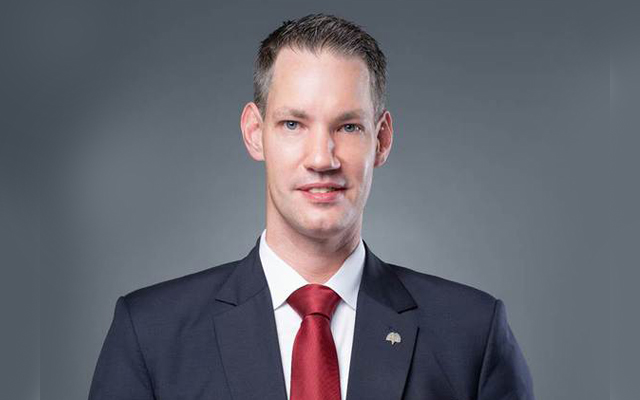
Raffles Hotels & Resorts has appointed Dennis de Groot as acting general manager of both Raffles Hotel Le Royal in Phnom Penh and its sister hotel Raffles Grand Hotel d’Angkor in Siem Reap.
With more than 15 years of experience in the hospitality industry, de Groot previously held hotel management positions in the Maldives, Azerbaijan and South Africa, including nearly three years at a private game lodge.
De Groot was recruited by the Accor Group in 2016 to oversee the rebranding of the Jumeirah Dhevanafushi as it transformed into the Raffles Maldives Meradhoo.
He then moved to Cambodia in 2018 as hotel manager at Raffles Hotel Le Royal and was appointed the acting general manager in January 2021.






Indonesia’s tourism ministry, government agencies and private sector players are working together to resolve a potential accommodation crunch during MotoGP Indonesia in Mandalika, Lombok from March 18 to 20.
The race is expected to attract some 100,000 domestic and international spectators, but Lombok has only 23,000 rooms as of December 2021.
Sandiaga Uno, minister of tourism and creative economy, said various types of accommodation will be prepared to overcome the shortage. Options include 300 units of homestays developed by the Ministry of Public Work and Housing, lodgings in tourism villages across the island, 100 camps prepared by Eiger and the Indonesia Tourism Development Corporation, as well as 100 to 200 cabins offered by accommodation startup Bobobox for up to 400 guests.
Indonesia National Shipping as well as phinisi cruise operators will also step in with floating accommodation.
Sandiaga said Bali could help with Lombok’s excess accommodation needs, and work is underway to provide shuttle flights between Lombok and Bali. Tickets will be bundled with accommodation.
However, Ndang Mawardi, CEO of Inspiro Group, which promotes music, entertainment and sports events, told TTG Asia that sports spectators are typically not picky about accommodation.
He said: “Star-rated hotels are not a priority for sport tourists. They will feel comfortable staying in an RV (recreational vehicle) or on camping grounds as long as there are restaurants or a food court, a place where they can cook their own meals, as well as clean showers and toilets.”
He emphasised that convenient access to the race is more crucial, therefore the option of staying in Bali and commuting daily to Lombok is not ideal.
“Taking commercial flights back and forth for two days will be costly and tiring (for the sport tourists)”, said Ndang, adding that those who could afford helicopter commute would find it more convenient.
Ndang also urged the organising committee to ensure sufficient dining venues for sports tourists. Food trucks could be brought to Mandalika to supplement restaurants in the destination. Non-halal dining zones should also be set aside for travellers to enjoy alcoholic drinks, he suggested.
Finally, transportation services must be able to cater to sports tourists who will need to travel from venue to various entertainment locations after races. – Additional reporting by Tiara Maharani Kusuma