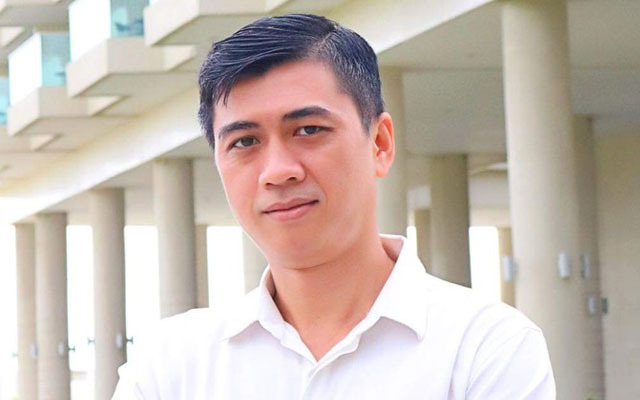
Son Hoang Le has joined Alma Resort Cam Ranh in Vietnam as director of sales.
The Vietnamese holds more than 16 years of experience in sales, marketing, events and operations at some of Vietnam’s well-known hotels. His last role was the director of room sales at the Caravelle Saigon.
Before that, he was the director of sales and marketing at Diamond Bay Vung Tau Resort & Spa and the director of sales at Hotel Majestic Saigon.
Son embarked on his hospitality career in early 2005 as a bellman at the Caravelle Saigon, where he spent the next 10 years also working as a receptionist, night supervisor and banquet sales executive, learning about various facets of the hotel business.
He moved to the Hotel Nikko Saigon to become a corporate sales executive, before progressing to the Pullman Hanoi where he became a sales manager and then an acting senior sales manager.
Faced with an exponential spike in Covid-19 infections, the Hong Kong government has rolled out new containment measures including bringing forward school holidays, extended dining out curfews and compulsory testings for all residents.
This follows the chief executive’s urgent call last week for Hong Kong hotels to provide rooms as community isolation facilities.
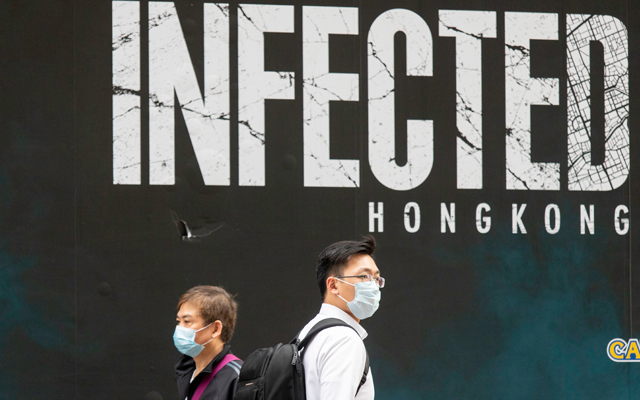
Hong Kong has extended mandatory closure of certain public facilities and the dining-in curfew
The government has ordered all 7.5 million residents to undergo three rounds of compulsory Covid-19 tests, as confirmed case numbers swell past 66,000 across different districts. The situation has led to an overloaded medical system, with hospital capacity hitting past 90 per cent.
Social restrictions to set in include an earlier summer break for schools in March and April; mandatory closure of certain public premises such as gyms, entertainment venues and bars extended until April 20; and continued ban on dine-in at F&B outlets from 18.00.
The dine-in curfew has been in place since January 2022, and industry players have warned that 5,000 restaurants may close as a result of the extension.
At press time, the 2022-2023 Budget is being delivered by Hong Kong’s financial secretary. A slew of measures and policies to boost the local economy has been announced, including a fresh round of vouchers to encourage locals to spend on domestic tourism.
The Malaysian government has revised its standard operating procedures for the Langkawi International Travel Bubble (LITB) recently, increasing air connectivity by allowing tourists to enter via domestic flights from klia2, in addition to Kuala Lumpur International Airport.
The mandatory insurance coverage for tourists has also been reduced from US$80,000 to US$50,000 for the duration of their stay in Malaysia.
Children aged 12 and below are now allowed to enter the island with their fully vaccinated parents or guardians without having to show proof of vaccination.
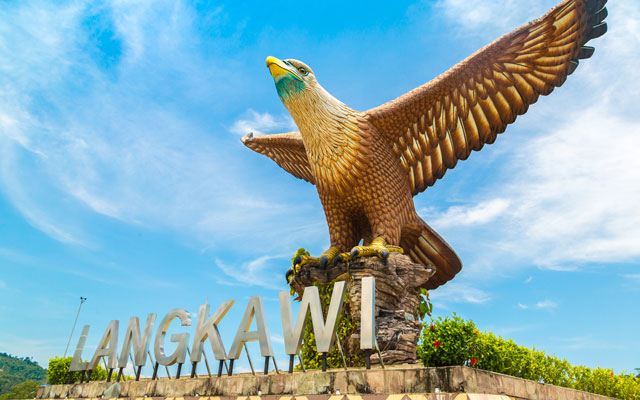
Langkawi International Travel Bubble travellers can now enter via domestic flights from klia2, not just Kuala Lumpur International Airport
LITB travellers are now allowed to travel to other destinations in the country after staying four days in Langkawi, compared with the previous requirement of an eight-day stay on the island.
According to the New Straits Times, Langkawi Development Authority (LADA) CEO, Nasaruddin Abdul Muttalib, said the revised procedures would enable LITB arrivals to increase.
The LITB, which started as a three-month pilot project on November 15, 2021, has been extended indefinitely until the country’s borders reopen.
Last week, health minister Khairy Jamaluddin shared that a realistic target for the reopening of the country’s borders was in early 2Q2022, and that the Ministry of Health was preparing guidelines for the country’s reopening.
The guidelines would have to be presented to the Covid-19 Pandemic Management Committee, chaired by the prime minister, as well as the Covid-19 quartet ministers before being brought to the Cabinet.
An announcement on when the country will reopen its borders will eventually be made by the prime minister, Ismail Sabri Yaakob.
Sofitel Singapore City Centre has launched Discover Tanjong Pagar – Cultural Getaway, a curated vacation package celebrating Singapore’s beautiful tapestry of art and culture.
The experience allows guests to discover Singapore through fascinating artworks by local artists, including a nostalgic self-guided walking mural trail around the culture-rich Tanjong Pagar neighbourhood.
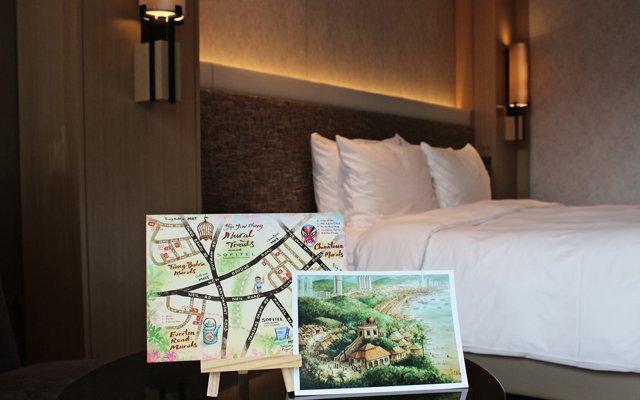
Discover Tanjong Pagar – Cultural Getaway includes a gift pack that features exclusive merchandise by renowned local artists
Available for bookings from now until August 31, 2022 for stays by December 30, 2022, the two-day/one-night package is designed for two adults and comes with a luxury room, breakfast, a welcome drink and amenities, and exclusive merchandise by renowned local artists Yip Yew Chong and William Sim.
Guests will receive a limited-edition tote bag by William Sim, featuring his local-themed creations that conjure feelings of joy with its childlike simplicity and colourful execution. The gift pack also includes a set of five postcards and beautiful hand-drawn mural trail map by Yip Yew Chong, which guests can rely on when they explore the vicinity to discover the artist’s vibrant street murals.
By booking the package, guests will also stand to enjoy exclusive perks when patronising local eateries and boutiques in the vicinity, where the hotel has established friendly partnerships with.
Airline retail operating systems specialist Mystifly has added an extension multi-city search feature to its existing Airline Shopping and Retailing Hub platform.
The new feature promises to make searching and booking consecutive one-way flights between multiple destinations quicker and easier. It can draw domestic and international, as well as GDS and non-GDS flight options for multiple destination in a single search.
Mystifly’s Airline Shopping and Retailing Hub platform can now perform multi-city flight searches
According to Mystifly, traditional multi-city search functions have limited price and itinerary comparison capability, requiring customers and travellers to spend more time to discover best pricing. The high number of options and prices variations – both over time and through different sellers – make the task even harder.
Powered by artificial intelligence based on Natural Language Processing and Machine Learning algorithms, Mystifly’s multi-city search feature rapidly explore and compare fare choices for each leg of route from around 700-plus GDS, LCC and NDC airlines to display the most relevant and competitive fare options. The feature also allows users to fine-tune the itineraries by applying filters like direct/non-direct flight, day/night flights based on traveller’s destinations, and personal preferences, as well as provides the required ancillary services for each leg of the travel to finally proceed with booking.
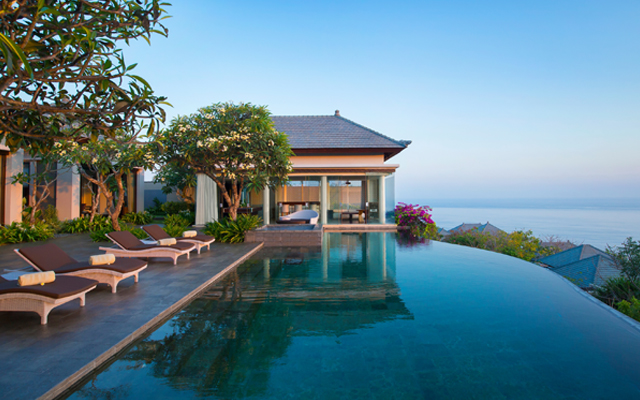
The first LXR-branded resort will make landfall in South-east Asia in late-2022, with the opening of a 72-key property perched on the limestone cliffs of Uluwatu, Bali.
Nestled amid the verdant landscape, all suites and villas will bring guests unobstructed panoramic views of the Indian Ocean. Five dining concepts, a clifftop chapel for weddings, wellness facilities, a kids club, and event spaces will be part of the resort.
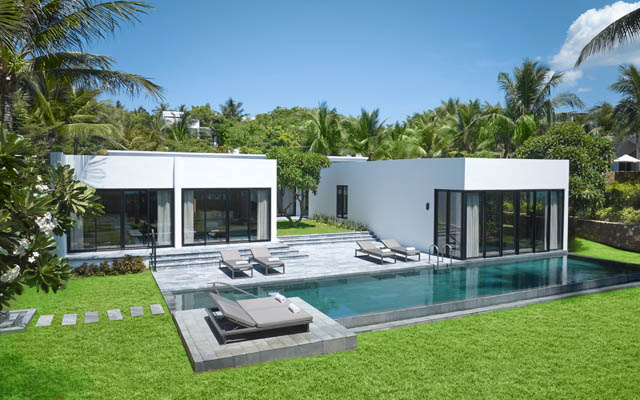
The new LXR resort in Bali will offer only suites and villas
The resort will lean into the core values of the LXR brand, which focus on providing unique, immersive experiences defined by the local cultures and traditions of each destination. From local folklore, heritage crafts and ancient healing techniques, to authentic epicurean experiences and traditional Balinese culinary arts, guests can look forward to a natural connection to the destination.
The signing between Hilton and Surya Semesta Internusa Tbk for this property follows the recent opening of ROKU KYOTO, LXR Hotels & Resorts in Japan.
Guy Phillips, senior vice president, development, Asia and Australasia, Hilton, said: “This resort marks our fourth resort on the island and is a signal of our commitment to expanding our luxury portfolio with the right partners, in the right destinations, across the region. The signing also bears testament to the relevance of the brand ethos that speak to the evolved needs of luxury travellers.”
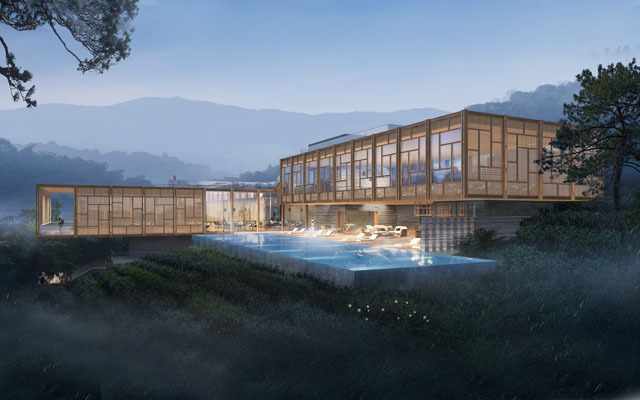
Construction of Anantara Anji in Zhejiang, China will break ground next month towards a completion by end-2024.
The luxury property will span 66.8 hectares of land, taking in 162 guestrooms with sizes ranging from 53m2 to 216m2, four international restaurants, an outdoor swimming pool with bar, a full fitness centre, a children’s activity zone, and meeting facilities.
Anantara Anji will offer a host of guest experiences that reflect the nature and culture of Anji County
Hotel guests will be able to partake in sustainability programmes, such as tree-planting for the whole family, as well as cultural experiences, such as visits to ancient temples and the nearby residence of Wu Changshuo, a prominent painter, calligrapher and seal artist during the late Qing Period.
Day trips to Anji County’s famous bamboo forests and nearby tea plantations will also be offered.
Anji County is popular with nature lovers, and has been designated as an ecology-friendly city where residents have established a thriving agricultural and tourism sector showcasing pollution-free green products, such as white tea, alpine vegetables, and flowers.
It is also home to one of the largest natural bamboo forests in the world with over 60,000 hectares of bamboo groves containing over 40 different species.
Anji County is less than an hour’s drive from Zhejiang’s capital of Hangzhou.
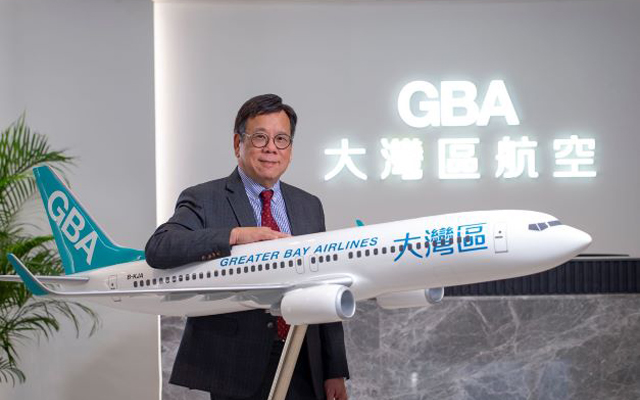
Start-up Greater Bay Airlines has been granted a licence to operate 104 scheduled commercial flights to and from Hong Kong International Airport for the next five years by Hong Kong’s Air Transport Licensing Authority.
In an interview with TTG Asia, CEO Algernon Yau it would take at least two months of preparations before service could commence. So far, 180 staff have been recruited and three leased Boeing 737-800 aircraft will arrive this year.
Yau: Greater Bay Airlines is building up its team and fleet
While initial plans were to launch services around Asia, such as Japan and South Korea, Yau said a reassessment was needed given the impact of the pandemic on Hong Kong as well as ongoing quarantine restrictions and pace of reopening of various destinations.
Yau clarified that Greater Bay Airlines is not a low-cost carrier.
Chartered services will be provided eventually, alongside scheduled passenger and cargo services.
For a start, Greater Bay Airlines will build up a network with travel agents but Yau hopes to secure more online sales down the road.
The airline, founded by Shenzhen tycoon Bill Wong Cho-bau, started off with cargo charters last November.
While awaiting regulatory approvals for passenger services, the airline inked an agreement with Amadeus to make its schedules and fares available to travel agencies worldwide via the Amadeus Travel Platform in 1Q2022.
On its website, Greater Bay Airlines sets itself out to be the “best-value airline in the region” and will “support the development of Hong Kong as a world-class aviation hub”.
It plans to serve routes in Mainland China and the broader Asian region, and will have a fleet of seven Boeing 737-800 aircraft in service by 2022 and more than 30 by 2026.
Hong Kong travel agents welcome an additional air service provider for their customers.
Arrow Travel’s managing director, Tommy Tam, said: “There is (room for competition) since Cathay Dragon went bust.”
Tam added that Greater Bay Airlines has been in contact with travel agents to cultivate relations for future cooperation.
Daniel Wan, assistant general manager for outbound tour centre with CTS (H.K.), said the new airline would bring more flight choices for clients but leisure traffic “may not be ready to return when Greater Bay Airlines launches”.
Editor’s note: Content has been updated to take in more information and trade inputs
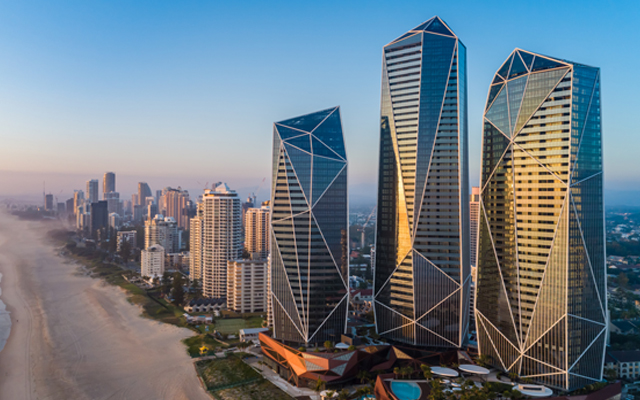
Langham Hospitality Group will open The Langham, Gold Coast and Jewel Residences, Managed by Langham this year within the Jewel development on prime beachfront in Queensland’s Gold Coast.
The Langham, Gold Coast is the company’s third luxury hotel in Australia. It will feature 169 rooms, including 32 suites with 180-degrees views of the Pacific Ocean.
The Langham, Gold Coast will be Langham Hospitality Group’s third luxury hotel in Australia
Headlining the hotel’s culinary offerings will be T’ang Court, the signature Cantonese restaurant of Langham hotels in Hong Kong and Shanghai. Other dining destinations include 26 & Sunny, a casual grab-and-go café; Akoya for all-day dining; Palm Court, the lobby lounge and bar; a pool bar; and a podium sky terrace with the Coral Moon bar overlooking the ocean.
On the wellness front, Chuan Spa will offer treatments inspired by Traditional Chinese Medicine philosophies. Guests can also enjoy a fully-equipped fitness centre, an indoor free form pool, and an outdoor pool.
The hotel will also take in a ballroom and five meeting rooms.
Over at Jewel Residences, Managed by Langham, 170 serviced apartments in one-, two-, three- and four-bedroom configurations will beckon guests who place a premium on bright accommodation with generous living and dining areas as well as well-appointed kitchens. All guests staying at the residences will enjoy full access to hotel facilities.
The Langham, Gold Coast will sit between the ground and 20th floors while the residences will be on the 22nd to 49th floors.
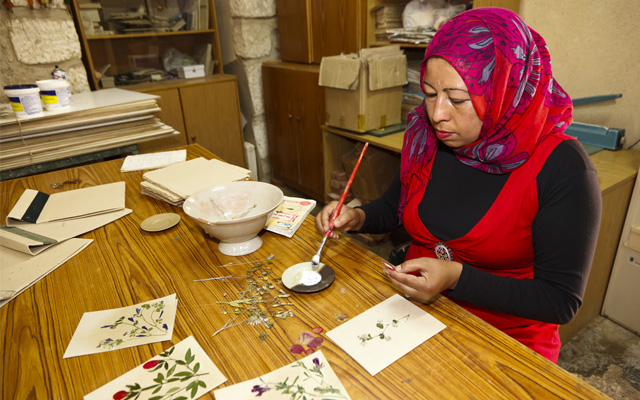
Trafalgar's new Women’s Only Tours will be staffed by women and feature inspiring local businesswomen
Trafalgar has developed 14 Women’s Only Tours to cater to an expanding market of financially independent women who favour guided tours.
The Women’s Only Tours feature itineraries across Europe, the Middle East and Africa, led by female travel directors and well-being directors with a focus on showcasing inspiring local businesswomen.
Trafalgar’s new Women’s Only Tours will be staffed by women and feature inspiring local businesswomen
The tours have been curated to provide women of all ages a space to connect with like-minded fellow female travellers.
Highlights from the series include learning the ancient art of Umbrian weaving from Marta Cucchia, a fourth-generation weaver and one of the last in Italy to still produce Umbrian textile art using traditional looms and materials; and baking bread with women in the Turkish village of Demircidere and discovering why this farming village is regarded as one of Turkey’s most progressive communities, particularly in regards to gender balance.
According to CEO Gavin Tollman, the company has plans to “grow this series of trips to meet the increasing demand for women-only travel options alongside female solo travel growth”.









The Malaysian government has revised its standard operating procedures for the Langkawi International Travel Bubble (LITB) recently, increasing air connectivity by allowing tourists to enter via domestic flights from klia2, in addition to Kuala Lumpur International Airport.
The mandatory insurance coverage for tourists has also been reduced from US$80,000 to US$50,000 for the duration of their stay in Malaysia.
Children aged 12 and below are now allowed to enter the island with their fully vaccinated parents or guardians without having to show proof of vaccination.
LITB travellers are now allowed to travel to other destinations in the country after staying four days in Langkawi, compared with the previous requirement of an eight-day stay on the island.
According to the New Straits Times, Langkawi Development Authority (LADA) CEO, Nasaruddin Abdul Muttalib, said the revised procedures would enable LITB arrivals to increase.
The LITB, which started as a three-month pilot project on November 15, 2021, has been extended indefinitely until the country’s borders reopen.
Last week, health minister Khairy Jamaluddin shared that a realistic target for the reopening of the country’s borders was in early 2Q2022, and that the Ministry of Health was preparing guidelines for the country’s reopening.
The guidelines would have to be presented to the Covid-19 Pandemic Management Committee, chaired by the prime minister, as well as the Covid-19 quartet ministers before being brought to the Cabinet.
An announcement on when the country will reopen its borders will eventually be made by the prime minister, Ismail Sabri Yaakob.