

Indonesia revises entry policies once more
Indonesia has made further changes to her entry policies, this time by removing arrival quarantine throughout the country and allowing more nationalities to access the visa-on-arrival (VoA) facilities.
According to the Indonesia Covid-19 Task Force, travellers can skip quarantine by being fully vaccinated or by taking a booster jab 14 days before arrival, with their certificates verified by the country’s official Covid-19 digital contact tracing app, PeduliLindungi. They will also need to fill in an electronic health alert card (e-HAC).

Upon arrival, travellers have to show proof of a negative PCR test result obtained no more than 48 hours prior to departure to Bali, and take another test upon arrival. Travellers need to stay and wait for their test result in their accommodation before they are allowed to head out for any activities.
Travellers who have only taken the first dose of vaccine may still enter Indonesia but will need to undergo five days (120 hours) of quarantine and take a second PCR test on their fourth day of stay.
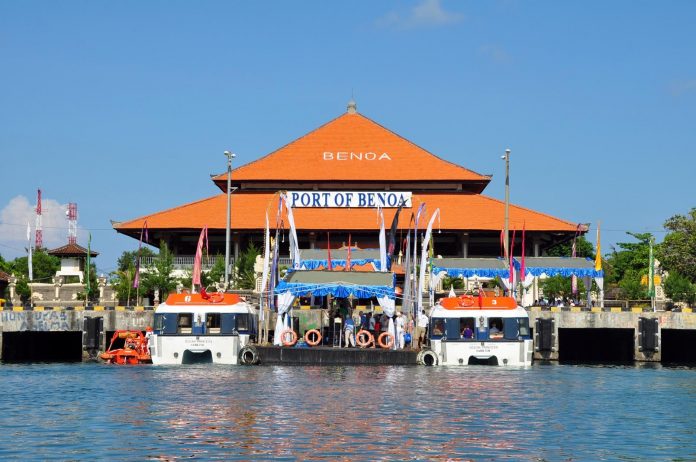
The Directorate General of Immigration, Ministry of Law and Human Rights has also increased the number of countries that can access the VoA to 42, from 23. The facility is currently available for entry via Bali airport and seaport.
The additional countries eligible for VoA are South Africa, Saudi Arabia, Argentina, Belgium, Brazil, Denmark, Finland, Hungary, India, Mexico, Norway, Poland, Seychelles, Spain, Sweden, Switzerland, Taiwan, China, and Tunisia.
The requirements remain the same.
Low-cost off-peak travel options a magnet for millennials, Gen Z: GlobalData

With two billion holidaymakers aged 25 to 34 in 2021, the second largest segment of travellers, data and analytics company GlobalData says travel and tourism companies need to target millennials and Gen Z with offerings away from busy summer periods that create value for money and authentic experiences.
GlobalData notes that a significant contributing factor as to why there are so many holidaymakers in that age range is their ability to travel during off-peak periods. Many young millennial and Gen Z travellers have no children or major responsibilities in terms of occupational and financial obligations.
Ralph Hollister, travel and tourism analyst at GlobalData, said: “With prices for flights and accommodation being their cheapest in times of low demand, many young travellers in Europe, for example, will often holiday internationally in March or November. If low-cost carriers (LCCs) and budget accommodation providers are offering rock bottom prices, they may even travel more than once in off-peak periods during the same year.”
Off-peak trips can also offer higher levels of authenticity and personalisation. According to GlobalData’s 1Q2021 consumer survey, 27% of Gen Z and 26% of millennials stated that they are ‘always’ influenced by how well a product or service is tailored to their needs and personality. These were the two highest percentages when compared to the remaining age cohorts that responded to this question.
Hollister added: “During peak tourism months in established destinations, visitor numbers will often outweigh the number of local residents, and all aspects of tourism infrastructure will be overcrowded. In off-peak months, travellers are more likely to have meaningful interactions with locals, and experience cultural and natural attractions in a more intimate fashion due to less crowding. This allows for a better overall experience and a more positive perception of a destination.
“As destinations and travel companies continue to recover from the pandemic, younger travellers that can more easily travel in off-peak months should be targeted with low cost and authentic experiences. This will reduce the impact of seasonality and boost revenue.”
Philippine Taal volcano erupts again

Taal volcano near Manila has erupted again with a powerful explosion on March 26, prompting authorities to raise the alert level and evacuate hundreds of residents from high-risk villages.
The initial eruption in Batangas province set off a steam-driven blast that was followed by smaller emissions and volcanic earthquakes, reported the Philippine Institute of Volcanology and Seismology.

The institute has established a third level alarm for Taal’s latest eruption, in a five-step warning system. This indicates the potential for a “magmatic intrusion at the main crater that may further drive succeeding eruptions”.
As a precaution, all surrounding activities have been banned, nearby communities have been warned to brace for possible ashfalls, and aircraft have been instructed to stay clear of the volcano due to the danger of possible “ash and ballistic fragments from sudden explosions” and other super-hot volcanic emissions.
Taal last erupted in January 2020, sending ash clouds to Manila and disrupting air travel and tourism in the region.
Authorities confirm no survivors on MU5735 crash

China’s civil aviation authority determined on March 26 that all 132 people onboard China Eastern Airlines MU5735 that crashed on March 21 have perished.
The aircraft, travelling from Kunming to Guangzhou, met its fatal end near Wuzhou in the Guangxi Zhuang autonomous region.

While no cause has yet been determined, online tracking data showed the plane rapidly dropped from an altitude of 8,870m to 2,393m in just over a minute.
The aircraft is a Boeing 737-800.
Bikecation experience by Mandarin Oriental, Singapore

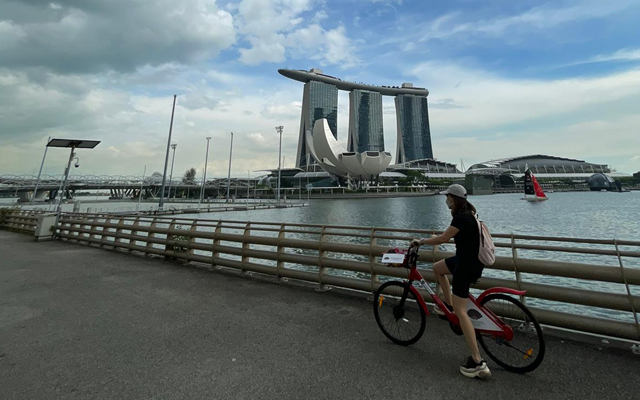
I tried my hand at urban cycling for the first time recently – exploring the Marina Bay area on two wheels for a weekend getaway. My usual biking routes were on trails away from the city area.
Turned out the newly-launched Bikecation experience by Mandarin Oriental, Singapore was a refreshing adventure for Singapore residents who want to rediscover their urban backyard while on their staycation.
 Prior to arrival, I booked my slot for the customised bicycle which the hotel has in partnership with SG Bike. Soon after my check-in, I was off on my biking expedition, complete with delicious healthy snacks and drinks, complimentary from the hotel.
For the uninitiated, there are two recommended specially-designed routes to take from the hotel’s centralised location. The City Bike-Venture covers the Esplanade Park, Merlion Park, Waterfront Promenade, Helix Bridge and Youth Olympic Park, while the Garden Bike-Venture allows one to explore the Singapore Flyer, Bay East Garden View, Marina Barrage, Gardens by the Bay and Tanjong Phu Promenade.
I took the former to enjoy the scenic cityscape, pausing only to make a pit-stop at a roadside café to rest and people-watch.
I also deliberately chose the afternoon-evening slot to be able to chase the sunset as I made my way soaking in the sights of the splendid waterfront on my leisurely escapade.
There is an early morning slot which one can pick to catch the sunrise too.
Location
Mandarin Oriental, Singapore, with its prime location at Marina Square, is in close proximity to the financial hub. Numerous luxury boutiques, entertainment venues, and Suntec Singapore International Convention & Exhibition Centre are just minutes away.
Rooms
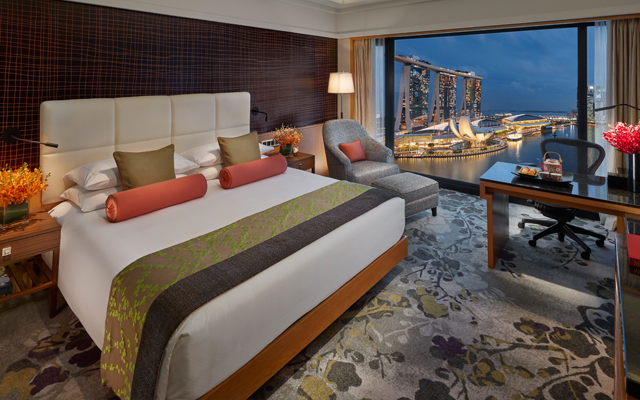
The calming interiors of my Marina Bay View Room on the 19th floor laid in juxtaposition with the dazzling expanse of Marina Bay Sands and Raffles Place Central Business District area. Be it mid-day or night-time, the view was always stunning.
To recharge after cycling, I relaxed in the large bath and walk-in shower, and indulged in exquisite bath and body care with the hotel’s stock of luxurious Diptyque’s toiletry collection.
F&B
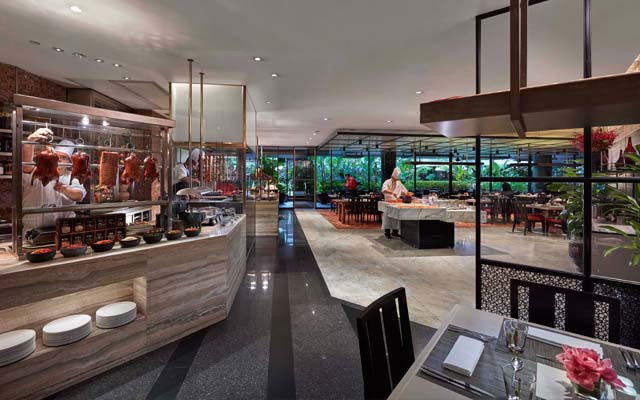
The Bikecation accommodation package includes a daily breakfast for two at Melt Café, where a mouthwatering buffet spread of international and local culinary delights awaits amid contemporary interiors, an uplifting ambience, and wistful background jazz music.
For my first meal of the day, I was greatly tempted by the lavish offerings at the various breakfast stations. I ended up with a hearty breakfast of baked waffles, butter-filled pastries, cheese platter, omelettes, salmon sashimi, as well as servings of century egg congee and roti prata with curry chicken.
What an invigorating way to fuel up and start the day right.
Facilities
For more fitness fun apart from biking, I also explored the luxury hotel’s outdoor swimming pool and fully-equipped fitness centre.
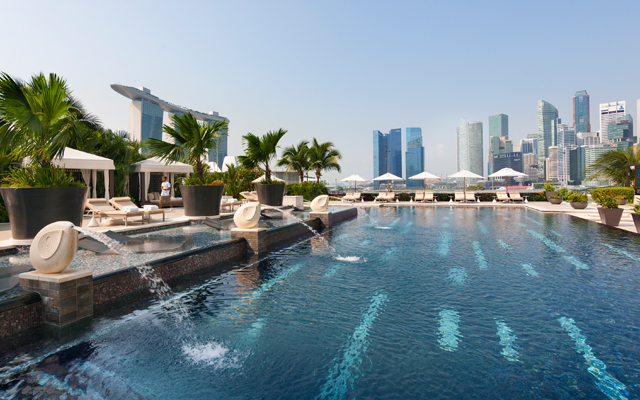
There is nothing more relaxing than enjoying a quiet dip and then lounging by the 25m swimming pool in a tranquil and lush outdoor setting, overlooking the bustling city.
The fitness centre caters to all levels of ability and conditioning, and is a gym enthusiast’s dream come true with a full range of equipment including a Kinesis Wall, free weights and stretching area. I even managed to get a personalised body fat analysis from the in-house certified personnel.
Service
The service was warm and welcoming. The hotel concierge were really helpful and assisted me on the adjustment of my bike seat to ensure a smooth ride. They always greeted me by name and were very attentive, even providing me with an umbrella when it was drizzling outside.
Verdict
For those eager to explore their own backyard on a leisurely pace while getting some exercise along the way, the Bikecation is an ideal option which allows one to luxuriate in the creative comforts of an urban getaway while also satisfying their adventure streak with an interesting cycling experience.
Rate: From S$399 (US$293.60) per night in the Ocean View Room with various inclusions
Contact details
Tel: +65 6885 3030
Email: mosin-reservations@mohg.com
Website: www.mandarinoriental.com/singapore/marina-bay/luxury-hotel/offers/bikecation
Latest easing of travel measures a turning point in recovery: Singapore players
In what is the biggest move by the city-state to ease her Covid-19 safe management measures, Singapore will reopen her borders to all fully vaccinated travellers from April 1, with no tests on arrival, restricted lanes and daily arrival quotas.
Shares of tourism and hospitality companies soared on the strength of the latest announcement. Singapore Airlines shares surged 22 cents, or 4.3 per cent, to close at S$5.40; CDL Hospitality Trusts gained seven cents, or six per cent, to S$1.24; Far East Hospitality Trust rose two cents, or 3.3 per cent, to 62.5 cents; Frasers Hospitality Trust rose two cents, or 4.3 per cent, to 48.5 cents.
Industry stakeholders welcomed the determined move to accelerate the sector’s recovery trajectory.
Steven Ler, president, National Association of Travel Agents Singapore, told TTG Asia that the move is a “game-changer”, where Singapore can “finally usher the return of travel business in a more significant way”.
The Association of Singapore Attractions (ASA) reckons that the streamlined measures will simplify protocols, align the pre-entry processes with other countries, and reduce the added cost of visiting Singapore – all of which are key traveller considerations for holidaymakers.
“This consistency in travel and movement protocols is essential to keep Singapore attractive and competitive as a destination, ‘’ an ASA spokesperson noted.
In a statement, Kwee Wei-Lin, president, Singapore Hotel Association (SHA), also hailed the recent announcement as a major milestone that will help to boost visitor traffic exponentially.
“By fully reopening our borders to all vaccinated travellers, we are now in a strong position to promote Singapore as Asia’s preferred travel destination,” said Kwee, adding that SHA member hotels “have been relentless in our effort to prepare for tourism recovery since 2020”.
“From hygiene and health protocols to digital transformation of the hotel experience, we are now proficient in living with Covid-19,“ she added.
Kwee hopes to welcome up to 50 per cent of travellers by the end of this year.
Singapore’s latest move is also an additional boost to outbound travel, which saw a spike in business when some restrictions were eased last year.
Marcus Yong, vice president, global marketing, Klook, told TTG Asia that weekly sales and traffic are hitting triple-digit growth figures as border measures increasingly ease. Heightened interest and bookings are seen for shorthaul locations like Bangkok and Bali and longhaul destinations like the US, Switzerland and Australia.
Klook has begun accelerating efforts to stimulate international travel in markets with significantly-eased travel restrictions, and conversations with NTOs and merchant partners “have yielded strong interest in targeting cross-border travellers both on supply and demand creation”.
Yong pointed out: “In March alone, we’ve observed an almost threefold increase in bookings, indicating that travel is undoubtedly back on the agenda and on the much-anticipated road to recovery.”
Ler said: “After missing the freedom and excitement of travel for over two years, our domestic market will lean towards outbound travel since restrictions are largely lifted for vaccinated travellers. It is time for our travel agents to flex their travel expertise and help customers rediscover that dream vacation in a safe and reassuring manner.”
With safety and wellness being top of mind as customers learn to cope with the Covid-19 endemic phase, Ler suggested that for a start, travel agents should offer easy-to-follow itineraries, coupled with comprehensive travel insurance, and continue to put in place contingency plans to minimise inconvenience in the event of travel disruptions.
Wong Soon Hwa, chairman of both PATA and PATA Singapore Chapter, expects Singapore’s latest move to “catalyse a bigger reopening wave across the region”.
“Destination competition will spur other governments to want to make a move and facilitate travel and tourism once more, in order to positively impact their economic recovery,” he said.
Rajeev Menon, president, Asia Pacific (excluding Greater China), Marriott International, too, expects the rest of the region to “see stronger travel recovery in the coming months as countries across the region announce clear plans to reopen borders and streamline testing requirements”.
Looking forward, Wong said it is imperative that various hospitality and tourism associations in the country “come together to share best practices, collaborate, and harness the ‘Power of One’ to rebuild the industry” as Singapore marks a “significant turning point” from April 1. – Additional reporting by Karen Yue
Emirates expands services to Melbourne
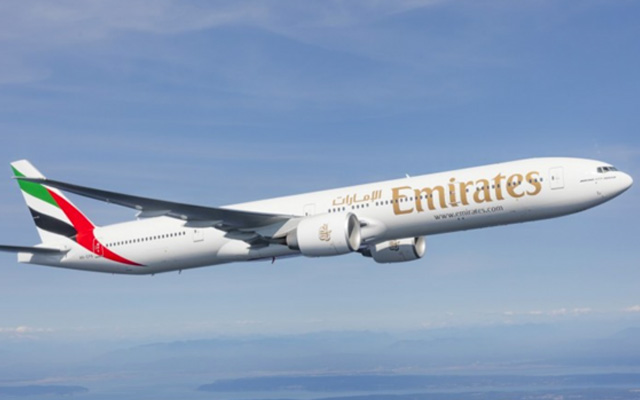
Emirates will add a second daily flight on its Dubai-Melbourne route from May 1, bringing its customers a total of fourteen weekly services between the two cities.
The move is supported by the Victorian government to help fast-track the return of international flights to Melbourne and bring more visitors to the state.
The addition of the second daily A380 service will also offer customers greater convenience, with the option of a morning or evening flight, to facilitate onwards connections when stopping in Dubai.
Flights from Dubai will depart at 10.05 and arrive in Melbourne at 05.30 the next day, while flights from Melbourne will depart at 05.15 and arrive in Dubai at 13.10. They join the existing service which flies daily from Dubai, departing at 02.40 and arriving at 21.50 in Melbourne, and from Melbourne, departing at 21.15 and arriving in Dubai at 05.15 the next day.
The aircraft offers 14 First Class suites, 76 seats in Business Class and 426 in Economy Class.
Australia is the third-largest destination for Emirates’ A380 operations and the airline will be increasing flights on its flagship to Sydney, Melbourne and Brisbane to 42 weekly flights in May, twice daily flights from Victoria and News South Wales, and once daily for Queensland.
Emirates will also fly daily to Perth with the airline’s Boeing 777-300ER from May 1.
Reality dating series sets sail onboard Princess Cruises

Princess Cruises will be the exclusive cruise line partner, and film set, for a new reality dating competition series, The Real Love Boat, when production begins this summer.
The Real Love Boat is inspired by the popular 1970s scripted series The Love Boat, of which Princess Cruises ships were used as its setting.
US network CBS and Australian broadcaster Network 10 have ordered localised versions of the series, both of which are expected to air in the respective countries later this year.
The original series showcased exotic locations, glamour, excitement and romantic connections underpinned by wonderful comical tales, and The Real Love Boat is expected to encompass all of this and more.
Participating singles will cruise together to the Mediterranean for a month while looking for love, and one winning couple will take home a cash prize plus a once-in-a-lifetime trip courtesy of Princess Cruises.
John Padgett, president of Princess Cruises, said: “The Love Boat has been synonymous with the Princess brand for more than 45 years since the world was introduced to glamour and elegance of the Princess experience. We look forward to millions coming aboard our iconic ships as we are expecting you on The Real Love Boat.”
Australia to ditch pre-trip tests for arriving travellers
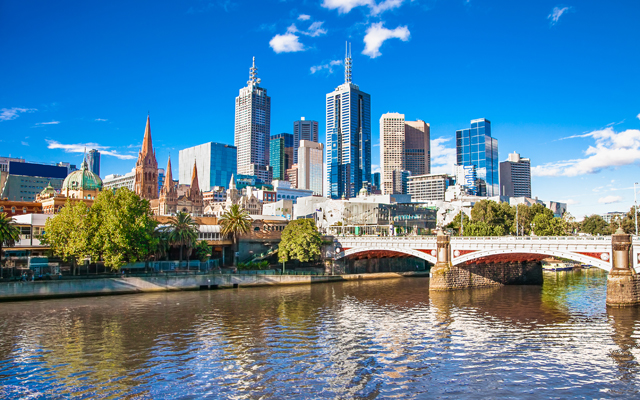
Overseas travellers bound for Australia will no longer need to provide a negative Covid-19 test prior to departure from April 17.
Australian health minister Greg Hunt announced the decision today, saying that such pre-arrival tests are no longer necessary as vaccination and masking requirements remain.
International arrivals will still need to be fully vaccinated to enter Australia while mandatory masking on flights will remain.
According to an ABC News report, Hunt also said restrictions on cruise ships would also lapse on April 17.








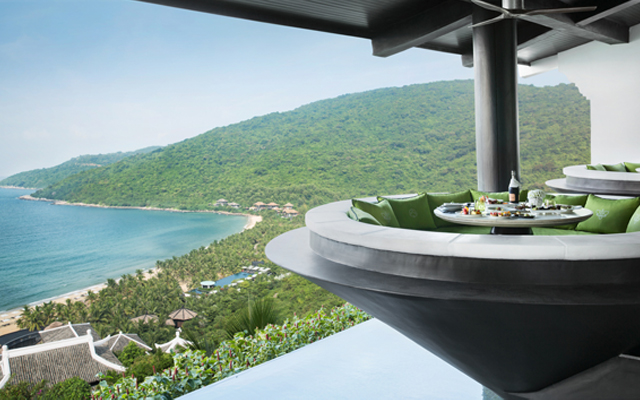
InterContinental Danang Sun Peninsula Resort is celebrating the reopening of Vietnam to international travellers with the launch of a new Welcome Back package.
For relaxation, guests can indulge in soothing therapies at The Lagoon Spa.
The Welcome Back package is priced from US$537 nett per night for two adults, and is available for stays between April 28 and September 30, 2022. A minimum two-night stay is required.