Fun in the Australian sun
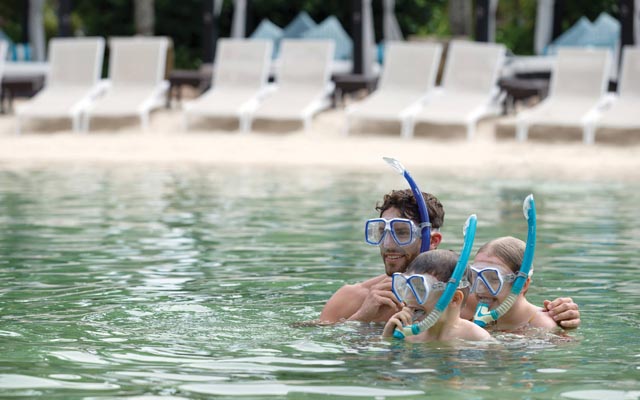
Escape to the JW Marriott Gold Coast Resort and Spa in Australia with the JW Family Holiday Package, which includes two night’s accommodation, daily breakfast for two adults and two children (12 years and under) and a choice of complimentary activities.
Snorkel hire is free for those who enjoy the cool waters of the Gold Coast. At the hotel’s JW Garden, kids can learn about herbs or take a gardening class. They can also join sushi-making or pizza-making classes.
Fun for the whole family can be found on a Jetski Safari guided tour, or a behind-the-scenes tour of Currumbin Wildlife Hospital.
Valid for stays till July 10, 2022
www.marriott.co.uk/hotels/travel/oolsp-jw-marriott-gold-coast-resort-and-spa/
Imaginative worlds
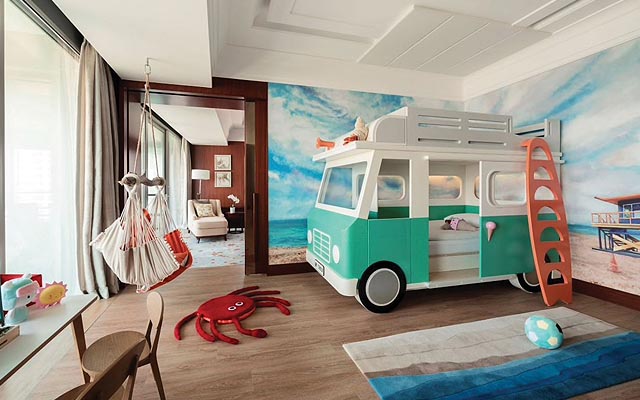
Underlining Shangri-La Hotels & Resorts’ focus on the family is the Fam.ily by Shangri-La brand, which promises unforgettable experiences for multi-generational families. Arising from this promise is a collection of custom-designed themed family suites that come with well-equipped family pantries that are stocked with every parenting neccessity.
Shangri-La Hotel, Singapore as well as Shangri-La Hotel, Qinhuangdao and Shangri-La Hotel, Harbin in China sport these themed family suites. While some themes occur across the three properties, such as Castle, Space, Treetop, Underwater and Safari, the China properties boast their own unique themes.
At Shangri-La Hotel, Qinhuangdao, families with little ones can live in an underwater fantasy world (Mermaid) or enjoy a beachside getaway in an RV (Beach) – all thanks to creative design.
At Shangri-La Hotel, Harbin, Winter Wonderland and Ice House adventures await, both themed around winter fun.
These themed family suites are available year-round.
www.shangri-la.com/en/landing/family-themed-suites/
Endless fun on the sea
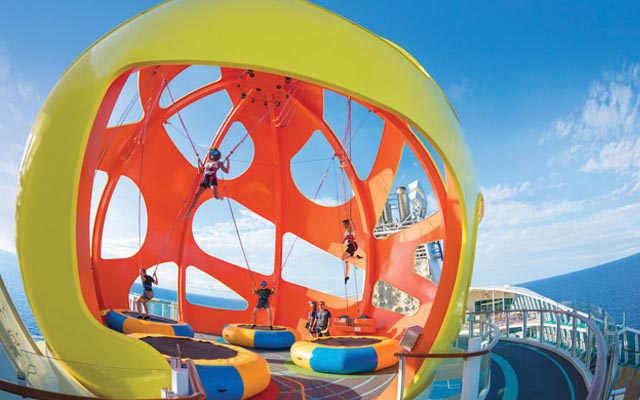
A recreation wonderland, Spectrum of the Seas has much to offer. Signature experiences like FlowRider surf simulator and RipCord by iFly create many opportunities for families to bond. Asia’s first virtual reality bungee trampoline adventure, Sky Pad, is also onboard, along with SeaPlex, the largest indoor active space at sea that offers bumper cars, laser tag, fencing, archery and many more activities. There are plenty of dining choices to ensure happy bellies all around.
After dark, catch a movie at Two70, a multi-dimensional theatre with six agile Roboscreens – during the day, this space boasts 270-degree ocean views.
For multigenerational families crusing together, the two-level Ultimate Family Suite is a real treat. It comes with multiple rooms, a slide, musical piano steps, games table, and a cinema that doubles up as a karaoke stage. This massive space is where loved ones can stay and play all day.
Spectrum of the Seas sails from home port Singapore on cruises to nowhere, and will commence regional sailing to several Asian ports of call from October 2022.
www.royalcaribbean.com.sg/
Natural draws
Children are invited to connect with nature in Phu Quoc, Vietnam. The island’s native tranquillity, unspoiled landscapes and pristine coastlines allow visitors to appreciate nature at its best.
The Crowne Plaza Phu Quoc Starbay lies secluded on the island’s idyllic north-western coast, where guests have many opportunities to engage in a range of daily recreational pursuits, such as beach games as well as yoga and art classes.
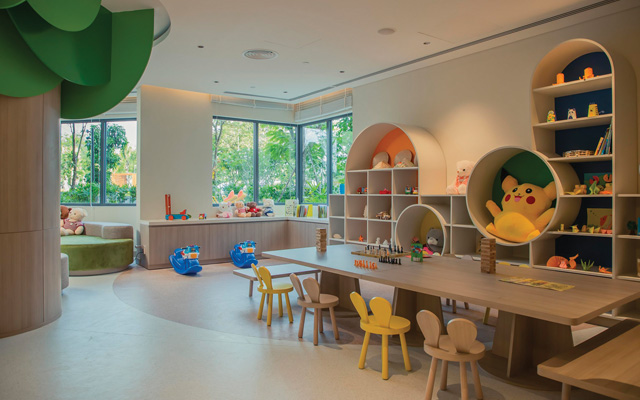
The hotel’s Tribe Kid Club tranforms little ones into wildlife adventurers in a small, nurturing day camp that offers experiential activities for children of all ages. The itinerary includes indoor and outdoor adventure play and a range of creative and enriching activities.
https://phuquoc.crowneplaza.com/resort/
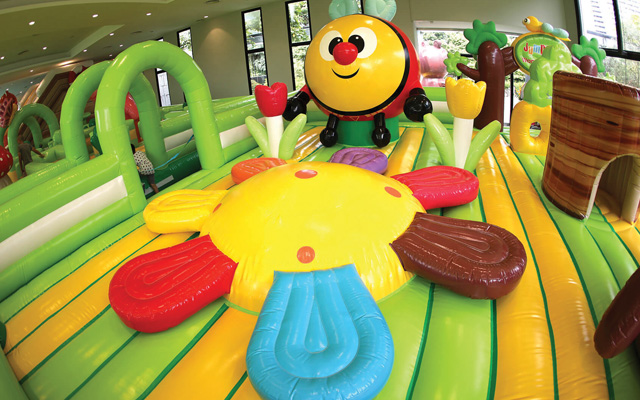
Get bouncy
From now till July 3, 2022, Singapore’s iconic horticultural attraction, Gardens By The Bay, is home to a massive bouncy castle experience.
Jumptopia: Wonder Garden, occupying the Bayfront Pavilion, features eight unique play concepts occupying 799m2 of space. Children can look forward to conquering garden-themed bouncy castles, while parents capture photo memories to share with family and friends. Enjoy yummy bites by Kith Café after a good exercise. Choices for souvenirs are aplenty.
Jumptopia: Wonder Garden is open daily, with five sessions at 10.00, 12.00, 14.00, 16.00, and 18.00.
www.gardensbythebay.com.sg/en/things-to-do/calendar-of-events/jumptopia.html

Buzzing side of the Maldives
The Maldives is not just for romance, as the new Siyam Water World theme park clearly shows. Located within the Siyam World resort, the floating water park offers a thrilling adventure for all ages and activity levels with slides, water trampolines, climbing walls, rafts and more.
Beyond Siyam Water World, accommodation at the resort is fun too. Beach villas come with a personal pool, and some even boast their own water slide that goes right into the ocean.
Guests can enjoy a mini bar that is replenished once daily, a 24-hour sports/snacks bar, four restaurants to choose from, themed F&B events, and more.
Children aged four to 11 can join the Kidz World club and enjoy complimentary wellness activities like the Kids Asana yoga classes, or Zumbini. Teenagers also get their own Not for Kidz adult-free hang-out area.
www.sunsiyam.com/siyam-world/

To infinity and beyond!
Toy Story Hotel is Tokyo Disney Resort’s fifth Disney-themed accommodation and the first moderate-class resort, making it a great choice for families with young children.
The hotel lobby boasts a colourful, toy-filled space with a jigsaw puzzle-inspired floor and a board game-designed ceiling.
Guestrooms are inspired by the look of Andy’s bedroom in the very first Toy Story film, with pyjamas provided for adults and children upon request. The washroom comes with a step stool for little ones, while a crib can be booked during reservations.
Other family-friendly amenities at the hotel include children menus in restaurants and a nursing room.
www.tokyodisneyresort.jp/en/hotel/dh/family.html
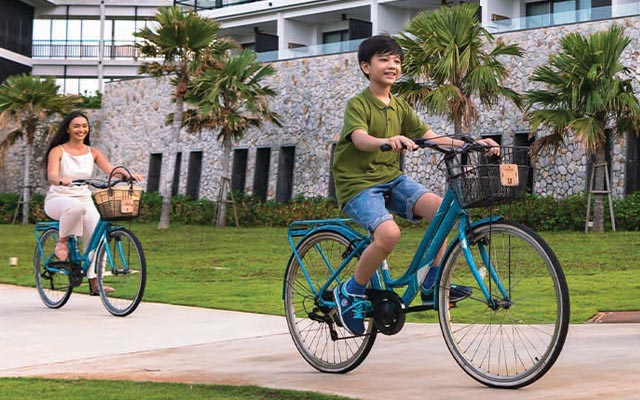
Activities under one roof
Anantara Desaru Coast in Malaysia is perfect for active families, where everyone can spend the day playing beach volleyball, building sandcastles, trying out seasonal water sports, or going on cycling trails around the countryside and along the coast on complimentary bicycles.
For thrill seekers, the Adventure Waterpark boasts rides and slides for all ages and adrenaline levels.
Explore beyond the resort with curated tours, such as the Johor Bahru Old Town Foodie Tour to sample famous baked goods and food; the Belungkor Mangrove Eco Tour; or the Desaru Fruit Farm where there is also a petting zoo.
Parents desiring some personal time can check their little ones into the Layang Layang Kids Club, where pizza-making, cookie-making, T-shirt painting and games await. Older children can chill at the Luncur Ombak Teens Club with video games, movies, pinball machines, table tennis, fubball and more.
www.anantara.com/en/desaru-coast/leisure
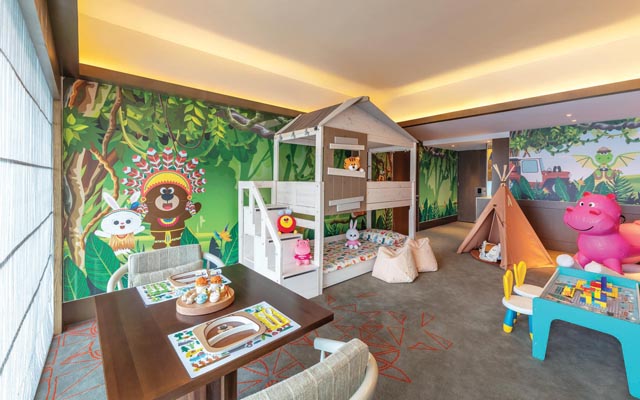
Little ones come first
Pan Pacific Singapore has rolled out two themed family suites on the higher floor of the hotel. These suites come with separate sleeping zones for parents in the main bedroom, and a jungle-themed room for their little ones that is furnished with an inflatable rocking hippo, a teepee and a treehouse bunk bed that sleeps two children.
The hotel has also carved out a special indoor play area for resident guests. Urban Jungle Village keeps little ones busy with seven activity zones where they can learn as they play.
For a more experiential stay, guests can add on a picnic set, available from 11.00 to 18.00, and a campfire set from 18.00 to 21.00. The sets come with delicious kid-friendly food and drinks, as well as a plush toy souvenir. These are priced from S$59 (US$43) per child.
www.panpacific.com/ppsin-urban-jungle
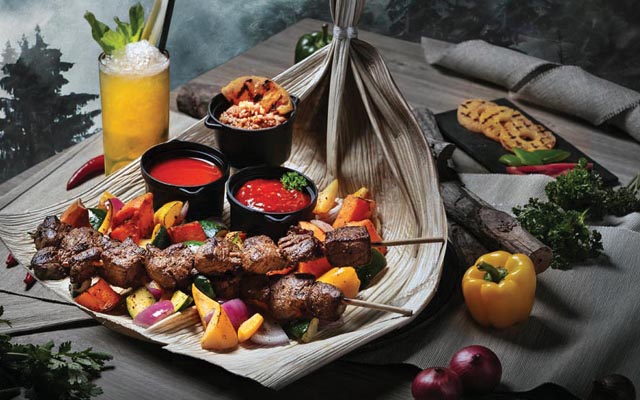
Dine with the dinos
The Jurassic World Dominion Dining Adventure is the latest offering at Universal Studios Singapore. It features a four-course meal themed around the diets of dinosaurs from the upcoming Jurassic World Dominion movie, along with special effects and prehistoric meet-and-greets.
The 2.5-hour dining experience combines storytelling and special effects life-size dinosaur appearances. After dinner, get up close with Velociraptor Blue and the mighty Tyrannosaurus Rex for a photograph.
The Jurassic World Dominion Dining Adventure is available on select dates in May to August, from 18.30 to 21.00. Prices are at S$248 per adult and S$188 per child, inclusive of a one-day ticket to the park and a Universal Express Unlimited Pass.
www.rwsentosa.com/JurassicWorld


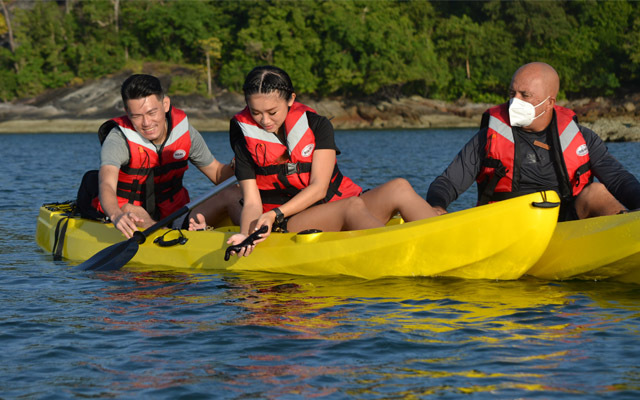



 Here’s wishing all our Buddhist readers a happy Vesak Day!

 Singapore has clear ambitions for sports tourism, having put HSBC World Rugby Sevens Series, HSBC Women’s World Championship and F1 on the annual calendar, but there are other destinations in Asia that are also setting themselves up as sports events destinations. How can Sport Singapore (SportSG) support Singapore’s sports tourism ambition?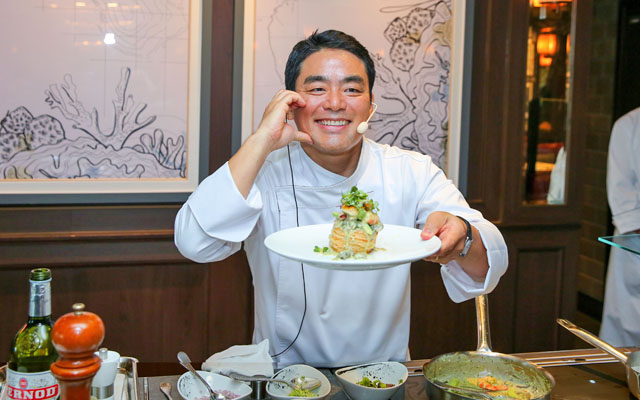







BWH Hotel Group (BWH) has launched its Executive Residency by Best Western extended stay brand in Australasia in collaboration with ARBT Property Group (ARBT).
Set to open in 4Q2022, Executive Residency Woolloongabba will be positioned just two kilometres from Brisbane’s CBD and within walking distance to the famous Gabba Cricket Grounds.
It features 51 apartments with two-, three- and four-bedroom options, all with amenities such as a kitchenette with appliances, complimentary high-speed Wi-Fi, and expansive living areas. Guests will also get to utilise a lap pool and 24-hour gym.
Along with ARBT, a Brisbane-based technology company specialising in modular hotel manufacturing, BWH plans to open new-build hotels across Australia and New Zealand over the next few years. ARBT’s advanced manufacturing technologies and speed to market for new-build properties will allow for rapid expansion of the BWH portfolio across the region.
The partners will open the second Aiden by Best Western in 1Q2023.