

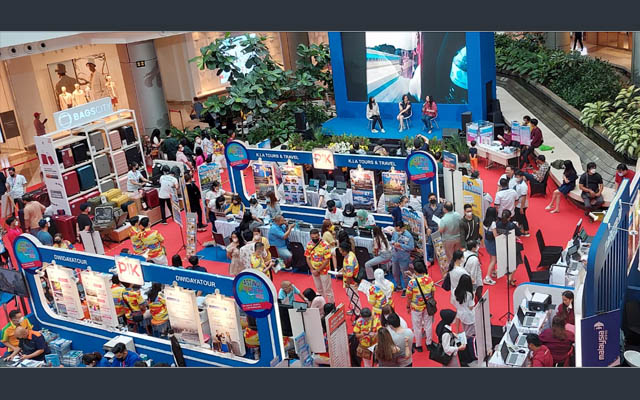
The Association of the Travel Agencies in Indonesia (ASTINDO) held its ASTINDO Hybrid Travel Fair 2022 in partnership with Bank BCA in early September, joining other travel-related businesses in Indonesia racing to capture the country’s pent-up demand for outbound travel.
Bank BCA had also partnered with Singapore Airlines for a travel fair earlier this year, while Kompas Daily and Bank Mandiri organised a similar fair last weekend. Just last week, Garuda Indonesia also offered Super Deals 9.9 on its popular domestic and regional routes through its website and official distribution channels.
At the opening of the hybrid fair, Pauline Suharno, president of ASTINDO said: “While borders have opened and travel restrictions relaxed, we have been facing the challenge of seat capacity, expensive airfares, longer visa applications, not to mention the pandemic and the Russian-Ukraine war that have resulted in the (monetary) inflation around the world.
“However, the Global Rescue Summer 2022 Traveler Safety and Sentiment Survey showed 79 per cent (of) travellers around the world said that the (increased) airfares and tour prices did not affect their desire to travel. Some 20 per cent of respondents chose to adjust their budget.”
Andini Tirtawisata, head of leisure, Panorama JTB Tours told TTG Asia: “After being unable to travel overseas for two years, people’s interest to travel have come back strongly. Many of our clients who have visited us at travel fairs already know where they want to spend their holidays. They visited the fair to find what tour programmes and offers are available.”
The various discounts available coupled with banks offering cashback, plus instalments with zero interest for credit card payments on-the-spot have attracted travellers to buy products on the spot, according to Pauline.
The 25 participating travel companies at ASTINDO Hybrid Travel Fair 2022 managed to yield total sales of more than 69 billion rupiah (US$4.7 million) during the four-day show, according to the ASTINDO report.
Top on the list of travellers’ choices are Europe, Turkey and the US.
Andini commented that in terms of Covid-19 restrictions, although Turkey has been the easiest destination to travel to and is a favourite destination, Europe is still the top destination.
She shared that despite the longer visa application process, lack of seats and the Summer holiday chaos at some European airports, these issues did not deter travellers’ plans and instead taught travellers to plan ahead.
Pauline said: “Instead of changing their plans to travel to Europe due to the obstacles, travellers choose to adapt.”
She added that travellers even pack extra clothing and medication in their hand-carry bags in anticipation of the possible chaos at the airport.
“They buy their holidays now to give themselves ample time to apply for the visa and to secure their seats for the year-end holidays.”
Airlines have also helped to educate the market and enticed travellers to book early by offering them interesting promotion fares for 2023 at the fairs, said Andini.
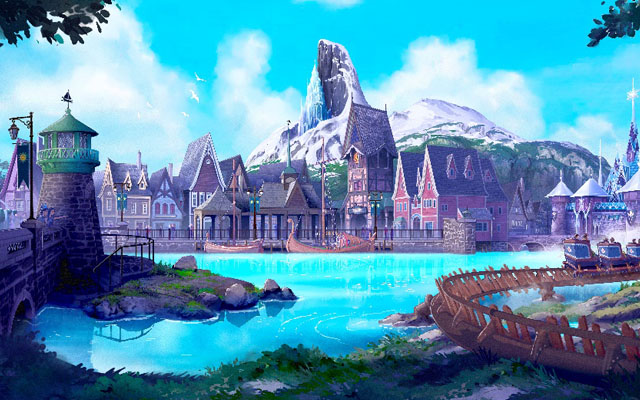
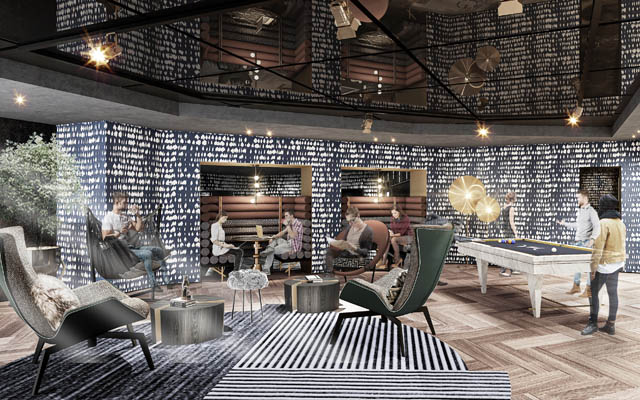
 What is the state of your membership?
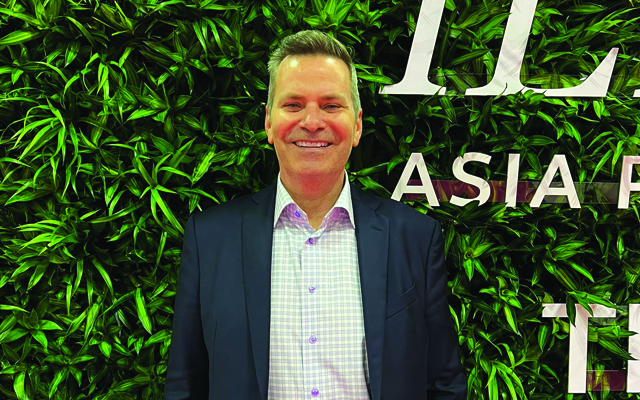

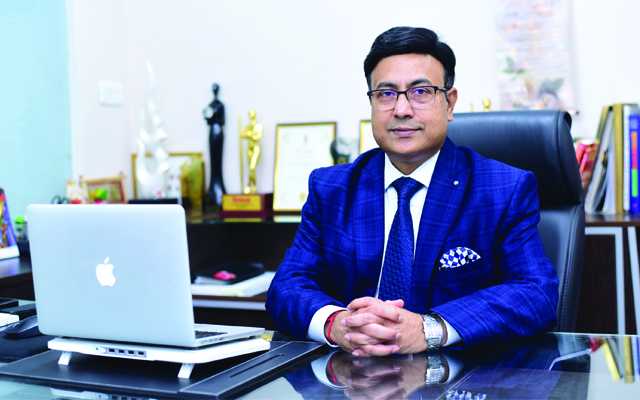
 HVS Anarock India Hospitality Review 2018 noted that Cygnett Hotels and Resorts recorded the highest number of hotel signings in India that year. It was an achievement for a relatively new hospitality chain. Following the pandemic disruption, where are you now with your expansion plans?






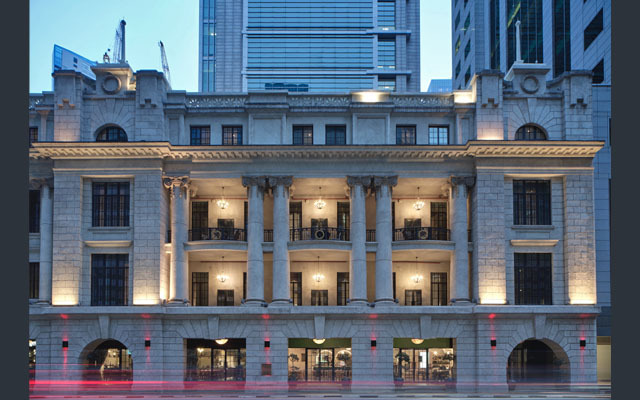
Hotel Telegraph is the new name given to a 95-year-old building that once belonged to the Eastern Extension Telegraph Company. Located in Singapore’s Central Business District area, the luxury hotel will officially open on September 28.
The building was bought over by Viva Land Group for S$240 million (US$171.5 million) and the hotel will be operated by heritage hotel specialist, Inverlochy Castle Management International (ICMI). It will be part of the Small Luxury Hotels of the World community.
Built in 1927, the iconic building was first established as the Eastern Extension Telegraph Company building – the new name celebrates its history and pays tribute to the key role it played in Singapore’s progress as a global business hub.
The 134-room five-star hotel was also previously known as the Cable and Wireless Building, the Telecommunications Authority of Singapore in 1995, and the Ogilvy Centre in 2001.
Anthony Chua, deputy CEO, Viva Land Group said: “The building played an important role in Singapore’s coming of age as an international business hub. Renaming it the Hotel Telegraph is a direct tribute to its rich history and our ambitions for history to repeat itself.”
On working on its first Singapore project, ICMI spokesperson Norbert Lieder commented: “The Hotel Telegraph building, in itself, is already an icon. What we aim to do is to further enhance the hotel’s offerings, combining exquisite service with an impeccable setting to deliver the ultimate in a luxury heritage experience.”
Viva Land Group and ICMI will work closely to position the hotel to complement the CBD area through events and activities, with the aim of restoring the building’s status as one of the mainstays of the district.
Hotel Telegraph is easily accessible with MRT stations within walking distance. It is surrounded by business hubs, restaurants and nightlife. It is also just across from Lau Pa Sat, another one of Singapore’s heritage icons.