TTG Asia
Asia/Singapore Sunday, 21st December 2025
Page 687

Malaysia travel trade rejects wage increase

0

The government’s decision to raise the minimum wage from RM1,200 (US$286) to RM1,500 nationwide, starting with big companies and government linked companies effective May 1, has not been well received by the travel trade who are calling for a deferment.

To facilitate the travel industry’s recovery, the Malaysian Association of Tour and Travel Agents (MATTA) is urging the government not to impose the minimum wage policy for at least two years in order for small and medium-sized tourism businesses to recall tourism workers in stages, thus creating more employment opportunities.

Malaysian Association of Hotels CEO, Yap Lip Seng, opined that increasing minimum wage blindly without addressing the needs of different sectors and industries is not a good policy

MATTA’s president, KL Tan said: “The tourism industry has been badly battered by the pandemic and we are slowly beginning the journey of recovery with low volume of business. Imposing the new minimum wage will be an extra burden for the tourism industry which has incurred millions of dollars in losses.”

Representing three-star hotels and below, Sri Ganesh Michiel, national deputy president, Malaysia Budget & Business Hotel Association (MyBHA), said the minimum wage decision was “not fair to the hotel industry players” – it would mean an increase in operating costs, resulting in an increase in hotel rates which consumers will have to bear.

As most MyBHA members are facing cash flow problems and do not have the ability to pay increased wages, Michiel called for a postponement of implementation for the hotel industry until a mechanism has been established.

Local broadsheet, New Straits Times, published a report on March 21 that a detailed mechanism for the implementation of the minimum wage will soon be announced. Human resources minister, M Saravanan, said the new minimum wage would stimulate the country’s economy through increased purchasing power of workers.

Rebutting this, Malaysian Association of Hotels CEO, Yap Lip Seng, said the bulk of foreign workers’ salary would only be sent back to their own country.

“This is why Gross Domestic Product (GDP) of countries such as Nepal is highly dependent on remittances, which contributes over 30 per cent of the country’s GDP,” Yap argued.

He also pointed out that most hotels are already paying salaries higher than the current minimum wage, and if it includes other non-statutory benefits employers are providing, it further exceeds even the proposed new minimum wage.

Yap shared: “The problem lies in the definition of wages. At the moment with the minimum wage order, this is restricted to “basic wage” only. It does not promote productivity or efficiency, and it does not encourage employers to provide better motivational benefits to employees.”

He also stated that the continuous increase in basic wages does not increase national productivity and may cause more damage to the economy by forcing inflation with the same, or even less, production.

“Productivity is key to growth and it differs from different industries. This is the main reason why the same mandatory minimum wage for all industries and sectors will not work.”

Yap opined that increasing minimum wage blindly without addressing the needs of different sectors and industries is not a good policy. “Contrary to popular belief, salary is not to be blamed for unemployment; the government needs to address various economic and social factors impacting unemployment as well as underemployment.”

Meliá Chiang Mai cuts carbon footprint through the belly

0

Set to open on April 8 on Charoen Prathet Road in the heart of Chiang Mai, the 260-key Meliá Chiang Mai will offer a 360° Cuisine concept that embraces sustainability and promotes healthy eating.

Executive chef Suksant Chutinthratip will craft dishes that use produce from the hotel’s organic farm, allowing the hotel to shrink its carbon footprint from F&B consumption.

Meliá Chiang Mai will offer a 360° Cuisine concept that embraces sustainability and promotes healthy eating

Suksant’s emphasis on “thoughtful cooking”, which minimises food waste by using as much of each and every ingredient as possible, is encapsulated in signature 360° Cuisine dishes.

He explained: “For khao khaab hor goong, for example, we use prawn shells, prawn heads and garden herb stems for our stock base to poach the prawns, and lemon zest as part of the sauce to give a disarming citrus fragrance and flavour, before the leftover cooking oil is sent to be recycled into biodiesel.”

“Our farm-to-plate efforts, sourcing organic produce that travels only a short distance to our hotel and using every part of each ingredient we can – roots, leaves, stems, stalks and more – come full circle with plate-to-farm, whereby we return food waste back to the farm as fertiliser in a truly 360° concept,” Suksant detailed.

In a bid to make communities and the overall food system more resilient, the hotel’s kitchen has partnered with with ORI9IN The Gourmet Farm, a 350-acre gourmet organic farm located in nearby San Sai District, and is working closely with local farmers to help them improve sustainability and encourage ethical production. This includes import substitution, growing of produce and specialised ingredients, like padrón pepper, that would otherwise need to be imported from Spain for Meliá’s Mediterranean cuisine.

Guests are also encouraged to visit the ORI9IN farm to meet local farmers and learn more about sustainable farming.

Will 2022 be the year of travel?

0

In 2020, the coronavirus pandemic took the global travel industry from all-time highs to a low of only five per cent of expected volumes overnight. Over the last two years, the industry has seen that the road to recovery is not linear. Border closures, vaccine shortages, new variants (Delta, Omicron) and now, Russia’s invasion of Ukraine all have immediate effects on travel. By the end of 2021, the global travel industry recovered more than 50 per cent of its gross activity, and if recovery continues along the same trajectory, 85 per cent of the travel industry’s gross activity could be regained by the end of 2022.

Recently, Travelport commissioned a study of thousands of people across seven countries, and the results were overwhelming. Perhaps not surprising given the last two years, but what we heard, loud and clear, is that that travel is back.

People are so excited to travel, they’re willing to give up some of their favourite things for six months or longer in order to do so:

  • 71 per cent of respondents would forgo concerts
  • 64 per cent would stop buying new clothes
  • 63 per cent would give up spa treatments
  • 60 per cent would skip the cinema
  • 53 per cent would give up playing sports
  • 36 per cent would stop dining at restaurants

However, not every aspect of the travel experience is all sunshine and umbrella drinks. There is a notable experience gap between the high degree of enjoyment respondents felt from going on holiday and the frustration they experienced when booking that very same trip. For example, in the US (the largest travel region) 43 per cent of respondents said they don’t find booking travel enjoyable. However, 95 per cent of that same group enjoy actually being on holiday.

Globally, travel was ranked as the number one most enjoyable activity, which again, is hardly a surprise, but it dropped to the number four spot when it came to shopping for travel. And this is not just a generational issue. A quarter of Gen Z respondents agreed that searching and booking travel is a necessary evil for a change of scenery.

On average, travellers visit a whopping 38 different websites before booking their trip. Put this in the context of the old adage that a consumer visits a website an average of five times before making a purchase. Other industries have steamed ahead in terms of digital retailing simplicity and innovation, evolving with their consumers’ sophisticated expectations, and shifting perceptions over time. Study respondents found the travel industry to be an outlier, perceiving it to be even less innovative than the finance industry. Ouch.

Shopping for travel is complicated, which is why Travelport has made simplifying the complex travel ecosystem its mission. In order to be successful at this, we believe:

  • Convenience is crucial: People want a travel shopping experience where they can search and book everything in one place.
  • 45 per cent of respondents would prefer to book an entire trip through one website, one that offers choice of airlines, hotels, car hire companies, and extras.
  • Choice beats price: Customers do not necessarily want the cheapest option. They want the best option for their needs. And, in order to select the best option, they want to see everything on offer.
  • Only 13 per cent would book the cheapest option if it meant limiting their choice.

With demand for travel rebounding at its strongest pace since the pandemic began, it is imperative that the industry listens to its customers. Now is the time for us to fix travel retail, putting consumer convenience and breadth of choice above all. By restoring clarity, confidence, and fun to travel shopping, we can grow trust, generate repeat business, and inspire true loyalty – the benchmark of successful modern retailing.

Thailand eases entry rules further from April 1

0

International arrivals to Thailand under the TEST & GO, Sandbox, and Alternative Quarantine schemes will be able to enter without a pre-travel PCR test from April 1.

This move is part of the Thai government’s four-phase plan to downgrade the Covid-19 pandemic to an endemic disease.

Thailand has further simplified her entry requirements by removing the need for a pre-travel PCR test 72 hours ahead of arrival; Bangkok pictured

Travellers entering on the TEST & GO and Sandbox schemes will still have to take a PCR test on arrival and an antigen self-test on their fifth day in Thailand.

As part of the relaxed entry requirements, Sandbox travellers will only need to remain in Sandbox destinations for five days instead of seven before they are allowed to travel domestically within Thailand.

For travellers entering on the Alternative Quarantine scheme, quarantine duration is reduced to five days plus a PCR test on the fourth or fifth day of stay.

New hotels: Joylive BSD City, Hotel JAL City Toyama, and more

0
Joylive BSD City

Joylive BSD City, South Tangerang, Indonesia
Joylive BSD City, a communal-living hotel just off Jakarta has opened in the Bumi Serpong Damai City, South Tangerang on March 10.

A midscale property combining a hotel and residence concept, the 136-room hotel features the Soul Kitchen Restaurant, a laundromat, co-working spaces, a mini gym, meeting rooms, as well as a communal kitchenette and communal spaces.

Hotel JAL City Toyama

Hotel JAL City Toyama, Japan
Okura Nikko Hotel Management, a subsidiary of Hotel Okura, has opened its first property in Toyama prefecture – the Hotel JAL City Toyama.

Situated on the Sea of Japan coast in the Chubu region of Japan, Hotel JAL City will offer 252 guestrooms. The Japanese-style bathrooms come with a separate toilet; most are equipped with rain showers and separate bathtubs and showers. Not to mention, the large 4K TVs with mirroring functionality, allowing smartphones and other smart devices to connect to them.

Guests can dine at all-day restaurant Café Contrail, which also includes a bar featuring a variety of Western liquors and wines, as well as Toyoma’s local sake.

Avani+ Khao Lak Resort

Avani+ Khao Lak Resort, Thailand
Avani+ Khao Lak Resort, a 327-key oceanfront property located on Bangsak Beach in Thailand’s Phang Nga, has opened. The property serves as a launch pad for AvaniFit — the brand’s new lifestyle concept aiming to put fun and variety into hotel fitness.

The resort’s AvaniFit is a 24-hour facility that aims to challenge fitness enthusiasts with a combination of endurance and resistance training, aerobics and high-intensity interval training. Guests can also sign up for boxing or tennis classes, or try their hand at hanging yoga and wall-climbing. Out-in-the-sun activities like a beach assault course, pool workouts, surfing and kayaking are also available.

Guests can relax with pampering treatments at AvaniSpa, where kids get to enjoy spa treatments too when they are not occupied with fun activities at the two-storey AvaniKids club, Khao Lak’s largest children’s clubhouse. Featuring age-appropriate playgrounds, board games and a PlayStation corner, AvaniKids also encourages outdoor time with a splash park, beach activities and a private skate-park complete with a pump track, ramps and fun boxes for older kids.

Other facilities include swimming pools, and four F&B options, including the all-day dining restaurant Elements.

Grand Papua Hotel

Grand Papua Hotel, Papua New Guinea
Radisson Hotel Group has launched its inaugural hotel in Papua New Guinea, the 16-storey Grand Papua Hotel which overlooks Port Moresby harbour and the Coral Sea.

The hotel features 161 rooms and suites, where one floor is dedicated to female travellers only. Guests staying on the Executive or Grand floors also have access to the 15th floor Executive Lounge, which provides complimentary refreshments, personalised services, and panoramic vistas.

Amenities include a swimming pool, fitness centre, spa, hair salon, and nine function rooms for all types of events. For dining options, guests can check out the poolside terrace, the Grand Bar, or the Grand Brasserie.

Meliá Hotels announces new resort in Vietnam

0

Meliá Hotels International is expanding its footprint in Vietnam with Meliá Quy Nhon Beach Resort, set to open on the country’s central coast in 2025.

The 12-hectare resort in Quy Nhon will consist of 140 hotel rooms, and 93 villas with infinity plunge pools with ocean views. Other facilities will include an all-day dining restaurant, a ballroom, a beach club and restaurant, spa, and a kid’s club and clubhouse.

Meliá Quy Nhon Beach Resort will be Vietnam’s fourth beachfront resort by Melia Hotels & Resorts

Meliá Quy Nhon Beach Resort will be the group’s fourth beachfront resort in Vietnam under Melia Hotels & Resorts brand, and is located a short drive from Queens Beach and the twin Cham towers.

Aside from menus featuring Mediterranean flavours offering an array of tapas and Spanish drinks, Meliá Quy Nhon Beach Resort will organise activities such as yoga and meditation.

Meliá Hotels International first entered Vietnam more than two decades ago, with the opening of its flagship hotel Meliá Hanoi. The group has a total of 24 hotels and resorts, where eight are in operation and 16 in the pipeline.

Vivid Sydney 2022 returns this year

0

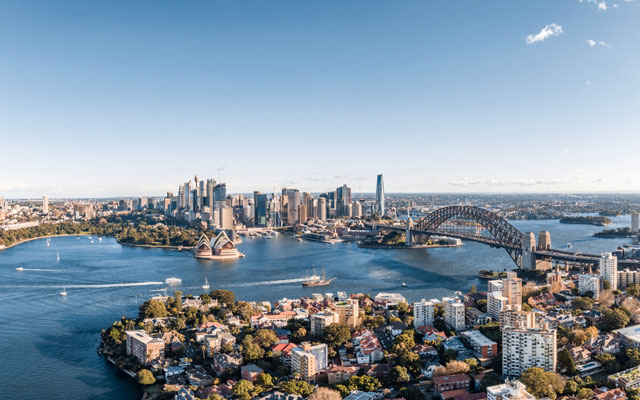
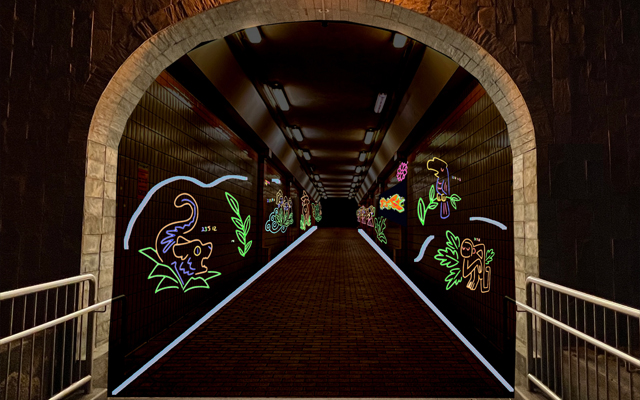
From May 27 to June 18, Vivid Sydney 2022 will transform the Harbour City into an illuminating fusion of creativity, innovation and technology, with over 200 events to commemorate the festival’s 12th anniversary.

The 2022 festival has been two years in the making, not only for Sydneysiders but also visitors from Australia and the world, to come and experience Sydney at her creative best after dark. Highlights include the longest-ever continuous Light Walk leading from the Sydney Opera House to Central Station, the Vivid Sydney Dinner, Vivid Sydney Supper Club, innovative light-art installations, projections, and eclectic music performances.

Vivid Sydney 2022 returns this year

Staged over 23 nights, 11 Sydney CBD locations – Circular Quay, Sydney CBD, The Rocks, Barangaroo, Darling Harbour, Darling Square, Darling Quarter, The Goods Line, Central Station, Luna Park and Taronga Zoo – will all come to life with a mesmerising kaleidoscope of light artworks to wow visitors and locals alike.

Learn more about Vivid Sydney here.

Cambodia clears the way for hassle-free arrivals

0

Industry players have high hopes that a snap decision to scrap pre-travel PCR test and rapid test on arrival will lure more holidaymakers to Cambodia.

On March 17, Cambodia announced double vaccinated arrivals will no longer need to produce a negative PCR test 72 hours before landing or undergo a rapid test upon arrival. A vaccination certificate must be presented.

The visa-on-arrival scheme that has been suspended since March 2020 has also been revived.

Travellers to Cambodia will now only need to show proof of double vaccination; Phnom Penh pictured

Nick Ray, CamDMC consultant, said: “This is a game changer. It removes the jeopardy and risk from travel to Cambodia and ensures Cambodia continues to lead the way to a full reopening in South-east Asia.”

Steve Lidgey, general manager at Travel Asia a la Carte, added: “This is exactly what we need and lobbied for. Testing procedures were too costly, restrictive and complicated for many. The ease of arrival to Cambodia will be good news in the short-term, and hopefully see some last-minute bookings.”

Since Cambodia reopened her borders to international travellers in November, the country has noted a slow trickle of tourists entering. Lidgey said this month he has received several bookings for 14-day tours.

“This is excellent news for the struggling hospitality industry,” he said.

“We need to work hard to make sure Cambodia becomes a single destination and doesn’t revert to being a two- or three-night add-on,” he added.

However, Sinan Thourn, BTB Cambodia chairman, said flight connectivity remains a challenge.

“Cambodia has limited air connectivity and without the rest of (South-east Asia) opening their borders like Cambodia, it will be difficult. Cambodia alone can’t reach its goals without ASEAN solidarity,” said Sinan.

Lidgey noted Singapore Airlines’ frequent flights into Phnom Penh and Siem Reap have aided arrivals. “Other airlines are being far too tentative and not planning ahead. Singapore Airlines has helped bring Western tourists, Singaporeans and expats living in Singapore who needed a break,” he said.

However, to ensure Cambodia remains competitive as other regional destinations relax restrictions, Lidgey recommended scrapping tourist visa fees. “Most nationalities can enter Thailand without any charge, so it would be good for Cambodia to be proactive and challenge their bigger rivals.”

Jetstar Australia marks Indonesia return with Bali services

0

After two long years of absence, Jetstar Australia’s first Melbourne-Bali flight touched down on the Indonesian resort island on March 14, bringing 271 passengers including 26 high profile media personalities onboard JQ043.

The media entourage was in Bali at the invitation of the Ministry of Tourism and Creative Economy as well as local travel and creative businesses, for the #toBaliwithLove familiarisation trip and Un-Bali-Vable promotional programme.

Bali’s welcoming committee received Jetstar Australia’s first Melbourne-Bali flight on March 14

Sandiaga Uno, Indonesia minister of tourism and creative economy said the return of the Melbourne-Bali service will spur revival of Bali’s economy and open up job opportunities in the tourism and creative economic sectors.

For now, Jetstar Australia will operate thrice weekly flights between Melbourne and Bali.

Gareth Evans, CEO of Jetstar Group, said this was just the beginning. The airline plans to commence Sydney-Denpasar service in April, followed by services from Brisbane, Adelaide, Cairns and Gold Coast come May.

Evans expressed excitement over the return to Bali after two long years. With the ease of access to Bali, he was confident that Bali would once again be the top destination choice among Jetstar’s customers.

Since Bali introduced a no-quarantine policy on March 7, Sandiaga said arrivals to the destination rose significantly. Citing a report by the Indonesia Hotel and Restaurant Association, Sandiaga said Bali hotel occupancy had also risen by 20 per cent.

In related news, Jetstar Asia has obtained approval today to operate Vaccinated Travel Lane flights to Singapore from Denpasar.

Gianna Hsu leads HK’s Travel Industry Council into new waters

0

Tourism industry veteran Gianna Hsu has been elected uncontested to the role of chairman of Hong Kong’s Travel Industry Council (TIC), which will be transitioning from a regulatory function to a travel trade association this year.

Hsu is no stranger to leadership at TIC, having served the Board for 29 years, during which she held the role of vice chairman for five terms (spanning 24 years).

Hsu will focus on revenue generating opportunities for TIC and its members

Speaking to TTG Asia, Hsu said she ran for the chairman post as travel trade is her passion and she is now able to “devote more time to this busy role”.

Hsu started her career in travel 40 years ago at Towa Tours, and she is well-versed in both inbound and outbound markets.

Hsu will be leading TIC into new waters, as the organisation will shed its regulatory function for Hong Kong travel agents and cease getting government funding.

As TIC becomes a travel trade association, Hsu expects its functions to change, with a greater attention paid to revenue generation.

“We will focus on catering to the needs of members and the industry while exploring more partnership and cooperation with various stakeholders, such as travel agents, government agencies, NTOs, exhibition organisers, and other related local and overseas organisations. Hopefully, this would generate more business opportunities for TIC, our members, tour escorts and tourist guides,” she said.

In order to expand income sources, TIC has recently secured a contract with Hong Kong Tourism Board (HKTB) and M+ to train 1,000 local tour guides.

Hsu also sees opportunity in providing destination marketing support for overseas NTOs via seminars and workshops.

While TIC has some 1,700 members now, a five to 10 per cent loss in membership is expected as TIC exits the regulatory regime. The current 40-strong staff will also be halved.

Hsu will continue to be supported by former executive director Alice Chan, who has retired last December but remains as a consultant to ensure a smooth transition until the end of this year. Chan’s successor is Fanny Yeung, who brings over 30 years of travel industry experience, having worked in travel agents, airlines, GDSs and the Hong Kong Tourism Board.