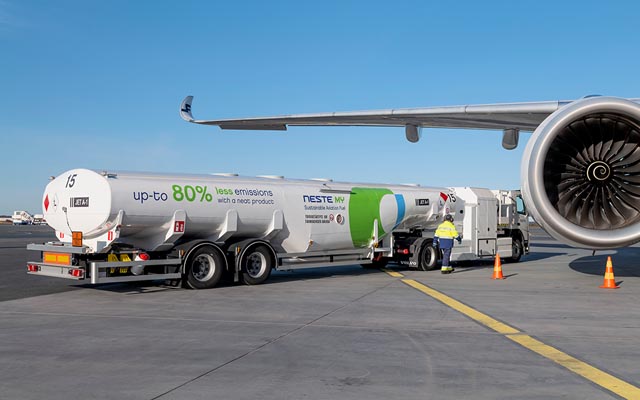
Airbus and Neste have signed a Memorandum of Understanding (MoU) to advance the production and uptake of Sustainable Aviation Fuel (SAF) in their aligned vision to reduce greenhouse gas emissions of air travel.
This collaboration aims to lay the foundation and accelerate the aviation sector’s transition to SAF, and allow Neste and Airbus to explore business opportunities together and jointly promote the production and use of sustainable aviation fuel.
Neste and Airbus will jointly promote the production and use of sustainable aviation fuel
The focus will be on the technical development of SAF, fuel approval and testing of current and future production technologies, and investigating how 100 per cent SAF use can be enabled.
This is the second collaboration between Airbus and the energy provider Neste after the Emission and Climate Impact of Alternative Fuels exploration on SAF with German research centre DLR.
“SAF is one of aerospace’s most promising decarbonisation solutions that can be used in both in-service aircraft fleets and those of tomorrow,” said Julie Kitcher, executive vice president, communications and corporate affairs, Airbus. “All Airbus aircraft are already certified for flying with up to 50 per cent SAF and this partnership will be instrumental to reaching certification for up to 100 per cent SAF before the end of the decade.”
Thorsten Lange, executive vice president, renewable aviation at Neste said: “The combined knowledge and expertise of the companies will help advance the use and availability of SAF as a means of transitioning aviation towards more sustainable energy sources and reducing the climate impact of aviation.”
Besides working on the technical aspects, Neste and Airbus will investigate concrete SAF projects and business opportunities across the world with airlines and other stakeholders.
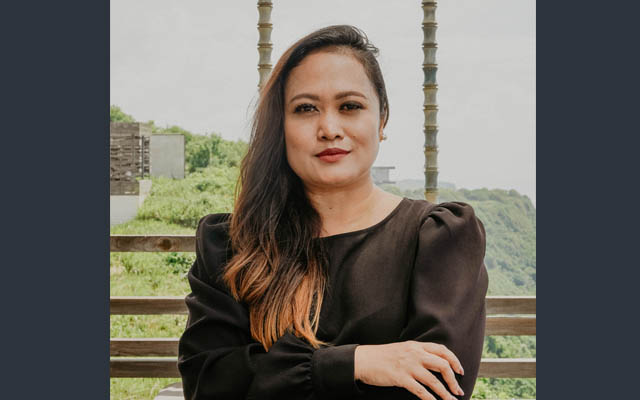
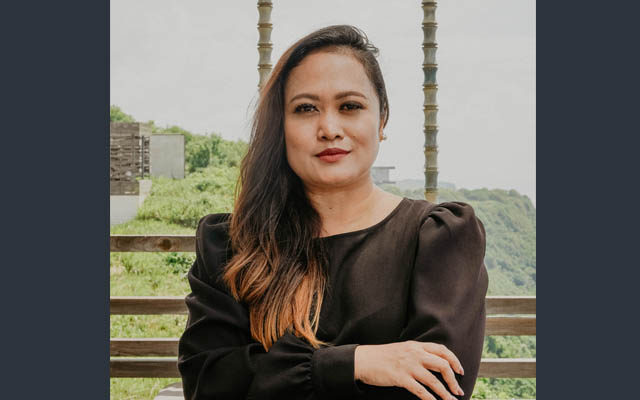
Alila Villas Uluwatu has named Dayu Susani as director of sales and marketing.
She brings to the resort almost 20 years of experience in the hospitality industry and will oversee all sales and marketing activities for Alila Villas Uluwatu in her new role.
She was previously with Raffles Bali in Jimbaran Bay where she led the pre-opening sales and marketing team.
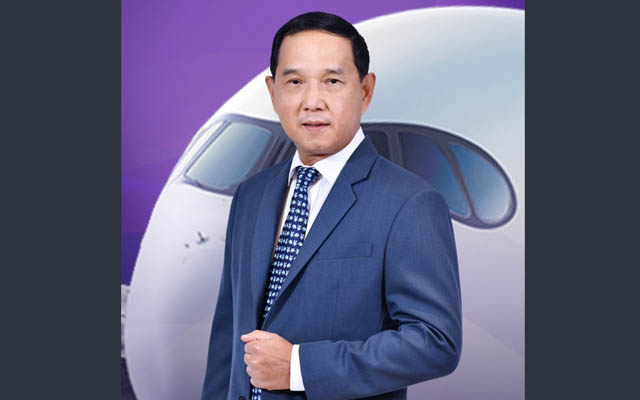
Thai Airways International Public Company Limited (THAI) has appointed Chai Eamsiri as its chief executive officer effective February 1, 2023.
Presently THAI chief financial officer, he has 37 years of experience and knowledge in Thai aviation industry and has played a vital role in the company’s Rehabilitation Plan implementation and transformation in the past two years.
In his new role, he will help THAI accomplish the Business Transformation and Rehabilitation goals with long-term sustainable prosperity.
WTTC’s Cities Economic Impact Report (EIR) unveiled at the 22nd Global Summit in Riyadh on December 1 shows that major cities remain the powerhouses of global tourism and will drive the recovery of the sector and economies around the word.
Sponsored by Visa, the report analyses 82 international city destinations and shows that prior to the pandemic major cities were popular destinations, accounting for almost half of all international visits, both as standalone destinations and as gateways to other tourism hotspots within countries.
Doha (pictured) is expected to see the largest increase from 2019 to 2022, in terms of international traveller spend as well as in direct travel and tourism contribution to the city’s GDP
As Covid woes recede, leisure and business travellers are flocking back to cities. According to the report, 10 cities are projected to exceed pre-pandemic levels in terms of direct travel and tourism GDP contribution to the city economies this year.
Doha, Qatar is expected to see the largest increase from 2019 to 2022, in terms of international traveller spend as well as in direct travel and tourism contribution to the city’s GDP, with an expected increase of 21%.
In Europe, Warsaw is expected to witness a significant 14% increase in 2022 versus 2019 in travel and tourism contribution to the city’s GDP.
In the US, Orlando is projected to see a 10% increase in direct travel and tourism contribution to the city’s GDP over that same period.
Over the next decade, travel and tourism is on track to become a key driver of economic growth once again, with faster GDP growth than other sectors, generating 126 million new jobs around the world.
By 2032, the travel and tourism sector will directly generate up to 8% of all jobs in the 82 cities analysed in the Cities EIR, up from 6.6% in 2019 and a low of 5.1% in 2020.
Julia Simpson, WTTC president & CEO, said: “Our report clearly shows that for millions of tourists around the world, major cities remain iconic global destinations. There’s still a strong appetite to experience the history, culture, and energy that cities offer travellers.
“Before the pandemic, cities were powerhouses for international tourists, serving as standalone destinations and as gateways to other tourist destinations within countries. This year cities are recovering around the world, and we forecast that cities will continue to grow and thrive over the next decade.”
IATA has reiterated the importance of keeping sustainable growth in sight as the air travel industry rises from the ashes of the Covid pandemic and travel disruption.
Speaking at the Association of Asia Pacific Airlines’ (AAPA) Assembly of Presidents in Bangkok last month, Conrad Clifford, IATA’s senior vice president and deputy director general, recalled IATA members’ unfaltering efforts towards achieving net zero carbon emissions by 2050 since 2021, despite the travel crisis, as well as the recent adoption of the Long Term Aspirational Goal (LTAG) at the International Civil Aviation Organization (ICAO) Assembly to achieve the same.
Airlines’ sustainability push is limited by Sustainable Aviation Fuels supply and high costs
“We are extremely encouraged by the LTAG agreement at the ICAO Assembly. With both governments and industry focused on the same goal, the significance of LTAG cannot be overstated. But to achieve net zero CO2 emission by 2050, government policy support in key areas of decarbonisation is critical. One such area is incentivising the production capacity of Sustainable Aviation Fuel (SAF),” said Clifford.
SAF is currently expected to account for 65 per cent of carbon mitigation in 2050. It will be the largest contributor to the industry’s sustainability. Airlines purchased all available SAF in 2021 and have committed to over US$17 billion of forward purchasing agreements.
“The problem is the limited supply and high costs. In 2021, only 125 million liters of SAF were available on the market. That was less than 0.05 per cent of the total fuel used,” explained Clifford.
“I urge Asia-Pacific governments to look at stimulating SAF production,” he said, adding that government incentives for SAF could result in 30 billion liters of production capacity globally by 2030.
He cited Japan and Singapore as exemplary in their approach to SAF, where governments actively involved the industry in the consultation process and promoted domestic SAF production.
“We urge other States to take similar steps, and to support the efforts to develop a global framework for a Book & Claim system for SAF,” he said.
The Book & Claim system enables travelling consumers to claim the CO2 reduction that their purchase achieves even if their aircraft lacks SAF access at the airport. This is achieved by directing their SAF purchase to another aircraft elsewhere with access to SAF.
Speaking to TTG Asia separately, Clifford said the Book & Claim system has been instrumental in enabling public participation in sustainable travel. Through the system, companies are able to support sustainable business travel and urge their airline vendors to use more SAF.
“But it is more than just the corporates that are driving the use of more SAF. In Europe, the general public demands that too,” he added.
Clifford: carbon offsets are not the answer but a necessary gap-filler when SAF supply is still lacking
Clifford acknowledged the benefits of having emissions listed with flight searches, such as on Google, as that has allowed consumers to make informed decisions on sustainable travel.
“We have developed a global standard for the industry to measure emissions, and that helps to reduce confusion when consumers look at different sites,” he shared.
The airline industry’s sustainable efforts are also supported by the ICAO Assembly’s reinforced commitment to the Carbon Offsetting and Reduction Scheme for International Aviation (CORSIA) as well as goal to stabilise emissions of international aviation at 85 per cent of 2019 levels.
When asked about the effectiveness of carbon offsets compared to emissions minimisation right from the start, Clifford told TTG Asia that air travel’s sustainable efforts currently could not be without carbon offsets.
“Carbon offsetting is important at the beginning, especially when we have this massive gap in SAF supplies. We need carbon offsets to ensure airlines are meeting their (emissions) targets. Carbon offsets is a gap-filler and certainly not the ultimate answer, but it helps at this point,” he explained.
Hyatt Hotel Corporation and Dream Hotel Group have announced an agreement for a Hyatt affiliate to acquire Dream Hotel Group’s lifestyle hotel brand and management platform including the Dream Hotels, The Chatwal Hotels and Unscripted Hotels brands, with properties in some of the world’s most prominent hotel markets across the Americas, Europe and Asia.
This asset-light acquisition will include a portfolio of 12 managed or franchised lifestyle hotels, with another 24 signed long-term management agreements for hotels expected to open in the future.
Hyatt Hotel Corporation’s acquisition of Dream Hotel Group will add over 1,700 rooms to the former’s lifestyle portfolio; The Chatwal Lodge, US pictured
Upon closing, this expansion will add over 1,700 rooms to Hyatt’s lifestyle portfolio and increase Hyatt’s room count in New York City by more than 30 per cent.
The acquisition continues Hyatt’s asset-light growth strategy following its transactions to acquire Two Roads Hospitality in 2018 and Apple Leisure Group in 2021 – and, most recently, Hyatt’s collaboration agreement with German Lindner Hotels to further grow Hyatt’s brand footprint in Europe.
Upon closing, Hyatt will pay a base purchase price of US$125 million, with up to an additional US$175 million over the next six years as properties come into the pipeline and open. Stabilised management fees associated with the base purchase price of US$125 million are anticipated to be approximately US$12 million and, to the extent the contingent purchase price of US$175 million is paid, additional stabilised management fees are anticipated to be up to approximately US$27 million. The total base purchase price plus the contingent purchase price represents an attractive acquisition multiple in the high-single digits on projected stabilised earnings.
Dream Hotel Group properties are known for their vibrant dining and nightlife experiences including hotspot restaurants, lavish entertainment venues and exclusive night clubs built on strategic collaborations with innovative and award-winning industry leaders.
“We have tremendous respect for what Dream Hotel Group founder Sant Singh Chatwal and CEO Jay Stein and their team have created and are grateful for the trust being placed in us by Dream Hotel Group to care for their brands and carry their success forward into the future,” said Mark Hoplamazian, president and chief executive officer, Hyatt.
The transaction is anticipated to close in the coming months, subject to customary closing conditions. Following completion of the transaction, Hyatt will work to welcome the new properties into the World of Hyatt loyalty programme.
Dream Hotel Group founder Sant Singh Chatwal will continue his commitment as an owner of four open and two future hotels that are expected to join the Hyatt portfolio. Dream Hotel Group CEO Jay Stein will join Hyatt as head of Dream Hotels to guide the integration of the Dream Hotel Group brands into the Hyatt portfolio, ensuring the unique DNA of each brand is preserved while leveraging Hyatt’s capabilities to optimise property performance.
Additionally, Dream Hotel Group’s chief development officer David Kuperberg will join Hyatt as head of development – Dream Hotels; chief operating officer Michael Lindenbaum will join Hyatt as global head of operations – Dream Hotels.
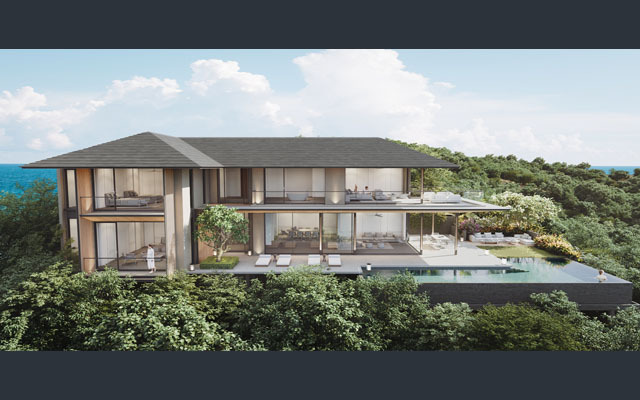
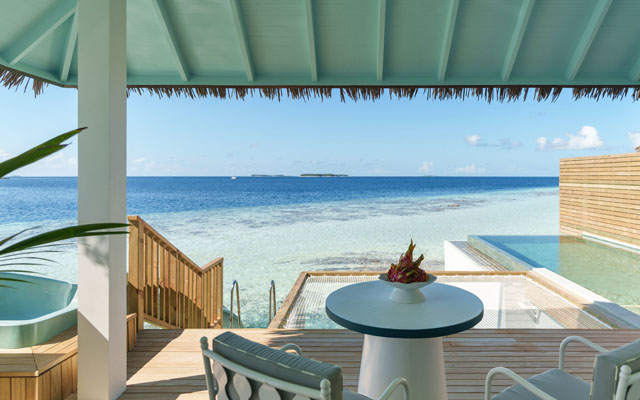
Mandarin Oriental Hotel Group will manage a new resort with branded residences in Phu Yen province, Vietnam, set for opening in 2026.
Mandarin Oriental, Bai Nom will sit on a beach, surrounded by raised plateaus with stunning views of the coastline and the ocean. The exclusive location and distinctive design of the resort will provide a perfect backdrop for a wide variety of personalised experiences, encompassing wellness retreats, cultural exploration and family-focused activities.
Developer Indochina Kajima and Mandarin Oriental Hotel Group will design and develop Mandarin Oriental, Bai Nom in a responsible
The architecture and design will incorporate many natural Vietnamese elements and local cultural references.
The property will take in 72 suites and villas, including 25 Residences at Mandarin Oriental, as well as three restaurant and bars, the Mandarin Oriental Spa, a 30-metre lap pool, a Children’s Club with a dedicated swimming pool, and more.
This will be the group’s third property in Vietnam.
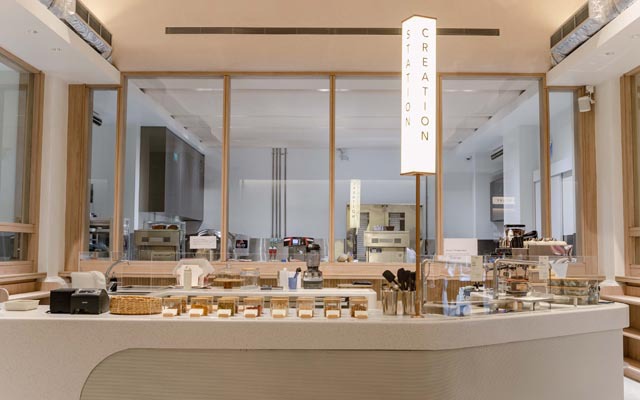
Homegrown bean-to-bar chocolate brand, Mr. Bucket, has launched Mr. Bucket Chocolaterie (Dempsey Factory) at Singapore’s lifestyle enclave, Dempsey Hill.
The attraction features Singapore’s first ever build-your-own chocolate slab station, an indoor and outdoor dining experience, as well as a new chocolate dispensary where guests can buy their favourite treats sustainably with their own containers.
Mr. Bucket Chocolaterie (Dempsey Factory) combines education and experience with chocolate appreciation
From bon bons and bars, to housemade bakes and entremets, to drinking chocolate and cacao wine, everything in Mr. Bucket Chocolaterie is made fresh daily, using only responsibly-sourced single-estate Asian chocolate.
Since establishing his chocolaterie in 2020, founder Jerome Penafort has remained committed to crafting chocolates from sustainably sourced cacao from Asia.
Mr. Bucket Chocolaterie (Dempsey Factory) allows Penafort to combine education and experience with chocolate appreciation, and to cultivate a deeper appreciation for cacao grown in Asia.
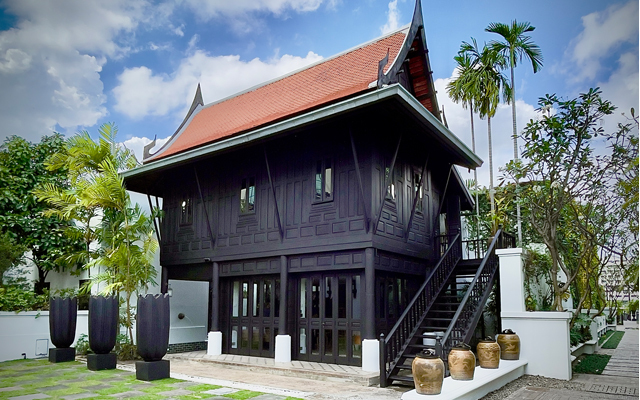
A two-story century-old Thai teak house, known as Connie’s Cottage, that stands on the grounds of The Siam in Bangkok is now home to galleries for celebrity designer and architect Bill Bensley and luxury silk label Jim Thompson.
Once a treasured residential villa for guests, the architectural gem and its surroundings have been extensively renovated to herald the hotel’s partnership with the two artistic icons that are renowned across Southeast-Asia.
Connie’s Cottage at The Siam invites guests to explore and purchase the creations of Bill Bensley and Jim Thompson
Bensley Gallery at The Siam occupies the upper level, showcasing the artworks of Bill Bensley, the hotel’s architect and designer. Artworks will be curated and rotated through the Gallery for guests to admire and purchase. Sales proceeds go to the Shinta Mani Foundation and Wildlife Alliance to support conservation and wildlife protection – causes very close to Bensley’s heart.
On the ground floor stands Jim Thompson at The Siam, a showcase of the brand’s latest fashion and homeware designs.
Jim Thompson at The Siam and the Bensley Gallery at The Siam will open to visitors from mid-December.


 She was previously with Raffles Bali in Jimbaran Bay where she led the pre-opening sales and marketing team.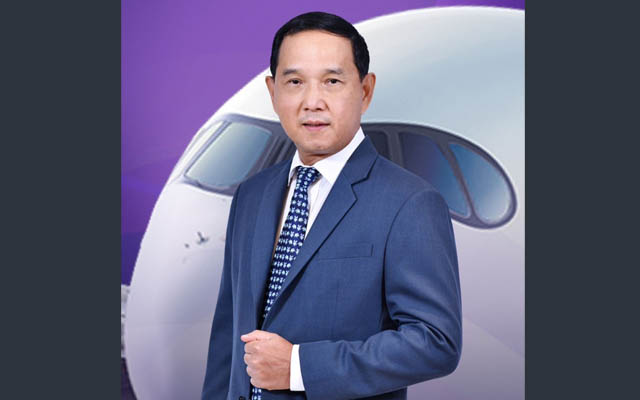
 In his new role, he will help THAI accomplish the Business Transformation and Rehabilitation goals with long-term sustainable prosperity.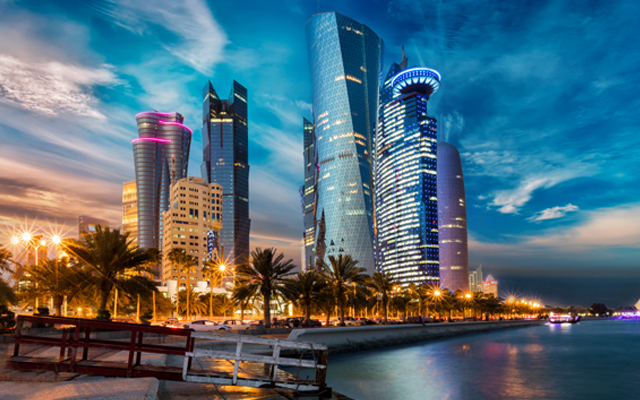










Mandarin Oriental Hotel Group will manage a new resort with branded residences in Phu Yen province, Vietnam, set for opening in 2026.
Mandarin Oriental, Bai Nom will sit on a beach, surrounded by raised plateaus with stunning views of the coastline and the ocean. The exclusive location and distinctive design of the resort will provide a perfect backdrop for a wide variety of personalised experiences, encompassing wellness retreats, cultural exploration and family-focused activities.
The architecture and design will incorporate many natural Vietnamese elements and local cultural references.
The property will take in 72 suites and villas, including 25 Residences at Mandarin Oriental, as well as three restaurant and bars, the Mandarin Oriental Spa, a 30-metre lap pool, a Children’s Club with a dedicated swimming pool, and more.
This will be the group’s third property in Vietnam.