

Google search for Indonesian villages climbs as travellers seek quiet escapes

Indian tour operators rue absence of e-visa facility for key source markets

The continued absence of an e-visa facility for travellers from critical source markets Canada and the UK is putting Indian inbound operators on edge, as they see potential business being lost to other more accessible destinations.
Indian inbound operators told TTG Asia that they have been demanding that the facility be resumed at the earliest.

The lack of in-person visa application appointments in the UK is also resulting in a significant number of trip cancellations to India, sources said.
Dipak Deva, managing director of Sita, TCI & Distant Frontiers, told TTG Asia that India’s tourism industry has much to lose from this situation.
“The largest source market for us is the UK – both in terms of volume and traveller spend. There has been a large number of cancellations in the last four weeks owing to the absence of the e-visa facility coupled with a (lengthy) waiting time to apply in-person for a visa, detailed Deva.
Although more visa slots are opening up now, travellers are still turned off by the inconvenience, he added.
Subhash Goyal, chairman of STIC Travel & Air Charter Group, said India’s introduction of the e-visa facility in 2014 had been a game-changer for the country’s tourism industry. Prior to that, visa applications for India was largely considered a tedious process.
“It was because of the e-visa facility that we recorded 11 million inbound tourists in 2019 and the country earned about US$30 billion in foreign exchange. However, as the government has stopped e-visa for two of the most important source markets (for India), inbound tourism has been adversely impacted,” said Goyal.
Indian tour operators are seeing potential customers moving to other destinations.
“After 2.5 years of the pandemic, the last thing you want is your largest source market being damaged because of a visa issue. This is a very important decision factor for a traveller, and they will opt for other destinations like Vietnam and Japan if a convenient visa option is not available,” stated Deva.
He noted that most of the UK customers who had cancelled trips to India were already booked to go to Japan instead.
Travel stakeholders in Goa also warned of severe business impact, as the UK contributes to charter business during the current peak inbound season.
“No charter clients will book India if they have to wait for a visa. Goa has a lot to lose from the absence of e-visa facility,” said Deva.
Deva also rued the weak destination marketing undertaken by the tourism ministry. He believes that promotions should have started six to eight months ago in various source markets to build demand for India.
“This is an opportunity lost,” he concluded.
La Vie Hospitality Group forms; eyes South-east Asia market
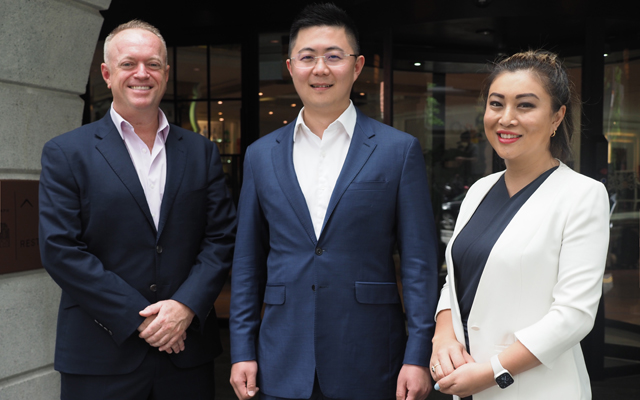
Sydney-headquartered independent hotel management company La Vie Hotels & Resorts has restructured its business and established an umbrella brand, La Vie Hospitality Group, to house all of the group’s business units.
The new La Vie Hospitality Group comprises six business units including La Vie Hotels & Resorts, Leadwell Asset Management, La Vie Hospitality Services, Marion Building Management, Paro Procurement Group, and a joint venture with hospitality training school Alliance College.
Jerry Xu, founder and CEO, La Vie Hospitality Group, said: “This is an exciting evolution of our business and we’re proud to be one of the first Australian hospitality groups to launch a fully integrated offering that provides a one-stop shop for owners.”
Xu said La Vie Hospitality Group provides everything from managing hotels and procurement, to hiring and educating staff for its clients.
La Vie’s latest partnership with Small Luxury Hotels of the World (SLH) is a “strategic brand and distribution partnership”, Shellia Chang, group director of sales & distribution, La Vie Hotels & Resorts told TTG Asia, as La Vie has numerous upper upscale boutique properties that do not fit with big brands.
Chang added: “We are opening another 38-room sustainable hotel in Surry Hills in Sydney, and the Islington Hobart, both in partnership with SLH.”
“We are also launching our own brand, with the first resort due to open in the Maldives by the end of this year.”
Other fresh launches include a hotel in Patong, Phuket, in partnership with Choice Hotels, and The Motley Hotel in Richmond as part of a multi-partnership deal with Amber Property Group. Currently, La Vie Hospitality Group operates hotels across Australia, Bhutan, China, Maldives, Myanmar, Thailand, the UAE and Ukraine.
“We are growing rapidly. In addition to Australia, South-east Asia is going to be our key focus in the next 12 months,” Chang affirmed.
When asked how its offering differs from franchise management, she explained: “We are owner-centric and offer a 360 degree and tailor-made approach. We have a great relationship with big brands. While our hotels can be a franchise of a brand, we are the ones managing the hotel, and we ensure commercial delivery for the owners.”
For instance, La Vie Hotels & Resorts works with Radisson Hotels Group for three properties in Sri Lanka, as the latter is considered as the “best fit” for the region to “maximise financial returns” for owners.
Conscious and persistent

 Marriott International has some very substantial sustainability and social impact goals to achieve by 2025. Can you shed light on how the company’s Asian divisions have been able to contribute towards Serve 360 in recent years?
Serve 360 is a critical framework developed to guide and track Marriott International’s sustainability and social impact efforts through 2025. It is aligned with the United Nations Sustainable Development Goals and outlines four priority areas – Nurture Our World, Sustain Responsible Operations, Empower Through Opportunity, and Welcome All and Advance Human Rights – each with its own set of 2025 goals.
Since the launch of Serve 360, our global operations have made significant impact across all four areas.
As part of Nurture Our World, our Asia-Pacific teams (excluding Greater China) launched a campaign in response to the humanitarian crisis in Ukraine. It sought to support those who have been affected, including our associates and their families. More than 2,000 associates contributed 3,500-plus volunteering hours to raise US$21,027 to the World Central Kitchen, which serves millions of fresh meals to Ukrainians fleeing their homes. Last year, when the pandemic devastated some of our markets, around US$660,000 was raised through the APEC Marriott Disaster Relief Fund to support associates who have been affected by the situation.
The Asia-Pacific (excluding Greater China) region is leading our international regions with a total contribution of 3.7 million volunteering hours to-date. Globally, our target is to contribute 15 million hours of volunteer service by 2025.
As part of Sustain Responsible Operations, one of our key programmes is the removal of tiny, single-use toiletry bottles. In 2019, we made a global commitment to replace these with larger, pump-topped bottles – ultimately preventing about 500 million tiny bottles annually from going to landfills. So far, 70 per cent hotels in my region have already implemented this change, and we are on track to fully comply by the end of 2022.
Food waste reduction is also one of our top priorities, and globally we have committed to reduce 50 per cent of our food waste by 2025. To support this ambitious target, more than two-thirds of Marriott hotels in our region are already enrolled in our environmental reporting platform. This is a crucial step because tracking will help our teams determine cost-effective solutions and avoid over-ordering. Studies have shown that Asia alone accounts for over 50 per cent of global food waste. We recognise the urgency of this issue and are working hard to enrol 100 per cent of our hotels by the end of the year, while continuing the expansion of our back-of-house food waste reduction programming.
Under our Empower Through Opportunity priority area, we have made Diversity, equity and inclusion integral to how we do business and interact with our key stakeholders. In Asia-Pacific (excluding Greater China), we’ve made significant progress towards gender parity for management positions. Around one-third of our hotel management positions are taken up by women, and there are 60 female general managers and hotel managers in the continent with a robust pipeline of top talent.
Supporting LGBTQ+ inclusion has also been a key priority for us. In this region, we created a formalised LGBTQ+ committee to increase visibility of the community and promote the importance of allyship within the workplace. Beyond the workplace, we partnered with external organisations…to raise awareness and demonstrate our full support towards LGBTQ+ inclusion.
And finally, for our Welcome All and Advance Human Rights priority area, Marriott International is committed to the fight against human trafficking, child sexual exploitation and forced labour. One of our 2025 targets is to have 100 per cent of on-property associates complete our human rights training. In my region, more than 55,000 associates from both managed and franchised properties have completed the training.
While this is by no means an exhaustive list, we recognise that there is still much work to be done. By leveraging the Serve 360 framework, we remain steadfastly committed to our goals as they guide our efforts to do good in every direction.
Did the pandemic disrupt Marriott’s ability to fulfil these goals?
To a certain extent, it did result in many of our programmes being put on hold. However, it is during these trying times that we also need to heavily rely on our core values to put people first, pursue excellence, embrace change, act with integrity, and continue to find the drive to serve our world.
Throughout this period, we are immensely proud of how our associates showed up for their local communities. Across the region, our hotels delivered lunch boxes, donated daily necessities, and collected unused linen for face mask production, just to name a few. There were many different efforts, but the outcome was the same – to help push through the crisis and serve our world.
Although the past few years have, arguably, never been more complex, global events such as the pandemic, increasing climate risks and humanitarian crises have led to significant increase in consumers prioritising purposeful brands. Challenging times like these have helped us reflect even harder on ways to advance sustainability and drive social impact around the world.
For example, last year we took the next step in our climate action journey with the announcement of our ambition to go net-zero, and commitment to setting a science-based target to aggressively reduce our environmental footprint. This year, we announced (our plan) to hire 1,500 refugees over the next three years.
Pioneered in Asia-Pacific, we have the Good Travel with Marriott Bonvoy programme which was designed to meet our guests’ concerns about their personal impact on the environment and their need for more meaningful travel.
As the largest hospitality company in the world, we believe we have the responsibility to make a positive and sustainable impact wherever we do business. We are optimistic about the future of travel, and ready to pick up where we left off, go further, and look for more suitable opportunities to do good.
How do Marriott’s Serve 360 goals influence its conversations with clients, be they corporate accounts, trade buyers or leisure travellers?
Sustainability has been a priority for our customers for some time. However, a heightened focus on sustainability has become clearer during the pandemic as the natural environment in destinations previously impacted by over-tourism begin to recover.
Our Serve 360 goals provide a framework for us to partner with our customers, who have their own sustainability goals in mind, and are looking to embed many aspects of sustainability throughout their operations and value chain. As we work to advance our sustainability journey, we support our customers to do the same. This is particularly important in the area of reporting. For over a decade, the hospitality industry has been using a standard way to calculate two key metrics – carbon footprint and water footprint per occupied room. This information, along with environmental practices such as sustainability certification, recycling, and more have been shared with our business travel community through RFPs, addendums and business sales channels.
On the leisure side, this information has also been requested to help influence purchasing decisions. Google, Booking.com and others are adding hotel-level sustainability criteria to their search options, and our own Marriott.com hotel websites now also feature a Sustainability section – with further enhancements and sustainability practices forthcoming – to help our consumers better understand the responsible operations at each hotel.
Let’s talk more about the Good Travel with Marriott Bonvoy programme, which has expanded from just 15 pilot hotels to nearly 100 hotels and resorts now across more than 50 destinations across Asia-Pacific in the span of a year. Where does it sit within the Serve 360 promise?
Our Good Travel with Marriott Bonvoy programme is an extension of our Serve 360 efforts to make a positive and sustainable impact wherever we do business. The programme invites guests to reimagine travel from a perspective of pure leisure to an opportunity to forge deeper connections with local communities and environments, and create a positive impact on the places they visit.
To create meaningful and purpose-driven experiences, we make a concerted effort to work closely with NGOs and local experts, such as marine biologists and artists. To qualify, each of the experiences must fall within the three distinct pillars: Environmental Protection aimed at supporting the resiliency of the natural environment due to environmental degradation, pollution, and climate change; Community Engagement aimed at creating a positive impact in the communities where Marriott hotels operate through cultural education or volunteerism; and Marine Conservation designed to restore and preserve marine ecosystems and species.
In addition, we have a cross-disciplinary governance committee that reviews each hotel application from the perspective of operational feasibility; local relevance; community/environmental impact; brand resonance. All experiences are further tailored to support resiliency in the individual environment and community surrounding each hotel and will vary from one another due to different location needs, partners engagement and programme design.
Has Good Travel with Marriott Bonvoy provided the company with new ways to engage its customers and to build valuable loyalty during the pandemic and now that travel has returned?
We are constantly finding new and meaningful ways to build emotional connections and engage with our close to 60 million Marriott Bonvoy members across Asia-Pacific. Our award-winning Marriott Bonvoy programme, in particular, offers guests the opportunity to unlock extraordinary experiences in appreciation for their loyalty. Members can redeem their points on getaways, vacations, flights and exclusive once-in-a-lifetime, money-can’t-buy experiences with Marriott Bonvoy Moments.
Now that travel has returned, we have observed that travel is becoming increasingly purpose-driven and impact-oriented. People are now looking to spend intentionally with the goal of leaving a positive impact whenever and wherever they travel to. According to the 2022 American Express Travel Global Survey, 83 per cent of millennials are considering the importance of purpose when they plan trips and decide which companies to work with, higher than 79 per cent of overall survey respondents.
Good Travel with Marriott Bonvoy offers specifically curated guest experiences for sustainability and social impact awareness and action, and empowers guests to make a positive impact on the environment or communities when they stay at Marriott International hotels.
Royal Caribbean returns to Phuket port calls
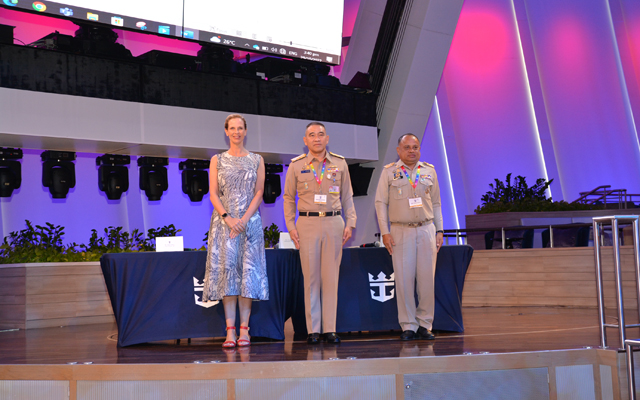
Cruise line Royal Caribbean celebrated the return of port call sailings in Phuket on October 30, with the popular Thai destination now offered on four- to seven-night cruises with Spectrum of the Seas.
Speaking at a commemorative event, Angie Stephen, vice president and managing director, Asia-Pacific, Royal Caribbean International, said: “Thailand is hugely popular with our guests from Singapore – its distinctive food, culture and welcoming locals have made the country a destination of choice for many, and we are thrilled to be able to visit Phuket again so travellers can fully experience the wonders and rich heritage of the Southeast Asian region.”
The celebratory event was attended by Cherngchai Chomcherngpat, commander-in-chief of the Royal Thai Navy and deputy director of Thai Maritime Enforcement Command Center, as well as Phuket governor Narong Wun Siew.
Stephen said the cruise line’s return to Phuket will uplift the local travel and tourism industries.
Royal Caribbean continues to work closely with governments in the Asia region to rebuild cruise tourism, with itineraries to Vietnam, China and Japan set to be offered in its 2023-24 sailings.
Meanwhile, Spectrum of the Seas has brought back its All Access Tour, which takes guests behind the scenes to show how the Royal Caribbean experience is brought to life. Conducted by the most senior officers onboard, participants can learn more about the technological side of cruising along with exciting fun facts through exclusive access to onboard facilities such as the navigational center of the ship.
Cebu Pacific debuts self-bag drop option for domestic travellers

Cebu Pacific has launched self-bag drop counters in its domestic operations, becoming the first local carrier to use the new technology in Clark International Airport.
Noel Manankil, CEO of the Luzon International Premiere Airport Development Corp., the consortium that operates and manages Clark International Airport, said in a press statement that the self-bag drop facility is one of the key features of the airport’s new terminal.
“We are happy that Cebu Pacific has now fully integrated the use of this contactless feature, bringing to fruition our promise of a seamless and hassle-free passenger journey here at (Clark International Airport),” said Manankil.
Cebu Pacific currently flies six times weekly between Clark and Cebu, and has intentions to ramp up the service to once daily by December 2022.
Lei Apostol, vice president for customer service operations at Cebu Pacific, said the enhancement reflects the airline’s readiness to cater to the anticipated influx of passengers from Clark.
“We believe this state-of-the-art contactless solution will make our services move faster and more efficiently in Clark,” said Apostol.
Accor, Avis extend partnership across Australia and New Zealand

An extended partnership between Accor and Avis will gift members of ALL – Accor Live Limitless loyalty programme reward points when they book Avis car rentals in Australia and New Zealand.
ALL members will now earn 125 reward points per rental day on rentals of up to six days, or 150 reward points per rental per day for rentals lasting more than seven days.
Wyndham upgrades loyalty rewards for the holiday season

 Wyndham Hotels and Resorts’ Wyndham Rewards programme is offering 20 per cent off hotel rates for stays between October 25, 2022 and February 28, 2023.
The discount applies to stays for two consecutive nights or more at participating hotels in Asia-Pacific.
Unravel the Gift of Holiday Fun offer also dishes out complimentary daily breakfast for two at any participating Wyndham Hotels & Resorts in China or a free room upgrade to the next tier at participating hotels in all other countries across Asia-Pacific.
In addition, members that book directly will earn additional 3,000 Wyndham Rewards bonus points.
Trip.com teams up with Queensland
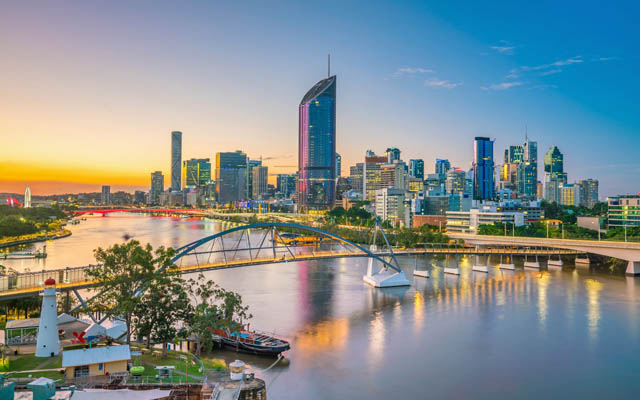
Trip.com Group, together with Tourism and Events Queensland (TEQ), has launched a promotional campaign targeting travellers from six major markets to experience A Beautiful Way to Be in Queensland.
Aimed at travellers in Australia, New Zealand, the UK, Japan, South Korea, and Singapore, the campaign will focus on two key tourist segments – couple getaways and family vacations.
A Beautiful Way to Be went live on October 25 and will run for a month. It is
TEQ’s first global campaign to launch in six international markets simultaneously.
Trip.com will host dedicated localised pages sharing all the wonders of Queensland, as well as hotel discount coupons for consumers when booking Queensland hotels on its platform.
According to Tourism Research Australia, Queensland welcomed 194,000 tourists around the 3Q2022, still below pre-pandemic levels but up by 542 per cent compared to the same time in 2021 following the loosening of exit and entry policies.
Trip.com’s data showed that searches for Queensland as a destination rose nearly 350 per cent from January to August 2022 compared to the same period last year, with the upward trend continuing.
Edison Chen, general manager, destination marketing, Trip.com Group, commented that this campaign “marks a great step forward for Trip.com Group’s growth in the region”.
Ant Group, STB deepen partnership to drive tourists to Singapore

Ant Group has expanded its partnership with Singapore Tourism Board (STB) to make cross-border travel to Singapore more seamless and convenient with the SingapoReimagine with Alipay+ campaign.
Having collaborated since 2019, both parties will drive tourism growth in Singapore through a series of digital and marketing initiatives over the next two years in key markets like Malaysia, the Philippines, South Korea, and Thailand.
To help Singapore businesses reach and engage a new pool of customers while increasing the visibility and awareness of Singapore’s tourism offerings, the joint campaign will also highlight exclusive offers to users of the six Alipay+ partner mobile wallets when they travel to Singapore.
The new mobile wallets accepted in Singapore are GCash from the Philippines, TrueMoney from Thailand, and AlipayHK from Hong Kong, adding to existing partners Kakao Pay from South Korea, Touch ’n Go eWallet from Malaysia and Alipay from Mainland China.
Travellers with these mobile wallets can easily and securely transact with local businesses across tourism and lifestyle industries that accept Alipay+.
In addition, Ant Group will progressively expand the Passion Made Possible Privileges, a mini programme co-branded with STB to serve tourists in Singapore – previously available only on Alipay – to other Alipay+ mobile wallets.
STB and Alipay+ will also pilot digital solutions with local businesses in areas such as digitalisation of service operations, digital marketing efficiency and enhancing customer experience.
STB chief executive Keith Tan said: “Singapore has seen strong travel demand from Asia since our reopening and we hope our joint initiatives can grow and sustain that demand.
“The next phase of our exciting partnership with Ant Group will also offer a seamless experience when travellers visit Singapore, build affinity for our destination, and drive the digitalisation of our tourism sector.”








Indonesia tourism villages are enjoying increased attention, as travellers are drawn to peaceful attractions, found a new Google trends report.
According to Google data, online searches for such villages in Indonesia rose by 68 per cent between September 2021 and August 2022 when contrasted against the same period in 2020/2021.
Vania Anindiar, industry analyst at Google Indonesia, explained: “There is an interest in tourist attractions that are quieter, more relaxed, more peaceful, and without too many famous tourist attractions. (Google) users are looking for is a place to hide.”
Google also found a spike in search words combining ‘yoga’ and ‘meditation’ with ‘tourism villages’, noted Anindiar.
This trend shows that efforts to develop and promote tourism villages by the Ministry of Tourism and Creative Economy (MoTCE) have paid off.
Sandiaga Uno, Indonesia’s minister of tourism and creative economy, said tourism villages have become a world trend, as they offer an authentic holiday experience in a relaxed and healthy environment.
The MoTCE recently held the 2022 Indonesian Tourism Village Award, which selected 50 best villages out of 3,416 participating villages throughout the country. The shortlist contains villages that offer varied tourist attractions, ranging from religious and culture to ecotourism and agro-tourism draws.
Some tourism villages told TTG Asia that there have indeed been busier and more rewarding days.
Rudi Riono, head of Bugisan’s Travel Awareness Group which manages the Bugisan Tourism Village of Klaten in Central Java, said both the number of visitors and revenue obtained by the surrounding community have grown by 20 per cent. Domestic arrivals to his village in 2021 totalled 18,818, but January to September 2022 brought far more – 52,522 domestic tourists and 1,009 from outside of Indonesia.
He said tourists had either booked through travel companies or directly with his village. Of those from travel companies, most were students and tourists from overseas, with some being locals.
Penglipuran Bali Tourism Village also reported a significant increase in arrivals. In 2021, the village welcomed 565 international visitors and 146,144 domestic visitors. As of September 2022, there were 29,294 international visitors and 374,472 from across Indonesia, shared I Wayan Sumiarsa, general manager of Penglipuran Bali Tourism Village.
He noted that travel agents were the key drivers of business, as 75 per cent of visitors came through that channel.