Sands China will launch its rebranded integrated resort, The Londoner Macao, with a grand celebration on May 25, with its global ambassador, British soccer icon David Beckham, in attendance.
The gala event will also see Sands China renew its commitment to Macau through a new 10-year gaming concession.
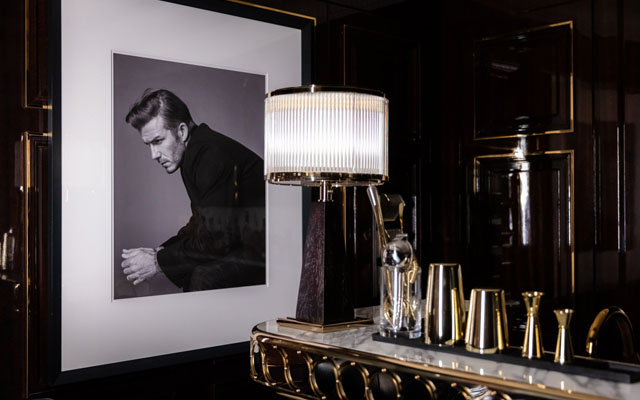
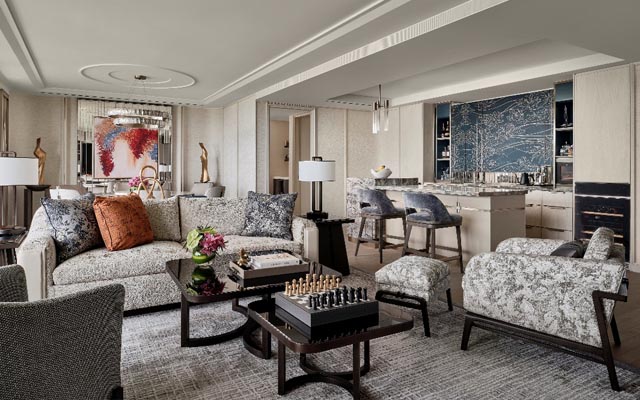
The top two floors of The Londoner Hotel are the Suites by David Beckham, Macau’s first celebrity-designed suites
The Londoner Macao comprises five hotels – including its flagship The Londoner Hotel. Formerly known as Sands Cotai Central, the integrated resort has been undergoing a rebranding process since 2021.
With refurbishments and additions costing approximately US$2 billion, the integrated resort’s hotels will offer nearly 6,000 rooms in total, over 20 dining options, boutiques from 150 world-renowned brands, 34,300m² of meeting and convention space, including the new 6,000-seat The Londoner Arena, and the 1,700-seat The Londoner Theatre, ideal for long-running shows and medium-sized performances.
Wilfred Wong, president of Sands China, commented: “We feel so proud to be able to finally celebrate The Londoner Macao, one of the most ambitious hospitality projects in Macau to date, and welcome guests from all over the world to experience this truly one-of-a-kind property.”
He added that the resort would “delight visitors with its large-scale reproductions, surprising experiences, spectacular dining and incredible attention to detail”.
Located on the top two floors of The Londoner Hotel are 14 invitation-only Suites by David Beckham, Macau’s first celebrity-designed suites, where the Be My Guest programme lets visitors enjoy exclusive lifestyle experiences such as enjoying Beckham’s favourite dishes and his handpicked cigars, whiskeys and cocktails at select restaurants.
Guests staying at The Londoner Hotel will also enjoy exclusive access to The Residence, a private club with themed rooms inspired by historic British figures, royalty and the arts and serves a premium F&B programme.
In addition, this summer will see popular restaurants, Gordon Ramsay Pub & Grill and The Mews, joining The Londoner Macao, a destination for gourmet experiences and home to several award-winning restaurants.
Singapore integrated resort Marina Bay Sands (MBS) has completed renovations of more than 850 hotel rooms and suites as part of a wider property renewal journey.
These refreshed accommodation are located across Towers One and Two.
Marina Bay Sands celebrates 13 years with refreshed accommodation and new offerings
Paul Town, chief operating officer of MBS, said: “The transformation doesn’t just stop at our new rooms, as this is only the beginning. Over the next few years, guests will witness luxury at every corner of our property – from the arrival experience at the lobby to new concepts on Sands SkyPark.”
The hotel renewal will see more suites being created at MBS within Towers One and Two to cater to rising demand for luxury travel. Once completed by end of the year, renewal works will continue into Tower Three, the lobby and Sands SkyPark, as well as a revamped Executive Club lounge, new premium fine dining options, and health and wellness offerings.
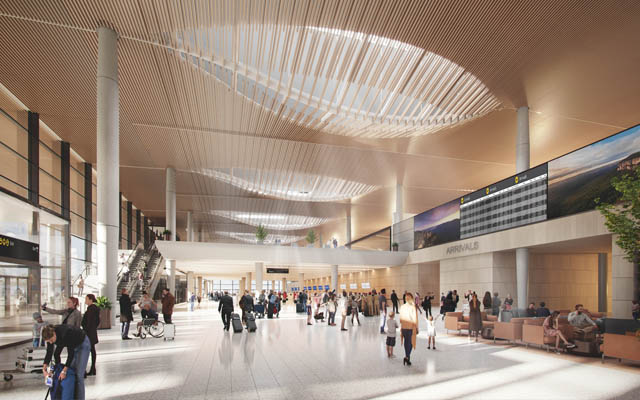
In preparation for its scheduled opening in late 2026, Western Sydney International Airport (WSI) has chosen Amadeus as its strategic airport systems technology partner to co-create the digital passenger experience of the future.
Designed from the ground up with operational efficiency as a priority, WSI will leverage on Amadeus’ designed systems to manage a range of assets and touchpoints across the airport to provide a seamless experience for passengers, including flight data, check-in facilitation, aircraft stands and gates, as well as bag-drop, boarding and biometrics services.
Amadeus will provide technology solutions for Western Sydney International Airport
For instance, Amadeus Flow, a cloud-based integration solution to manage passenger end-to-end services, combined with Amadeus’ self-service hardware, will enable passengers to reliably check in and drop bags in a matter of minutes.
Amadeus’ complete Airport Management Suite will also be rolled out to manage core flight data, provide a common situational awareness to all stakeholders and allocate resources like check-in counters and gates.
Simon Hickey, CEO, Western Australia International Airport, said: “Having a strategic airport systems partner to drive operational efficiency and customer experience with us gives WSI a clear advantage. Amadeus provides us with decades of experience combined with a common goal of advancing the digital experience that our customers expect.”
Sarah Samuel, senior vice president, airport & airline operations, APAC, Amadeus, added: “WSI provides much needed aviation capacity to the Sydney market, and it will be exciting to see the impact of fully integrated systems for passengers flying from this new global gateway. Our self-service capabilities will support the airport’s goals to deliver an efficient and seamless experience for passengers.”
i Light Singapore will transform Marina Bay into a visual playground replete with new immersive light art installations and programmes when it returns this June.
Themed A New Wave, this year’s festival will expand to two new locations – South Beach and Millenia Walk. It will feature creative light art installations and interactive programmes to inspire festival goers to contribute to a more sustainable future.
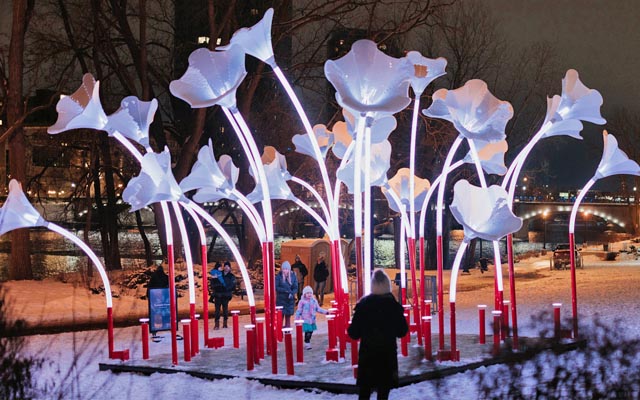
Whimsical artwork Trumpet Flowers at Clifford Square surrounds visitors with towering flower sculptures
One highlight is Glacier Dreams, a large-scale projection on the façade of ArtScience Museum at Marina Bay Sands which transforms visual data on the world’s glaciers into Artificial Intelligence (AI)-based multi-sensory narratives to raise awareness of rising sea levels and climate change.
Another is Trumpet Flowers, a whimsical artwork that surrounds visitors with towering flower sculptures ranging from two to six metres tall, and inviting them to play with interactive keys to compose a unique sound and light show inspired by their emotions.
Next, Singaporean collective Plug & Play invites visitors to dance and let loose in front of Block Party, an interactive installation where gardens bloom spontaneously over the facades of Singapore’s familiar public housing blocks in response to movement.
Other experiences visitors can look out for include a new immersive light experience that shows a future where rising sea levels have submerged humans in an underwater world, a simulated ocean floor adorned with “seaweed” and “corals” that are upcycled from single-use plastics, and the Prism installation that transforms from a natural light shaft in the day to a beacon of artificial lighting at night.
In addition to the light art installations, visitors can participate in meaningful initiatives to learn more about green practices and do their part to build a sustainable future.
i Light Singapore 2023 will be held from June 1 to 25 with two daily shows. Admission is free, while charges apply for certain programmes.
Australian Tourism Exchange 2023 (ATE23) has returned to its traditional four-day format, after two years of condensed hybrid events, and is taking place at the Gold Coast Convention and Exhibition Centre from April 30 to May 4.
The 43rd edition of the Australian tourism industry’s largest annual B2B event – comprising scheduled business appointments and networking events – is expected to welcome around 1,500 sellers and 650 buyers from over 30 countries.
Harrison: ramped up activities to rebuild travel to Australia from key markets overseas
Phillipa Harrison, managing director of Tourism Australia, told TTG Asia: “With the return of international travel, our focus is on providing the inspiration for travellers in Asia to book and travel to Australia for their next holiday. As aviation capacity steadily returns towards 2019 levels, we want to ensure that Australia is at the top of the list of places to visit for our target travellers across key markets in Asia.”
ATE23 also provides international buyers with the opportunity to experience Australia’s tourism offerings first-hand through pre- and post-event fam trips, which Harrison pointed out is “important” in giving them a “first-hand experience of the destination”.
When asked if the broader tourism strategy also includes domestic travellers, Harrison shared that domestic travel spend is now back to pre-pandemic, and as such has “eased off on our domestic focus and really ramped up our activities to rebuild travel to Australia from our key markets overseas”.
She acknowledged that the domestic market played an important role in helping Australia’s tourism industry prepare to welcome returning international visitors “by booking and engaging in a range of tourism experiences and attractions”.
Other global marketing efforts include the Come and Say G’day campaign launched in October last year, which continues to “build momentum”.
The further easing of pandemic measures in China, Harrison added, is positive news for the industry.
“Mid-way through this year, we also have plans to launch our Come and Say G’day campaign in China, while leveraging Australia’s hosting of the 2023 FIFA Women’s World Cup (to draw in even more visitors),” she indicated.
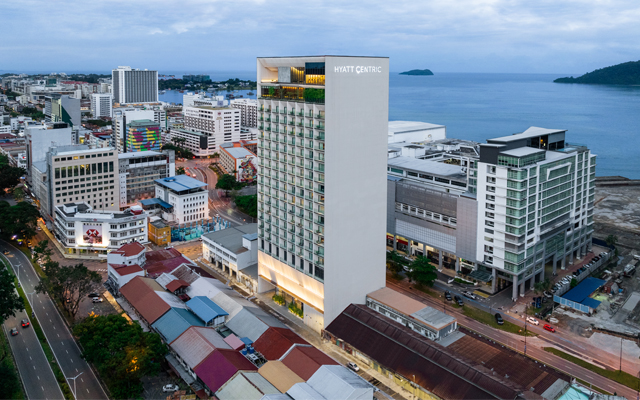
Hyatt Hotels Corporation’s opening of Hyatt Centric Kota Kinabalu late last year marks the debut of Hyatt’s rapidly growing lifestyle brand in Malaysia and South-east Asia.
Ruben Schrijver, general manager, said: “An exciting addition and reflection of the Hyatt Centric brand that is young and vibrant, Hyatt Centric Kota Kinabalu strives to engage the local community through meaningful activities that support design, arts, sustainability and local culture, in line with our brand values. For example, we wanted to provide a journey of discovery for our guests through the hotel’s unique interior spaces and art pieces, where they can discover and further explore the rich, natural and cultural heritage that Sabah is famous for.”
Hotel highlights
1 of 6
Hyatt Centric Kota Kinabalu houses stylish guestrooms, including 16 spacious suites
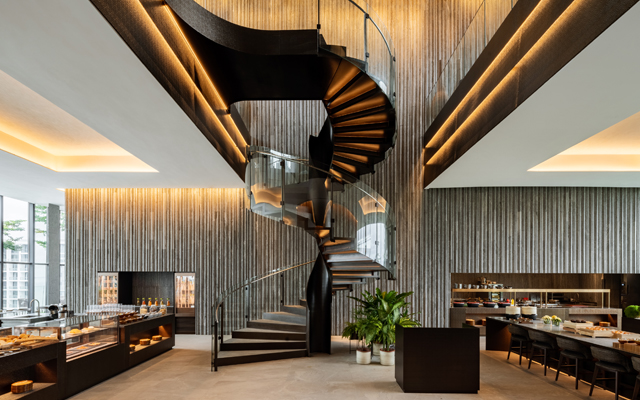
Connecting ON22 restaurant to ON23 rooftop bar is a curved centrepiece staircase
Guests who wish to keep up with their wellness routine on the road can utilise the infinity rooftop pool on level 23
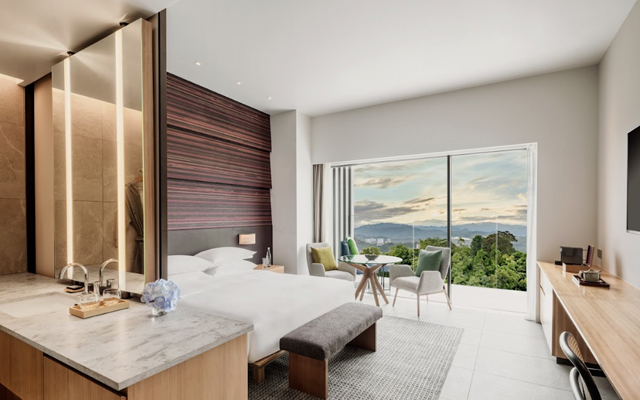
Guestrooms feature floor-to-ceiling windows and a private balcony complete with outdoor furniture, as well as scenic views
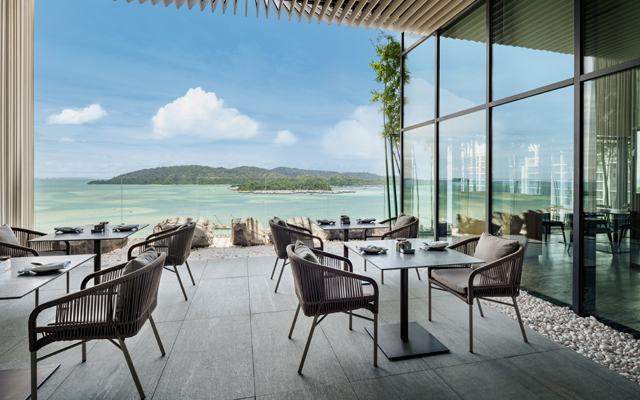
ON22 restaurant provides outdoor patio seating
The 23-story hotel offers sweeping views of Signal Hill, the islands at Tunku Abdul Rahman Marine Park and the South China Sea
Celebrating design, arts, sustainability and local culture The 222-key hotel’s contemporary, inviting architecture and interiors by globally renowned Japanese architect Kengo Kuma reflect the heritage of Sabah.
The nature-inspired concept is designed with two natural elements of Sabah topography in mind with a mix of lush green forests and the rocky mountains, paying homage to Mount Kinabalu, Borneo’s highest mountain.
Using tree as the primary design metaphor, Kuma creatively applies its elements throughout the hotel’s different spaces – the open hotel lobby represents the roots of the tree with dense lower greenery, while the hotel guest room floors depict the vertical lines of a tree trunk, and the rooftop area serves as the crown offering unobstructed views of Signal Hill, the islands at Tunku Abdul Rahman Marine Park and the South China Sea.
Guests can also marvel at the work of art by Agnes Lau featuring ceramics on wood panels at the lift lobby on guestroom floors, and abstract wall images representing Mount Kinabalu, designed by Regev Amrani.
Besides, Hyatt Centric Kota Kinabalu took a bold step by partnering with well-known local designer, Melinda Looi, to come up with a striking and fun design for the hotel staff uniforms, paired with vibrant accessories from Happy Plastics Borneo made of upcycled plastic materials to promote sustainable fashion.
The sustainability front also saw the hotel embarking on ambitious plans to advance eco-friendly activations through its operations and it has already been awarded the Silver certification by GreenRE for green building excellence.
For example, the hotel adopts new LED light bulbs for all lighting and energy keycards for rooms, integrating room lighting and air conditioning. The shower, faucet and wall closet water tank usage also adheres to GreenRE requirements.
For the active wanderers and the curious travellers who seek authentic local experiences, the hotel provides guided street art tours to explore the hidden gems of the neighbourhood.
Curated by a resident of Kota Kinabalu, travellers and local guests can listen to the real stories and inspiration behind a collection of iconic works of street art through the 60-minute walking tour.
Attractions at close proximity Steps away from shopping hotspots, local kopitiam delights and the Jesselton Point Ferry Terminal, leisure travellers can take a short 20-minute boat trip to surrounding islands to enjoy white sandy beaches and underwater activities.
With Kota Kinabalu International Airport a 15-minute drive from the hotel, Hyatt Centric Kota Kinabalu is conveniently located for business travellers too with its close proximity to Sabah International Convention Centre, as well as a sports complex and university.
Pre- and post-meeting activities are aplenty for bleisure guests with Borneo famed for its unique wildlife, rainforest retreats and national parks.
Stylish, well-equipped guestrooms Hyatt Centric Kota Kinabalu features stylish guestrooms, including 16 spacious suites, with floor-to-ceiling windows and a private balcony complete with outdoor furniture, as well as views of the bustling city and lush green hills.
Accessible via a digital key in the World of Hyatt mobile app, the guestrooms offer thoughtful amenities for leisure and business travellers alike – from oversized ergonomic workspaces and large 55-inch television where guests can stream their favourite media through a casting system, to socially conscious bath amenities.
Attractive lifestyle offerings Collectively, ON22 restaurant and ON23 bar form the duplex dining destination, immersing guests in vibrant Asian flavours and creative beverages alongside mesmerising views from day to night.
Featuring indoor and outdoor patio seating, complete with a live kitchen, ON22’s “Dining in the Gardens” theme features three distinct spaces – Sea-Forest, Wood Garden and Dry Garden – paying tribute to Mount Kinabalu.
Connecting ON22 restaurant to ON23 rooftop bar is a curved centrepiece staircase leading guests to a light-filled ambience where they can enjoy the lounge amid modern furnishings with wood finishes and granite.
A perfect spot at sundown to take in the panoramic island sunset, ON23’s welcoming and fun atmosphere is ideal for after-work drinks, as well as daytime relaxation where guests can indulge in craft cocktails and ciders alongside shared plates and snacks.
The Lounge in the lobby is another inviting social space for travellers to enjoy quick bites and beverages, and is home to a pop-up artisan corner.
Guests who wish to keep up with their wellness routine on the road can also make use of the fitness centre or head to the infinity rooftop pool on level 23.
Versatile event spaces The hotel houses 293 m2 of versatile function space with seven meeting rooms conveniently located on the third floor.
Each meeting room comes with balconies, floor-to-ceiling windows, state-of-the-art audio visual equipment for in-person seminars, as well as hybrid meetings and intimate social events.
Ready to explore the Land Below The Wind? Discover Hyatt Centric Kota Kinabalu’s exciting room packages such as its Suite Delight and Hyatt Centric Experience stay offers here.
World of Hyatt members can look forward to an additional 5 per cent off for stays.
Wyndham Hotels & Resorts (Wyndham) recently expanded into two new cities with its hotels and is in the midst of building its first-of-its-kind superyacht resort.
The world’s largest hotel franchising company currently has about 9,100 hotels across over 95 countries for its portfolio of 24 hotel brands.
In Asia-Pacific, Wyndham operates more than 1,600 hotels in about 20 markets and territories.
Launch of Wyndham Alltra – an all-inclusive resort brand in Asia-Pacific
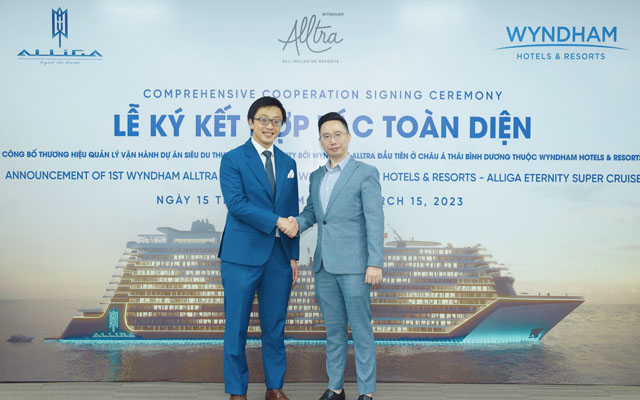
Wyndham is partnering pioneering Vietnamese private yacht manufacturer, Alliga Eternity Company Limited (Alliga), to debut the first Wyndham Alltra in the region.
Wyndham teams up with Alliga Eternity Company Limited to debut the first Wyndham Alltra in Asia
Scheduled to welcome guests in June 2026, the first-of-its-kind concept will see Wyndham Alltra Cat Ba built on a superyacht of 300 cabins, docked in the sea off Cat Ba Island of Vietnam’s Halong Bay.
Featuring eight F&B outlets, various meeting rooms, swimming pool and gym, guests – leisure or business alike – can enjoy unique sparkling views of Halong Bay and a family-friendly itinerary onboard the stationary yacht.
Catering to the fast growing demand for all-inclusive resort experiences, Wyndham Alltra offers upscale services, amenities, and activities with an expressive local flavour at exceptional value.
In line with its focus on Vietnam as a strategic market, Wyndham will explore opportunities to deliver additional properties signed as franchisees of the Wyndham Alltra brand over the next few years. Alliga is already planning to build a second superyacht resort in Nha Trang, central coastal city of Vietnam, signifying its trust and confidence in Wyndham.
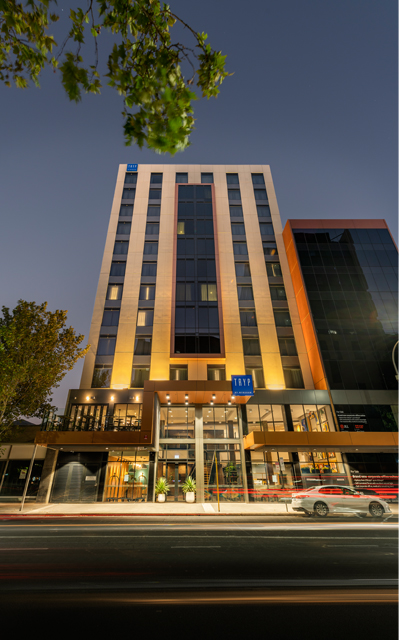
Inroads into Australasia The opening of TRYP by Wyndham Pulteney Street Adelaide marks the re-entry of the TRYP by Wyndham brand in Australia, with Wyndham’s presence now across all states in Australia.
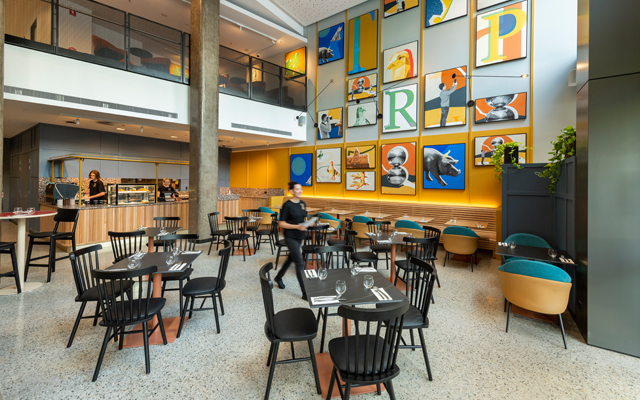
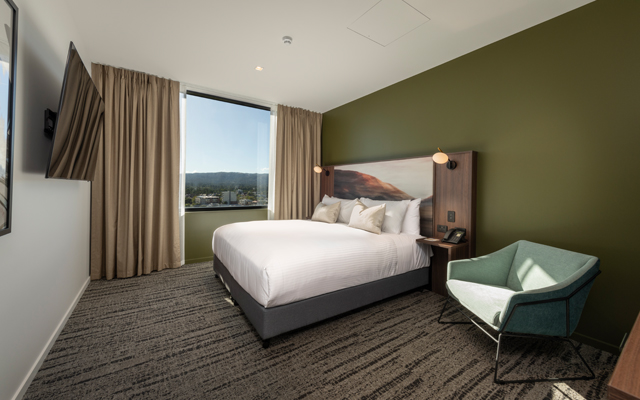
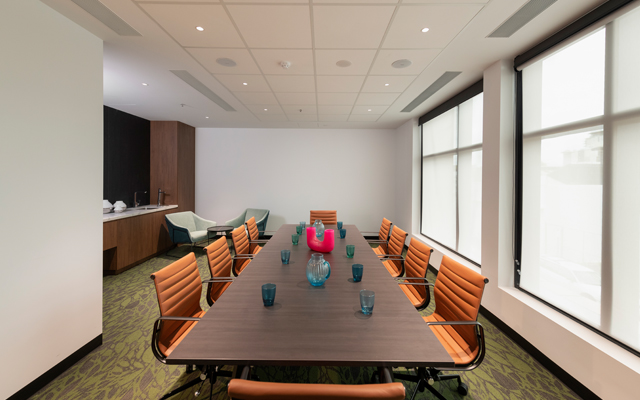
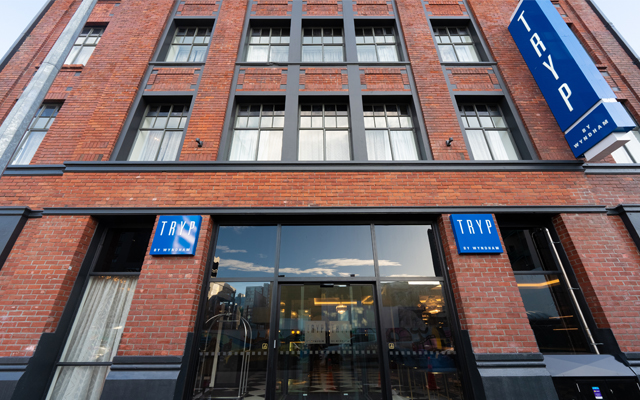
TRYP by Wyndham Pulteney Street Adelaide
1 of 4
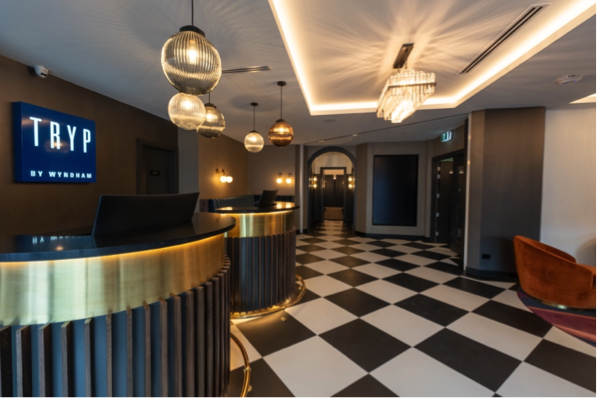
The hotel boasts a contemporary, edgy interior
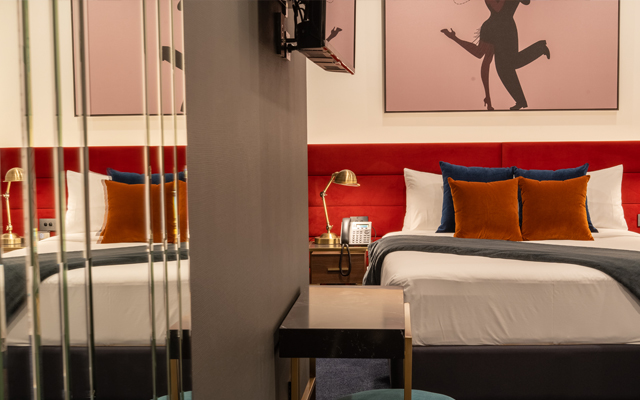
The 120 rooms are tastefully furnished
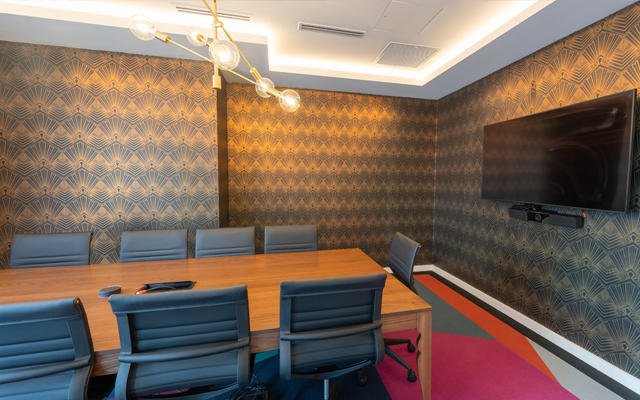
Meeting rooms are part of the hotel amenities
The hotel showcases the traditional energy of the city through modern furnishings and architecture
Opening its doors in March 2023, TRYP by Wyndham Pulteney Street Adelaide features a contemporary, edgy interior and showcases the traditional energy of the city through modern furnishings and architecture.
Located in the heart of the CBD, the 120-key hotel is within walking distance of multicultural restaurants, buzzing bars, decorated laneways and boutique shopping at Adelaide Central Market and Rundle Mall.
A short drive from Adelaide Airport, the non-smoking hotel is also minutes away from football and cricket matches at Adelaide Oval, the picturesque Glenelg Beach and gaming at SkyCity Adelaide.
“Through our introduction of the brand, we aim to bring out the vibrant urban lifestyle with the brand’s stylish designs and tailored experiences to enable guests from all over the world to experience the region like a local,” said Matt Holmes, vice president of development, South-east Asia and Pacific Rim, Wyndham.
TRYP by Wyndham Wellington, Tory Street
1 of 4
It houses 77 well-equipped rooms
The hotel is located within a 1920s deco-themed building
The executive boardroom offers an event venue option
The rooms come with spacious bathrooms
Launched in January 2023, TRYP by Wyndham Wellington, Tory Street is the first TRYP hotel in the South Pacific region, signifying the brand’s foray into not only New Zealand but in the wider South Pacific.
This is the 11th hotel developed by Safari Group and also the 4th hotel that Safari Hotels directly manages with Wyndham.
Located within a 1920s deco-themed building reminiscent of old Chicago, the hotel captures the history and energy of old Wellington city through modern furnishings and fixtures.
The 77 guestrooms are complemented by an executive boardroom and the TRYP Social Lounge which serves complimentary daily breakfast and all-day snacks and drinks.
Ideally located at the bottom of Tory Street in the heart of the CBD, guests have a plethora of nearby attractions at their doorstep, including restaurants, bars, shopping and entertainment outlets, Te Papa Museum and soon-to-be-opened Tākina Convention Centre.
Ben Schumacher, vice president of operations, South-east Asia and Pacific Rim, Wyndham, summed it up: “The entry of the TRYP brand into the region is a significant milestone for us at Wyndham and testament to the focus on our strategic presence within the Australasian market. The revival of the travel industry is underway in Asia-Pacific and beyond. We will continue to build upon our strong portfolio of brands with a pipeline of exciting openings in the remaining year, staying true to our mission of making hotel travel possible for all.”
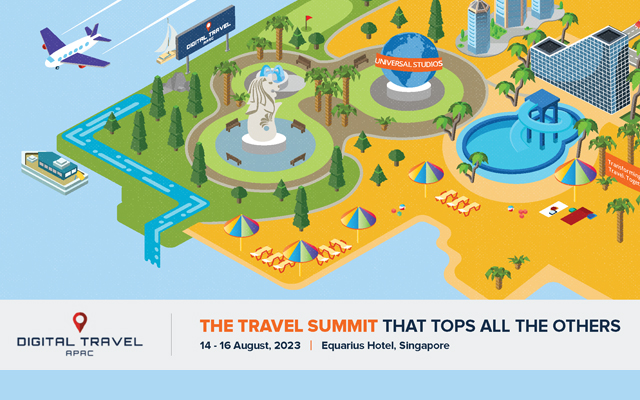
The Digital Travel APAC Summit, the networking conference for digital leaders from Asia’s top airlines, hotels and OTAs will take place from August 15 – 16, 2023 at the Equarius Hotel Sentosa in Singapore.
The summit will bring together over 300 travel industry professionals, including senior executives and entrepreneurs, for two days of peer-led high-level discussions and networking.
Serving the travel community of Asia for eight years now, the conference brand distinguishes itself in the industry with its core focus being peer-to-peer networking and learning.
This year, a refreshed speaker line-up from leading regional and international brands will lead its discussions in multiple formats, including keynote presentations, panel discussions and interactive workshops.
“We are thrilled to bring together such a distinguished group of industry leaders for the Digital Travel Summit APAC,” said Gladys Caligagan, conference director, WBR Singapore.
“As the travel industry continues to evolve at a rapid pace, it is crucial for professionals to stay up-to-date with the latest trends and innovations. We believe that summits like Digital Travel will provide a valuable platform for attendees to connect, learn, and grow their businesses.”
For Digital Travel APAC 2023, about 60 travel leaders will lead discussions and offer insights on these key topics:
Rising through reopening borders, change & uncertainty
Achieving growth during disruption
Seamlessly connecting the customised trip
Scaling tech-led brand & business expansion
Accelerating market opportunities
Responding to the revitalised traveller
In addition to the conference sessions, the Digital Travel Summit APAC will also feature an exhibition hall showcasing the latest products and services from leading travel technology providers.
Digital Travel APAC 2023 is organised by WBR Singapore, an extension of Worldwide Business Research (WBR), an events service focused on running industry-leading conferences and summits worldwide.
Keen to attend Digital Travel APAC 2023? Find out more about the event’s exciting line-up here
Get tickets here
Sponsors & Partnership Sponsorship and partnership opportunities are open and available. For more information, please contact sgwbrinfo@wbresearch.com
Hong Kong and Macau will welcome an influx of mainland Chinese travellers this May Day holidays from April 29 to May 4 – the first massive wave since all travel restrictions on the Chinese were lifted in February this year.
According to Hong Kong’s Immigration Department, some 4.61 million travellers are expected to pass through Hong Kong’s sea, land and air control points during this period.
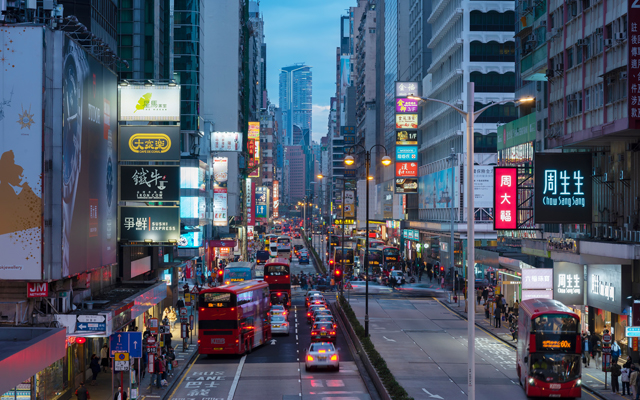
Hong Kong (pictured) and Macau will see a surge in mainland Chinese arrivals over the upcoming May Day holidays
Tourism players in the destination told TTG Asia that they been preparing for this travel surge.
Luc Bollen, general manager of The Park Lane Hong Kong, a Pullman Hotel, said his team has implemented contactless technology to improve overall efficiency and guest experience. This includes check-in robots in the lobby, and an online booking system that allows guests to book their stays and make F&B reservations.
Bollen said his property has been able to avoid the current widespread labour shortage by retaining all staff during the challenging years and implementing various employee-focused initiatives such as employee wellness programme, on-the-job training, education sponsorships and collaboration with several hotel management universities in Hong Kong to provide scholarships, internships and career talks aimed at talents aspiring to join the hotel industry.
Kam Wai Travel, director, Frankie Lam, has also been able to rebuild his manpower to 90 per cent of pre-pandemic levels.
Hotel Alexandra’s general manager, Christina Cheng, said her team is able to “cope with the business pick-up”, and that every staff member will have to “work harder” while recruitment continues.
“We are also training colleagues to multi-task and help out departments that are very busy. We continue to conduct cross-department trainings and offer flexible duty hours,” Cheng said.
When asked if the May Day travel rebound and busy days will translate to healthy profits, Kam Wai Travel’s Lam said: “Profit margin is narrow given intense competition from the OTAs. Therefore, I do not think we can turn business from loss to profit this year. It would take us two to three years to make up for the loss incurred during the three pandemic years.”
Lam also noted that the travel surge is driven by FITs, a segment that is outperforming group tours. Furthermore, groups are now made up mostly of small-sized families.
Over in Macau, the May Day holidays are expected to catalyse travel recovery.
According to Kris Kaminsky, senior vice president of hotel operations at Sands China, the destination is already “on the track of accelerated recovery underpinned by various favourable measures and tourism promotion campaigns”.
“More encouragingly, the Macau government has recently announced that it will no longer restrict the number of land border crossings between Macau and Zhuhai (on the mainland) to a single round-trip per day starting May 1, 2023,” he added.
CTS (Macao), travel department sales and marketing manager, Pun Cheng Man, observed that demand is strong from both FITs and group tours. Previously, group tours would dominate.
She explained that as the FIT segment is driving up hotel rates, group tours are finding it more expensive to visit Macau during the May Day holidays.
While Pun welcomes busy days, she said that earnings are only 70 per cent of pre-pandemic levels due to escalating costs of tourism products and operations.
Editor’s note: The Park Lane Hong Kong, a Pullman Hotel was incorrectly labelled as The Park Land in the original post. This has been corrected.



 The online news bulletin will resume on Tuesday, May 2, 2023.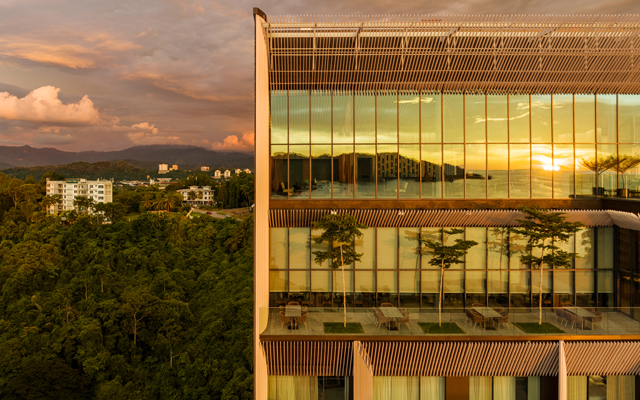











Hong Kong and Macau will welcome an influx of mainland Chinese travellers this May Day holidays from April 29 to May 4 – the first massive wave since all travel restrictions on the Chinese were lifted in February this year.
According to Hong Kong’s Immigration Department, some 4.61 million travellers are expected to pass through Hong Kong’s sea, land and air control points during this period.
Tourism players in the destination told TTG Asia that they been preparing for this travel surge.
Luc Bollen, general manager of The Park Lane Hong Kong, a Pullman Hotel, said his team has implemented contactless technology to improve overall efficiency and guest experience. This includes check-in robots in the lobby, and an online booking system that allows guests to book their stays and make F&B reservations.
Bollen said his property has been able to avoid the current widespread labour shortage by retaining all staff during the challenging years and implementing various employee-focused initiatives such as employee wellness programme, on-the-job training, education sponsorships and collaboration with several hotel management universities in Hong Kong to provide scholarships, internships and career talks aimed at talents aspiring to join the hotel industry.
Kam Wai Travel, director, Frankie Lam, has also been able to rebuild his manpower to 90 per cent of pre-pandemic levels.
Hotel Alexandra’s general manager, Christina Cheng, said her team is able to “cope with the business pick-up”, and that every staff member will have to “work harder” while recruitment continues.
“We are also training colleagues to multi-task and help out departments that are very busy. We continue to conduct cross-department trainings and offer flexible duty hours,” Cheng said.
When asked if the May Day travel rebound and busy days will translate to healthy profits, Kam Wai Travel’s Lam said: “Profit margin is narrow given intense competition from the OTAs. Therefore, I do not think we can turn business from loss to profit this year. It would take us two to three years to make up for the loss incurred during the three pandemic years.”
Lam also noted that the travel surge is driven by FITs, a segment that is outperforming group tours. Furthermore, groups are now made up mostly of small-sized families.
Over in Macau, the May Day holidays are expected to catalyse travel recovery.
According to Kris Kaminsky, senior vice president of hotel operations at Sands China, the destination is already “on the track of accelerated recovery underpinned by various favourable measures and tourism promotion campaigns”.
“More encouragingly, the Macau government has recently announced that it will no longer restrict the number of land border crossings between Macau and Zhuhai (on the mainland) to a single round-trip per day starting May 1, 2023,” he added.
CTS (Macao), travel department sales and marketing manager, Pun Cheng Man, observed that demand is strong from both FITs and group tours. Previously, group tours would dominate.
She explained that as the FIT segment is driving up hotel rates, group tours are finding it more expensive to visit Macau during the May Day holidays.
While Pun welcomes busy days, she said that earnings are only 70 per cent of pre-pandemic levels due to escalating costs of tourism products and operations.
Editor’s note: The Park Lane Hong Kong, a Pullman Hotel was incorrectly labelled as The Park Land in the original post. This has been corrected.