Floral Princess, one of the most famous Cantonese operas of all time, will celebrate 65 years with its debut in Macau from July 28 to 30 for three performances only.
The 65th Anniversary remake is created by Utopia Cantonese Opera Workshop, and will be held at the Venetian Theatre in The Venetian Macao.
Floral Princess debuts in Macau for its 65th anniversary at The Venetian Macao
This special edition of Floral Princess will pay tribute to the invincible trio in Canto-opera, namely Yam Kim Fai, Pak Suet Sin and Tong Tik Sang. The lead roles of Floral Princess and Consort Chow will be played by a different mix of trans-generational actors in each performance. The show will go beyond tradition, fusing art and technology – designs of grand mobile stage, projections, lighting, rearranged music and tailor-made Harmonic Canto-opera Audio.
Tickets will go on sale from June 9 at all Cotai Ticketing box offices. Prices start from HK$280 (US$35), with VIP tickets selling at HK$880.
Show times for Floral Princess will be at 19.30 for July 28 and 29, and 15.00 for July 30.
La Vie Hotels & Resorts is bolstering its teams across Australia, Sri Lanka and Thailand, with the following appointments.
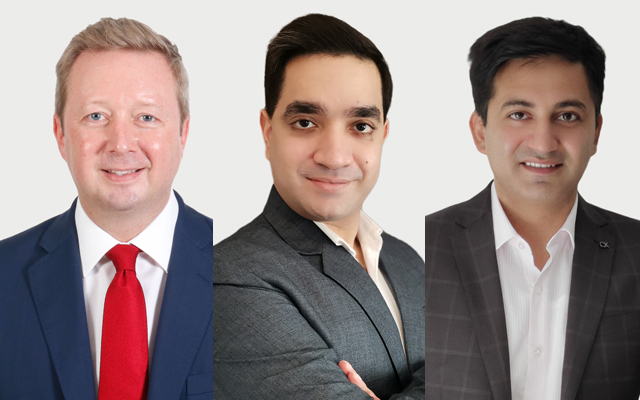
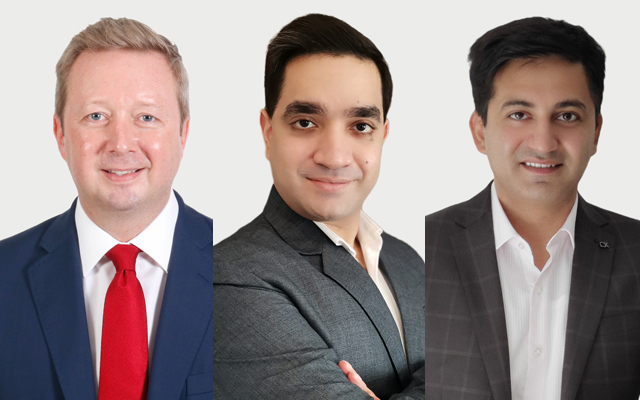
Alan Christie is the new area general manager in Sri Lanka and will drive the strategic performance of the group’s three Radisson properties in the country.
From left: Alan Christie, Suthiroj Sathitpornkitti, and Abhey Sachdeva
As the new director of growth and business development, South and South East Asia, Suthiroj Sathitpornkitti (Chris) will be based in Bangkok and will focus on expanding La Vie Hotels & Resorts portfolio across the region.
In Sydney, Abhey Sachdeva takes on the role of business development manager, Australia, and will drive sales performance for hotels within the Australian shared services portfolio.
Other appointments in the Australian team include Andrew Marin as group manager of sales, Justin Furkhan as business support manager, and Catriona McKay as group manager revenue and distribution.
Armed with new and enhanced tourist infrastructure as well as improved accessibility, Lantau Island is now recognised as an attractive “double gateway” that connects Hong Kong with Greater Bay Area (GBA) and other parts of the world via the Hong Kong-Zhuhai Macao Bridge and Hong Kong International Airport (HKIA).
HKIA commenced aircraft take-off and landing operations on its third runway in July 2022, while remaining enhancement works on the aviation facility is pressing ahead. HKIA is due to get a reconfigured central runway, expanded Terminal 2 and a new concourse, updated automated people-mover system, and high-speed baggage handling system.
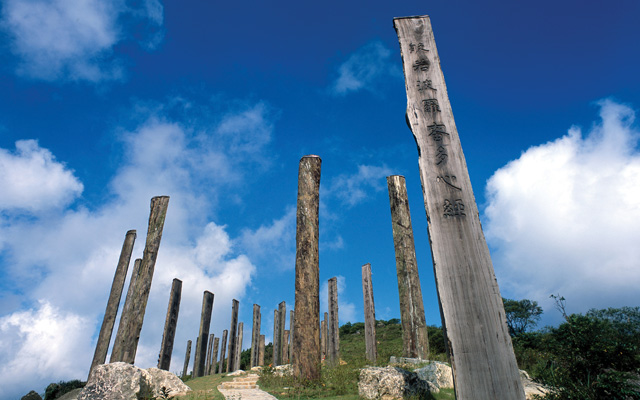
Wisdom Path at the foot of Lantau Peak
The ultimate goal is to complete HKIA’s three-runway system by 2024, since work first started in August 2016.
The airport opened its Sky Bridge – a 200m-long and 20m-width footbridge equipped with escalators and automated walkway – last November, enabling airport users to cover Terminal 1 (T1) to T1 Satellite Concourse on foot.
The Sky Bridge is also an architectural magnet – it is the world’s longest airside bridge that allows the largest passenger aircraft, like the A380, to pass under. Featuring panoramic views, the Sky Bridge has become a prime viewing spot for passengers. An observation deck, catering outlet and shop will soon open in phases.
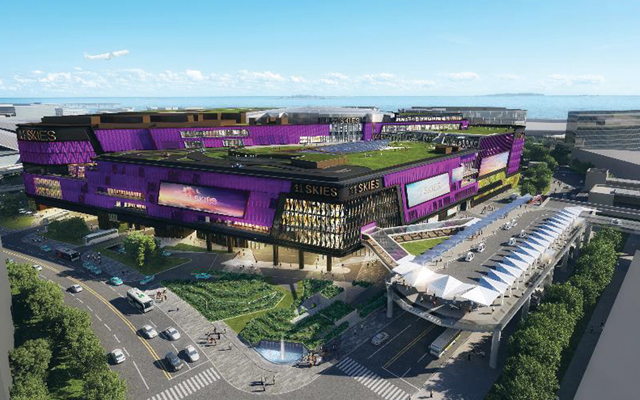
The vicinity of HKIA has also been enhanced with the progressive opening of 11 SKIES next door. This landmark, when completed in 2025, will be home to over 800 shops, including more than 120 dining concepts, and Hong Kong’s largest indoor entertainment hub that will host world-class entertainment attractions never seen before in the region.
Hong Kong International Airport
11 SKIES is also meant to integrate workplaces for GBA enterprises, with a focus on wealth management, wellness and medical services.
There is development on the hotel front too. After welcoming the 206-room Silveri Hong Kong-MGallery last summer, Tung Chung, on the north-western coast of Lantau Island, has its hotel inventory expanded further with the opening of the 1,208-key Regala Skycity Hotel early this year.
Owned and operated by Regal Hotels International, this new hotel is directly connected to AsiaWorld-Expo and 11 SKIES via an enclosed footbridge, making it an ideal accommodation option for both leisure and business travellers.
Regala Skycity Hotel packs in five game rooms, cabana rooms with patios available for private hiring, and a landscaped rooftop Sky Deck that offers panoramic views of Lantau Island. For fitness buffs, the hotel charms with a jogging track and organic farm.
Hong Kong’s largest island has also raised its fun quotient, with its most notable attraction – Hong Kong Disneyland Resort (HKDL) – launching fresh draws.
HKDL has unveiled a reimagined Castle of Magical Dreams, home to a fully-refreshed Follow Your Dreams daytime musical stage show and the all-new night-time spectacular, Momentous. Its activity calendar for 2023 is packed with immersive experiences, such as StellaLou’s Wonderful Wishes Ballet in April; a series of Heroic Encounters with Marvel Super Heroes in May; Disney Halloween Time with Disney Villains November to December; and A Disney Christmas special to round up the year.
Artist’s impression of the completed 11 SKIES
Furthermore, a number of world’s firsts will come to HKDL – The World of Frozen will open in 2H2023 and Walt Disney and Mickey Mouse Statue-Dream Makers in October 2023.
Commenting on Lantau Island’s various developments, HKDL director of sales for Hong Kong and international, Eva Lau, told TTG Asia that travellers would be encouraged to stay on longer in the destination. More travellers from around the world would also have a reason to explore Hong Kong.
“In the long run, these (developments) will definitely enhance the overall appeal of Hong Kong as a tourist destination, attracting more tourists to Hong Kong Disneyland, Lantau and Hong Kong,” Lau added.
Renee Kim, general manager of Regal Hotels International, said the developments play a crucial role in contributing to the success of Lantau Island as a tourism central, especially with the opening of 11 SKIES, which she expects will attract more travellers from the GBA.
She said: “(Lantau Island) has changed a lot in the past decade. With all the natural scenery, history and culture, plenty of famous attractions as well as new developments coming on line in the near future, I believe that this area will become one of the most popular destinations for tourists who visit Hong Kong.”
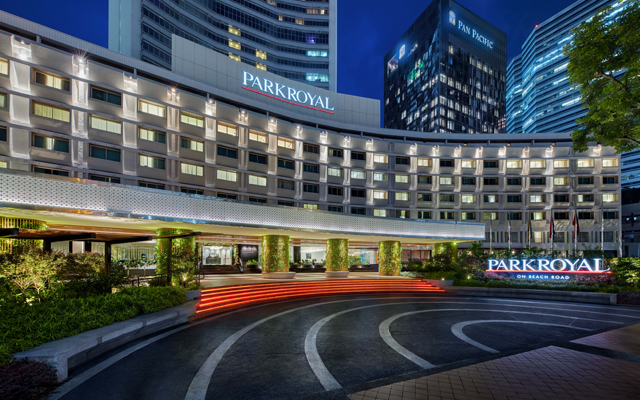
Strategically located in the culturally rich precinct of Kampong Gelam, PARKROYAL on Beach Road began life in 1971 and continues to stand out today with its distinctive city fringe address that offers close proximity to a mixture of vibrant cultures which provide unique and authentic experiences for guests.
While staying at the hospitality landmark, travellers can explore the diverse facets of Singapore, all within walking distance with the eclectic mix of cultural, heritage and lifestyle offerings available at Kampong Gelam.
Venturing into the captivating cultural locales allows tourists a glimpse into the heritage intricacies of the Arabic, Indian, Malay, Western, and Chinese communities – whether they choose to shop at a speciality boutique or visit a religious place of worship.
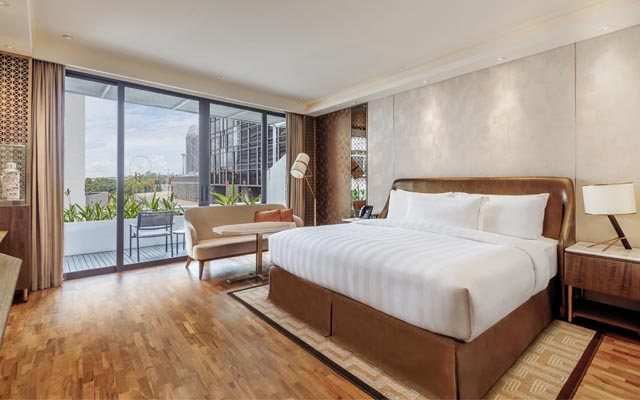
Within the hotel premises, the corridor walls on the Club floors also spotlight eye-catching artwork by local artists, with more creative pieces displayed in the PARKROYAL Club Deluxe and PARKROYAL Club Premier Rooms.
Hotel highlights
1 of 4
Hotel guests can explore the diverse facets of Singapore, all within walking distance with the eclectic mix of cultural, heritage and lifestyle offerings at Kampong Gelam
Club 5's interesting concoctions draw inspiration from the unique flavours and spices of Kampong Gelam
Opening its doors in 1971, the hotel stands out for its distinctive city fringe address offering close proximity to vibrant cultural locales
About 1.6 million single-use plastic packaging is reduced every year by replacing in-room amenities with sustainable materials
Indulge in authentic Asian fare The 346-key property prides itself on its wide array of culinary delights served at the hotel’s delectable mix of F&B options.
For guests keen to sample Singapore’s foodscape, the all-day halal-certified kitchen, Ginger, helmed by executive chef Vincent Aw, celebrates the rich flavours and heritage of the city-state’s culinary fare from chilli crabs to Hainanese chicken rice.
The hotel also houses Singapore’s pioneering Sichuan restaurant, Si Chuan Dou Hua Restaurant, famed for its exquisite Sichuan and Cantonese cuisine. The connecting Tian Fu Tea Room, which carries a selection of over 30 types of premium Chinese teas, provides the ideal prelude or end note to a hearty meal.
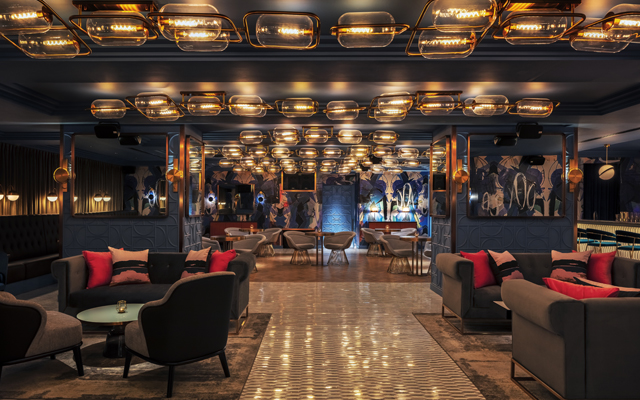
The 1920s-inspired cocktail bar, Club 5, introduces guests to an interesting variety of concoctions, drawing inspiration from the unique flavours and spices of Kampong Gelam.
Showcasing sustainable hospitality At the forefront of sustainability, PARKROYAL on Beach Road is the first hotel in the Pan Pacific Hotels Group to take on a pilot Food Digester Al project to ensure food waste is processed properly.
The hotel also launched green initiatives such as “Food for Second Life” to educate both guests and staff on proper disposal and on reducing food waste. Currently, plastic straws, cutlery and takeaway boxes have been replaced with sustainable alternatives.
This year, the hotel is recreating the chiller plant system in all F&B outlets to further reduce its carbon footprint.
Solar panels have been installed to harness green energy and as part of a future energy-saving project, all guestrooms will be converted to smart rooms.
Hotel guests are also encouraged to go green by opting for alternate days of housekeeping to reduce water and energy wastage.
Presently, about 1.6 million single-use plastic packaging is reduced every year by replacing in-room amenities with sustainable materials.
Instead of utilising plastic bottles, premium filtered water taps and water dispensers are now available in all rooms and meeting rooms respectively.
Sustainable MICE packages have also been introduced to help meetings and events become more eco-friendly as part of the hotel’s commitment to sustainable hospitality.
Kung Teong Wah, general manager, said: “Our brand continues to thrive and retain popularity because we remain dedicated to delivering exceptional hospitality experiences. By consistently exceeding expectations and embracing innovation, we create a sense of trust and loyalty that keeps our guests returning. Together, we shape the future of hospitality and redefine what it means to be a trusted brand.”
Check out insider’s recommendations on exploring the hotel’s surrounding highlights here.
The cruise industry has experienced a difficult time due to Covid-19. How do you envision the future of cruising? Having successfully led the global restart of ultra-luxury cruising, with 11 ships now operational around the world, Silversea placed itself perfectly to cater for guests’ changing needs following the pandemic. Throughout the pandemic, we saw that travellers booked longer voyages and closer to the date of departure, and we expect this approach to remain in favour.
Now more than ever, travellers have a renewed appreciation for getting out into the world and we have seen a growing interest in travel to remote destinations such as the Galapagos, the Arctic, Antarctica, and the remote Kimberley Coast in Australia. We expect this trend to continue, with a preference for extended voyages for even deeper immersion. The role of travel advisors was, and remains, more important than ever.
What is Silversea’s strategy to maximise on the global appetite for travel as we emerge from the pandemic? With an unusually high proportion of new clients booking with us, Silversea is seeing a huge surge in interest from Asia-Pacific travellers booking cruises at present. We have seen a double-digit percentage increase in guests booking cruises in Asia in January 2023, to depart in 2023, versus corresponding periods pre-pandemic. In 2023, Silversea is offering almost 30 per cent more cruise days in Asia versus pre-pandemic levels, and approximately 40 per cent more for 2024. The global appetite for travel is remarkably strong and we are strengthening our product offering by introducing some of the most luxurious new ships at sea, innovative itineraries, including our newly announced World Cruise 2026, and a host of incentives for guests and travel advisors.
Recent years have seen the launch of Silversea’s S.A.L.T. culinary programme and Otium wellness programme. Can you share more about them? The S.A.L.T. culinary programme connects travellers with each destination’s authentic culture through the lens of food and drink, with a dedicated culinary ecosystem on board Silver Moon, Silver Dawn, and, soon-to-be Silver Nova.
On each of these ships, there’s a dedicated S.A.L.T. restaurant called S.A.L.T. Kitchen, which offers regional cuisines from different parts of the world, with a menu that changes every single day. S.A.L.T. Bar serves regionally inspired cocktails, made with local ingredients, and regional wines. Guests can also visit the S.A.L.T. Lab, an interactive test kitchen, where they can get hands-on experience with local recipes and learn from the best regional food experts. S.A.L.T. shore excursions enable guests to experience the food culture first-hand, perhaps preparing the most authentic dishes with the best local chefs or learning about organic farming, done in the regional way.
Otium, by contrast, is our Roman-inspired wellness programme, which focuses on indulgence, pleasure, and the very best treatments available. It’s about champagne and chocolate in a beautiful Romanesque spa, and other delights. The wellness aspect extends throughout the ship to guests’ suites, with enrichments like the first balcony experience at sea, in-suite bathing experiences, and even sleeping experiences. Silversea always goes above and beyond to exceed our guests’ expectations; Otium is our latest enrichment programme to do exactly that.
Two super-sustainable ships will soon join Silversea’s fleet. Why is sustainability important to Silversea and to what extent will sustainability factor into customers’ decision-making regarding travel in the future? We are one of the world’s largest cruise companies. For us, respect for the oceans isn’t a choice – it’s a way of life. We are committed to delivering the best vacation experiences responsibly. Sustainability has become an expectation from travellers, and consumers broadly, and Silversea is steadfast in its commitment to leading the ultra-luxury cruise industry in this regard.
Revolutionary technology and pioneering design will mean that the 728-guest Silver Nova is set to become the most sustainable ultra-luxury ship ever launched. She will emit approximately 40 per cent less emissions than the previous class of ship.
Sustainability extends beyond our new ships, of course, and we will continue to enhance our current fleet with sustainability in mind. Beyond this, we are actively working with destinations around the world to champion sustainability initiatives. For example, we have launched The Silversea Fund for the Galapagos, which supports grassroots conservation efforts. More than just a strategy, it is a deep-rooted commitment to the planet and its inhabitants.
Do you expect any change in Silversea’s business direction going forward? If so, how and why? Our strategy for the future is to evolve our current approach – with travel advisors being at the top in terms of importance for us. Asia is a strategic region for luxury products and we keep investing in the region, appealing mainly to Baby Boomers who value experience-led travel to bucket-list destinations, such as Antarctica, the Galapagos, and the South Pacific. We are expecting the Asia-Pacific market to overtake the UK as our second largest market in the world.
In terms of our product offering, we launched three new ships in just nine months during the pandemic, with an additional two ships on order, as part of an aggressive shipbuilding strategy aimed at introducing new vessels that are perfectly tailored to sail in specific regions or on specific itineraries, such as Silver Origin in the Galapagos and Silver Endeavour in Polar regions. We will continue with this approach to further strengthen the cruise experience for our guests’ enjoyment. Silver Nova will launch later this year as the perfect ship to sail on the broadest possible array of itineraries.
Editor’s note: Watch out for our conversation with Silversea Cruises managing director Asia Pacific, Adam Radwanski in TTG Asia July-August 2023 issue
Amadeus has teamed up with DiDi Enterprise Solutions, the travel management subsidiary of DiDi Global, to support the travel technology innovation it needs to expand its travel management operations across China.
DiDi Enterprise Solutions’ customers can now shop and book hospitality content via the Amadeus Travel Platform, giving them extensive access to real-time rates and the content they need to serve their customers. Accommodation choices includes five-star hotels, bed and breakfasts, as well as managed apartments.
The partnership will help meet the travel needs of Chinese corporate business travellers
With a variety of different business models and payment options available, this partnership will help meet the travel needs of Chinese corporate business travellers looking to resume travel to reconnect with their customers by providing them with more options and services for their travel journeys.
“China is one of the world’s fastest growing business travel market and it presents growth opportunities for our business,” said Javier Laforgue, executive vice president, travel unit & managing director, Asia-Pacific, Amadeus.
He added that the collaboration will help support DiDi Enterprise Solutions in “bringing its customers extensive and relevant hotel content to create the right travel journeys for business travellers within China”.
Linda Zhang, general manager of enterprise client department, DiDi Enterprise Solutions, added: “(The partnership) allows us to provide our corporate travel customers with more content options and higher value services.”
In addition, DiDi Enterprise Solutions will also be tapping into a wealth of content from 500 airlines to offer its customers flights at competitive prices for a given itinerary via the Flight Offers Search API.
This year marks the second edition of the Wellness Festival Singapore (WFS) which will run for three weeks, up from 10 days last year.
From June 17 to July 9, WFS 2023 will feature more than 180 activities across 10 precincts island-wide, with categories spanning fitness, nutrition, emotional well-being, and lifestyle.
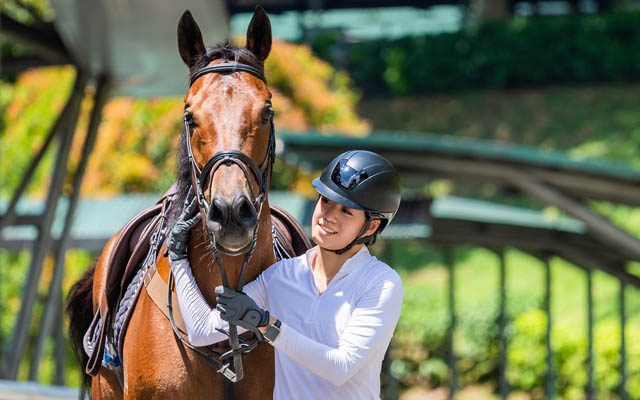
Horse-riding enthusiasts can join the Equine Wellness Programme by the Singapore Turf Club Riding Centre
Featuring a diverse range of wellness offerings that cater to various preferences as well as individuals and groups of different ages and abilities, WFS offerings will be conveniently located across the country, close to iconic precincts and public transport, allowing visitors to easily access wellness experiences while exploring Singapore.
Festival highlights include the anchor event The Wellness Experience Space at Marina Bay Sands’ Event Plaza offering six different interactive zones, and a self-care journey with Where Mind and Body Connect, also at Marina Bay Sands
The Zentosa LiveWELL Festival in Sentosa will offer over 250 wellness activities, while Jewel Changi Airport will host free fitness classes, such as Bounce, Zumba and Barre, around the HSBC Rain Vortex. Meanwhile, the National Gallery Singapore will present an expanded line-up of more than 20 unique art-inspired wellness experiences.
Families with young children can participate in Parent-Child Art Journaling by Artcadia Studio, and head over to Kiztopia’s Play and Recharge programme which includes activities such as yoga, Zumba, and cookie painting.
Senior participants can try out programmes such as ENERGIZE, a series of active and wellness programmes on Taiji and dance classes held at Singapore Chinese Cultural Centre’s concourse, or join a floral arrangement workshop with Floral Expressions by National Gallery Singapore. They can also experience Kopi, Teh and Contemporary Art, which brings them on a tour around the Singapore Art Museum.
Other fun activities to look out for include Beats Performance Therapy workouts for fitness and music enthusiasts; Animal Yoga at Mandai River Wonders; Cacao Ceremony + Sound Journey for holistic healing; tea-pairing sessions Wellness Tea Bar and Teakle Your Fancy; the Equine Wellness Programme by the Singapore Turf Club Riding Centre; and a variety of nature walking tours.
The festival is organised by the Singapore Tourism Board , in collaboration with Enterprise Singapore, Health Promotion Board, National Arts Council, Sentosa Development Corporation, and Sport Singapore.
For the most updated listing and details of WFS programming, visit the WFS website.
Marriott International has signed an agreement with real estate group Hiap Hoe to bring the Aloft Hotels brand to Singapore.
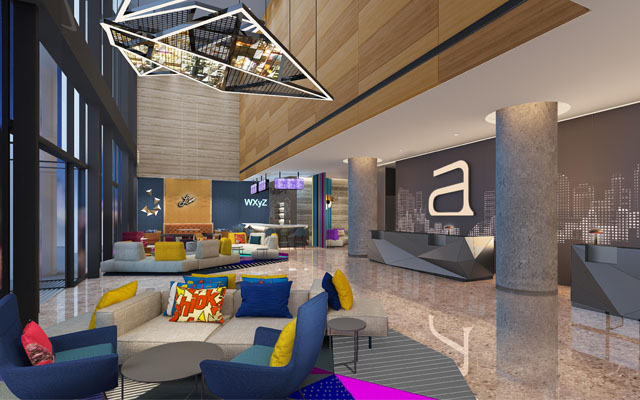
Following a strategic conversion, the signing of the 785-key Aloft Singapore Novena is expected to open in 3Q2023 and will be the largest Aloft hotel in the world.
Aloft Singapore Novena will be the largest Aloft hotel in the world when it opens later this year
The hotel will comprise two towers and is located in Zhongshan Park, a mixed-use development situated along the Balestier Heritage Trail. The area is renowned for its rich heritage and is surrounded by famous local eateries and linked to the integrated dynamic healthcare precinct, Healthcity Novena.
The range of facilities available on the property will feature F&B outlets, an outdoor pool, gym and event spaces.
Teo Ho Beng, CEO, Hiap Hoe, commented: “Aloft Singapore Novena (will) provide an urban-inspired gathering place that embodies the Aloft brand’s unique personality and energy, tailored for individuals who value boldness, style and connectivity.”
“With the site’s proximity to the city’s Central Business District as well as to local attractions and green spaces, the location is strategically placed to enable us to attract both business and leisure guests,” said Gautam Bhandari, market vice president for Singapore and Maldives, Marriott International.
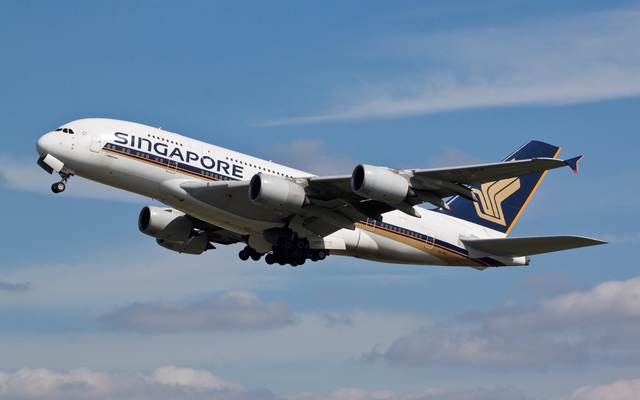
From July 1, Singapore Airlines (SIA) customers will be able to enjoy free unlimited Wi-Fi access in all cabin classes, including passengers in Premium Economy Class and Economy Class.
This will allow passengers to stay connected with loved ones, work online, or keep up to date with the latest news or their social media feeds while travelling in the sky.
Singapore Airlines customers will enjoy free unlimited Wi-Fi access in all cabin classes from July 1
The enhanced Wi-Fi offering will be available across the entire aircraft fleet – except for seven Boeing 737-800 NGs that are not Wi-Fi enabled – and almost the entire global SIA route network.
To enjoy this service, customers must enter their KrisFlyer membership details at the point of booking through the Manage Booking online option, or when checking in.
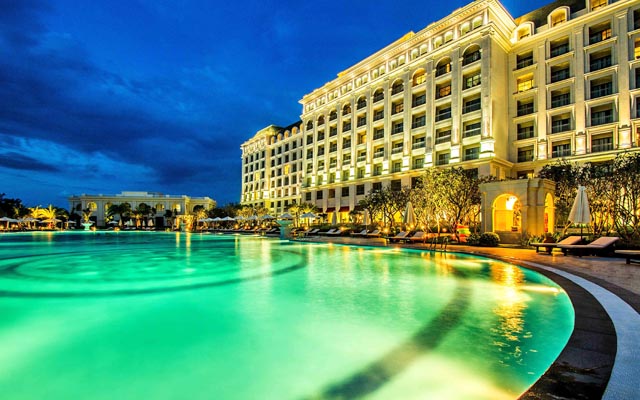
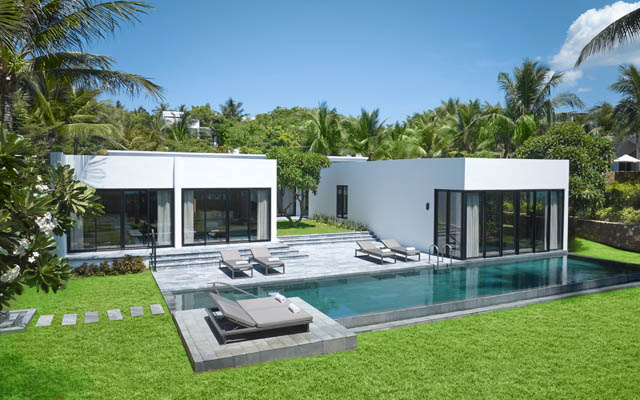
Sheraton Phu Quoc Long Beach Resort is offering two summer season packages for couples and families looking to unwind in the West Bay.
The Sheraton Side by Side package is priced from 3.4 million dong (US$144) per night and includes accommodation, daily breakfast buffet, daily hotel credit of 800,000 dong, daily one-hour free flow on selected beverages, and two-way airport transfer.
Sheraton Phu Quoc Long Beach Resort offers two summer packages for couples and families
The Vin Wonders or Vin Safari package is perfect for adventurers and adrenaline junkies, and comprises accommodation, daily breakfast, a choice of ticket to Vin Wonders or Vinpearl Safari, complimentary shuttle service to Vinpearl Safari and VinWonders Phu Quoc, and either early check-in or late check-out.
Both packages are valid for stays till November 30.





 The cruise industry has experienced a difficult time due to Covid-19. How do you envision the future of cruising?