InterContinental Singapore has enhanced services at the luxury heritage landmark with the debut of InterContinental Singapore’s Butler Service.
The newly introduced butler service is available for guests of InterContinental Singapore’s One-Bedroom Suites, Royal Suites, Ambassadors Suites and Presidential Suite.
The new butler service will curate a bespoke itinerary for the guests during their stay, and offer personalised guestroom experiences
Guests can look forward to personalised, end-to-end experiences – from a dedicated pre-arrival contact by the butler and the curation of a bespoke itinerary for the stay, to the personalised guestroom experiences. They can also indulge in bespoke menu curations personalised by the hotel’s Culinary Team, and the offerings of the Club InterContinental lounge.
In addition, Club InterContinental guests are gifted an opportunity to don the Kebaya – a traditional outfit that is associated with the Chinese Peranakan community – and embark on a guided heritage trail on a journey of discovery of Singapore’s insider heritage stories and cultural experiences. Activities available include batik painting and tile-motif design workshops.
The Pacific Asia Travel Association (PATA) has re-appointed Noredah Othman, CEO, Sabah Tourism Board, Malaysia and elected Gerald Perez, vice president, Guam Visitors Bureau, USA, to the PATA Executive Board for a two-year term beginning June 27, 2023.
With 30 years’ experience in Sabah Tourism, Othman is the longest-serving officer with Sabah Tourism Board where she is responsible for marketing and promotion of the destination. She has held various positions since October 1990 and served as deputy general manager for support services from 2016.
From left: Noredah Othman and Gerald Perez
Perez currently serves as the vice president of the Guam Visitors Bureau and is a founding member of the Micronesia Cruise Association. His dedication to the tourism industry is further demonstrated through his memberships in the Guam Tourism Foundation and the Executive Board of PATA.
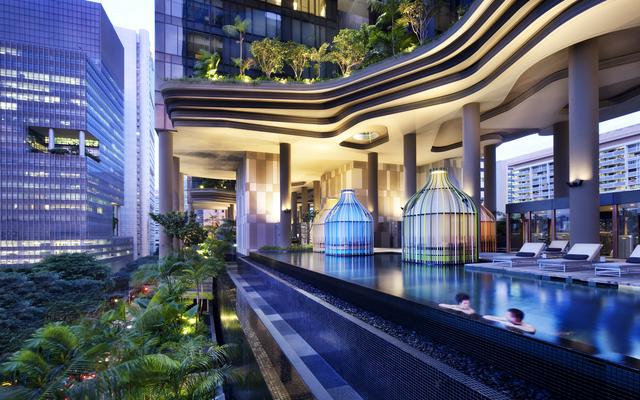
Seamlessly blending the beauty of nature with sustainable luxury, PARKROYAL COLLECTION Pickering is designed with calming biophilic spaces and a unique hotel-in-a-garden concept, offering guests an eco-wellness escape that enhances their sense of well-being and leaves them feeling refreshed and revitalised.
To inspire conscious living and well-being in travel, the 367-key property has recently introduced the brand’s signature eco-wellness experiences – from a rooftop urban farm with farm-to-table and farm-to-bar practices; conscious dining F&B menus; sleep ritual turndown amenities; to mindful wellness programmes for restful retreats.
Eco-wellness haven
1 of 5
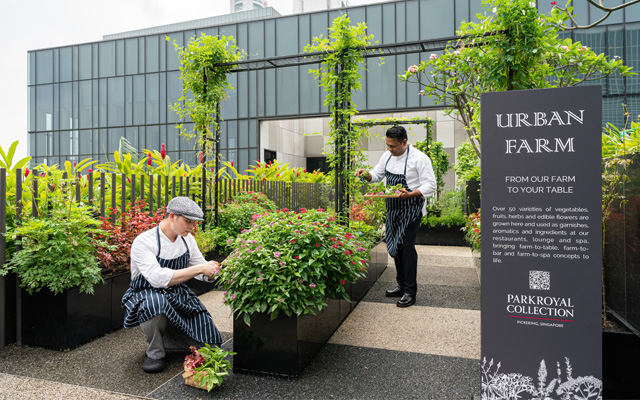
The rooftop urban farm features over 50 varieties of fruits, herbs, and edible flowers which are used as garnishes, aromatics, and ingredients for the hotel restaurant, bar and spa
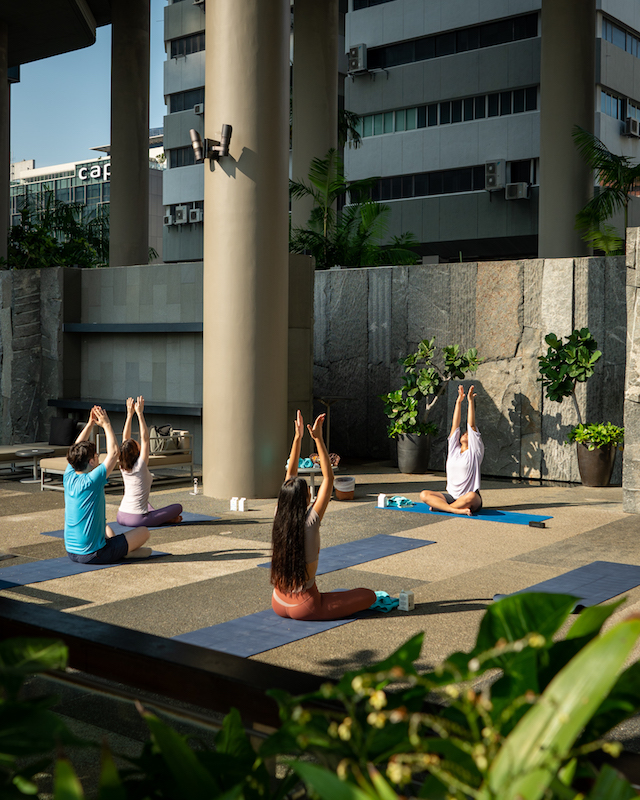
The hotel offers monthly Stay Fit Weekend classes such as yoga, zumba, breath work and meditation
Wellness-in-a-Garden, in conjunction with the 2023 Wellness Festival Singapore, spotlights offerings such as wellness set lunches
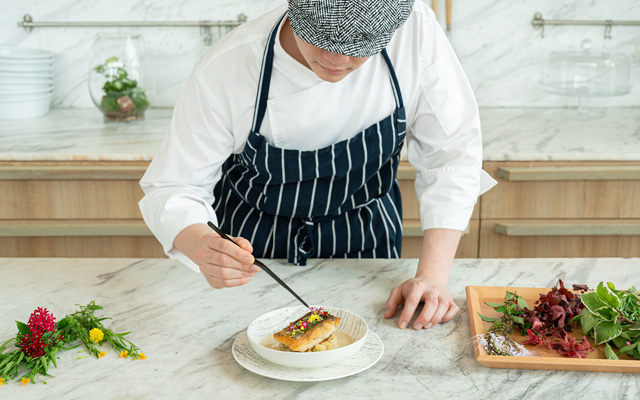
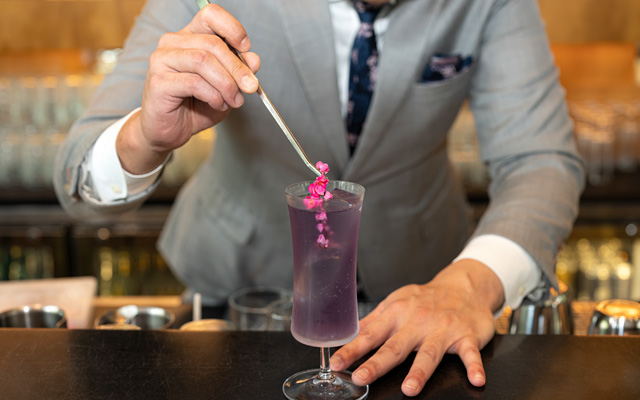
Tipples at the hotel bar are made using freshly-picked ingredients from the urban farm
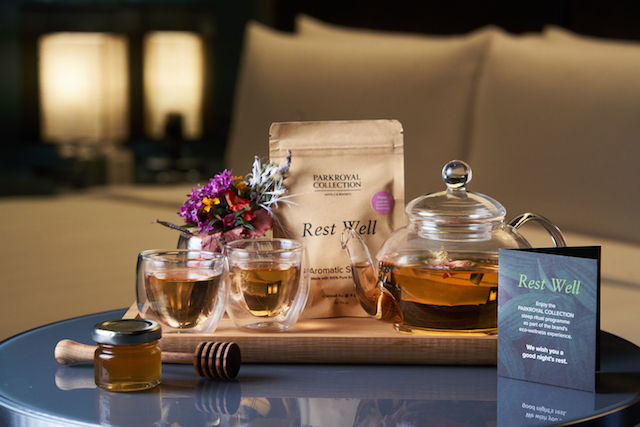
The sleep ritual amenity features freshly brewed tea, a sleep scent pouch and fresh herb bundle from the urban farm
Conscious dining PARKROYAL COLLECTION Pickering welcomes its all-new urban farm, a celebration of yet another stride towards a greener and more sustainable hospitality landscape.
Located on the top floor of the hotel-in-a-garden, the urban farm is home to over 50 varieties of fruits, herbs and edible flowers, such as Stevia, Passionfruit Marigold and Mexican Tarragon.
It provides carbon-neutral, eco-friendly garnishes, aromatics and ingredients to Lime Restaurant and Bar, COLLECTION Club Lounge and St. Gregory spa, bringing the farm-to-table, farm-to-bar and farm-to-spa concepts to life.
Apart from using freshly harvested greens from its on-site farm, Lime Restaurant’s menu also features locally sourced produce that promote sustainability and healthy consumption.
This is in line with PARKROYAL COLLECTION’s signature conscious dining concept – where enjoyment of delightful cuisine and drinks is derived from appreciating its presentation and the mindfulness that has gone into its crafting.
A restful sleep experience As quality sleep is essential for one’s overall well-being, the hospitality landmark has introduced a sleep ritual turndown service that comprises freshly brewed tea, a sleep scent pouch and fresh herb bundle from the urban farm.
Guests can rub the fresh herb leaves, including lemon balm, peppermint, rosemary and basil, to release the therapeutic aroma and steep them in a fresh pot of tea to enjoy before bed.
They can also place the scented pouch, which is infused with natural essential oils, by the pillow to calm their body and mind for a good night’s rest.
Mindful wellness activities Besides, the resort-style property prioritises guests’ physical and mental well-being with monthly Stay Fit Weekend classes, including yoga, zumba, breath work and meditation.
From June 17 to July 9, the hotel will present a special curation of experiential activities in conjunction with the 2023 Wellness Festival Singapore.
The line-up features programmes such as sunshine yoga and mindful meditation sessions, educational urban farm tours, wellness set lunches, and singing bowl experiences that will provide guests an opportunity to reconnect with themselves and learn a little more about eco-conscious living.
Vote for your favourite travel brand to win at TTG Travel Awards 2023, Asia-Pacific’s Most Prestigious Travel Industry Accolade Vote PARKROYAL COLLECTION Pickering for Best Business Hotel here and Best City Hotel – Singapore here.
Enjoy a luxurious respite at a nature-inspired oasis Find out more about the hotel’s wellness features here.
The wait appears to be over, as Sri Lanka finally gets ready to launch a new destination marketing campaign come end-July. The 12-month campaign, which comes with a price tag of 1.45 billion rupees (US$17.6 million), will hit key markets the UK, Germany, France, Italy, India, Ukraine, Russia, West Asia, Scandinavia, South Korea, Japan and Australia.
As part of the campaign, Sri Lanka will also commit to participation at travel shows in other markets.
Sri Lanka is keen to promote its all-in-one appeal that takes in adventure, wellness, culture, wildlife and nature, sun and sand; Nine Arches Bridge pictured
Officials said this is the first major promotion campaign in 15 years.
Chalaka Gajabahu, chairman of the Sri Lanka Tourism Promotion Bureau, said: “We have appointed a strategic and creative agency, while the PR and social media agency will be soon finalised. We will then go ahead with a two-phased marketing blitz, where the first phase starting end-July is focused on rejuvenating Sri Lanka.”
He also told TTG Asia that the first part of the campaign is aimed at countering negative publicity and creating awareness of Sri Lanka’s readiness to welcome the world.
He elaborated: “Some foreign TV channels are still showing scenes of a (government) protest that happened last year in July. We have come a long way in our recovery, and need to tell the world that Sri Lanka is a safe and welcoming destination.”
More than 1,000 social media influencers from across Sri Lanka’s key markets are being invited this year for a Seeing is Believing campaign which is now underway.
Gajabahu also shared that a model is being developed to enable the country to attract travellers across all seasons, and to showcase Sri Lanka’s wide-ranging points of appeal.
“We want to promote our DNA of adventure, wellness, culture, wildlife and nature, sun and sand, all in one island,” he said.
A discussion at the recent PATA Destination Experience Forum and Mart 2023 on the topic of Leveraging New Trends in Sustainable Forms of Tourism revealed that the pre-pandemic challenges of over-tourism are coming back and the misuse of ecotourism term prevails.
Hannah Pearson, regional director APAC, Adventure Travel Trade Association, said: “There’s that struggle… between wanting to get back to those 2019 levels and at the same time recognising that getting back to that is perhaps not necessarily what the planet needs.”
Panelists discuss pitfalls in destinations’ pursuit of tourism recovery
She believes that adventure travel can provide a balanced return to tourism business, as it can drive the economy and contribute to local nature through conservation efforts and serving local communities.
“Adventure travel can help to address a lot of those pre-pandemic issues, but it needs to be implemented strategically. This means that you guys (need to) diversify your source markets, disperse travellers throughout the whole country, and give young people an incentive to stay in those rural areas,” Pearson explained.
Meanwhile, Masaru Takayama, founding chair of Asian Ecotourism Network, highlighted in his presentation that the term ecotourism is often used to label activities that may not necessarily fit the definition.
“Greenwashing is rampant in travel and tourism, but if there is greenwashing, it’s not ecotourism,” he opined, stating that not all nature-based tourism can be considered ecotourism, and that going for a hunting trip or staying in an eco-resort does not necessarily equate to ecotourism.
Takayama added: “Sustainable practices in large hotels and resorts are highly commendable, however, a sustainable or eco label is not synonymous to an ecotourism experience. Although the accommodation might be operated using good environmental practices, the siting and construction of the hotel might have had big impact on the local environment and community.”
Takayama also advised nature-based attractions to be mindful of the kind of negative impact they may be making through their social media activities.
He explained that with “the emergence of social media”, many are tagging locations in their online posts. Should a photo of a rare flower species be shared on social media, more people would want to visit the area to do the same and result in overcrowding.
IATA has upgraded its passenger traffic recovery projection for Hong Kong, just as the Hong Kong Special Administrative Region government makes a move on easing labour crunch in the aviation sector.
IATA now expect to see a recovery to pre-crisis levels by the end of 2024. This revision brings Hong Kong’s recovery in line with expectations for a faster recovery in the Asia-Pacific region.
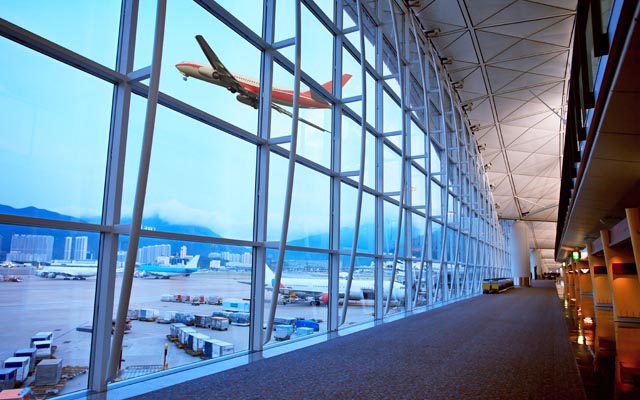
IATA brings Hong Kong’s recovery in line with expectations for a faster recovery in the Asia-Pacific region; Hong Kong International Airport, pictured
“China’s earlier than expected reopening is providing a much-needed boost to the passenger recovery. By the end of 2024, we expect to see Hong Kong’s traffic return to pre-crisis levels,” said Willie Walsh, director general, IATA.
The Hong Kong government introduced a labour importation scheme to ramp-up the airport workforce with 6,300 workers from mainland China. While demand for air travel has been strong, airlines in Hong Kong have been struggling with supply chain issues and a staff shortage.
Walsh shared: “As we look ahead to the recovery and prepare for future growth, it is important that the entire Hong Kong aviation community, including airlines, airport, regulator, and government, work together to address the challenges and are well prepared to tap on future opportunities.”
In addition, IATA and the Airport Authority Hong Kong have teamed up to organise the Hong Kong Aviation Day, which will be held from August 2 to 3 this year.
Staycations and short hops around South-east Asia seem to be making a comeback, noted YTL Hotels’ chief, as travel demand continues to remain strong after the initial wave of post-lockdown revenge travel.
Mark Yeoh Seok Kah, executive director of YTL Hotels, told TTG Asia that there has been an “upswing in demand on Fridays, Saturdays and Sundays” for YTL properties in its home country Malaysia.
Locals in Thailand are also driving up demand at The Ritz-Carlton, Koh Samui, pictured
“We’ve always had a domestic tourism base, but I see more Malaysians are getting used to the concept of staycations, and I think they will continue to do so (in the long-term). In Singapore, staycations in hotels are common, but this only emerged in Malaysia post-lockdown,” he elaborated.
Over in Thailand, locals are also driving up demand at The Ritz-Carlton, Koh Samui (a YTL-owned property). This segment typically flies in from Bangkok for the weekend.
At the same time, Yeoh observed that as airfares stabilised, YTL’s traditional European and Australian markets returned in droves. However, he does not expect the Chinese market – an important source for Thailand pre-pandemic – to “fully return until 4Q2023”.
“Although we remain very bullish about the market, flight capacities and air routes first have to be reinstated,” he explained.
Overall, Yeoh is “very positive” about South-east Asia’s travel future, pointing to recent news of economy carrier Scoot’s injection of Embraer jets into its fleet, indicating stronger operations to come for secondary destinations in the region.
Yeoh opined that the “final frontier” of travel in South-east Asia was to transform the region into the “Mediterranean of Asia”, likening it to Greece’s cruising sector, which boomed over the years, spawning a host of tourism-related businesses.
While Yeoh acknowledged that appropriate infrastructure is lacking in this region to support such an endeavour, he believes that long sailing trips from Singapore northwards to Thailand, Myanmar, Vietnam, and Cambodia, or eastwards towards Philippines and Sabah, would appeal to the younger, luxury travellers of the future.
When asked how the perceived strength of regional tourism would affect future acquisitions and pace of new signings, he told TTG Asia that the company is working on a few projects in Malaysia and continued focus is placed on Japan’s Niseko Village.
“Many opportunities have surfaced, but we are sifting through them to find one that makes the most economic sense for us. As we own all our properties, my mandate is that all our projects must be in a location that (allows ownership),” he said.
Worldwide Hotels Group has acquired Parkroyal On Kitchener Road in the move to expand the group’s presence in Singapore.
The property is a well-established hotel along Kitchener Road in Little India, which will be rebranded and launched after the takeover has been completed in 4Q2023.
Parkroyal On Kitchener Road will rebrand and launch after the takeover is complete in 4Q2023
Carolyn Choo, CEO of Worldwide Hotels Group, said: “This acquisition aligns perfectly with our growth strategy and allows us to expand our commitment to deliver guest experiences with exceptional value and thoughtful customer service in strategic locations.”
With this new addition, Worldwide Hotels Group’s portfolio now comprises 41 properties in Singapore, including two upcoming hotels to open later this year.
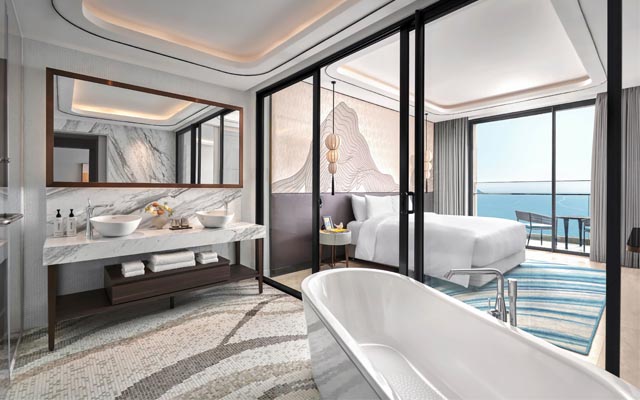
voco Ma Belle Danang, Vietnam The new voco Ma Belle Danang is just steps from My Khe Beach, on Vo Nguyen Giap Street, and offers three restaurants and bars, a rooftop pool, spa, gym, and event spaces.
Attractions nearby include Man Thai, a traditional fishing village, Linh Ung Pagoda which houses Vietnam’s tallest Buddha statue, and the famed Golden Bridge.
Danang International Airport is a short 15 minutes ride away.
Teardrop Villas
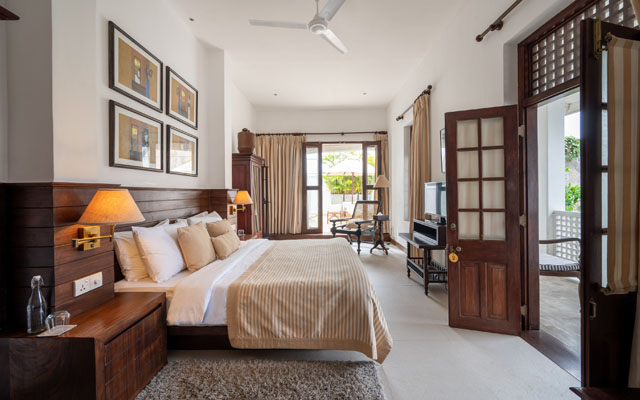
Teardrop Villas, Sri Lanka Teardrop Hotels has introduced its first Teardrop Villas: 41 and 42 Lighthouse Street villas, located in the heart of UNESCO World Heritage Site Galle Fort.
The 41 Lighthouse Street is a three-bedroom, two-storied luxury private villa which comes with a pool and can accommodate a maximum of seven guests.
The 42 Lighthouse Street is a four-bedroom villa complete with living spaces for up to 10 guests, with a veranda or secret sky terrace, with views of the Galle Fort ramparts and Indian Ocean.
Hyatt Regency Hangzhou International Airport
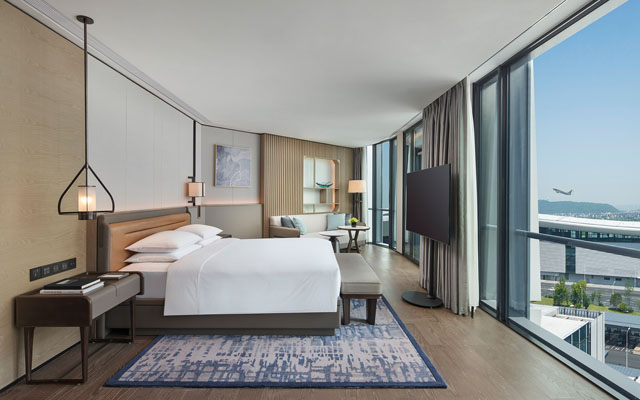
Hyatt Regency Hangzhou International Airport, China Hyatt Regency Hangzhou International Airport boasts 336 rooms, three restaurants and lounges, spa, swimming pool, fitness centre, and event spaces.
The hotel, a minute’s walk from Terminal 4 of the airport, is well connected to the city. Hangzhou’s business district and expo centres are a 20-minute drive away, while West Lake is 40 minutes away.
Rissai Valley, a Ritz-Carlton Reserve
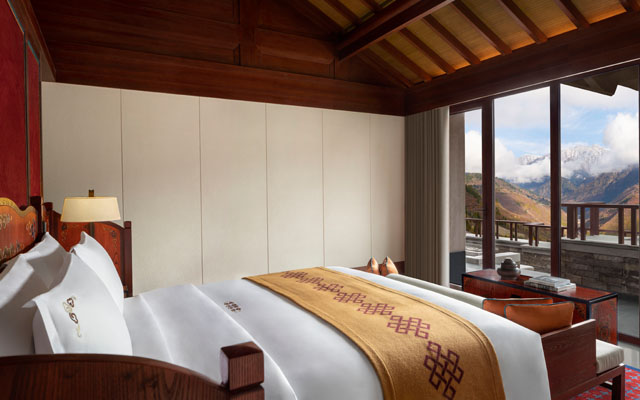
Rissai Valley, a Ritz-Carlton Reserve, China Situated in the famed Jiuzhaigou, Sichuan province, the 87-villa Rissai Valley, a Ritz-Carlton Reserve, offers views of the snow-capped Minshan mountain range, forests, and ancient Tibetan villages.
Each villa stay comes with a dedicated personal host who takes care of every detail for guests.
The property features restaurants, lobby lounge, spa, and a kids’ club. Activities include the artistry of Tibetan folk dance and classical music, the meditative practice of Thangka painting, and hiking in the surrounding forests.
& Juliet, the hit musical on Broadway, will be making its premiere and only Asian stop in Singapore from September 21 to October 8 at Sands Theatre, Marina Bay Sands, Singapore.
Based on a book by Emmy Award-winning Schitt’s Creek writer David West Read and music from five-time Grammy Award-winning songwriter/producer Max Martin, & Juliet sees Shakespeare’s famous love story remixed with some of the most iconic pop songs of the last three decades in an uplifting story of self-discovery, empowerment and love.
& Juliet features iconic pop songs as it retells Shakespeare’s famous love story
The playlist of pop anthems includes Roar, Baby One More Time, Larger Than Life, That’s The Way It Is, Can’t Stop the Feeling, plus a brand-new song written especially for the show by Martin.
Tickets start from S$68 (US$50), excluding booking fees, and are available via Marina Bay Sands and SISTIC box offices and online.
Maybank cardholders can get 15 per cent discount on tickets, and Trip.com is also offering a 15 per cent discount on its website.





















The wait appears to be over, as Sri Lanka finally gets ready to launch a new destination marketing campaign come end-July. The 12-month campaign, which comes with a price tag of 1.45 billion rupees (US$17.6 million), will hit key markets the UK, Germany, France, Italy, India, Ukraine, Russia, West Asia, Scandinavia, South Korea, Japan and Australia.
As part of the campaign, Sri Lanka will also commit to participation at travel shows in other markets.
Officials said this is the first major promotion campaign in 15 years.
Chalaka Gajabahu, chairman of the Sri Lanka Tourism Promotion Bureau, said: “We have appointed a strategic and creative agency, while the PR and social media agency will be soon finalised. We will then go ahead with a two-phased marketing blitz, where the first phase starting end-July is focused on rejuvenating Sri Lanka.”
He also told TTG Asia that the first part of the campaign is aimed at countering negative publicity and creating awareness of Sri Lanka’s readiness to welcome the world.
He elaborated: “Some foreign TV channels are still showing scenes of a (government) protest that happened last year in July. We have come a long way in our recovery, and need to tell the world that Sri Lanka is a safe and welcoming destination.”
More than 1,000 social media influencers from across Sri Lanka’s key markets are being invited this year for a Seeing is Believing campaign which is now underway.
Gajabahu also shared that a model is being developed to enable the country to attract travellers across all seasons, and to showcase Sri Lanka’s wide-ranging points of appeal.
“We want to promote our DNA of adventure, wellness, culture, wildlife and nature, sun and sand, all in one island,” he said.