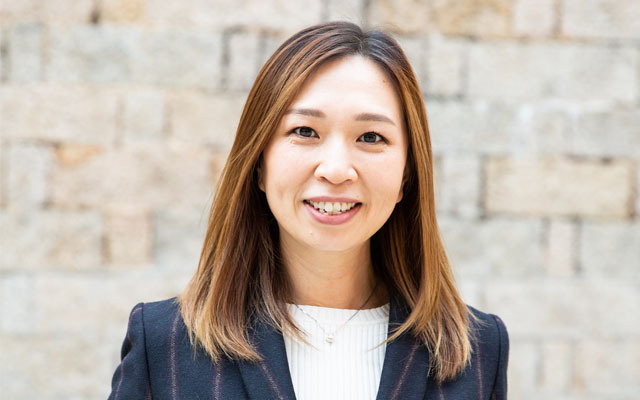
 How have you evolved IAAPA’s presence in Asia-Pacific since you took the reins in 2014?
As the association’s first full-time director for the Asia-Pacific, it was my role to develop and implement programmes and services for the region, including communications, membership development and education as well as the IAAPA Expo Asia.
Today, we continue to look for ways to bring more meaning to the expo; we are educating more and have also brought in more institutions to help develop the amusement parks and attractions industry. We are engaging young professionals. We have developed good relations with governments, worked with them on regulations while examining global standards. These have been the main targets of our effort, but the vision is to be the only association for the attractions industry in the region and globally, and to focus on safety, regulations and government relations as well as education.
What have been your biggest achievements since taking on the role?
There have been several: we have established our brand presence, ensured that we are the only association for the attractions industry, and continued to increase revenue and membership.
Indeed, we have expanded from Hong Kong to open offices in Shanghai and Singapore. We have a full-time staff of 10 to cover membership, education, safety and government relations, the expo and other events. All these have been built in the past nine years.
It has been a really big challenge for me to manage three different locations out of Hong Kong. The past few years have been a roller-coaster ride for me but on reflection they have also been a really good time of learning.
How have theme parks and attractions changed over time, especially since Covid-19?
We have had to reassess all revenue opportunities for many of our attractions. The key now is how much each person is spending in each park: at all our attractions the number of entries has fallen but what is increasing is the per-capita revenue.
When looking at recent statistics, with borders reopening, we’ve seen a big ramp-up in tourism as people are travelling and going to attractions. One of the changes is a greater willingness of tourists to request and pay for VIP tours in return for unforgettable individual experiences. Moreover, some of changes made to ensure health and safety may remain, such as hand-washing stations.
While other things may come and go, I think what is here to stay is the personal touch: we must ensure front-line staff are trained to take care of each visitor as a VIP – this particular type of training is important. Just as important is how we maintain rides and look after animals in order to ensure an elevated experience. Nowadays, people going to attractions are expecting much more than before the pandemic; they expect a one-on-one experience. It’s very different.
It’s been a tough ride over the past few years, and this is reflected in our industry dropping 67 per cent. It has meant everyone has been looking at how best to reinvest so that we make amusement parks and attractions come back stronger.
What role does the IAAPA and its tradeshows play in sustaining the vibrancy of tourism?
It’s really about getting new players or other industries to understand our industry more. When you think about an attraction, food and beverage and hotels spring to mind, but there are many other components like construction, building and electronics that make it operate, just like a mini-city. So, when working in the attractions industry, we need government and other industries to understand ours a lot more. As an association, we focus a lot on government relations, making sure that the regulations, like for safety, are good.
These are really the focus, backbone and core effort of the IAAPA. We need to have strategies for safety and for the future growth of the industry. That all goes back to education, to supporting industry professionals.
Do you have plans to deepen the IAAPA’s footprint in the region? Are there any new destinations you would like to enter?
We usually have one expo for the region in the Asia Pacific and also a summit that is more for senior executives, which will be held in Danang this year. There are other plans on the way, but they depend on the needs of the markets. The next destination we are looking at going into and exploring is India, owing to its large and thriving middle-class and growing population.
We are also aiming to increase our membership to 650 at the end of this year. China is a big (and diverse) market that took a huge effort to set up and needs a lot to maintain. . But I am very lucky. I have capable staff and I could never have done it without them.
IAAPA Expo Asia 2023 is coming right up in June. Will you tell us how it will be special and different from past editions?
It took us nine months to go out and look for topics and speakers. We also have very dedicated volunteers from our membership to help us curate topics.
As for what makes it special: first, Expo Asia 2023 will be the launch pad for the IAAPA’s new global networking idea, the hosted buyer programme, through which we will invite non-attractions industry professionals to reveal our world to them. We hope to bring in a lot of good buyers.
Next, with our reinvestment into education and safety, we have ensured that all the different tiers will have that education available throughout the four days of the expo. There will be at least four educational tours plus different kinds of networking events and, on top of that, we will have 30 education sessions free to our members.
On the last day, we will invite students interested in our industry to take part for free. They may come and interact with professionals like engineers, designers, operators, and suppliers so as to better understand their work and to learn what career opportunities there are in the industry.



 Here’s wishing all our Buddhist readers a happy Vesak Day!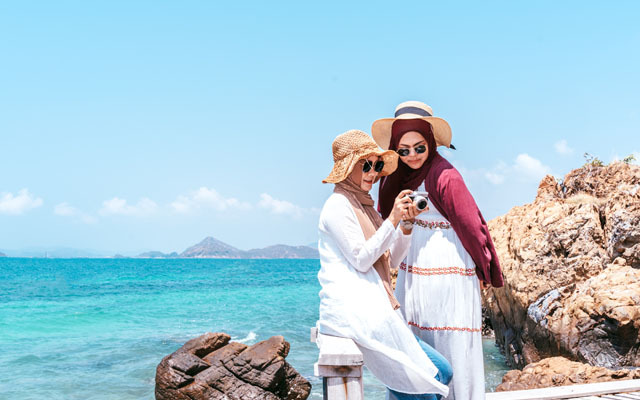

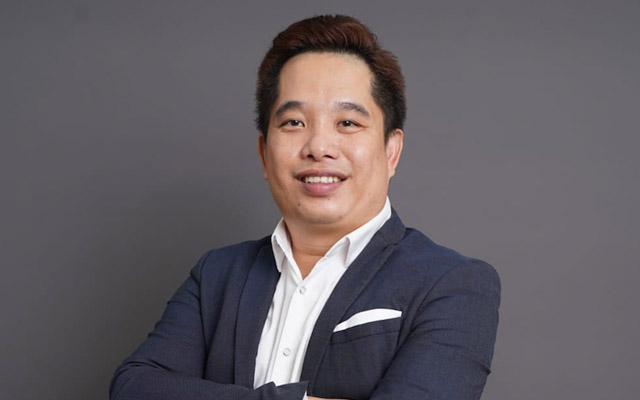
 Before joining TUI Blue Hotels & Resorts, he was director of sales & business development at Nova Service Group.








Muslim travellers looking to visit Muslim heritage sites and hidden gems as well as experience the culture and lifestyle of local Muslims are seeing renewed interest post-lockdown.
This observation was shared by panellists speaking in a forum titled, The Future of Muslim Travel: Are Destinations Engaging Enough on the second day of the Halal in Travel Global Summit.
Riyanto Sofyan, chairman, Sofyan Corporation in Indonesia, shared that community-based tourism products in Indonesia, such as homestays, have become increasingly popular with longhaul Muslim travellers, particularly those from the US and the UK, who wish to experience the Islamic way of life in Indonesian villages.
He noted that social media and digital marketing have helped to convey such experiences to longhaul markets. Previously, these experiences were traditionally more popular among Muslim travellers from Singapore and Malaysia.
Lee Jian Xuan, area director, Malaysia, Thailand and Brunei at Singapore Tourism Board, said Muslim travellers from Malaysia and Brunei are keen to learn about Malay history and heritage in Singapore, which is easily accessible by visiting Kampong Glam and the Malay Heritage Centre, as well as the Peranakan Museum on Armenian Street.
Abdul Maalik Tailor, CEO of Halal Tourism Britain, which specialises in halal travel and Muslim heritage of Britain, shared that Muslim visitors to the UK show interest in learning more about Muslim culture and visiting Muslim heritage sites outside of London. He added that some Muslim visitors would combine visiting the UK and France into one trip, with the focus on trips to Muslim heritage sites.
Despite the renewed interest, the panellists agree that the basics of Muslim travel, such as prayer facilities and the ease of access to halal and Muslim-friendly food, are still paramount in attracting the Muslim traveller.