Embark on a journey of unparalleled luxury and exploration with Silversea. Silversea introduces its ‘$2,000 Reasons to Sail with Silversea’ wave season offer, providing generous savings on a diverse range of voyages departing from January 1, 2024. This exclusive offer, available for new bookings made from now through February 29, 2024, presents a unique opportunity to experience the world in ultimate style.
Whether you dream of cruising through the rich history of southern Europe and North Africa or witnessing the breathtaking landscapes of Antarctica, Silversea has curated an array of exceptional journeys. Guests can save up to USD 2,000 per suite on Port-to-Port fares, making it the ideal time to plan a memorable adventure in 2024 and beyond.
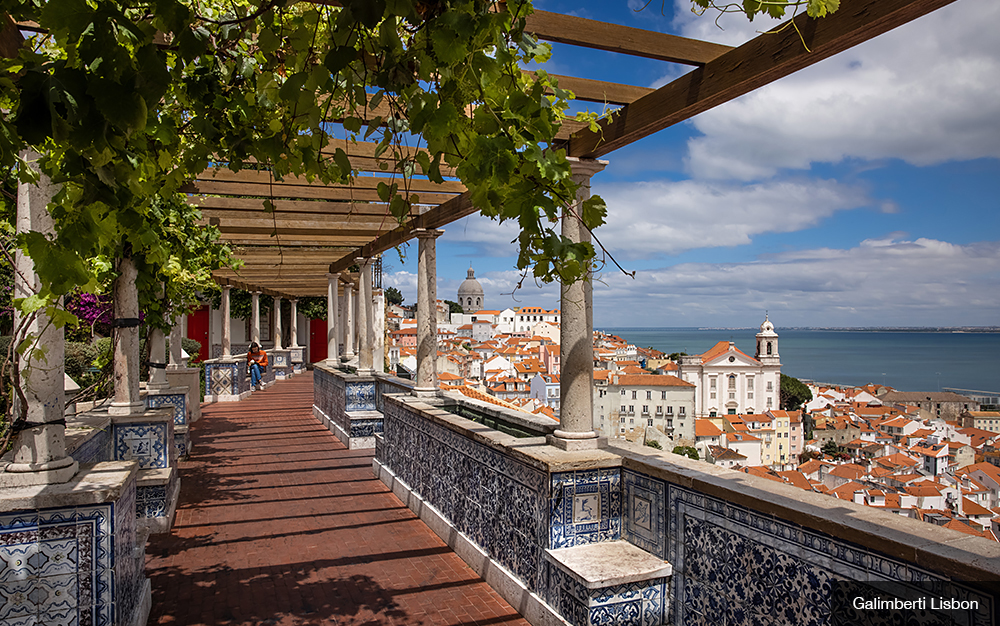
One highlight voyage included in the offer is the ‘Lisbon to Lisbon’ itinerary aboard the Silver Moon℠ from November 2-22, 2024. This three-week round-trip journey explores the Mediterranean, with stops in Tangier, Casablanca, Gibraltar, Palma de Mallorca, Tunisia, Malta, Sicily, Sardinia, and four Spanish ports, including an overnight stay in Cadiz. Inclusive of the offer, Port-to-Port fares for this Silver Moon voyage start from USD 12,150 per guest.
For those seeking an unparalleled Antarctica experience, the ‘King George Island to King George Island’ expedition voyage aboard Silver Endeavour℠ from December 1-7, 2024, is a unique opportunity. Skipping the Drake Passage, guests will fly in style from Punta Arenas to the White Continent, exploring the Antarctic Sound, Antarctic Peninsula, South Shetland Islands, and more. Inclusive of the offer, Port-to-Port fares for this fly-cruise sailing start from USD 15,950 per guest.
Sailing over the Holiday Season and New Year, the ‘Auckland to Sydney’ voyage aboard Silver Nova® from December 20, 2024, to January 5, 2025, promises a 16-day exploration of New Zealand and the Pacific’s iconic destinations. Silver Nova’s unprecedented use of glass ensures spectacular views, making it the perfect ship for this scenic itinerary. Inclusive of the offer, Port-to-Port fares for this voyage start from USD 8,350 per guest.
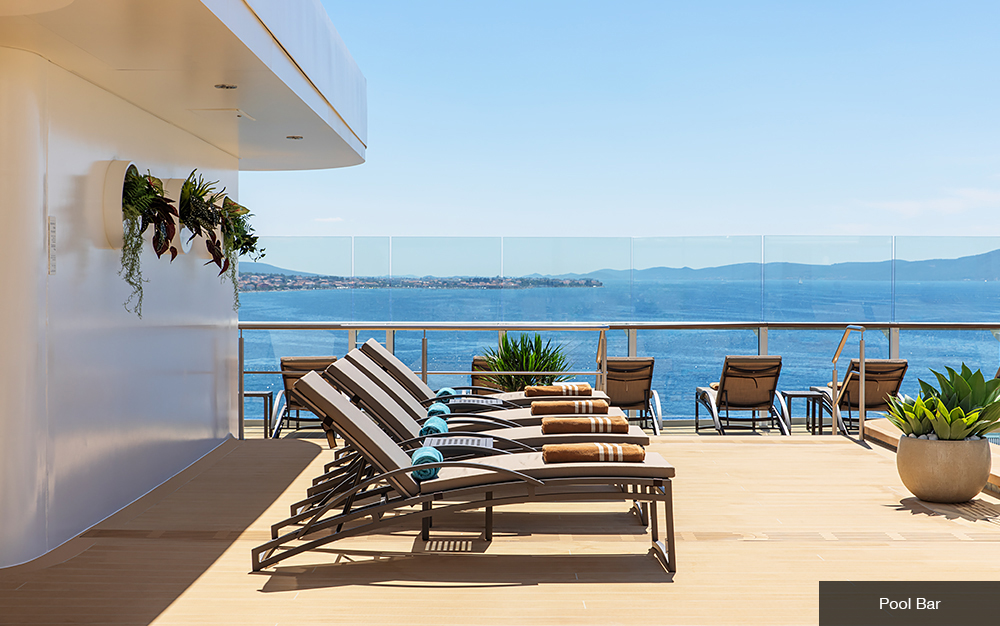
Aboard Silversea’s all-inclusive, ultra-luxury ships, guests benefit from such inclusions as butler service for every suite category; multiple restaurants serving diverse cuisine; in-suite 24-hour dining service; wines, spirits and beverages served throughout the ship; onboard gratuities; unlimited complimentary Wi-Fi; and more. Oceangoing voyages include one shore excursion per guest, per day, while all shore excursions are included on expedition voyages.
Don’t miss the chance to embark on a luxurious adventure with Silversea. Book now to enjoy up to $2,000 savings per suite and immerse yourself in an all-inclusive extraordinary on board experience. Limited time offer – book now!
Japan’s Sapporo Snow Festival will return to its pre-Covid glory this year, with all event sites in operation for the first time in four years, united under the theme “big snow sculpture.”
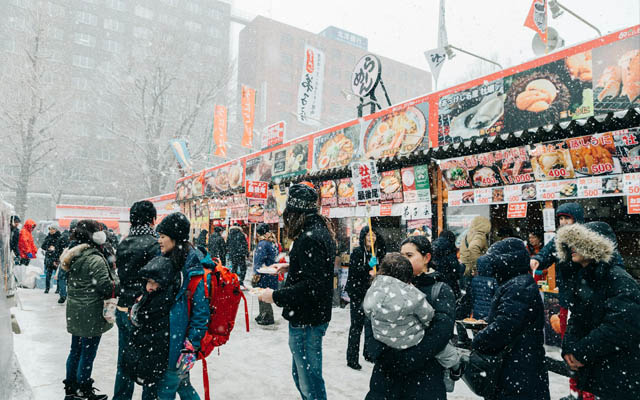
The international event on the northernmost main island of Hokkaido will be held at multiple venues across Sapporo and is expected to welcome more than two million visitors between February 4 and 11.
This year’s Sapporo Snow Festival will see all event sites in operation for the first time since Covid
The Tsudome site will be open for the first time since 2020, offering adults and children opportunities to play in the snow and learn about local culture. The returning venue is designed as the community hub of the event, featuring outdoor attractions including snow rafts and slides, a snow maze, stage events and Hokkaido-themed booths introducing the island’s food and drink.
At the city centre’s Odori venue, snow and ice sculptures of all sizes will cover about 1.5 kilometres. A curling experience will be offered for visitors in cooperation with the city’s curling association and Sapporo International Art Festival (which takes place every three years) will be held for the first time at the Odori venue. Its “snow town of the future” exhibit aims to offer insights on mobility and lifestyles in the years to come.
In expectation of more overseas travellers attending the festival this year, organisers are also rolling out events tailored for international visitors at Sapporo Hitsujigaka Observation Hill.
“The highlight of this site is the large snow-sculpture making activity, with sculptures of almost two metres a possibility,” said a spokesperson for the event.
The four-hour activity includes instruction from a snow sculpture-making expert, interpretation in English and a lamb BBQ lunch, at a cost of 154,600 yen (US$1,047) for a group of two to five people.
Visitors can also make mini sculptures, spot snow art in the Snow Art Forest and enjoy illuminations in the evening.
Tourism destinations in Asia have lined up a vibrant calendar of special events this Chinese New Year (CNY), starting February 10, to welcome holidaymakers during the main celebration days and beyond.
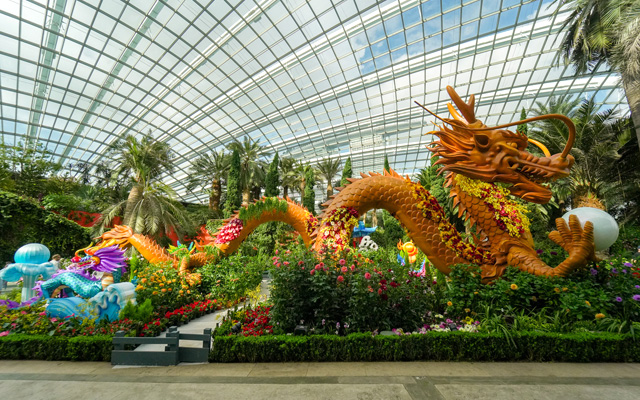
In Singapore, spring marks its arrival with the Dahlia Dream Chinese New Year floral display and River Hongbao carnival at Gardens by the Bay; Chingay Parade, which will put on the largest floor projection ever for a street parade on February 23 and 24; and various festive fun on Sentosa island, such as an underwater dragon dance at S.E.A. Aquarium every afternoon from now till February 25.
Dragon power comes alive at Gardens by the Bay’s Dahlia Dream Chinese New Year floral display
Hong Kong Tourism Board is set to ring in the Year of the Dragon with the Cathay International Chinese New Year Night Parade on February 10 in Tsim Sha Tsui. This head-turner will boast nine floats as well as 13 local and 16 international performing groups – the strongest line-up of performing groups ever. The floats will be stationed post-parade at The Urban Council Centenary Garden in Tsim Sha Tsui for public viewing from February 11 to 25.
Visitors can also catch the 2024 Lunar New Year Fireworks Display on February 11, and the popular and entertaining Chinese New Year Race Meeting 2024 at Sha Tin Racecourse on February 12.
Over in Macau, dual celebrations are in order – CNY will be honoured along with the 25th Anniversary of the Establishment of the Macao SAR. Parades have been planned, with the first taking place on February 12, running from the central district to Macau Fisherman’s Wharf; the second on February 17, covering the northern districts. A new aspect of the annual parade is the extension of the parade route to Macau Fisherman’s Wharf, where performances will be held to invigorate the night-time economy.
Macau’s signature Chinese New Year Fireworks Displays will return with three sessions this year, each lasting 15 minutes over the seafront of Macau Tower on February 12, 16 and 24.
In addition, visitors can look out for various activities, such as lion dances and zodiac mascot meet-and-greets, within community districts; an extended Light up Macao 2023 programme; and public exhibitions of the festive floats at Macau Fisherman’s Wharf from February 13 to 16 and Tap Seac Square from February 18 to 25.
While CNY is not a public holiday in Thailand, commercial players have stepped up to ensure the festive mood is palpable across capital city Bangkok. Entertainment destination IconSiam, in collaboration with the Ministry of Culture the Department of Cultural Promotion, the Thai Chamber of Commerce, the Board of Trade of Thailand, and various private sector partners, will throw a grand party from February 7 to 11. Locals and travellers can enjoy traditional rituals and performances along the Chao Phraya River.
Popular retail landmark Siam Paragon has lined up celebrities from China and Thailand to lead locals and visitors through the celebrations from February 8 to 11.
Chinese travel spike
These programmes will entertain holidaymakers from China, many of whom are looking to South-east Asia for their festive break. According to Trip.com data, outbound travel bookings from China for the upcoming holidays have surpassed last year’s figures by more than tenfold as of mid-January.
The OTA said destinations with friendly visa arrangements, such as Singapore, Thailand, and Malaysia, are favoured by Chinese tourists.
Most recently, Singapore and China agreed to a 30-day mutual visa-free entry for their citizens; this policy update will be implemented on February 9.
A surge in festive footfalls from China is expected in Hong Kong, and the authorities have made special crossing arrangements at the borders for the CNY holidays. The Shenzhen Bay Control Point, which usually closes at midnight, will operate round the clock from February 9 to 13; Lo Wu Control Point will remain open till 02.00 on February 9 and 11; and the MTR East Rail Line will be extended correspondingly.
Although Tourism Malaysia has not announced special events for CNY, inbound players are optimistic of a prosperous season. Chinese arrivals are anticipated to peak during the festival. As at press time, approximately 2,000 independent travellers in groups have been confirmed to arrive through major gateways, including Kuala Lumpur, Sabah, Penang, and Langkawi. Group sizes vary, and the numbers exclude FITs who have made their own travel arrangements, shared Mint Leong, president of the Malaysian Inbound Tourism Association (MITA).
Leong emphasised that the recent relaxation of visa requirements for Chinese tourists, allowing a stay of up to 30 days without a visa, along with the weakened ringgit, enhances Malaysia’s attractiveness as a destination.
MITA is actively monitoring Chinese arrivals in close collaboration with the Ministry of Tourism, Arts, and Culture Malaysia (MOTAC). Should there be last-minute demand spikes, a shortage of Mandarin-speaking tourist guides could set in. MOTAC would then issue temporary tourist guide licenses to cope with the situation.
According to Agoda, Malaysia is the third most favoured destination for Chinese tourists looking to celebrate the festivities overseas this year, surpassed only by Thailand and Japan. Chinese tourists particularly favour Kuala Lumpur, Johor Bahru, Kota Kinabalu, Melaka and Penang.
Also looking to make the most of the upcoming CNY travel season is Ant International, which has expanded its Alipay+ global merchant coverage to drive cross-border mobile payment for Chinese travellers, particularly in key destinations such as Thailand, Japan, and South Korea.
As of January 2024, Alipay+ partner wallets and bank apps include AlipayHK (Hong Kong), GCash (the Philippines), TrueMoney (Thailand), Touch ‘n Go eWallet (Malaysia), OCBC Digital (Singapore), and more.
“2024 will be an exciting year for Alipay+ to unlock many digital innovations in online and offline cross-border commerce,” said Douglas Feagin, president of Alipay+.
“As a global travel phenomenon, Chinese New Year is the perfect moment to kickstart our new range of partnerships, campaigns and product offerings to build a seamless and authentic travel experience and bring more business for merchants large and small,” added Feagin.
To encourage use of the Alipay app among Chinese holidaymakers, Alipay has invested in building market leadership with transparent and competitive exchange rates, free or discounted roaming data packages, and in-app ride-hailing convenience. It has also established special packages with merchants. In South-east Asia, special voucher bundles with up to 90 per cent savings have been prepared, while in Japan, deals with more than 500 street merchants around Mount Fuji in Fujiyoshida and Kawaguchi Lake have been created. – Additional reporting by Prudence Lui and S Puvaneswary
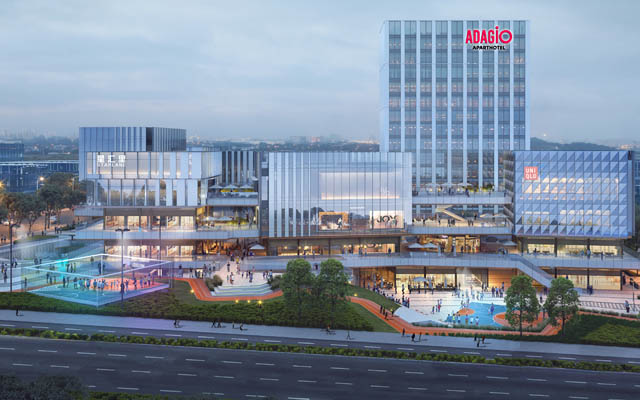
Accor has signed Adagio Chengdu Jianyang, marking the debut of Adagio, Europe’s leading long stay aparthotels brand, in China.
The 168-room midscale serviced residence hotel is slated to open by the end of 2025, in The Star Lane Urban Commercial Complex in Jianzhou New City, within the heart of Eastern New District of Chengdu.
Accor will debut its Adagio brand in Chengdu, China
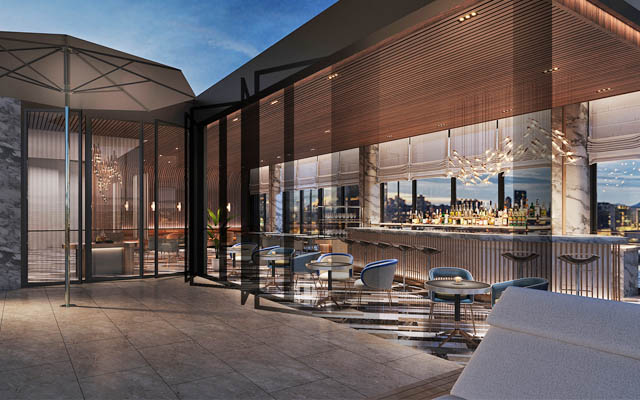
Family-friendly and pet-friendly, the apartments of Adagio will include the convenience of kitchen and laundry facilities, as well as a casual dining restaurant, lobby bar, meeting facilities, and fitness centre. The brand is committed to sustainability, and Adagio Chengdu Jianyang will have the advantage of being part of the Chengdu community that supports smart park city development.
The Star Lane Urban Commercial Complex will be a lively focal point of the community, offering entertainment, restaurants, shopping, and day-to-day conveniences. The complex is near Jili University and Tianfu International Circuit, while the neighbourhood connects to the central commercial and business area of Longma Lake Central Activity Zone, and the special commercial district of Linhe.
Dorsett Hospitality International’s new luxury flagship hotel, Dorsett Kai Tak in Hong Kong is scheduled to open in August 2024.
The Hong Kong owner and operator currently manages 53 properties across 23 cities, and Dorsett Kai Tak will be its 10th hotel in their home city of Hong Kong.
Dorsett Kai Tak will open in August 2024
The 373-room hotel will boast views of Hong Kong’s iconic Victoria Harbour, as well as sit adjacent to the city’s new 50,000 seat stadium, sports facilities, and new shopping and dining offerings. It is located only 15-20 minutes away from Hong Kong’s CBD via the new Shatin to Central link.
Dorsett Kai Tak will feature two Presidential Suites, each offering a private ocean view terrace complete with barbecue facilities – the Presidential Pool Suite comes with its own lap pool.
Other hotel facilities will include F&B options, rooftop swimming pool, fitness centre, and grand ballroom.
Nearby the hotel are a range of retail, dining, and entertainment options at nearby shopping malls including AIRSIDE, Mikiki, and the upcoming SOGO shopping mall, The Twins (opening in mid-2024).
In keeping with the company’s Dorsett Cares initiative, a commitment to caring for guests, associates, local communities and the planet, Dorsett Kai Tak has received a BEAM Plus Gold certification by the Hong Kong Green Building Council. The programme’s multifaceted approach encompasses green construction, the use of renewable energy, eco-friendly choices for guests, and community support.
Other openings in the pipeline include Dorsett Canary Wharf, Dorsett Brisbane, Dorsett Perth and Dao by Dorsett Hornsey Town Hall – the third opening of the company’s brand-new aparthotel concept, Dao by Dorsett.
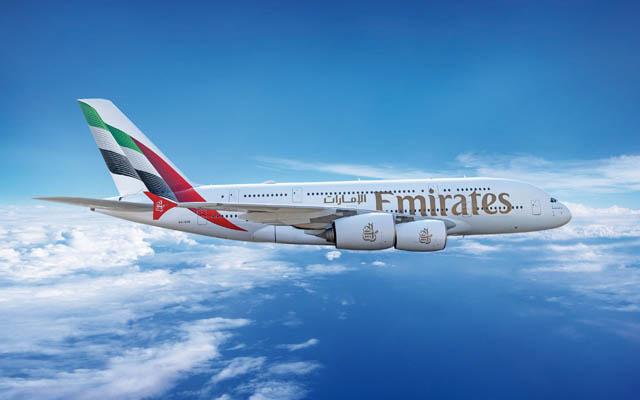
Emirates will ramp up its operations in Australia by upgrading its second daily flight between Dubai and Brisbane to an A380 starting from October 1, along with adding a second daily service between Dubai and Perth operated by a Boeing 777-300ER starting from December 1.
Emirates currently serves Australia with 63 weekly flights to Brisbane, Perth, Sydney and Melbourne, operated by a mix of A380 and Boeing 777 aircraft transporting 56,000 passengers per week to and from these major cities.
Emirates adds a second daily service between Dubai and Perth
The airline has recently announced doubling its Premium Economy offering on flights to Melbourne starting from February 1, adding to the two daily four-class A380 services to Sydney.
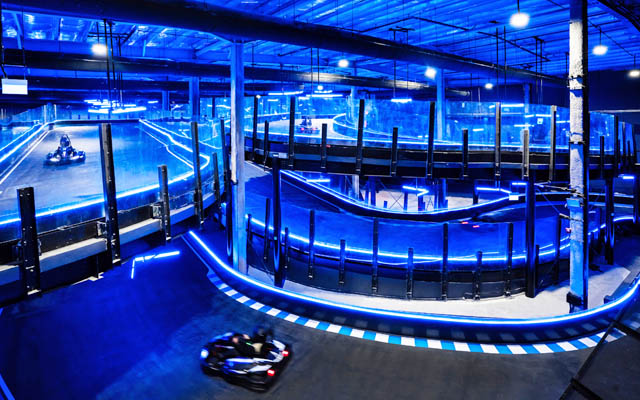
HyperDrive, Singapore’s first and only indoor electric go-kart circuit with a three-level racetrack, has redefined the karting experience with the introduction of its Game of Karts gamified karting experience, where virtual racing meets real-life go-karting.
Available to those aged nine and above, and at least 140cm tall, Game of Karts is enhanced with sound and lighting effects for an immersive experience. Drivers will enter a virtual gaming realm with the objective of collecting and utilising bonuses projected on the track to outrace opponents and complete eight full laps to clinch victory.
Virtual racing meets real-life go-karting at HyperDrive’s new Game of Karts experience
There is also a 110-seater HyperDrive Cafe located on the second floor.
Powered by a fleet of 36 eco-friendly electric go-karts, available in senior, junior, and tandem configurations, HyperDrive’s launch of Game of Karts completes the suite of attractions and dining experiences available at The Palawan @ Sentosa.
Marriott International has ended 2023 on a high note, with a milestone of more than 60 new openings and 80 new deals across Asia-Pacific excluding China. These developments translate to more than 560 operating hotels and residences, exceeding 10 per cent in net room growth compared to 2022, as well as 320 hotels with more than 69,000 rooms in the development pipeline.
Addressing a select group of Singapore-based media on Monday afternoon, Rajeev Menon, president, Marriott International, APEC (Asia-Pacific excluding China), described his company’s performance in the region as “incredible” and noted that travel and tourism in the region last year was “on steroids”.
Hill: expects to open more than 1,000 rooms in each of India, Japan, Malaysia and Thailand in 2024
Although the hotel giant will only release full-year financial results in February, Menon said the company has “broken every record there is”. He credited both leisure and business travel for 2023’s strong performance.
He added: “While the world seems to be on a precipice because of all the challenging news coming out of the Middle East and parts of Europe, the reality is it has been moving along from an economic point of view. Amid that, APEC has been a star throughout 2023. Thirty-three per cent of the world’s GDP was contributed through APEC. As a result, we are seeing considerable amount of new (hotel) investments coming up in this part of world.”
Detailing Marriott International’s record year of fresh signings, Shawn Hill, chief development officer of APEC, said 19 brands were involved – Fairfield by Marriott was the most in demand among owners, followed by Marriott, Courtyard by Marriott, and JW Marriott; The Luxury Collection and Westin tie in fifth place. Fifteen per cent of new deals in the region were in the luxury segment.
Hill shared that conversion projects were a big driver of growth – 25 conversion deals were inked in 2023, representing 36 per cent of the company’s total signings last year; 30 per cent of these opened within the year.
“This is phenomenal because some opening projects can take three to five years, or decades even, but conversions can be signed and entered into our system very quickly,” Hill explained.
This speed to market benefits Marriott International as well as owners who want to raise their RevPAR quickly.
The year 2023 was also marked with positive partnerships, as 45 per cent of signings came from existing owners and 95 per cent of contracts were renewed.
“It is clear that owners are very happy with our performance. Another major growth turbo-charger for us in 2023 was multi-unit deals. These are big portfolios held by a single owner. Marriott has scale and brands across every price point, as well as people on the ground to help owners analyse how sales would be like and what the labour rates and cost structures were in the market so as to maximise their assets,” he remarked.
Looking ahead, Hill told TTG Asia that double-digit growth is projected this year.
“Our Select collection – comprising moderately priced brands, like Fairfield, Four Points, and Courtyard – is expected to make up 30 per cent of our openings this year. Again, conversions will be a big growth driver for us in 2024, with about 35 to 40 per cent of 2024 openings being such projects. In terms of countries where we’re seeing the most growth, we expect to open more than 1,000 rooms in each of India, Japan, Malaysia and Thailand in 2024,” he said.
And as domestic travel continues to be an important source of business in the region, both Menon and Hill said new signings would spread into more secondary and tertiary cities.
“Our Select service hotels are popular for such signings since they perform well in secondary and tertiary destinations, are cheaper to build, rooms are moderate in price, and owners can get a good return quickly,” Hill said.
Hotel design is also “changing subtly” as the company expands into secondary and tertiary destinations. While hotels are typically smaller in size and function there, Hill said Marriott International is open to providing a meeting space in the property should market demand calls for it.
Indonesia’s Ministry of Finance (MOF) has ordered higher taxes on nightclubs, discos, karaoke lounges and spas since January 5, while allowing regional government to determine how much they want to charge within that bracket.
About 36 regencies have decided to apply between 40 and 50 per cent, while other regencies like East Belitung and Siak Regency have chosen to implement 75 per cent, according to data from the Directorate General of Fiscal Balance.
MOF’s decision to raise the entertainment tax has met with strong protests from the travel and tourism industry players (Photo: MoTCE)
Prior to this, entertainment tax was 25 to 35 per cent.
Justifying the tax hike, Lydia Kurniawati Christyana, MOF’s director of regional taxes and regional retributions, said at a media briefing last week that such services were enjoyed by the middle and upmarket communities.
MOF’s decision has met with strong protests from travel and tourism industry players, the spa association, and other tourism-related businesses. Representatives have submitted an appeal for a judicial review of the regulation.
Spa operators argued that they are part of the wellness industry, not entertainment.
Inul Daratista, an Indonesian karaoke lounge owner, said the tax increase could ultimately “kill the business”.
Ni Luh Djelantik, a businesswoman and activist from Bali, objected the hike, saying that it was unfair to “generalise that the entertainment business is only for certain people”.
She pointed out that there were also roadside spas that charge 150,000 rupiah (US$9.55) for a service. The tax hike would “kill” these operators.
Ni Luh warned that the new entertainment tax would drive tourists to other leisure destinations, like Thailand which has cut down on taxes.
She added that 60 per cent of Bali’s economy come from tourism, and the tax hike would stumble business owners that are still trying to get back on their feet after the pandemic.
MOF’s Lydia rejected the idea that the new taxes would negatively impact tourism, as not all entertainment establishments were affected. She pointed out that taxes on fashion shows, beauty contests, cinemas and concerts have gone down from a maximum tax rate of 35 per cent to 10 per cent now.
She also explained that the new regulation allows regional authorities to determine tariffs, and provide fiscal incentives in the form of relief, elimination and exceptions where necessary.
Indonesian Tourism Industry Association board member Hasiyanna Ashadi stated that there is regional autonomy, and destinations that do not wish for such entertainment facilities would implement the highest tariff rates while those that “need the money” from tourists would decide on a lower tax rate.
Nevertheless, the tax hike is expected to burden businesses that are losing their competitive edge to other destinations.
“At the end of the day, their clients will be the one to pay and they have the choice to go somewhere else more affordable,” Hasiyanna remarked.
Select Hotels Group has marked out Indonesia as its first market expansion beyond its home base Japan, through a management takeover of 192-room Enso Hotel by Celecton in the industrial area of Cikarang, West Java.
The Japanese hotel company, which was founded in 2005, has 50 hotels in various cities across Japan, ranging from business to luxury categories.
Select Hotels Group’s Hiroshi Nakamura and Andhy Irawan
“We are excited to expand to Indonesia, which is a rapidly growing tourism market with a rich culture and history. We believe that our Japanese hospitality and expertise can make a positive contribution to the Indonesian tourism industry,” shared Hiroshi Nakamura, president and CEO, Select Hotels Group.
Nakamura added that the group has currently signed four Memoranda of Understanding for hotel management in Jakarta and Bali, with several others still under discussion.
Select Hotels Group is working with its hotel development advisor, Andhy Irawan, to lead its expansion in the country – Andhy, previously CEO of Dafam Hotels & Resorts, has had success developing hotels in Indonesia.
Expecting good business from the domestic market, Andhy told TTG Asia that the company aims to flag 50 hotels within three years, not only to manage, but as investments.
“We are looking at having properties not only in major destinations but also second-tier cities in the country, mostly in (mid-scale) categories,” he noted.
Nakamura said: “We believe that our presence in Indonesia will help to attract more Japanese tourists to the country, and we are also excited to welcome Indonesian guests to our hotels in Japan.”