Travel DMC Group and its subsidiary, KP Transport, have launched the Sit in Coach programme in Singapore, an initiative designed to redefine the travel experience for a global audience, offering a suite of services that includes airport transfers, attractions transfers, and city tours.
Travellers can now experience seamless and luxurious airport transfers to and from Changi Airport; dedicated transfers to Singapore’s iconic attractions; and explore the city’s cultural landmarks, historical sites, and vibrant neighbourhoods with an experienced guide.
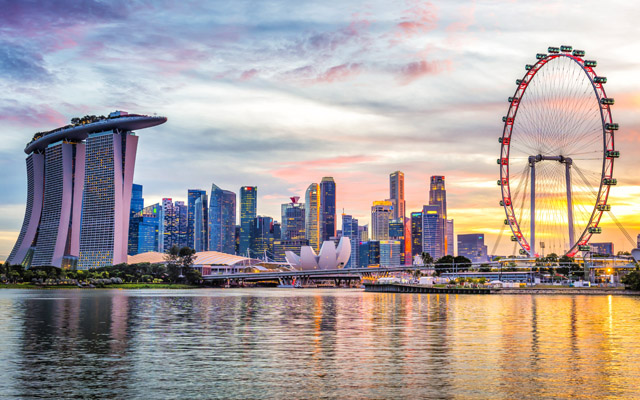
The Sit in Coach programme offers airport transfers, attractions transfers, and city tours around Singapore
To celebrate the launch of the programme, Travel DMC Group and KP Transport are offering special rates on platforms Globaltix and Kkday, as well as directly on KP Transport’s website.
Go City and Tall Ship Adventures are offering exclusive bundle deals for the Sunset Dinner Cruise onboard the Royal Albatross and a choice of two Go City passes in Singapore.
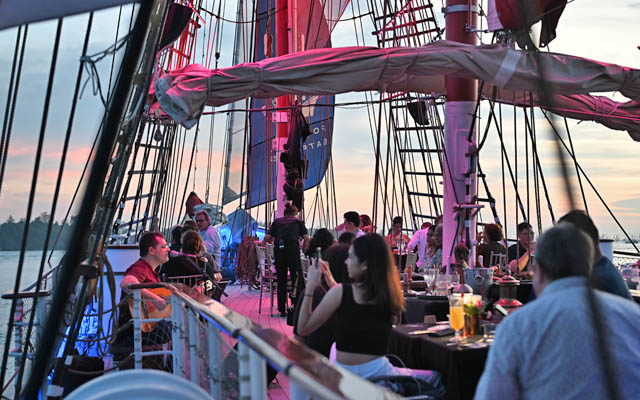
The Royal Albatross’ Sunset Dinner Cruise is known for its unique, elegant, gourmet dining experience set against the backdrop of 360-degree sea views along the Sentosa Coastline.
Royal Albatross’ Sunset Dinner Cruise is known for its unique, elegant, gourmet dining experience
The bundles include the Sunset Dinner Cruise on Royal Albatross and their preferred choice between the Go City All-Inclusive Pass and the Go City Explorer Pass.
The Sunset Dinner Cruise Ticket and Go City All-Inclusive Pass (two-day pass) is priced from S$456.82 (US$341) per pax, while the Sunset Dinner Cruise Ticket and Go City Explorer Pass (two-choice pass) starts at S$328.53 per pax.
Furthermore, Go City customers can now experience even greater cost savings up to S$170, and utilise a S$125 voucher when acquiring tickets for the Royal Albatross Sunset Dinner Cruise with a seven-course degustation menu upgrade, worth S$89.93 per pax, with their Go City Singapore pass.
Tickets are available at their on-site ticket booth in Sentosa, and on the Royal Albatross website.
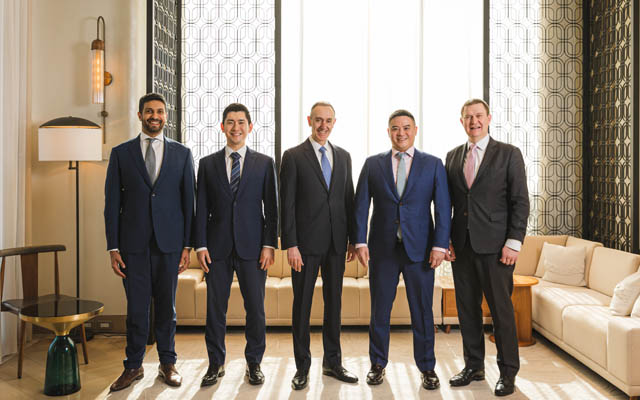
La Vie Hotels & Resorts has promoted industry veteran Alan Christie to the role of senior director – growth & business development, Asia, Middle East and Africa.
In this newly-created role, he will be based out of La Vie’s Bangkok head office where he will take charge of growing La Vie Hotels & Resorts portfolio across Asia, Middle East and Africa and increasing awareness of this business model.
He was most recently La Vie’s area general manager, Sri Lanka, where he was responsible for managing the strategic performance of the Radisson portfolio in Sri Lanka.
Minor Hotels has appointed Vijay Krishnan-Vazhvelil as vice president – operations, India.
With over 20 years of experience, he is an experienced business leader with a focus on luxury hospitality, wildlife tourism and experiential travel.
He will be based in Dubai and Bangkok, and will play an instrumental role in building a sustainable pipeline and operations in India. His most recent role was as vice president of operations at Royal Orchid & Regenta Hotels & Resorts.
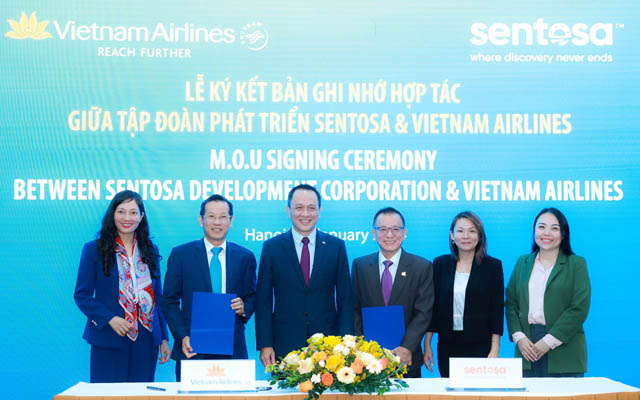
Vietnam Airlines and Sentosa Development Corporation (SDC) have signed a one-year Memorandum of Understanding (MoU) to promote tourism between Vietnam and Singapore.
As part of the MoU, Vietnam Airlines and SDC will collaborate and develop tourism products and promotional offerings aimed at cementing Sentosa Island as a destination of choice.
The partnership aims to promote tourism between Vietnam and Singapore
Vietnamese passengers travelling on Vietnam Airlines to Singapore can enjoy complimentary admission into Sentosa Island, as well as a complimentary ticket to either one of the island’s top attractions – Wings of Time, a light and water night show, or the Sentosa Island intra-island cable car.
In addition, these travellers will receive exclusive privileges with their Vietnam Airlines boarding passes, including discounts on the Sentosa Fun Discovery Pass which provides access to multiple leisure experiences and attractions across Sentosa.
Vietnam Airlines currently operates direct flights from Ho Chi Minh City and Hanoi to Singapore, with 28 flights per week. Furthermore, a year-on-year increase of 22 per cent in visitor arrivals from Vietnam was recorded from April to November last year, according to statistics by Singapore Tourism Board.
Dang Anh Tuan, executive vice president, Vietnam Airlines, said: “The collaboration (aims) to not only bring exceptional benefits to travellers between Vietnam and Singapore but also to enhance the role of the national airline contributing to fostering economic, commercial, and cultural exchanges between the two countries.”
Chin Sak Hin, assistant chief executive and chief financial officer, SDC, added: “Given the growth potential of the country, this MoU offers tourists on Vietnam Airlines a host of privileges… with our newest day-to-night attraction Sentosa Sensoryscape set to soft launch in March, there will be even more new adventures and experiences to be discovered and we welcome our friends from Vietnam to Sentosa’s shores.”
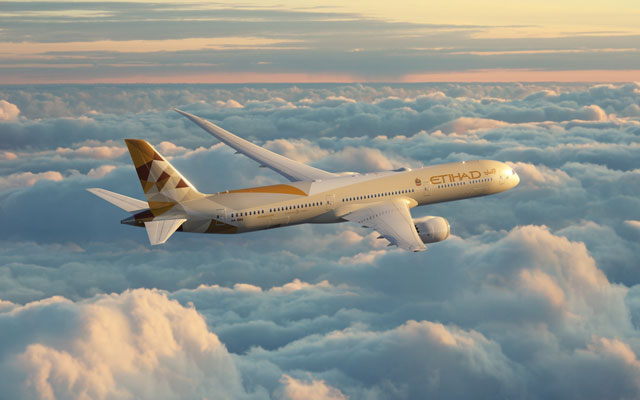
Travelport and Etihad Airways have renewed and expanded their content distribution agreement which will include New Distribution Capability (NDC) content and servicing.
The agreement deepens the partnership between Travelport and Etihad Airways, as the companies will collaborate on the delivery of NDC content and servicing for Travelport-connected agencies.
Etihad Airways has renewed its content distribution agreement with Travelport
As part of this multi-year deal, Travelport customers will have continued access to Etihad Airways’ extensive and growing global travel network through the Travelport+ platform.
Additionally, Etihad will continue its participation in Travelport’s rich content and branding programme and digital media marketing product solutions, such as sponsored flights.
“Our collaboration with Travelport will bring more offers to travel agencies and more choice to travellers across our growing worldwide network,” said Arik De, chief revenue and commercial officer, Etihad Airways. “With this renewed deal, we will continue to provide our agency partners access to our complete range of content and fares, as well as upcoming products and services, which will further enhance our guests’ travel experience.”
“Our new long-term agreement with Etihad Airways offers our customers using Travelport+ a complete solution that makes it easy for them to search, sell and service Etihad Airways content from any source,” said Jason Clarke, chief commercial officer, travel partners at Travelport.
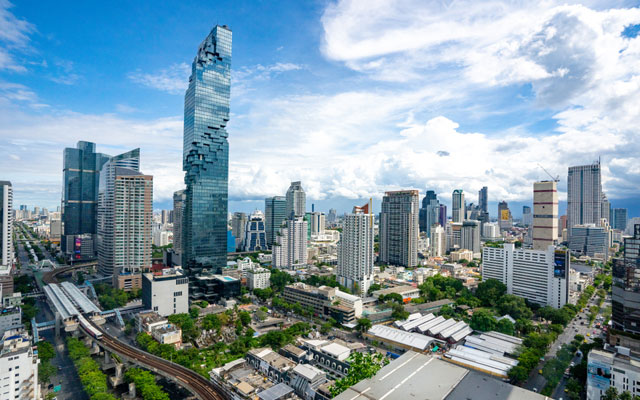
Agoda insights revealed that Bangkok has surpassed Dubai as the most popular city destination among Indian travellers – other cities that followed include Pattaya, Singapore, and Bali.
The five most popular outbound markets are Thailand, the UAE, Vietnam, Malaysia, and Indonesia.
Bangkok is the top city destination for Indian travellers
The updated popularity rank is based on Agoda’s booking data since November 10, 2023, the date on which Thailand started offering visa-free travel to Indian tourists.
The decision by Thailand, Malaysia, and Indonesia’s governments to relax their visa policies for Indian travellers appears to have positively influenced the booking trends, with South-east Asian markets and city destinations solidifying their position and even moving up the top booked destination ranking. More markets are opening their borders to Indian tourists, who now enjoy visa-free access to 62 countries, including several in South-east Asia.
The relaxation of visa restrictions is not just benefiting Indians travellers; different markets across Asia-Pacific recently announced changes to their policies or are said to be considering further relaxations. Some of the most eye-catching changes were announced by China, which recently announced a visa-free corridor with Thailand, as well as visa-free travel windows for visitors from France, Germany, Italy, Malaysia, Switzerland, Spain, and the Netherlands.
Krishna Rathi, country director India, Sri Lanka, and Maldives, Agoda, stated: “The relaxation of visa norms seems to be an accelerator for India’s outbound travel landscape. More and more destinations are recognising India’s potential as a key source market.
“With Bangkok now leading over Dubai, and Pattaya rising in the ranks, it’s clear that South-east Asia’s allure is growing stronger. The fact that many of these destinations can now be visited without having to worry about the paperwork will likely encourage even more Indian travellers to go abroad and explore.”
IHG Hotels & Resorts (IHG) has signed a letter of intent (LOI) with Axe Management Partners to launch its new midscale conversion brand Garner in Japan this year.
The partnership will see Garner make its Japan debut in 2H2024 with three conversion hotels in Osaka, adding more than 500 rooms to IHG’s growing Japan estate.
IHG will launch Garner in Japan later this year
The three properties in Osaka will undergo refurbishment before rebranding as Garner. Located in the centre of Osaka, just moments away from the famous Midosuji shopping street and Dotonbori, the three hotels are nearby Honmachi Station, and just an hour away from Kansai International and Itami airports.
In addition, guests at the three hotels will be able to enjoy all the perks of IHG One Rewards loyalty programme.
Launched in August last year, IHG expects Garner to reach an estate of over 500 hotels over the next 10 years and 1,000 hotels over the next 20 years. The world’s first Garner hotel opened in Seattle less than three months after the brand’s launch and, now, the Japan announcement is the first LOI for the brand outside of North America.
Elie Maalouf, CEO, IHG Hotels. & Resorts, commented: “The first Garner LOI signing outside of North America is a significant milestone for the brand, and one we are very excited about. Japan is well-known for its high-quality domestic midscale hotels, and we think Garner is the perfect brand to help take them to a global stage with IHG’s powerful systems, world-class technology, market leading operations support and award-winning IHG One Rewards loyalty programme.”
“We have great confidence in the Garner brand and are determined to deliver an experience that will truly impress domestic and international travellers,” added Gary Kwok, founder and CEO, Axe Management Partners.
IHG currently has 54 open or pipeline hotels across Japan, with plans to further expand its portfolio.
In response to the ongoing industry demand, Luxury Escapes will launch a new industry booking portal from March for Australian travel agents.
The portal will be used for tens of thousands of travel agents around Australia, benefitting millions of Australians who can now book exclusive Luxury Escapes travel deals via their travel agent of choice.
Australian travel agents will now be able to access commissionable rates for Luxury Escapes’ Limited Time Exclusive offers through the platform
Agents are finally able to access commissionable rates for Luxury Escapes’ Limited Time Exclusive offers, where previously they had to purchase Luxury Escapes limited time packages and sell to customers for zero commission. They also get access to bespoke tours and cruise products.
Adam Schwab, co-founder and CEO, Luxury Escapes, commented: “The launch of our new industry portal allows us to give access to agents to our very best product and importantly, pay agents for the incredible work they do helping customers every single day.”
“We have long had huge demand from travel agents wanting to book our packages and are thrilled to now be able to offer industry access to the Luxury Escapes platform and product. We appreciate many Australian consumers have existing travel agent relationships and look forward to offering our amazing deals to a wider audience by way of travel agents across the country,” said Chris Brandon, senior manager – agency distribution, Luxury Escapes.
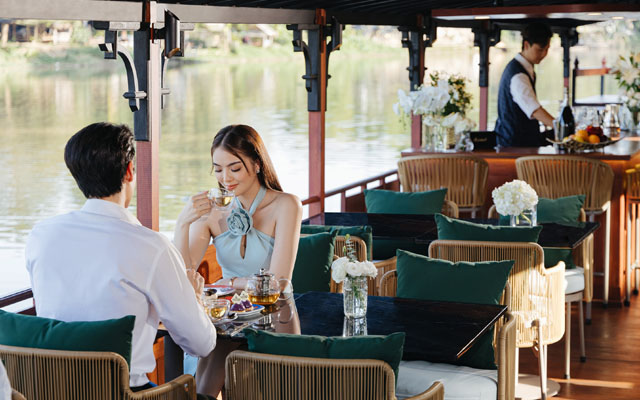
Anantara Chiang Mai Resort has elevated its luxury river sailings with two boats and four different itineraries, each departing daily from the resort’s private pier on the banks of the Mae Ping River.
The JAO Ping River Cruise offers daily cruises for both individuals and groups, guests and visitors, on two hand-carved teak boats – the Nam Jai, a scorpion-tail for up to eight passengers, and the Nam Jit, a larger pontoon complete with a bar, dining area and dedicated facilities on board to host up to 24 seated passengers or 40 passengers on a private charter.
Enjoy afternoon tea on the Nam Jit river cruise
The Nam Jai cruises brings passengers in the morning to the nearby Wat Ket Karam, one of Chiang Mai’s oldest communities. It also drifts through the city at twilight, under iconic bridges, past small temples and into lush green, all while allowing passengers to enjoy free-flow canapés and cocktails.
Nam Jit cruises offers the signature Anantara experience on board with afternoon tea, taking classic English and adding a hint of the tropics. The dinner cruise is a sumptuous affair, with four courses of royal Thai cuisine served by starlight, along with a free flow of drinks.
Daily sail timings are at 09.00, 14.30, 17.00 and 18.00, depending on weather conditions.
Prices start from 990 baht (US$28) per person, with private charters also available.



 He was most recently La Vie’s area general manager, Sri Lanka, where he was responsible for managing the strategic performance of the Radisson portfolio in Sri Lanka.
 He will be based in Dubai and Bangkok, and will play an instrumental role in building a sustainable pipeline and operations in India. His most recent role was as vice president of operations at Royal Orchid & Regenta Hotels & Resorts.