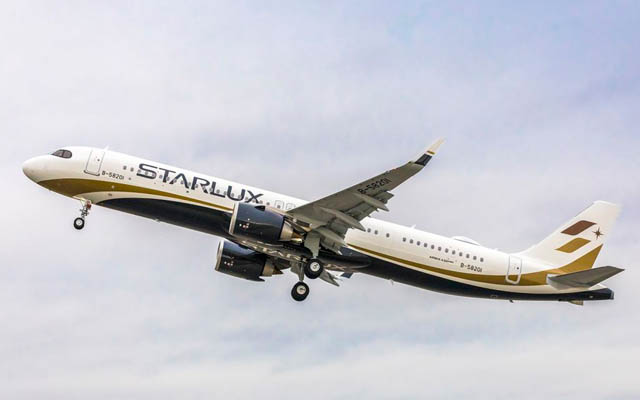
Taiwan-based luxury carrier Starlux Airlines will launch non-stop flights from Seattle to Taipei from August 16.
The new service will fly from Seattle-Tacoma International Airport to Taiwan Taoyuan International Airport three times a week, and will be operated on an Airbus A350 that offers four First Class seats, 26 Business Class seats, 36 Premium Economy seats, and 240 Economy seats.
Starlux Airlines will fly direct from Seattle to Taipei starting August 16
This marks the airline’s third US gateway after Los Angeles and San Francisco, offering US travellers direct flights to Taipei and seamless connectivity to 21 Asian destinations.
In addition, Seattle-Tacoma International Airport is also the hub of Starlux’s partner Alaska Airlines, enabling travellers bound for Asia to easily transfer upon arrival at Seattle-Tacoma International Airport.
PATA is now accepting submissions for the PATA Face of the Future Award 2024, an initiative that focuses on human capital development while emphasising the values of sustainability and social responsibility within the Asia-Pacific tourism industry and beyond
This annual award seeks to recognise an exceptional ‘rising star’ in the industry. All recipients of this prestigious award have exhibited initiative and leadership in the advancement of tourism as well as demonstrating commitment to the sustainable development of the Asia-Pacific travel industry in line with PATA’s mission.
PATA Face of the Future 2023 winner Sangeetha Liyanapathirana of Cinnamon Hotels & Resorts, Sri Lanka
The PATA Face of the Future 2024 will receive full sponsorship to participate and be recognised at PATA Travel Mart 2024. Furthermore, the winner will be granted a speaking opportunity at the PATA Youth Symposium and a seat on the PATA Board to represent the PATA youth community. Other benefits include global media exposure via PATA’s far-reaching communication channels; the opportunity to build their profile as a mentor for the PATA Youth Mentorship Programme; one post on PATA Blog about their passion and journey to success; and more.
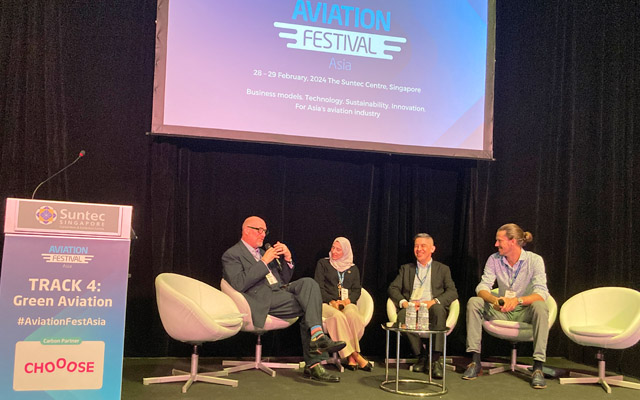
The roadmap to net zero carbon emissions can be achieved through aircraft technology development; operations and infrastructure improvements; market-based measures and offsets; and the use of sustainable aviation fuel (SAF), opined Cebu Pacific chief strategy officer, corporate strategy office, Alex Reyes during the recent Aviation Festival Asia (AFA) held in Singapore.
Referring to them as the four levers in an implementable strategy, Reyes commented that “climate action is imperative as extreme weather is a top risk that presents a material crisis on a global scale as well as for the aviation sector”.
From left: Torbjorn Karlsson, Rahimah Ali, Alex Reyes, and Philipp Bonkatz (Photo: Caroline Boey)
Averting climate overshoot beyond the 1.5°C threshold requires net zero carbon emissions by 2050, and while the industry has integrated all the four levers into its strategy and operations, there is much to be done.
Speaking at the green aviation track of the AFA, Reyes said fleet modernisation with new engine option transition is already taking place at Cebu Pacific, where 43 per cent of its fleet is the Airbus A320neo and the goal is to fly an all-new neo fleet by 2028.
Separately, the airline is studying the use of e-aircraft and propulsion battery technology on short-range domestic sectors of an hour or so, to make up around 10 to 20 per cent of its network.
Cebu Pacific is collaborating with original equipment manufacturers and leading innovators on low-carbon and/or zero-emission technologies and the roadmap also requires fuel efficiency best practices, fight plan optimisation and electrification of ground transport and common support equipment, he added.
Other initiatives include carbon removal through nature, and capacity building for Carbon Offsetting and Reduction Scheme for International Aviation – stakeholder engagement is also being stepped up.
As for SAF, the supply network has to be expanded so that its use can be integrated into operations and government policies for its adoption must be adopted.
While younger consumers are willing to pay for green initiatives, Reyes noted a mindset change was needed among older passengers.
He said Singapore mandating SAF use for departing flights from 2026 – and travellers having to pay more for air tickets to support the use of greener jet fuel – is a step in the right direction.
Following the presentation at the panel discussion, Rahimah Ali, group head of sustainability, Malaysia Airlines (MAS), opined that SAF use, now only at 0.1 per cent, can become a crucial lever in the medium- and long-term with innovation and technology.
She said MAS and Petronas, Malaysia’s global energy company, need to be the “first movers” in the country when it comes to SAF.
While airlines are committed, not everyone is ready, opined Philipp Bonkatz, general manager, Singapore, Malaysia and Brunei, Lufthansa Group.
He said the industry is fragmented, but more and more are driving towards the goals of SAF use reaching 60 per cent by 2050 and a 2030 timeline for certification.
Bonkatz commented: “There is hardly international regulation in the region… and while 30 per cent of airlines are prepared to spend more, only a smaller number are doing something.”
He agreed there must be commitment from all stakeholders – consumers, government and the industry, a sentiment echoed at other AFA sessions.
Moderator Torbjorn Karlsson, senior client partner, Korn Ferry, pointed out airlines need to make it easier for passengers to be able to opt in to pay for carbon offsetting, while Rahimah noted that MAS was seeing sustainability support from passengers in western markets like Australia, the UK and the US.
Bio fuels already exist, Bonkatz observed, and shared that Swiss students are testing solar fuel and other types of e-fuel.
He is confident that there are resources to bankroll start-ups to come up with solutions but they have to be “safe” and “affordable”, and that is why it is taking so long for them to be “certifiable”.
The panellists said the awareness of and “call to arms” on SAF and other green technologies inside and outside the industry can be considered an achievement so far.
China’s Ministry of Foreign Affairs on March 29 warned citizens of challenging travel conditions to the US due to a spike in cases where Chinese students and company employees were subjected to “unwarranted interrogations and harassment” by US airport law enforcement officers.
China’s travel advisory for citizens entering the US urges safety precautions and preparation for “various unexpected situations”, detailed a South China Morning Post news report.
More Chinese travellers are being subjected to unwarranted interrogations and harassment at US airports
The ministry and the Chinese embassy and consulates in the US have lodged a solemn representation to the US.
Since November 2023, at least eight Chinese students with valid documents have been searched, interrogated or sent back from Washington Dulles International Airport alone, according to a tally by Chinese media.
A biological sciences PhD candidate has also claimed to have been subjected to a body search, eight hours in an interrogation room, and 12 hours in solitary confinement before being deported by officials at Dulles airport in December last year. She was due to return to the US to continue her studies.
These incidents appear to be a setback in the pledge by both countries to facilitate educational and other exchanges in recent months. In November, while on a visit to the US, Chinese president Xi Jinping said China would invite 50,000 young Americans to study in the next five years.
The aviation industry has just 20-plus years to achieve net zero emissions reduction by 2050. While governments and airlines are making moves towards this goal, the journey is still fraught with difficulties, particularly in accessing sufficient Sustainable Aviation Fuel (SAF), notes Subhas Menon, director general of the Association of Asia Pacific Airlines.
In this episode of TTG Conversations: Five Questions, Menon discusses the obstacles that are slowing down responsible aviation transformation, the importance of government support, and the impact of pricey SAF on the affordability of air travel.
Meliá Hotels International has unveiled the new version of its platform for the B2B segment, Meliá PRO, which aims to improve the user experience and help travel agents, companies, event organisers and tour operators in their day-to-day operations.
Offering more personalisation and efficiency to all those professionals choosing the platform to manage travel and organise events, the platform increased its sales by 16 per cent in 2023 and already has more than half a million registered companies and over 60,000 travel agencies.
The new Meliá PRO platform aims to help travel agents, companies, event organisers and tour operators in their daily operations
The Meliá PRO website offers new features that will enable users to better manage and control their professional and personal activities.
These include a complete redesign and differentiated segmentation by customer type; real-time access and booking management at any time of the day for immediate sharing with the end customer; technological migration that reduces loading times, hence increasing productivity; nine primary languages adapted to each region’s specific needs; seamless control of agents’ commissions, with real-time monitoring of the status of each one of them; and visibility throughout the booking of the benefits and advantages offered by the MeliáRewards loyalty programme, both for the agent and the end customer.
Meliá Hotels International’s chairman and CEO, Gabriel Escarrer, said: “In the era of digitalisation, we want to be closer than ever to our partners, companies and travel agencies, who historically have always been our guardian angels. It is, therefore, an effort and investment that we are keeping in line with our digital strategy, offering a new website designed by and for them”.
Trip.com’s global March 3.3. promotional campaign saw a record success, attracting over 700 million impressions across multiple product lines, including flights, hotels, and attractions from markets spanning Asia-Pacific, Europe and the US.
The popular Trip.com Double Date promotions are expected to expand, providing consumers with exclusive discounts and special offers that can help them save money and enjoy unique travel experiences throughout the year, including other dates such as 7.7, 9.9 and 11.11.
Trip.com plans to expand its Double Date promotions to attract more consumers
These double-date promotions follow the footsteps of widely recognised e-commerce events like Black Friday and Double 11, which have gained significant traction across Asia where consumers are inclined to maximise savings through lower prices and promotions.
The success of Trip.com’s Double Date initiative across various product categories drove total gross merchandise value up compared to the 3.3 sale period last year. There was significant growth across destinations, with markets such as Japan experiencing standout results in particular.
Downloads of the Trip.com app hit a new high during the campaign, with Trip.com trending as the number one app in the free travel app rankings on the Apple App Store and Google Play Store in Hong Kong SAR, South Korea and Singapore.
Trip.com’s COO, Schubert Lou, said: “We are confident that our double-date promotions will continue to attract global customers who seek to travel in style and comfort with the best possible deals.”
Raffles Grand Hotel d’Angkor invites guests to experience the region’s rich culture and history with the launch of its exclusive Curated Journeys.
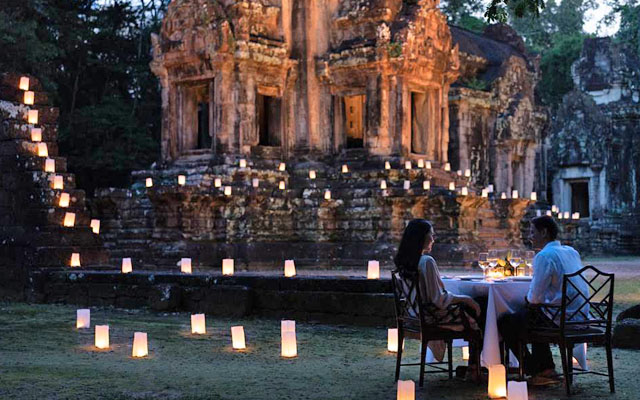
First is the Bespoke Temple Dinner within the ancient temple complex of Angkor. Dine among the ancient relics of the Khmer Empire with surrounding torches to light up the night, and watch a performance of traditional Cambodian Apsara dance. The meal is inspired by the hotel’s original 1936 menu first served in this historic setting.
The Bespoke Temple Dinner lets guests dine within the ancient temple complex of Angkor
Next, the Lost Civilisations of Angkor by Vespa features an off-the-beaten-track chauffeured ride on the back of a motorbike through the Angkor Archeological Park, with highlights like Angkor Wat, Ta Prohm, Bayon, Angkor Thom and other lesser-known architecture marvels. The journey begins at dawn to watch the sunrise at Angkor Wat, followed by a Raffles breakfast picnic at the edge of the temple complex.
In Meet the Elephants of Angkor, guests travel to the elephant sanctuary at Kulen National Park for a hands-on experience with the majestic creatures. After the encounter, guests are served a picnic in the jungle. The cost of the experience is donated to the elephant sanctuary for the conservation and protection of the area’s community forest and endangered wildlife.
The Khmer Culinary Discovery involves a night-time tour of Siem Reap’s best-loved restaurants, and includes a welcome drink, art gallery tour, three-course meal at three destinations, transportation by tuk tuk (a traditional rickshaw) and a souvenir to bring home.
Lastly, the Siem Reap Art Tour offers an insider’s look into the talented community of artists and ateliers in Siem Reap, while the Reflections of Angkor lets guests enhance their photography skills while discovering hidden gems at the UNESCO World Heritage Site of Angkor with a veteran photographer.
In addition, the new onsite Raffles Resort programme features seven memorable experiences within the resort grounds such as a historical tour around the hotel, an intimate class with the hotel’s resident sommelier, a hand-folding lotus session, a masterclass on the iconic Raffles cocktail, the Singapore Sling, and a Royal Residence Tour by the hotel’s resident curator.
Those seeking wellness can join the morning Yoga Asana session, as well as a spiritual ceremony to receive a monk’s blessing performed under a pagoda bell that was unearthed after the war and gifted to the hotel as a sign of peace.
Look up! It’s a bird, it’s a plane… it’s a cable car!
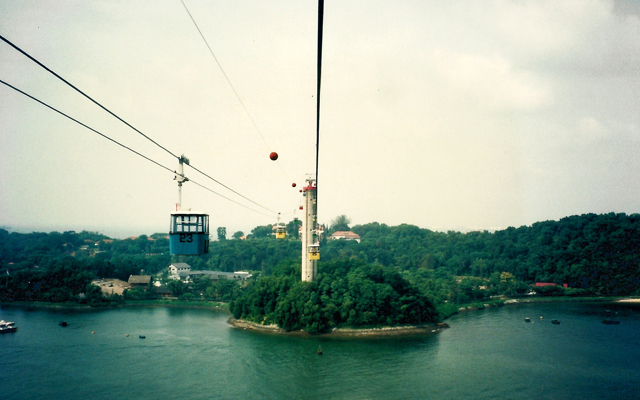
Well, not just any cable car, but a string of 67 modern, and rather fancy cable cars operated by Singapore Cable Car, one of the very first tourist attractions presented by the city-state.
Singapore Cable Car through the years
1 of 4
The first generation cable car
Sky Dining takes off
The new SkyOrb Cabin
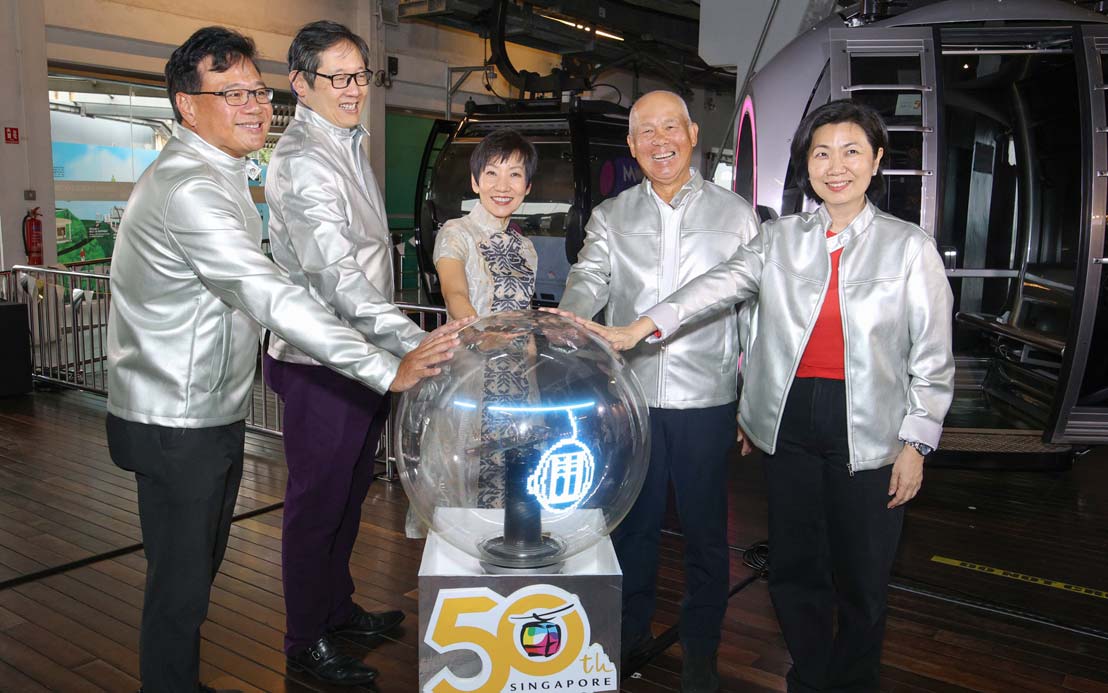
From left: MFLG's Buhdy Bok and Michael Syn; Minister Grace Fu; SDC's Bob Tan and Thien Kwee Eng
Launched in 1974, Singapore Cable Car is now part of the larger Mount Faber Leisure Group, which also manages and promotes other hot attractions today, like Mount Faber Peak, SkyHelix Sentosa and Wings of Time.
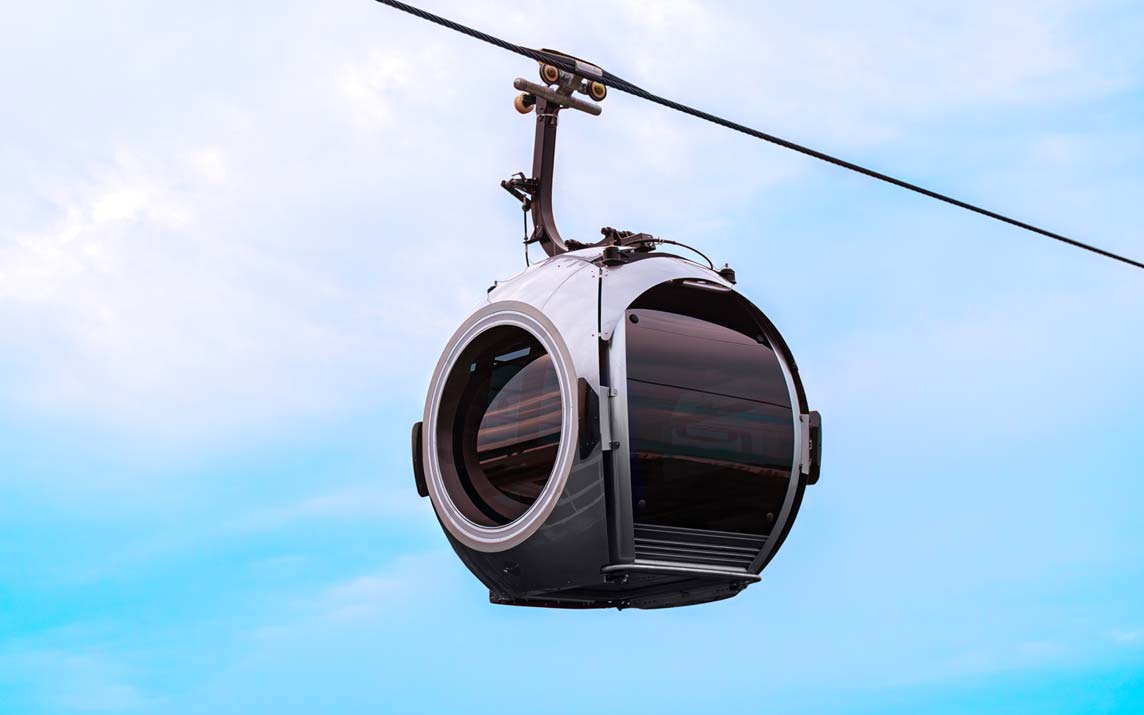
In celebration of its Golden Jubilee this year, Singapore Cable Car unveiled a collection of seven futuristic SkyOrb Cabins – chrome-finished spherical cabins with glass bottoms and enhanced ventilation. These are said to be the first of its kind globally, and specially designed and built in Switzerland for Singapore Cable Car.
The creation of the SkyOrb Cabins was five years in the making, at a time when the attraction was celebrating its 45th anniversary, revealed Buhdy Bok, managing director of Mount Faber Leisure Group.
This forward-thinking culture is a hallmark of Singapore Cable Car, which has led several innovative products and ideas through the years.
In 1979, it earned its first international exposure through American action drama, Hawaii Five-O, which featured an action scene at Mount Faber Peak and on first-generation yellow cable cars.
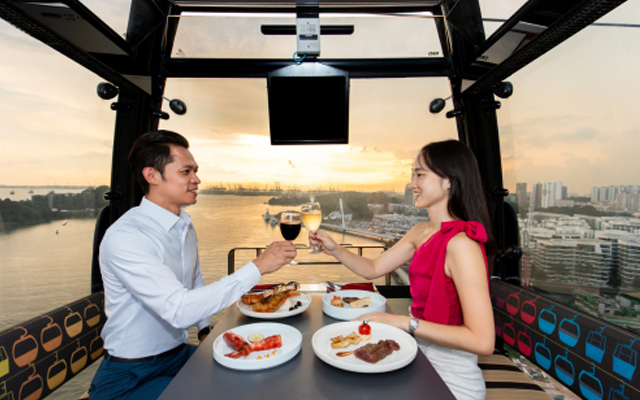
Demonstrating that cable cars can be more than just a scenic way to commute between the mainland and resort island Sentosa, Singapore Cable Car launched in 1998 the world’s first Sky Dining concept, a private dining experience for guests as they take in sights of the city skyline.
In 1999, Singapore Cable Car showed off its collection of the world’s first glass bottom cabins. Six years later, as part of its 30th anniversary celebrations, it gained even more fame with Singapore’s and Asia’s first reality challenge in a cable car – the Surviving the Sky 7 Days Challenge required teams of one female and one male to endure living in a cable car for 168 hours. It drew 36 teams from Singapore, Thailand, Indonesia, Malaysia, Hong Kong and South Korea.
The iconic cable cars that dot the southern coast skyline have also embarked on thematic campaigns that reflect major current trends, like Angry Birds and Pokémon.
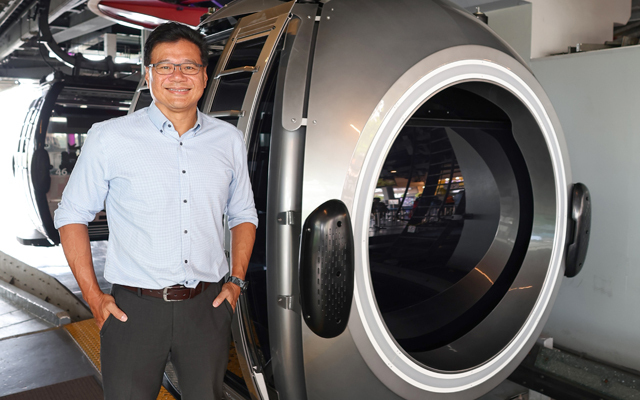
Bok: ability to adapt and innovate
Bok, who took his first ride when he was just six years old and in a first generation red cabin with his family and relatives, said the ongoing Pokémon experience was initiated in May 2023, as part of pre-celebrations leading up to the Golden Jubilee. The campaign features Poké Ball cabins and photo opportunities with a life-sized Pikachu, a 2m-tall life-sized Snorlax sculpture, and various photo points around Mount Faber Peak.
“By bringing Pokémon to Mount Faber Peak, we aimed to create an immersive experience that appeals to both local enthusiasts and international tourists, further enhancing Mount Faber Peak’s allure,” said Bok.
Since the commencement of operations on February 15, 1974, Singapore Cable Car has welcomed over 60 million guests. Love from locals is strong, with domestic visitorship on the Singapore Cable Car–Mount Faber Line rising 57 per cent over 2019’s numbers.
Looking back, Bok said Singapore Cable Car’s “half a century of success is a remarkable achievement”, and credited the attraction’s commitment to safety, reliability, and guest satisfaction as key reasons for this accomplishment.
He elaborated: “Our ability to adapt and innovate has also played a significant role in our success. Over the years, we have introduced new partnerships and experiences to stay relevant in an ever-changing tourism landscape.
“Having a strong technical operations team with a wealth of experience operating the Singapore Cable Car is also vital to our success. Many of them have been working here for decades or even since 1974. Their knowledge and expertise, as well as their ability to ideate and introduce innovative features for the Singapore Cable Car, have helped us achieve many product breakthroughs.”
Bok believes that these same reasons will take the attraction forward in the next 50 years, as its teams continue to embrace change and delight visitors for generations to come.
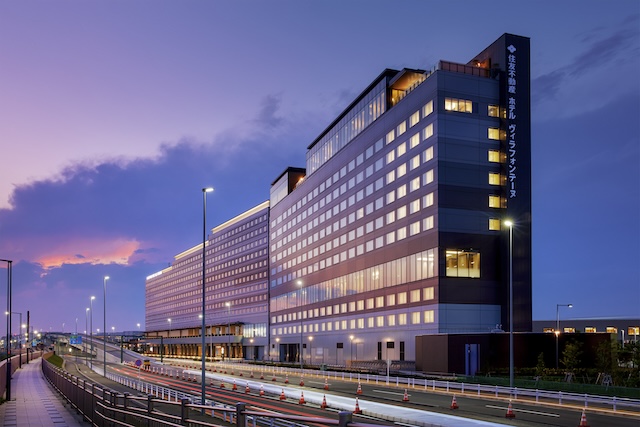
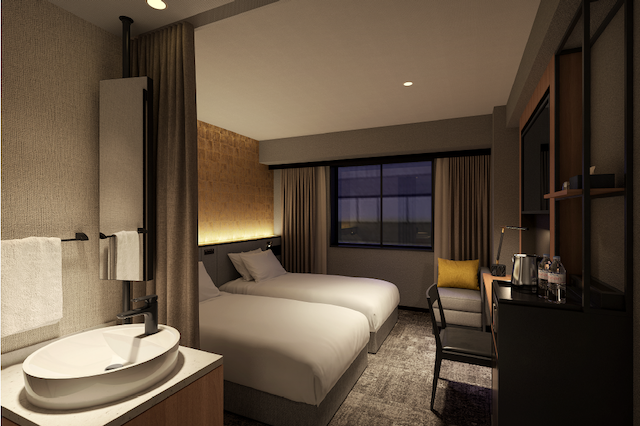
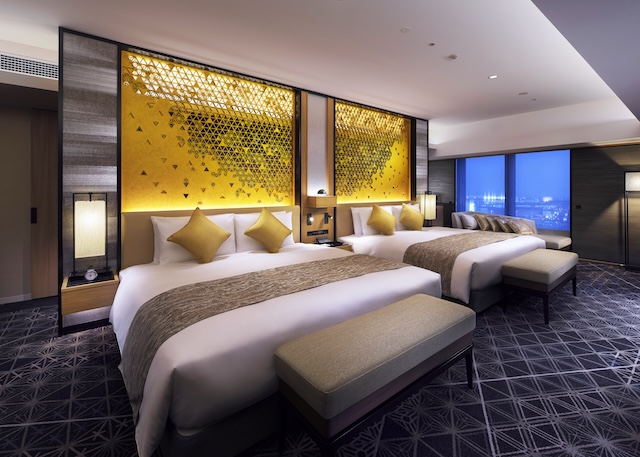
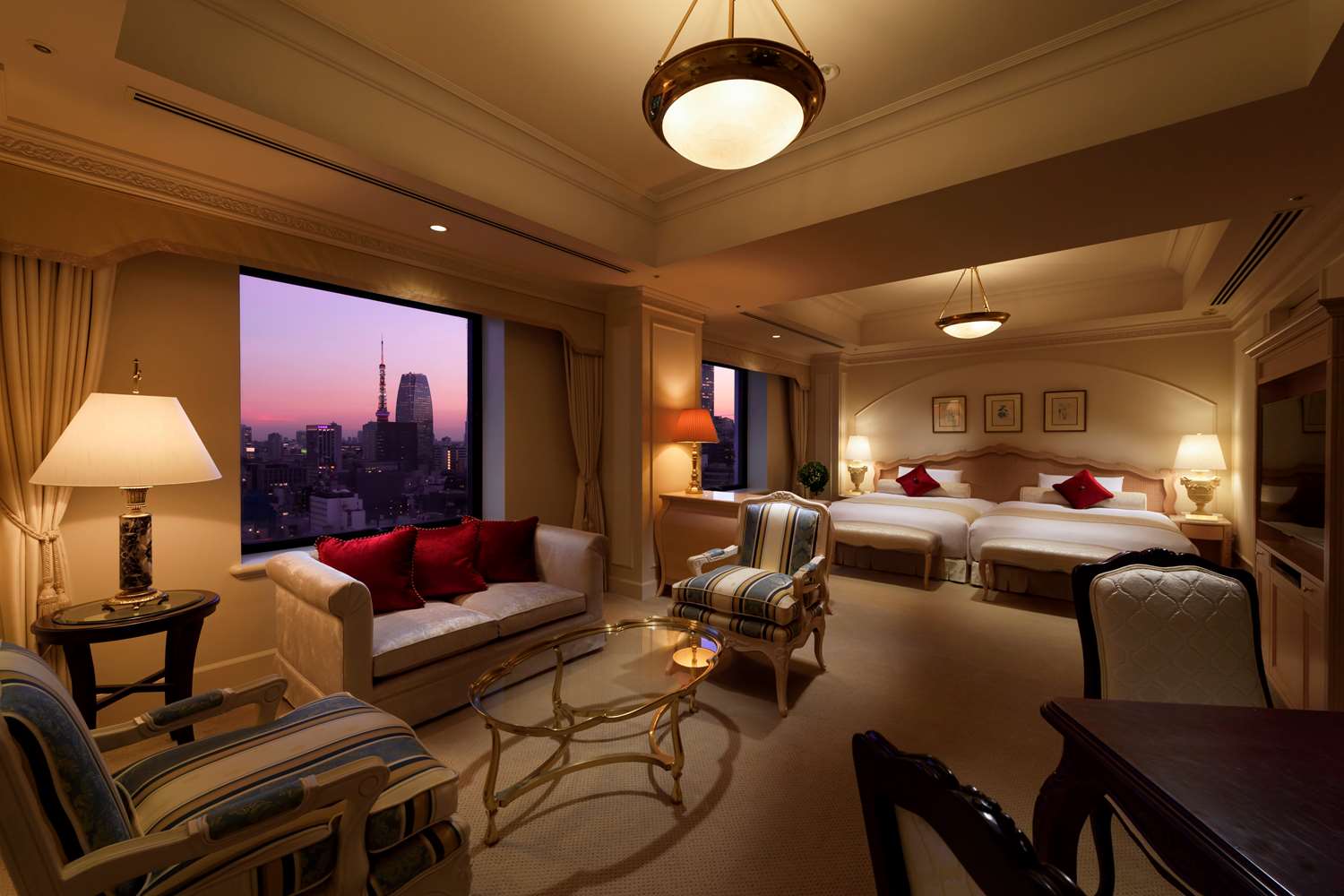
Villa Fontaine Grand Haneda Airport, a member of WorldHotels Distinctive
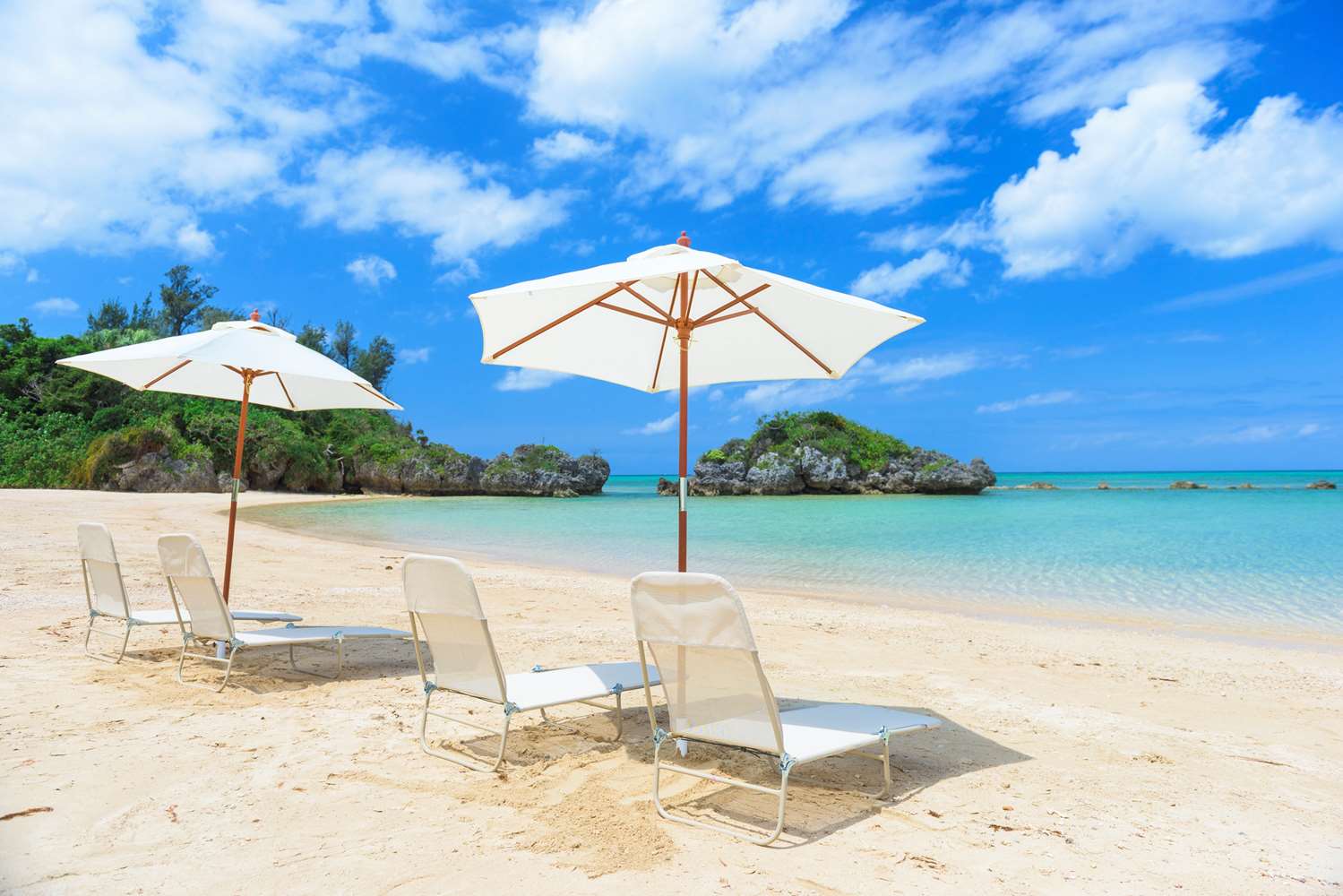
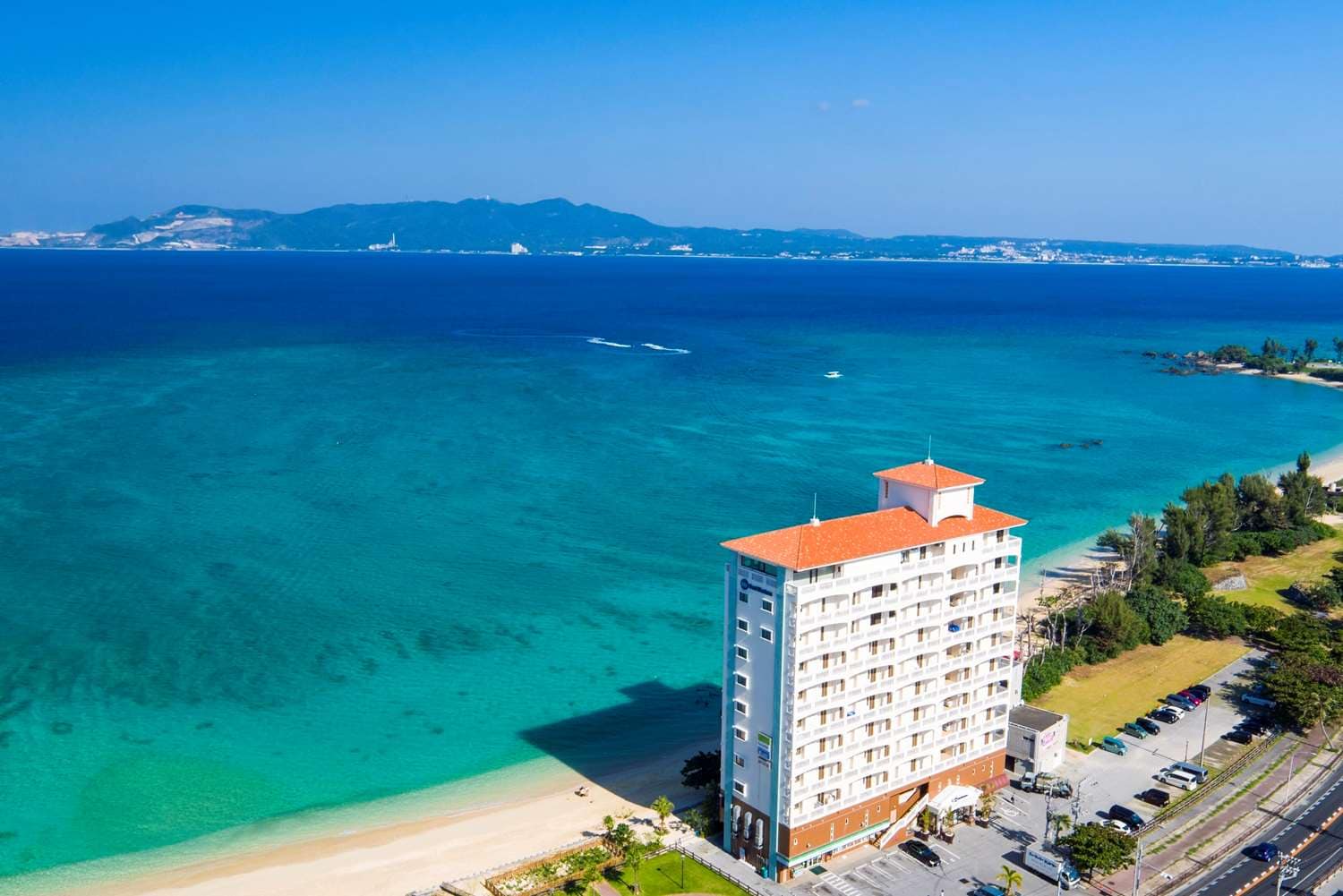
Japan is a destination that attracts travellers all year round with a wealth of natural and cultural wonders.
With an extensive collection of 21 hotels and resorts nationwide, across six innovative and intuitive brands, BWH℠ Hotels can set the stage for inspiring adventures in the Land of the Rising Sun.
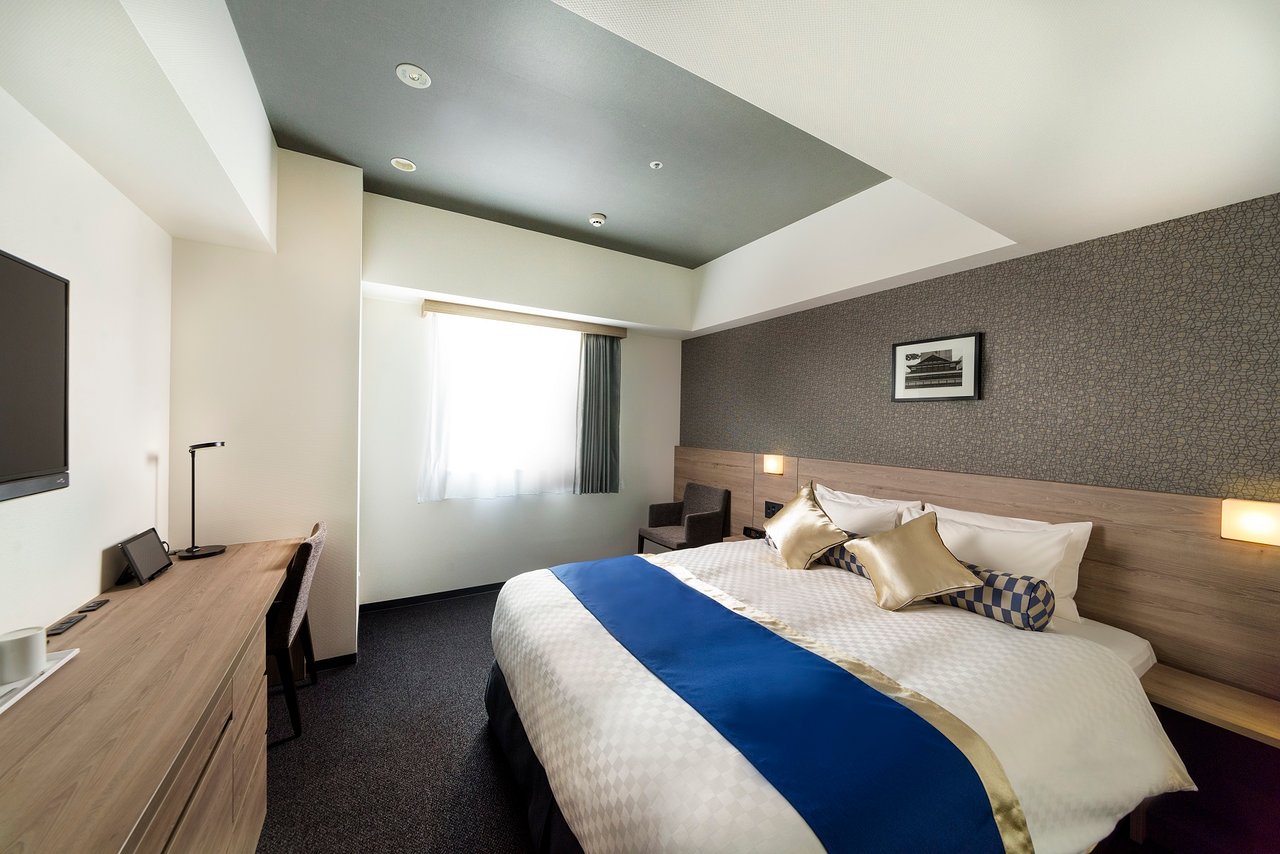
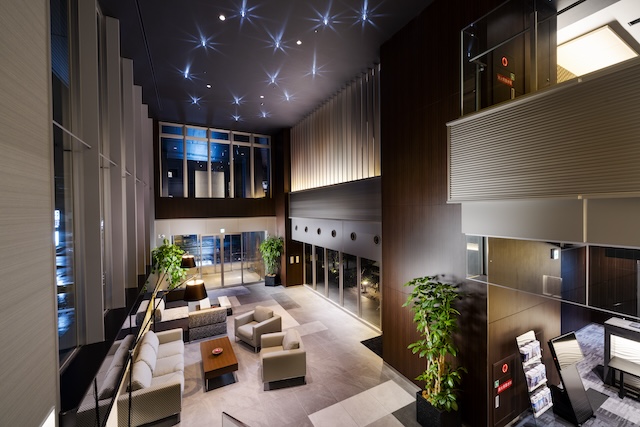
Best Western Plus Nagoya Sakae
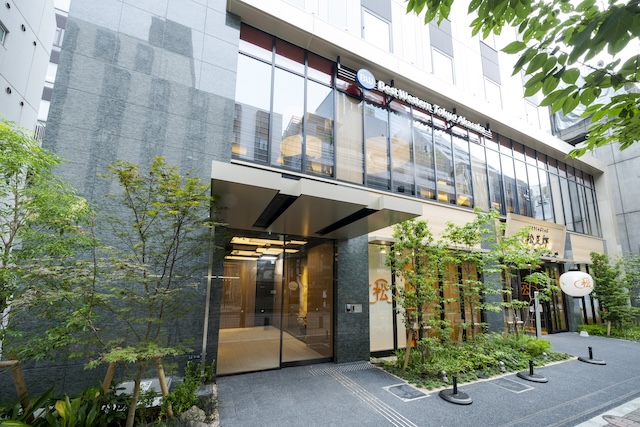
The Best Western Plus Nagoya Sakae reopens with a modern look
The relaunch of Best Western Plus Nagoya Sakae in the commercial heart of Nagoya and the collection of properties throughout Japan, have created even more options for travellers who want to explore this captivating country this spring or summer.
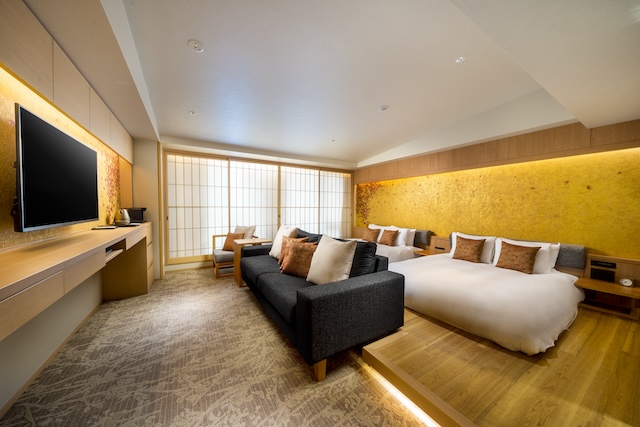
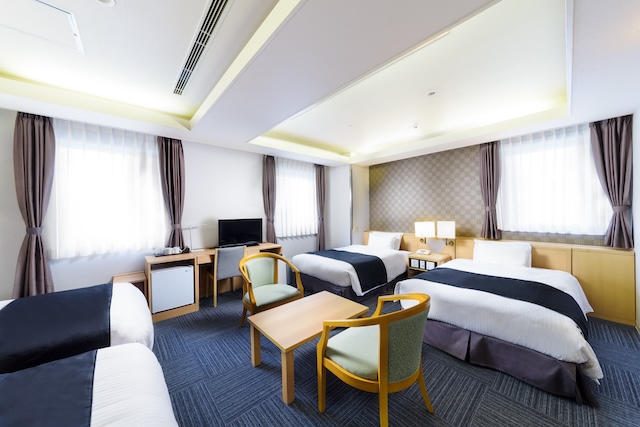
Newly-renovated and rebranded, Best Western Plus Nagoya Sakae is a stylish downtown hotel, surrounded by corporate offices, world-class attractions, shopping malls, restaurants and bars. Guests can stay in a choice of contemporary rooms with comfy beds, free Wi-Fi and a selection of activities in close proximity.
“BWH Hotels is one of the leading international hotel groups in Japan with a comprehensive portfolio of properties in many of the country’s most popular destinations, catering for a wide range of travellers. By delivering our timeless standards of global hospitality in prime locations, our hotels and resorts are becoming popular places to stay for Japanese and international visitors alike,” said Olivier Berrivin, Vice President – APAC, BWH Hotels.
From now till May 4, Best Western Rewards members who book their stay at participating Best Western hotels in Asia earn double BWR® points. The offer is valid for up to three stays, with 10,000 points per stay, giving travellers a chance to earn up to 30,000 bonus points.
















China’s Ministry of Foreign Affairs on March 29 warned citizens of challenging travel conditions to the US due to a spike in cases where Chinese students and company employees were subjected to “unwarranted interrogations and harassment” by US airport law enforcement officers.
China’s travel advisory for citizens entering the US urges safety precautions and preparation for “various unexpected situations”, detailed a South China Morning Post news report.
The ministry and the Chinese embassy and consulates in the US have lodged a solemn representation to the US.
Since November 2023, at least eight Chinese students with valid documents have been searched, interrogated or sent back from Washington Dulles International Airport alone, according to a tally by Chinese media.
A biological sciences PhD candidate has also claimed to have been subjected to a body search, eight hours in an interrogation room, and 12 hours in solitary confinement before being deported by officials at Dulles airport in December last year. She was due to return to the US to continue her studies.
These incidents appear to be a setback in the pledge by both countries to facilitate educational and other exchanges in recent months. In November, while on a visit to the US, Chinese president Xi Jinping said China would invite 50,000 young Americans to study in the next five years.