


Taiwan’s DMC Edison Travel Services (ETS) and Trip Affiliates Network (TA Network) have partnered to empower tour and activities operators to thrive in the digital landscape.
By leveraging ETS’s years of hospitality expertise and TA Network’s travel technology solutions, the partnership signifies a significant advancement in the innovation and expansion of the Taiwan travel market.

TA Network operates as an open ecosystem catering to traditional offline B2B channels such as travel agencies, wholesalers, and corporate intermediaries. Through live room rates and inventory management, TA Network enhances efficiency and expands its network of partners, ensuring seamless connectivity and enriched service offerings. ETS will collaborate closely with TA Network ecosystem partners on selected destinations, enhancing the travel buying experience for customers and driving conversions by automating business processes with TA Network’s in-house solutions.
Dennis Kuo, general manager of Edison Tours, remarked that the user-friendly interface and enterprise-level suite of software provided by TA Network will help in significantly boosting conversions and elevating their business not only in the Asian market but also beyond.
TA Network’s regional director for ecosystem and partnerships, Jean Hsieh, emphasised the strategic importance of the partnership in opening new service avenues and reaching a wider audience in the international travel space. She is enthusiastic about automating the future of travel in Taiwan and beyond through collaboration with ETS.


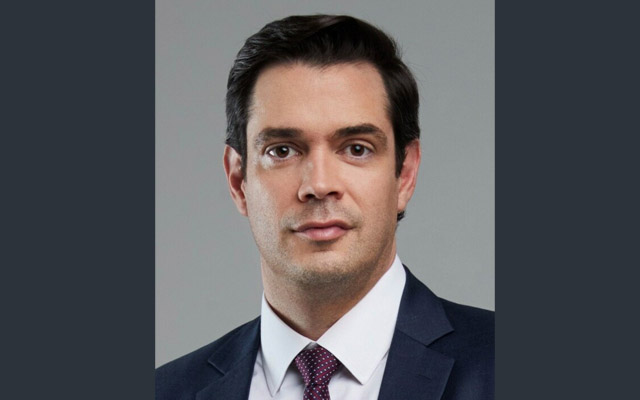
 With an extensive commercial and operational experience, he has also served as president of China operations for Royal Caribbean International, where he built the brand into China’s leading cruise line.
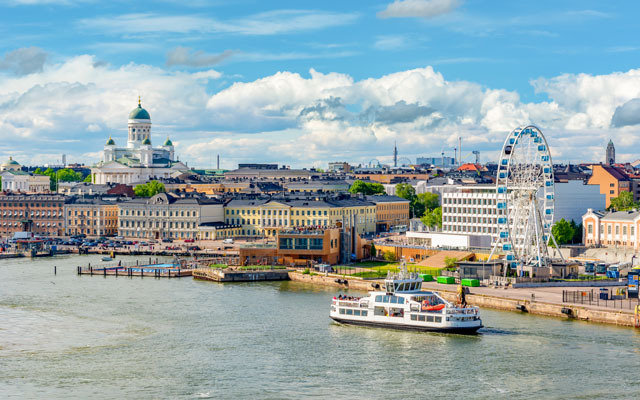







Asia-Pacific is a big part of Silversea Cruises strategy in the region, with trade partnerships being a “pivotal focus” for the luxury cruise line, says its new senior vice president, global sales & revenue, Massimo Brancaleoni.
Speaking to TTG Asia, Brancaleoni said: “I truly appreciate the potential this region has for Silversea. It’s a vibrant, dynamic and highly sophisticated region, very different from the Western, mature cruising markets. Recognising those differences, identifying the right product for the Asian customer, and working very closely with our partners in the region will be the key to our success.”
Strengthening collaborations allows Silversea and its partners to drive mutual growth, as the cruise company aims to amplify its reputation in luxury cruising through innovation and providing “exceptional service, and unparalleled experiences”.
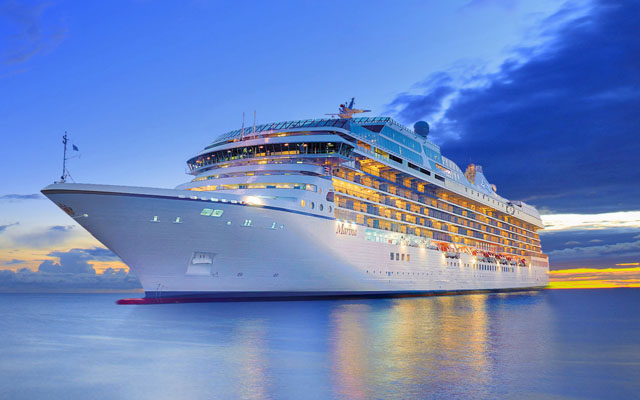
Demonstrating its commitment to the region, Silversea has committed its newest and most sophisticated ships here. The deployment includes Silver Nova, the largest in the Silversea fleet and first of its Nova class, Silver Moon, which succeeds Silver Muse, in 2025.
Brancaleoni noted that Silversea’s offerings are well positioned to meet the growing appetite for luxury cruising in Asia-Pacific.
“Today’s luxury travellers are seeking deeper, more immersive experiences. They desire journeys that are not only luxurious but also sustainable and meaningful. Our guests from Asia seek unique and very special experiences, close encounters with nature, immersive cultural experiences into local communities and the local food and wine scene,” he said.
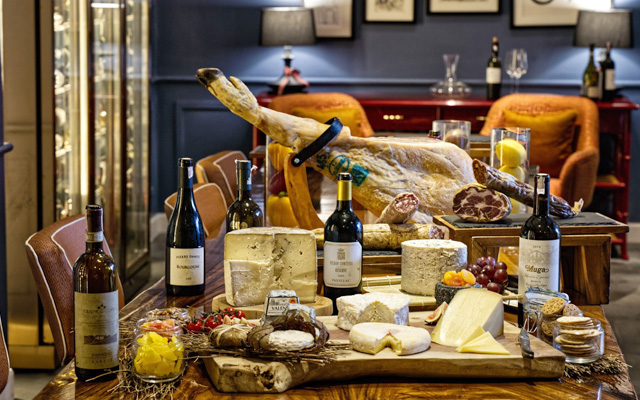
Silversea offers a range of unique experiences including being the only luxury cruise line with a S.A.L.T. (Sea and Land Taste) programme that aims to connect guests to local tastes of the destinations on their voyage, and its flagship expedition Antarctic Bridge programme where guests skip the Drake Passage and fly straight to the White Continent to take the six-day cruise.
“Our focus on exclusive, transformative experiences and deep community engagements is a testament to our unwavering commitment to redefining luxury cruising. With the launch of groundbreaking vessels like Silver Endeavour, Silver Nova and Silver Ray, we are actively broadening our appeal to a younger demographic while reinvigorating our loyal guests with fresh, innovative features, experiences, and destinations,” Brancaleoni added.