TTG Asia
Asia/Singapore Wednesday, 24th June 2026
Page 2

New benchmark ranks Asia-Pacific hotels for over-50 travellers

0

Greytt has launched the inaugural Greytt 50, a new independent ranking of hotels for travellers aged 50 and above, with Banyan Tree Kuala Lumpur taking the top spot.

Compiled by Singapore-based travel technology company Greytt, the ranking evaluated 28,000 four- and five-star hotels across 63 Asia-Pacific cities using the company’s Greytt Score benchmark. Hotels were assessed across 50 criteria, including wellness facilities, room comfort, bathroom design, lighting, accessibility, service and on-site navigation.

The Greytt 50 benchmark evaluates hotels across 50 criteria, from wellness facilities to accessibility and room comfort

Banyan Tree Kuala Lumpur achieved a score of 94.1, followed by The St Regis Mumbai with 93.0 and Sofitel Krabi Phokeethra Golf & Spa Resort with 92.4.

According to the report, the top-ranked hotels scored within a narrow five per cent range, reflecting a high degree of consistency among leading properties. Wellness emerged as a key differentiator, with 39 of the top 50 hotels achieving full marks in the wellness and leisure category. Thirty properties also received perfect scores for quiet and relaxing environments.

Thailand and India accounted for more than half of the hotels featured in the ranking, while Indonesia, Vietnam and Malaysia were also strongly represented.

Greytt said the ranking was developed in response to the growing importance of the over-50 travel segment. By 2050, the global population aged 60 and above is expected to exceed two billion, while travellers aged over 50 are projected to account for US$1.9 trillion in travel spending by 2030.

The rankings are based on independent assessments and audits combined with analysis of publicly available digital information. According to Greytt, hotels cannot pay to be assessed, included or ranked.

Preethi Sanjeevi, CEO and co-founder of Greytt, said: “For too long, the travel industry has treated the over-50 traveller as an afterthought – assuming they want grab rails and early dinners rather than the wellness, design and service excellence that every traveller deserves. The Greytt Score changes that. Our aim is to give travellers a clear, objective signal and the industry a meaningful bar to rise to.”

The full Greytt 50 ranking is available here.

Asiana to exit Star Alliance on December 16

0

South Korean airline, Asiana Airlines, will leave the Star Alliance network on December 16 as it prepares to merge with Korean Air the following day.

According to a press statement by Star Alliance, the network and Asiana Airlines will work closely to ensure a seamless and coordinated experience for customers in the lead-up to the airline’s exit. Customers enrolled in any Star Alliance member airlines’ frequent flyer programme may continue to earn miles on Asiana Airlines-operated flights departing on or before October 15, 2026.

Asiana Airlines and Korean Air are set to merge on December 17, 2026, following Asiana’s departure from Star Alliance

Customers may also continue to redeem miles for Star Alliance award tickets and upgrades on Asiana Airlines for travel completed on or before December 16, 2026, subject to the redemption policies and timelines of their respective frequent flyer programme.

Additionally, Star Alliance Gold and Silver status customers may continue to enjoy alliance status benefits, including priority services, when travelling on Asiana Airlines until December 16, 2026. Star Alliance Gold customers may also continue to enjoy lounge access, including at eligible Asiana Airlines lounges when travelling on the Star Alliance network.

ITB Berlin unveils new campaign ahead of 2027 event

0

ITB Berlin has launched a new campaign for its 2027 edition under the theme Travel & Tourism in Motion, reflecting changes across the global travel industry.

The tradeshow will take place in Berlin from March 16-18, 2027, bringing together tourism businesses, destinations and industry stakeholders from around the world.

ITB Berlin’s new campaign highlights the evolving nature of the global tourism industry

Developed in partnership with communications agency Rupp, the campaign focuses on changing travel behaviour, new mobility solutions, technological developments and evolving economic and social conditions that are reshaping tourism.

According to ITB Berlin, the initiative positions the event as a platform for industry dialogue, business development and discussion of future trends. The campaign includes a new visual identity created during ITB Berlin 2026 using exhibitors and visitors from the event, representing the diversity of the international tourism sector.

Each exhibition segment of ITB Berlin will also receive its own campaign visual featuring the in Motion tagline.

ITB Berlin has also opened exhibitor registration for the 2027 event, with early registration opportunities available for companies and destinations seeking exhibition space.

The organisers confirmed that the 2027 edition will take place on revised dates. The one-off adjustment was made to avoid a clash with Eid al-Fitr, allowing Muslim exhibitors and visitors to participate throughout the event following the end of Ramadan.

Deborah Rothe, director of ITB Berlin, said: “Tourism is much more than just travel. It is a driver of economic development, innovation and international networking. The industry is always in motion, and it is precisely this dynamism that ITB Berlin brings to the fore.

“It is where key players come together to forge new ideas, analyse global trends and help shape the future of travel.”

Marriott names Vietnam market vice president

0

Sander Looijen has been appointed market vice president, Vietnam at Marriott International.

He most recently served as area general manager, Bali (premium and select properties), overseeing a portfolio of 22 hotels and resorts.

A Marriott veteran since 2001, he has held leadership roles across Thailand, Hong Kong, Indonesia and South Korea.

Where Ayurveda meets science

0

What made you introduce tulåh and how has the response been for the retreat since its opening?
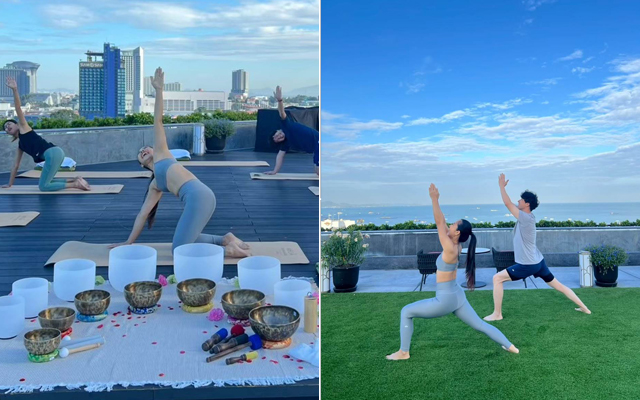
The honest answer is that tulåh came from a deeply personal place. Years of incorrectly practised yoga had compressed my vertebrae to the point where doctors saw no option other than surgery. I am an engineer by training, so I am always searching for a better solution. This made me turn to Ayurveda, the healing system that Kerala, my home state, has practised and perfected for thousands of years. It worked. That experience fundamentally changed how I think about health. The world didn’t have a facility where clinical intelligence and ancient healing wisdom were not separate offerings, but one seamless, integrated experience. That integration is the idea at the heart of tulåh.

The response has been humbling. The domestic market, particularly Mumbai, Delhi and Bengaluru, has outperformed our projections. There is a more sophisticated Indian wellness traveller today than people realise, someone who has seen the world’s best and is genuinely excited that something of this depth now exists at home. Internationally, the GCC has been strong, which is natural given our connections there. Europe, particularly the UK and Germany, is building steadily. We have only scratched the surface.

What sets tulåh apart from other retreats in the region?
Kerala has an extraordinary wellness heritage. But most destinations, even the finest, offer spa experiences with Ayurveda layered on top. At tulåh, there is no separation between the clinical and the wellness. Panchakarma, genome mapping, sessions with our psychologists and movement therapy are not different tracks. They are one programme, designed together by a multidisciplinary team. Spanning modern medicine, Ayurveda, functional medicine, psychology, traditional Chinese medicine, nutrition and movement science, this team sits together and thinks together. That model is rare anywhere in the world.

We have also invested in innovation at a level not seen before. Our engineering team designed and globally patented the world’s first Ayurvedic Vichy Bed. Therapies such as hyperbaric oxygen and photobiomodulation are fully integrated into the healing philosophy, not added as novelties.

How do you balance authentic Ayurvedic practices with the expectations of modern luxury travellers?
I would challenge the word “balance” because it implies compromise, and we have made none. Ancient knowledge is not something we have adjusted; we respect it completely. What modern diagnostics do is give it even greater depth and precision. Where we have genuinely set a new standard is in delivery. I have travelled extensively and experienced what passes for the finest in luxury wellness globally. I came back knowing exactly what was missing. That understanding is built into every element of tulåh.

The herbs used in our treatments are grown in our own medicinal gardens on the estate. The food is therapeutically intentional and prepared with the care you would expect from any world-class culinary experience. The architecture has no sharp edges or hard corners. A well-travelled guest will arrive and immediately feel that they are in exceptional hands.

How are local culture and traditions integrated into the guest experience?
For me, tulåh is a platform to showcase India to the world. Every artist on our walls, every musician in our lounges and every cultural installation a guest encounters is Indian. Someone who travels from London, Tokyo or Dubai to tulåh leaves with a relationship to Indian art and culture they did not arrive with.

Cultural programming runs through the entire guest journey, not as an add-on, but as part of the healing itself. Art, music and creativity – this is medicine at tulåh. Guests participate in art sessions during their stay. They visit the spice markets of Kozhikode, home to one of the world’s oldest trading ports. They explore the Malabar region with local historians who carry the story of this place in their bones.

What kind of travellers are you targeting?
Our guest is someone for whom health is a serious priority, not a passing interest. Typically, they are high-achieving professionals, executives and entrepreneurs, people who understand that their greatest asset is their well-being and want to invest in it with the same rigour they bring to everything else. Many have already experienced the world’s finest wellness destinations and are looking for something with greater depth and measurable outcomes.

Corporate wellness is a growing opportunity. Burnout among senior leadership is real, and organisations are beginning to take it seriously. The international medical wellness traveller, someone who comes to Kerala specifically for therapeutic reasons and wants that combined with world-class diagnostics and genuine luxury, is also a strong and growing segment.

Post-pandemic wellness has become one of the key reasons for people to travel. What kind of trends are you noticing in the wellness segment?
The shift from reactive to preventive healthcare is accelerating; Covid made that permanent. People no longer want to wait until they are ill. Longevity science and health optimisation are becoming mainstream, not just for the ultra-wealthy. The appetite for genuinely integrated approaches, where ancient wisdom and modern science collaborate rather than compete, is growing strongly.

Stays are also getting longer and more serious. The shift is away from three-night breaks towards seven-, 14- and 21-day programmes where real transformation is possible. That is where we operate. And India, as a wellness destination, is having its moment. I believe tulåh is part of a larger story about India’s rightful place as a world leader in integrative health and healing.

Do you have plans to expand your wellness offerings in other parts of the world?
When we think of the expansion of the tulåh brand, we certainly think globally. The need for preventive care is a global concern, and we see ourselves eventually being accessible in major global hubs such as London, Dubai and Singapore. This allows our guests to monitor their progress and have accountability and autonomy over their own healthcare.

Our expansion model is about building a global network of integrated wellness, within which a guest’s health journey continues wherever they are in the world. We want tulåh to become part of how people live, not a destination they visit once and forget, but an ongoing framework for how they relate to their own health.

Sunway Hospitality joins Tourism Malaysia push for Visit Malaysia Year

0

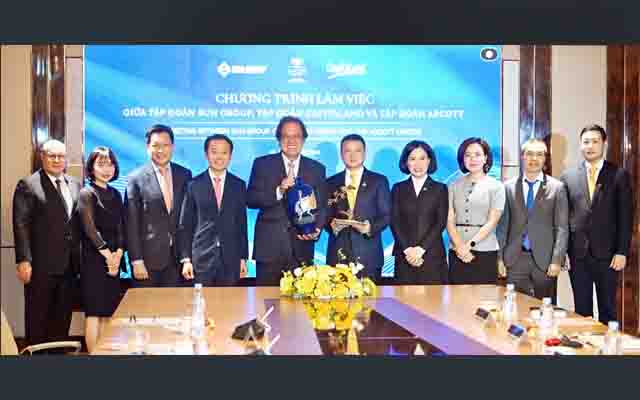
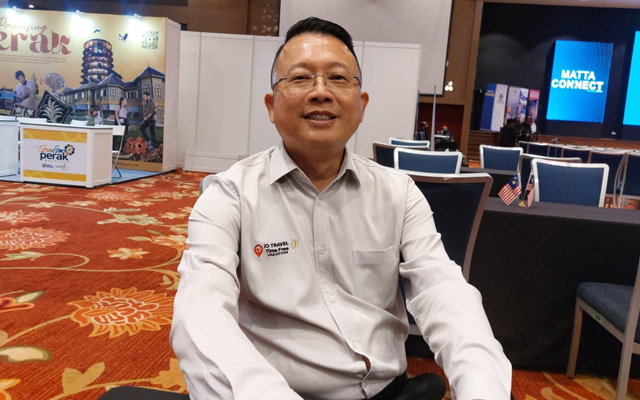
Sunway Hospitality Group has signed a memorandum of understanding (MoU) with Tourism Malaysia to support the Visit Malaysia Year 2026-27 campaign and promote Malaysia in international tourism markets.

Signed on June 15, 2026, the agreement will see the two organisations work together on marketing, trade engagement and destination promotion initiatives aimed at increasing visitor arrivals and strengthening Malaysia’s tourism profile globally.

Sunway Hospitality Group and Tourism Malaysia will collaborate on marketing and trade initiatives to support Visit Malaysia Year 2026-27

The partnership will include joint campaigns targeting travel trade partners, media and influencers, alongside support for familiarisation trips and hosted experiences. Sunway Hospitality Group will also participate in overseas sales missions and international trade events with Tourism Malaysia.

To coincide with the agreement, Sunway Hospitality Group has launched a promotional campaign offering up to 30 per cent off room rates, complimentary room upgrades and double Discovery Dollars for GHA Discovery members. The offer is valid for bookings made until July 31, 2026, for stays through September 30, 2026.

Castaldi said the partnership would support Visit Malaysia Year 2026-27 while aligning with Sunway’s broader sustainability objectives and long-term commitment to Malaysia’s tourism sector.

Mohd Amirul Rizal added that the collaboration would combine Tourism Malaysia’s destination expertise with Sunway’s hospitality portfolio to expand the country’s reach among international travellers and support future tourism growth.

Hotels move beyond halal certification to meet changing traveller needs

0

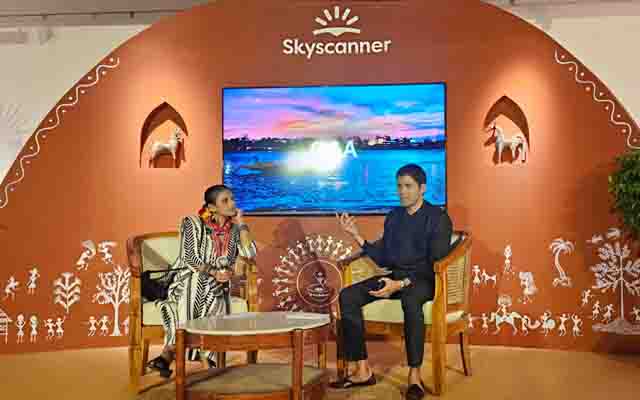
Moving beyond halal certification and towards more personalised guest experiences will be critical for hotels seeking to capture a larger share of the growing Muslim travel market, hospitality leaders said at the Halal in Travel Global Summit 2026, organised by CrescentRating in partnership with HalalTrip.

Speaking during the session Beyond Halal-Certified: Crafting Conscious, Future-Ready Hospitality Experiences, panellists argued that halal food offerings and prayer facilities are no longer sufficient differentiators, as Muslim travellers increasingly expect hotels to understand and cater to their individual needs.

Speakers at the Halal in Travel Global Summit 2026 said Muslim travellers increasingly expect personalised experiences beyond halal-certified facilities

Abdullah Basalamah, area general manager and vice president, rooms, at Far East Hospitality, said halal certification should be viewed as the starting point rather than the end goal.

He shared that Far East Hospitality’s serviced residences in Singapore, which welcome significant numbers of Gulf Cooperation Council (GCC) travellers, focus on understanding guest preferences before arrival.

Initiatives include dedicated crockery and cutlery for Muslim guests, replacing alcoholic minibar offerings with non-alcoholic alternatives, and adapting services around guests’ cultural requirements.

Abdullah also cautioned against treating Muslim travellers as a single market.

“Not every Muslim guest is the same,” he said, noting that travellers from the Middle East, South Asia and South-east Asia often have different expectations and service requirements.

He added that technology is likely to play a growing role in personalising the guest experience, highlighting the potential of AI-powered concierge tools that can recommend halal dining options, prayer facilities and attractions based on travellers’ backgrounds and interests.

Another panellist, Dieter Ruckenbauer, general manager of Le Méridien Bangkok, said hotels should focus on reducing friction throughout the guest journey rather than simply meeting basic requirements.

“Halal food and prayer mats are no longer the differentiators in the industry; they are really the baseline,” he said.

Ruckenbauer explained that hospitality often comes down to small but meaningful gestures, such as proactively providing information on nearby mosques, prayer facilities and Muslim-friendly experiences before guests need to ask.

For him, the goal is to create peace of mind for Muslim travellers.

“The biggest luxury for travellers is not the amenity itself. It’s the peace of mind that everything has already been considered before their arrival,” he said.

The session was moderated by Ersya Rachmat, events management lead at CrescentRating and HalalTrip.

Therme Singapore breaks ground on wellness destination at Marina South

0

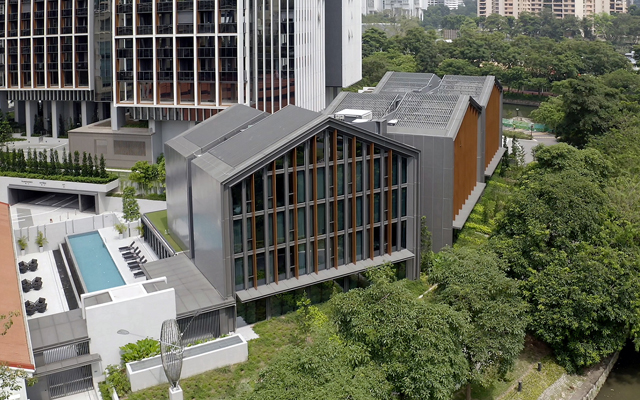
Therme Group has broken ground on Therme Singapore, a large-scale wellness and leisure destination planned for Marina South and scheduled to open in 2030.

Spanning more than 66,900m², the development will be Therme Group’s first project in Asia and will include more than 20 indoor and outdoor pools, over 70 wellness treatment rooms, dining facilities and landscaped public spaces.

Therme Group and its partners break ground on Therme Singapore, the company’s first project in Asia

The seven-storey development will be organised into three zones: Play, featuring family-focused water attractions and 18 water slides spanning more than 1.8km in total length; Relax, with thermal pools, mineral baths and wellness facilities; and Restore, which will house saunas, steam rooms and treatment spaces.

Nature forms a central part of the project, with more than 200,000 plants across 200 species planned throughout the development. A public coastal park covering almost four hectares will also be created, linking the site to Marina Barrage and expanding public access to waterfront green spaces.

Therme Singapore is being developed in partnership with Kajima Overseas Asia and designed by DP Architects together with Therme ARC. Sustainability features will include solar panels, energy-efficient building systems, smart irrigation technology and climate-adaptive landscaping.

The development will also incorporate technologies including RFID wristbands for access and cashless payments, a robotic locker system and ozone-based water filtration systems.

The project is expected to create around 400 jobs across hospitality, operations, engineering and facilities management. Therme Singapore has also signed agreements with the Institute of Technical Education and Republic Polytechnic to support skills development, internships and employment pathways.

Robert Hanea, founder and CEO of Therme Group, said: “As our first destination in Asia, Therme Singapore will serve as a gateway for regional growth to develop partnerships, capabilities and models that can be scaled across Asia and beyond.”

Mah Bow Tan, chairman of Therme Group Asia and Therme Singapore, added: “Beyond the visitor experience, Therme Singapore is also about people, creating jobs, developing new capabilities, and supporting Singapore’s tourism, hospitality and wellness sectors.

“Singapore is the ideal platform for Therme’s growth in Asia. It offers the right environment for this vision through strong connectivity, a deep talent ecosystem and a culture of innovation, enabling us to serve both local communities and visitors from across the region.”

World Gourmet Festival brings global culinary talent back to Bangkok

0

The World Gourmet Festival will return to Anantara Siam Bangkok Hotel from September 29 to October 4, bringing together international, regional and local culinary talent under the theme, The World of Flavours.

The annual event will feature a programme of dining experiences, chef collaborations, culinary showcases and industry discussions. Chefs from Anantara Siam Bangkok Hotel will also participate in selected events throughout the festival.

The World Gourmet Festival will take place at Anantara Siam Bangkok Hotel from September 29 to October 4

Highlights will include dinners led by international guest chefs, collaborative tasting menus, live culinary demonstrations, afternoon tea experiences, bar takeovers and panel discussions featuring industry figures.

A new addition for 2026 is the Young Chef’s Award, which will recognise emerging culinary talent through a competition judged by a panel of local and international chefs. Participants will be assessed on their creativity, technical skills and culinary vision.

The festival follows its 25th edition in 2025, which featured solo chef dinners, collaborative dining events, masterclasses, bar takeovers and food-focused experiences across Bangkok. The event brought together chefs representing nearly 30 Michelin stars.

According to the organisers, this year’s programme will focus on showcasing a range of culinary traditions, techniques and influences from around the world through a series of curated experiences.

Additional details, including participating chefs and event schedules, will be announced closer to the festival.

William Heinecke, founder and chairman of Minor International, said: “The World Gourmet Festival has become one of the region’s most recognised culinary events, bringing together leading chefs and gastronomic talent from around the world.”

The organisers said the festival aims to continue strengthening Bangkok’s position as a destination for international dining experiences and culinary events.

Crossroads Maldives combines three resorts in one island escape

0

Crossroads Maldives has launched 1 Journey, 3 Vibes, a multi-resort package allowing guests to experience three distinct properties within a single stay.

Located 15 minutes by speedboat from Velana International Airport, the programme combines stays at SAii Lagoon Maldives, Curio Collection by Hilton, Hard Rock Hotel Maldives and SO/ Maldives without the need for domestic flights or seaplane transfers.

The new 1 Journey, 3 Vibes programme allows guests to experience three Crossroads Maldives resorts in one stay without changing islands or taking additional transfers

Guests can choose between a nine-night itinerary spanning all three resorts or a four-night option covering two properties. Packages include full-board dining, return speedboat transfers, a personal butler and a Crossroads Passport stamped at each resort.

The experience begins at SAii Lagoon Maldives, continues at Hard Rock Hotel Maldives and concludes at SO/ Maldives, with each resort offering a different style of accommodation and activities.

Guests also have access to The Marina @ Crossroads, which features restaurants, retail outlets, wellness facilities and family attractions.

The Standard Package is priced from US$7,780 and includes three nights each at the three resorts. A Premium Package from US$8,880 includes upgraded accommodation across all properties.

The offer is available for bookings until October 31, 2026, for stays through December 20, 2026.

For more information, visit Crossroads Maldives.