TTG Asia
Asia/Singapore Tuesday, 13th January 2026
Page 1738

Asian Trails wins Finnish account handled by Asia World

0

laurent-kuenzle
Laurent Kuenzle

ASIAN Trails Thailand will be handling the clients of Finland’s leading tour operator Aurinkomatkat in South and Central Thailand from November 1, an opportunity that arose when DER Touristik, which bought Apollo (Kuoni Scandinavia), shifted the account to its subsidiary, Go Vacation Thailand.

“Losing the Apollo account to DER-owned DMC Go Vacation enabled us to look at options to work with other major tour operators in northern Europe and we are very happy that we could come to an agreement with such a reputable company as Aurinkomatkat,” said Laurent Kuenzle, Asian Trails Group’s CEO, in an email interview.

Aurinkomatkat, part of the Finnair Group, carried nearly 200,000 passengers to various destinations last year, with a total turnover of 172 million euros. Kuenzle would not reveal the size of the account, only saying Thailand is a “major destination” for Aurinkomatkat.

He added: “We believe that the Finnish market is very interesting for Thailand. Thailand sees a large number of repeat travellers from Finland and is by far their (Aurinkomatkat) number one destination in Asia. Thailand is excellent value for money and has quality beach properties available for every budget.”

Currently, the account is being handled by Asia World Thailand.

Janne Ohralahti, head of procurement category marketing, hotels & transportation of Finnair Plc, said: “We strongly believe that Asian Trails has not only the infrastructure in place in Thailand but also has demonstrated that on-the-ground service standards remain its highest priority in Thailand.

“Its extensive network of offices in key destinations in Thailand with employees who understand our needs were decisive factors to appoint Asian Trails Thailand as our partner.”

TTG Asia takes break for Hari Raya Haji celebrations

0

TTG Asia e-Daily will be taking a break on Monday, September 12, for the Hari Raya Haji public holiday.

News will resume on Tuesday, September 13.

From all of us at TTG Asia Media, Selamat Hari Raya Haji to our Muslim friends!

Indonesian OTAs ride on wave of mobile adopters

0

mobile-phone-man-hand

MOBILE is touted to be the most lucrative channel for OTAs in Indonesia to conquer the country’s swelling ranks of travellers, as the archipelago becomes the fastest-growing online travel market in Asia-Pacific.

Speaking at PATA Travel Innovation Forum yesterday, Chetan Kapoor, research analyst, Asia-Pacific at Phocuswright, shared: “Next year we estimate that Indonesia will account for one-third of the South-east Asian travel market, with online accounting for 25 per cent of them.”

This is a significant growth from 2012, when Indonesia accounted for just one-fifth of the South-east Asia’s travel market, of which online contributed only nine per cent, according to Phocuswright findings.

The growth of LCCs and emergence of local OTAs have been key factors driving travellers to migrate from offline to online, according to Kapoor.

“There are more than 12 (sharing economy) intermediaries mobilising Indonesians to shop and book travel services online and on mobile, and we believe that by 2020 (mobile) will account for between 20-25 per cent,” he said.

Indonesia’s major OTAs are also witnessing rapid growth in mobile shopping and booking.

Caesar Indra, head of product of Traveloka.com, said a majority of the OTA’s business is on mobile, echoing Google’s findings that 71 per cent of online bookings in Indonesia are made via mobile apps.

Similarly, mobile accounts for 70 per cent and 50 per cent of business at Pegipegi.com and Nusatrip.com respectively. Tiket.com, which launched its mobile apps last year, has seen mobile business increasing four-folds in the last six months.

This is a major change from merely two years ago, when Indonesians used mobile devices for chatting and texting only, a phenomenon that Tiket.com‘s co-founder and managing director Gaery Undarsa attributes to the government’s drive to implement 4G network across major cities in the country and the availability of cheap smartphones for the lower-end market.

Ryan Kartawidjaja, deputy CEO of Pegipegi.com, said: “Indonesians are very (price sensitive). We create promotions which are only available on apps to stimulate mobile (purchases).”

As well, Indonesian OTAs claim to have fared better than their global counterparts in capturing the growth of interest from both travel suppliers and customers over the last four years due to their agility in adjusting their services to meet domestic market preferences and needs.

One notable strategy is the flexibility between online and offline payments. Said Tiket.com’s Gaery: “We are not only selling online. We also partner more than 4,000 sub agents across Indonesia.

“If we look at Papua, Aceh and other remote areas, it is (hard) to get (Internet) connections, so we partner small travel agents there. They can use our system and sell our products.”

He also said that having a combination of air, rail and accommodation products also suit the needs of travellers in a diverse, archipelagic country.

Refunding and rescheduling for online bookings has been a challenge for customers, pointed out Traveloka’s Caesar.

“A client needs to go to (the airline) sales office or call their customer service to alter their bookings. This is a big inconvenience,” he said.

To tackle the problem, Traveloka recently launched the rescheduling channel as part of its after-sales service for online customers.

Caesar added: “Traveloka designs mobile apps not only as a means for transactions but (also) as a travel companion.”

Meanwhile, Pegipegi.com has reached out to more hotels by creating video training to operate its system.

Trade welcomes first direct Cambodia airlink with Japan

0

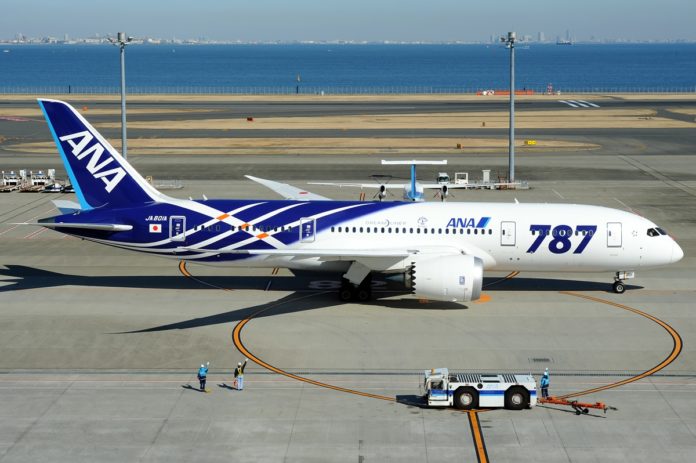
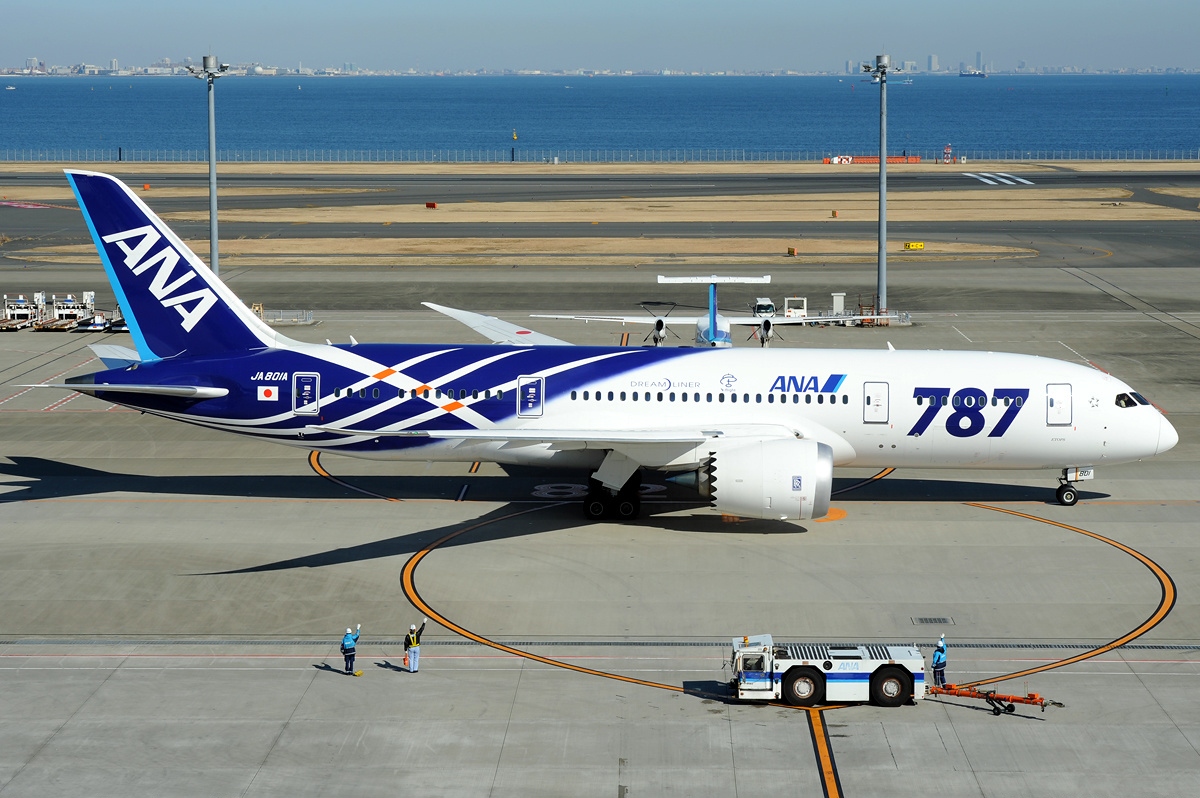
ana-boeing_787-8_dreamliner

MEMBERS of the travel industry have welcomed the first direct flight linking Cambodia with Japan amid expectations it will attract a new wave of tourists.

All Nippon Airways (ANA) launched a fully-booked Boeing 787-8 Dreamliner that landed in Phnom Penh for the first time on September 1.

Shinya Katanozaka, president and CEO of ANA, said: “We are truly honoured to be the first airline to connect our two countries. Cambodia is not only a fascinating tourism destination, it is also garnering global attention for its high potential for economic growth, so we look forward to welcoming both leisure and business passengers on our flights to and from Cambodia.”

It is hoped the daily service will frogleap Cambodia towards its aim of attracting 300,000 Japanese visitors by 2020.

Hen Sunsein, general manager of Mekong Travels, said: “We are seeing an increase in Japanese visitors, especially business-orientated.”

It is also hoped the flight will boost connectivity with the rest of the world, adding an extra arm to traveller options.

Kimhean Pich, CEO of Mekong Discovery, added: “We welcome this flight. It connects Cambodia to a lot more of the world.”

Staff cuts at Maldives airline as Chinese traffic decline

0

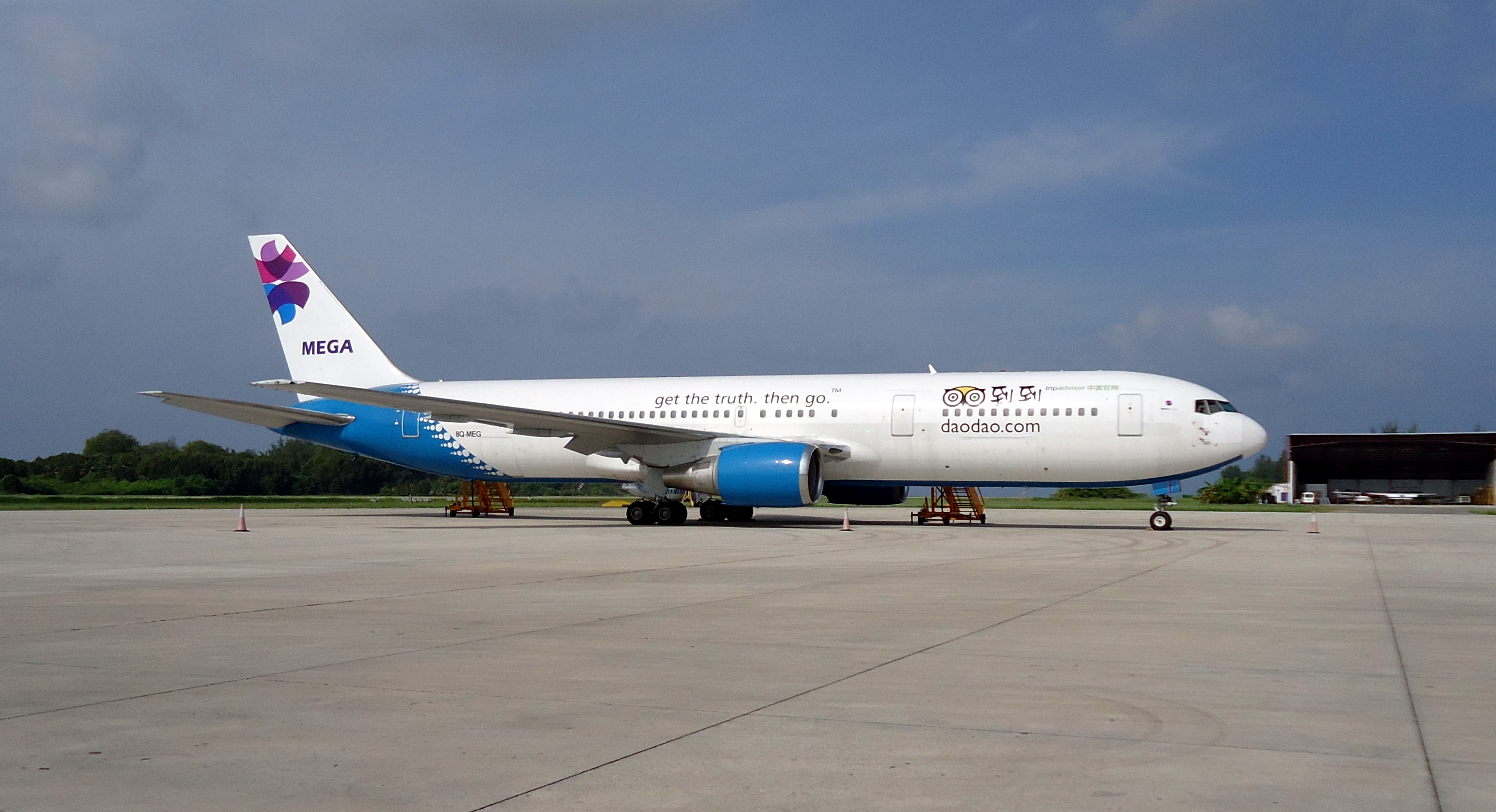
mega-maldives-airlines

A DROP in Chinese arrivals and delays in launching new routes has forced Mega Maldives Airlines to shed jobs.

It has reduced its fleet from five aircraft to three while immediately making 65 positions in the company redundant.

“Furthermore, we have also made the decision to put on hold replacing 50 positions that are vacant and were due to be filled this year. As a result, the company’s total staff will now be reduced from almost 400 at the start of 2016 to 278. This is a reduction of 50 local staff and 64 foreign staff,” stated the airline.

Arrivals from China, the Maldives’ biggest source market, have dropped nearly 11 per cent in the six months to June this year.

But Mega, which accounts for 30 per cent of total Chinese traffic to the Maldives, says it will still continue its Beijing, Shanghai and Hong Kong services.

The airline said the slowdown in China was one that the carrier foresaw and planned for in late 2015. “Therefore, an extensive diversification of our route network was planned for this year, which included South Africa, India, Thailand and Europe.

“Unfortunately, for a number of reasons, many of which were outside of our control, we have had to either reconsider or delay these routes.”

New Singapore bus tour puts spotlight on local fare

0

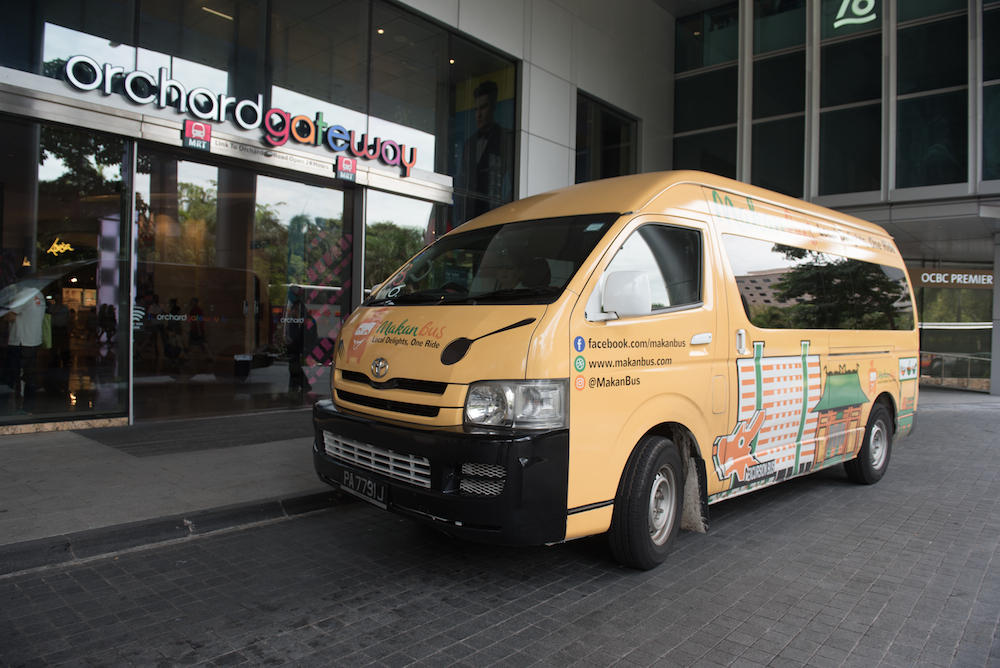
makan_bus_at_orchardgatewayThe Makan Bus will have 10 stops starting from Orchard Gateway
A NEW gastronomic tour, Makan Bus, created by operator MeGuideU, was launched last week in Singapore.

It is a hop-on hop-off concept where passengers get into 13-seater vans and are brought to 10 neighbourhoods known for their popular hawkers and signature local dishes. Buses run daily from 11.00 at 20-minute frequencies. Onboard, there are customised maps and tour guides to answer queries.

When asked what was his inspiration behind this product, John Ng Pangilinan, CEO, Ovenbaked Ideas (parent company of MeGuideU), said: “We conceived this idea for the SEA Games last year with Far East Hospitality. It was initially a supper tour which brought athletes, their families and friends to Geylang and Tampines for local hawker food.

“It was initially a three-month campaign, but with all the positive reviews that we received, we decided to make it bigger.

“We’ve received an overwhelming response not just from tourists and locals, but from corporates and industry players as well. A corporation just purchased in bulk from us for their clients when they head to Singapore.”

Initially, Ng said that he expected “locals to be a minority, and tourists the majority”. However, he shared that it’s now a 60-40 percentage split.

Currently, Makan Bus operates in the north-central part of Singapore but there are plans to expand to the east in the next six months. The company is also creating a Makan Bus app.

The company also has regional expansion plans. Said Ng: “Travel agents from overseas have started calling us, a few of which have packaged our tickets along with the upcoming F1.”

Ng further indicated that he would like to join a tradeshow, for example, at the upcoming ITB Asia, as he feels that these tradeshows were the “best outlet to showcase Makan Bus to travel agents”.

For agents, the preferred rates and commissions are currently about “12 to 20 per cent, depending on the size of the organisation”.

Ng concluded: “We want Makan Bus to be synonymous with food, so that when foreigners visit Singapore, locals can suggest Makan Bus (to them as an attraction).”

Tokyo authorities training to ensure safety of foreign tourists

0

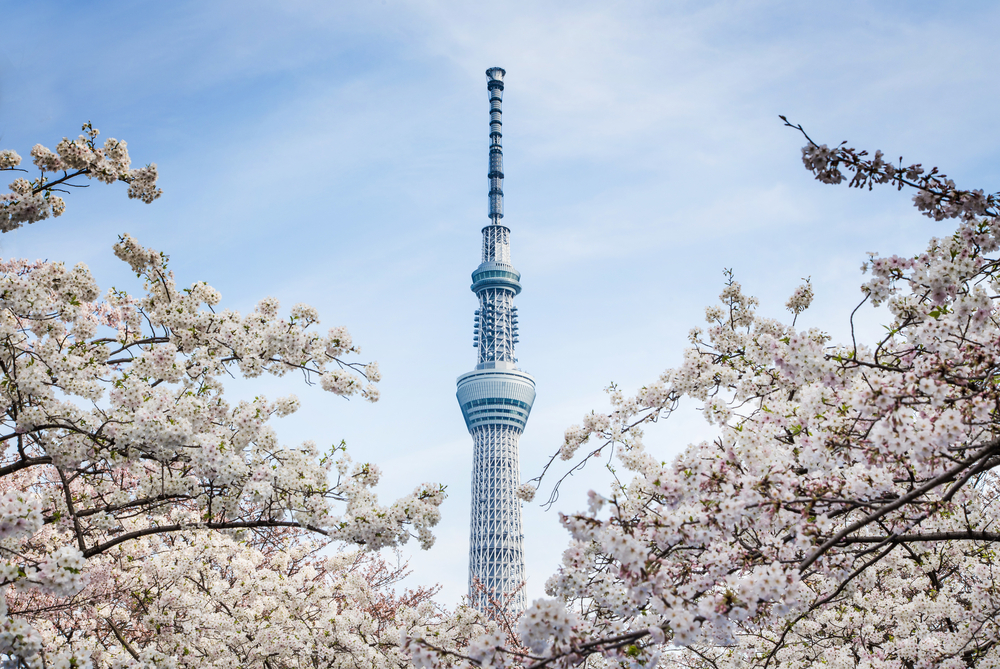
tokyo-skytreeTokyo Skytree

THE Tokyo Metropolitan Government conducted an exercise earlier this month specifically to test the city’s ability to safeguard foreign tourists in the event of a major natural disaster.

The safety drill involved evacuating 120 volunteers playing the part of foreign tourists from the observatory deck of the 634-metre tall Tokyo Skytree after a simulated earthquake of magnitude 7.3 strikes the city.

Staff at the venue, which has become one of the most popular tourist sites in the country since it opened in May 2012, were required to escort visitors from the upper floors of the tower to safe zones at ground level.

The staff then communicated with the tourists through a megaphone equipped with an automatic translation function to determine whether any were injured or required medical treatment.

Police and fire fighting teams also took part in the exercise.

Local authorities across Japan are stepping up their efforts to provide timely and appropriate information to foreign visitors, whose numbers are expected to swell to 40 million in 2020.

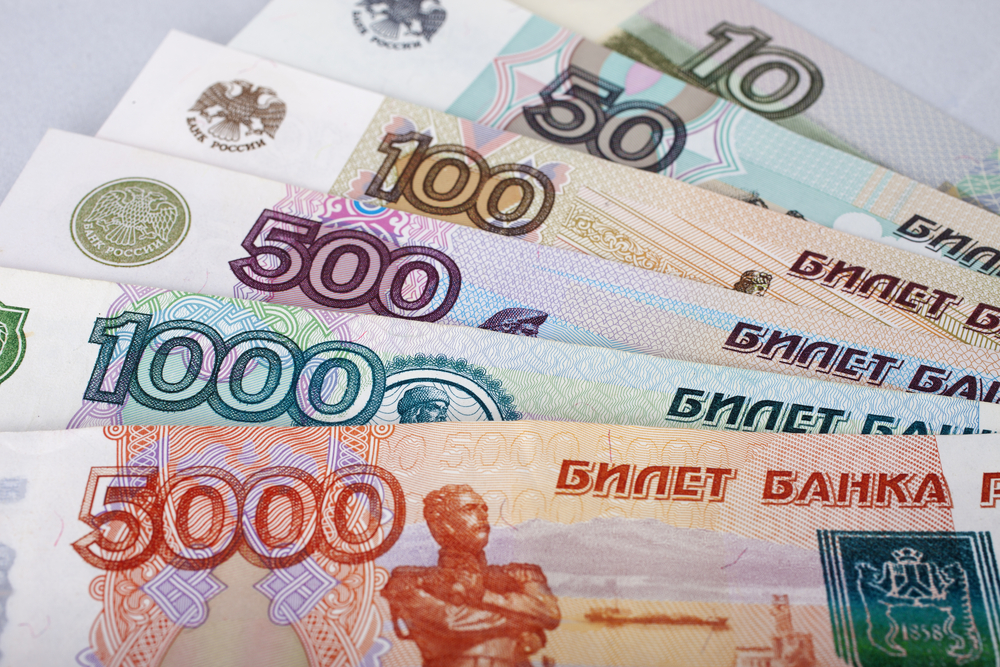
Stabalising ruble ushering Russian travellers back to Asia

0

russian-ruble

WHILE Russia’s outbound tourism industry took a tumble following the economic and political crises in recent years, there are hints of a silver lining emerging from the gloom, according to Russian buyers at the PATA Travel Mart.

Pointing to the stabalising Russian ruble, Artem Alekseev, CEO of Ros Business Travel, said there has been at least a 10 per cent recovery in his business this year compared with 2015.

He said: “There are still a lot of people who want to spend time and money travelling out of the country and we see that the economic situation is becoming more stable now, which gives Russians confidence to travel again.”

According to Alekseev, Thailand, Vietnam and India are key destinations in Asia that his travellers are considering again.

Likewise for Viacheslav Akaevich, director of Russia-based Samolet, who has seen business returning over the past six months, he said: “There are signs that our people want to travel again and of course we hope the situation will get better. It is already a good sign to see the currency becoming stable.”

Akaevich shared that 30 per cent of his most selling destinations are in Asia, with a majority in Thailand and Indonesia – especially beach destinations like Phuket and Bali.

Hence, he is hopeful to discover new beach spots in Asia to raise greater interest among Russian travellers.

Meanwhile, the Russian outbound luxury travel market appears more resistant to the shocks.

Julia Lukyanova, director of sales in Corona Travel Russia, said: “It was the middle-class travel segment that was killed the most. The upper premium class are still travelling and in fact this market even grew by five per cent, while the middle class one dipped by 35 per cent in 2014.”

Nonetheless, tweaks have been made to their itineraries.

She shared: “Of course there have been some cost considerations so these luxury clients have reduced their accommodation from five- to four-star hotels, and reduced their length of stay from 14 to 10 days.”

Highlighting the importance of Russian outbound travellers, Lukyanova said: “The Russians are good clients because they spend a lot of money and they are still travelling – they should not be forgotten.”

Lukyanova said that the Maldives, Malaysia and South Korea are her top three selling destinations, and added that improved air connectivity and visa-free regimes will be key factors to encourage travel.

Svetlana Kamenkova, leading specialist of corporate and business travel department in Luxe Travel Russia, said cost remains the top priority for her clients, and exotic experiences in Asia like Bali and Lombok are products she is keen to consider promoting again.

While her business has remained “steady with no major collapse”, she said: “We are hopeful that travel will pick up and increase again.”

Customised content, meaningful participation are key for future events: industry leaders

0

ceo%e7%85%a7%e7%89%87-21

BUSINESS events of the future will need to be highly customised to satisfy delegates’ desire for active and meaningful participation, concluded industry leaders speaking on a panel during the 11th Asian MICE Forum which kicked off yesterday in Taipei.

The CEO Discussion: The Future of MICE in 2025 panel sought to understand how the MICE industry would be in 2025.

Talley Management Group, president and CEO, Gregg Talley, opined that one of the earliest trends to emerge and affect event management two to three years from now would be “move towards customisation of everything, including (event) experience”.

Talley said: “Our job is to create experiences and content, so this is (a huge impact) on how we think about events from an organiser’s standpoint. Given clients’ rising expectations, it is vital for destinations to present their assets and align them with what is expected.”

Authentic experiences are also noted as a critical requirement future events must satisfy.

Maritz Travel Co., vice president of experiential design, Greg Bogue, said “authentic experience is the new status symbol and personal value will drive decision and behaviour”.

Bogue explained: “There is a value shift in future event design. It’s no longer an experience-based design but value-based and personalised. It’s not B2B or B2C but B2me.”

He added that the push for personalisation in event design is already happening today.

Adam Charles, senior vice president, Asia-Pacific with Freeman XP, also pointed to the growing emphasis on authentic creativity in events.

Said Charles: “People are no longer passive (when participating in events). They want to participate and be part of the (content) creation, part of the change. Meaningful experience cannot be copied and it’s vital to make sure the experience touches delegates’ heart.”

Meanwhile, UFI’s managing director/CEO, Kai Hattendorf, shared that the confex model – a blending of conferences and exhibitions – will continue to be adopted by more event owners and organisers as they come to realise that delegates increasingly expect to listen to and learn from industry thought leaders at events.

Hattendorf said: “Tradeshows are no longer just about product/branding presentation but increasingly have content (to present). Though the traditional show floor will remain, the confex model will (grow in prominence) as more conference content finds its way into the exhibition space and vice versa. We’ll see some kind of merging between conferences and exhibitions.”

Fast-growing SEA in Switzerland’s crosshairs

0

SWITZERLAND has developed new initiatives to grow its MICE numbers from South-east Asia, a market that grew by 20 per cent in 2015.

This strong growth, noted Dominique Oi, Switzerland Tourism’s MICE manager South-east Asia, helped cover for the slowdown in business from the US and Europe last year, following the revaluation of the Swiss franc which made inbound pricier.

Oi said the new initiatives included sending MICE information directly to companies including pharmaceuticals and direct sellers, and conducting webinars for travel agents every other month starting from March.

The workshop component of Switzerland Tourism’s South-east Asia MICE roadshow, which will be attended by up to 30 Swiss companies next month, will also be more interactive unlike the previous ones.

Other tourism regions have their own value added offerings. VAUD Lake Geneva Region, for instance, is lining up something for implementation next year. Francois Michel, vice president and marketing director, said the plan is to offer one complimentary product out of five on offer to groups that satisfy a size requirement.

She shared that South-east Asian groups tend to be “pretty large”. The smallest could comprise 70 to 80 delegates, while the largest can go up to 200 to 300 people.

Singapore has a “fixed” frequency, she added, with one big MICE group every two to three years.

From the Philippines, Switzerland welcomed 66 delegates from Westmont Pharmaceuticals and 400 delegates from Unilab this year.