Best Western International turned 70 years last year. David Kong, who has helmed the chain since 2004, will navigate it through the fast-changing industry in a fresh five-year term from this year.
 What is your take on the industry consolidation?
Scale is really important. Take Marriott/Starwood consolidation. It gives them tremendous synergy. A sales person selling 15 brands now sells 30. Your investment is spread over that many more hotels, so you can afford to do more.
But I think the biggest benefit from such mergers is the ability to offer more choices to customers. Why are OTAs successful? First of all, they give the illusion that they are cheaper, which is usually not the case. More importantly, they give customers lots of choices, which now include home-sharing, hostels and all kinds of alternative accommodations.
Think of Marriott/Starwood and the locations, price points and choice of hotels they now have, which run the gamut from midscale to super luxury. Think also of how the opportunities to earn and redeem points from their loyalty programmes have just expanded exponentially. So scale is important.
If they are stronger, they are going to be much more competitive than us. I go to a developer and urge him to take an interest in one of my brands. I have Marriott going to him saying, ‘Look at the traffic we have on our websites, the loyalty programme members we have, the lower OTA commissions that we can negotiate because OTAs need us more than we need them’. So Marriott has tremendous advantage over us. And we are not even a small company with our 4,000-plus hotels.
Even we would feel the pressure.
How best should Best Western respond to this?
In my speech to our hotel members, I said the biggest opportunity in our company is our culture.
Kodak at one point was the fourth most valuable company in the world. It went bankrupt and a lot of people may say they didn’t see it coming, that they weren’t innovative. But actually, Kodak invented the first digital camera in the 70’s and invested in social media in the 90’s before anyone else did. It’s not because it was not imaginative or inventive. It’s because the culture didn’t allow it to capitalise on its innovations.
I’d ask our hoteliers to consider who are the most respected companies today. Facebook, Google, Amazon – what’s their culture? They embrace change and drive change. Why? Because all these companies came about 10-20 years ago. Our company just celebrated its 70th birthday (last year). The biggest fear I have is that it is a mature company. Our culture needs to be more like the Google’s and Amazon’s of the world. The iPhone was invented some 12 years ago, because Apple has that kind of culture. We need to emulate them otherwise we can’t be successful.
How do you try to change a mature organisation?
It’s exceedingly hard. It has to start from the top all the way down. You have to have progressive-thinking, innovative people all around you. You have to have the young people become more involved in the business.
What do you think are the necessary qualities of a hotel leader these days?
Sebastien Bazin (chairman and CEO of AccorHotels) is my hero; I think he is wonderful for our industry.
He wasn’t from the hotel industry (Author’s note: Bazin started his career in the US finance industry and was with Colony Capital before joining Accor). You have to be the kind of person who has a private equity investor point of view; you look at everything and ask, ‘How do I turn this around so I can maximise the value of this company in five years, so that it will be worth a lot more than today?’ That’s the kind of mentality the world needs today. All the innovative companies today, Amazon, Google, they do that everyday.
If you’re a typical hotelier, you’re programmed to think in a certain way. If you have a risk-averse mentality, you are not going to be successful.
Actually we made it a point to study Accor and create a kind of an MBA course for our hoteliers. We just went through a big one with our governors, the top 200-plus leaders of our company. We took half a day teaching that class, and now we’re starting our spring season where we will meet with all the hotels and do it in every district.
Accor is the most innovative hotel company today. We looked at its early innovations – it removed some of the customary hotel features, in fact took away the bidet, quite daring for a company based in France (laughs). Innovation is in Accor’s DNA although it had a series of CEOs who didn’t live up to it – until Sebastien came.
How will things pan out for the industry in the next few years you reckon?
Brands are still important, no matter how fast the world moves. That’s why getting people to trust your brand, to be an advocate of your brand, is so important. You have got to create that emotional connection with the customer.
Look at Starbucks where people stand in line at airports for coffee. But even Starbucks has issues today. So you have to constantly reinvent yourself and ask, even if you have a winning formula now, is it going to work going forward?
What about an old brand like Best Western, is it still relevant?
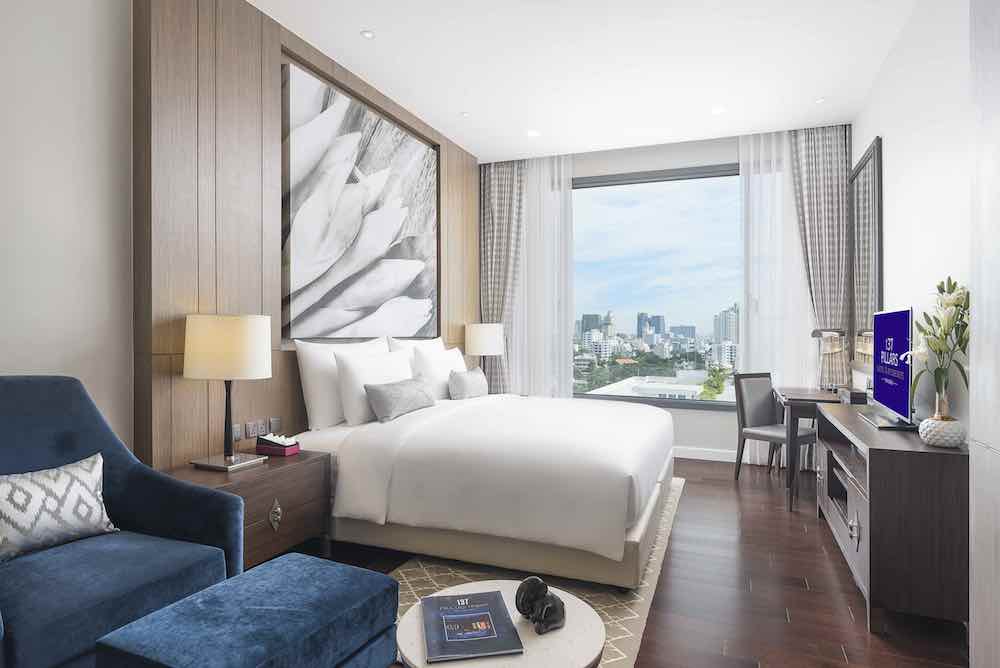
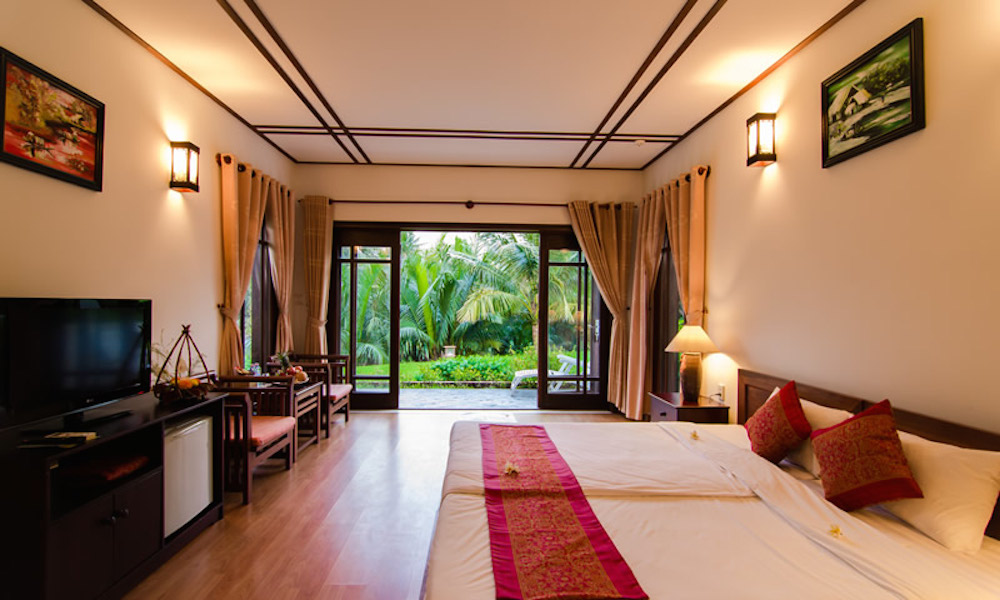
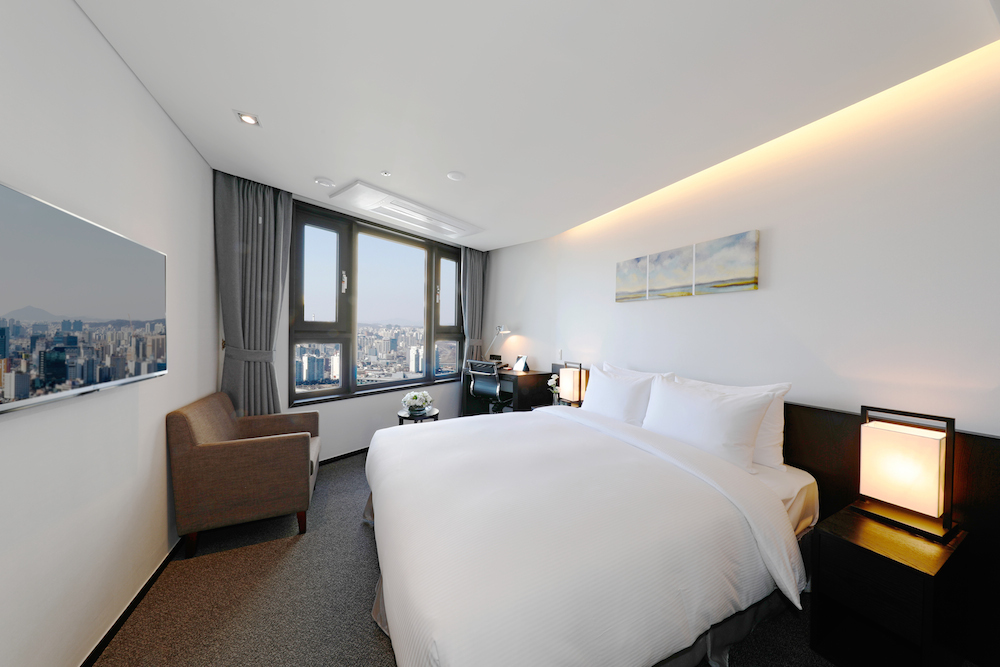
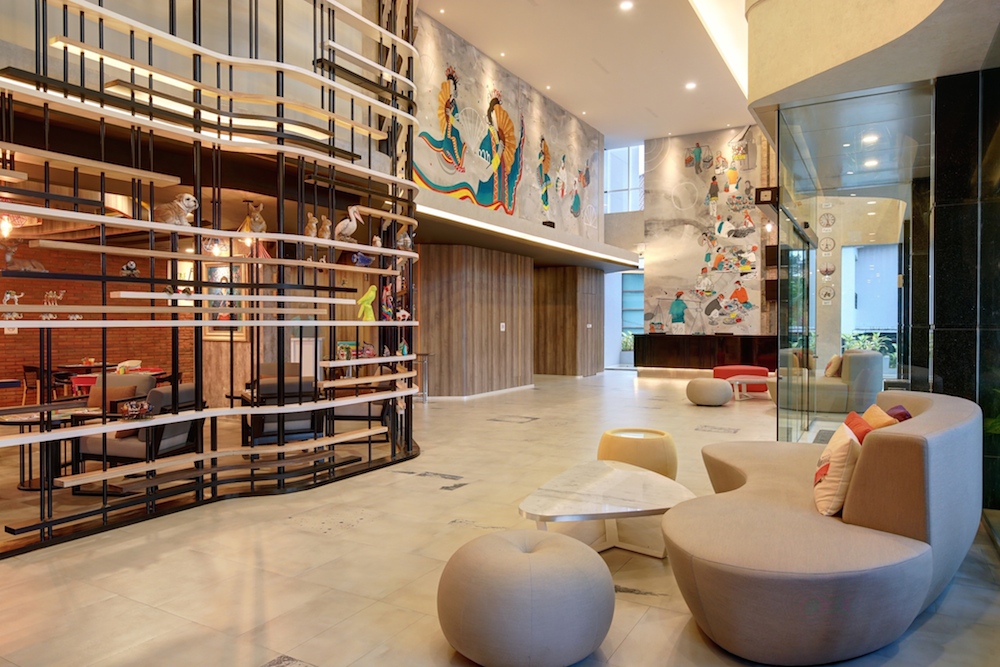
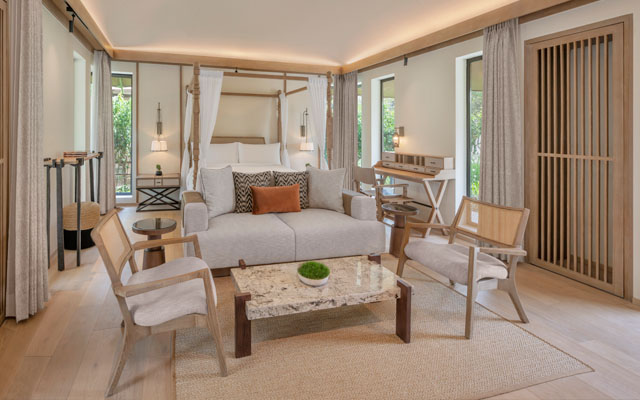
Oh yes, we have constantly been tweaking it. In North America, some US$2 billion is being spent on renovating the hotels. That’s around US$1 million per hotel. We pride ourselves that they aren’t cookie-cutter hotels. We have 20-30 designers going out to the properties to help them make cost-effective renovations. Typically, we take a hotel owner and the GM to visit the competition and ask how they would like to be positioned against the competition. Once they have decided, we present them with the whole renovation plan.
This year we’re going back to those who have renovated but had not done it right. We look at guest satisfaction surveys and if there are still complaints or low ratings on the physical appearance we’d go back (to fix it).
Your thoughts on Asia?
The industry there has gone through several growth phases and continues to grow, unlike Europe, which is a mature industry with all the segments covered. That’s not the case in Asia where economy and midscale actually have lots of runway. I feel good about growth in Asia for our brands. I think they are a good fit for Asia.
We’ve over 200 hotels now in Asia and, with Olivier Berrivin there (managing director, international operations Asia), we’re on a hyper growth mode.
But it’s not a numbers game. It’s been a great honour for us to be voted by TTG Asia readers for quality every year – that’s the kind of achievement we want. I’ve often mentioned that quality is the foundation of everything you want to achieve.
This article was first published in TTG Asia April 2017 issue. To read more, please view our digital edition or click here to subscribe.





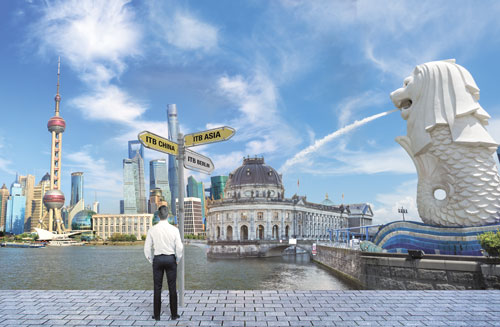
 With huge markets such as China, India and South-east Asia, the region is without doubt the current and future source, not just for Asia itself but the world. It’s the reason for Messe Berlin’s expansion into Asia, launching a new edition of ITB in China next month, eight years after inaugurating ITB Asia in Singapore.

 Thousands of travel industry members attending ITB last month were stranded in Berlin when ground crew waged strikes at the two airports, causing massive flight cancellations.