

Singapore is rolling out a suite of events, attractions and updates for 2018 and beyond to keep visitors coming.
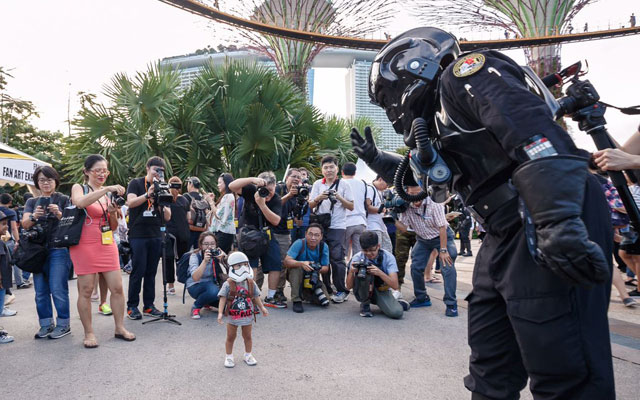
Among the events are Design Orchard, a transformation of the Orchard Road shopping belt; the International Champions Cup held until 2021, and the Singapore Tourism Board (STB) partnership with The Walt Disney Company, which will see Marvel- and Disney/Pixar-themed activations running through 2018 and 2019 respectively.
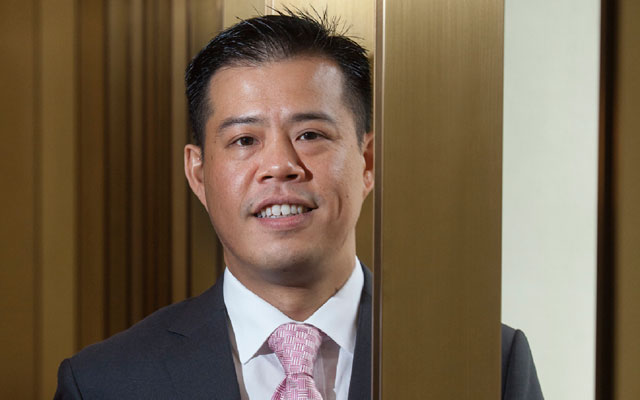
Speaking to TTG Asia at the recent ATF in Chiang Mai, STB’s executive director, communications & marketing capability, marketing group, Oliver Chong, said: “The Star Wars activations in 2017 saw many families and travellers come from around the region and beyond to take part in the festivities. We expect to see the same for the Marvel and Disney/Pixar franchises in the coming three years.”
The country will also continue to host the Formula One Grand Prix, which Chong shared has so far attracted 450,000 international spectators that form 40 to 50 per cent of the race crowd.
To appeal to more Malaysian travellers – a market that ranks fourth in international arrivals for the city-state from January to October 2017 – STB will promote weekend getaways with a family focus.
STB will also reveal remaining programmes under its new Passion Made Possible brand, and these will target travellers keen on night life, arts and culture as well as sports and adventure. As well, the brand will launch in Germany and Australia in 1Q2018.

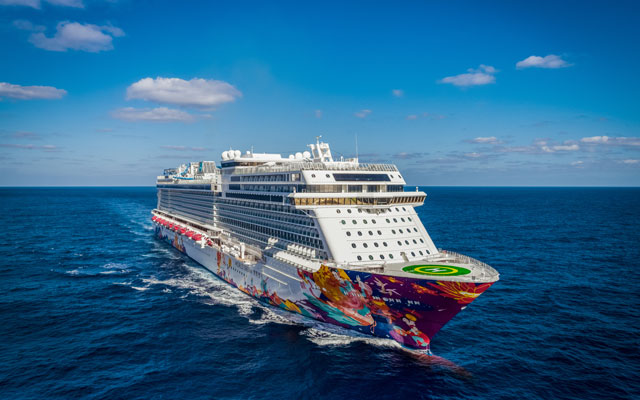
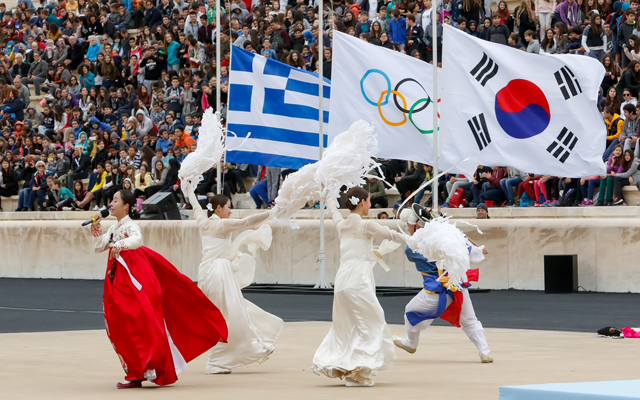









The 2018 Winter Olympics taking place in Pyeongchang from February 9 to 25 is unlikely to fix South Korea’s tourism troubles, providing only a short-lived boost, according to ForwardKeys.
Based on its analysis of 17 million flight booking transactions, ForwardKeys found that inbound flight bookings for February are 15.4 per cent ahead of the same period last year, but bookings for March are 24.9 per cent behind.
ForwardKeys further stated that one would expect there to be a steep year-on-year decline in Chinese travel to South Korea prior to the Games, and a strong surge during, with the 2017 Chinese New Year falling on January 28 and this year on February 16.
However, Chinese bookings for February are just 5.6 per cent ahead of where they were at this time last year, a stark contrast to the 108.6 per cent increase in overall Chinese outbound bookings.
There is also a marked shift in profile of Chinese visitors. In February 2017, 65 per cent came in organised groups, as opposed to independently. ForwardKeys said that this year, 82 per cent will be independent travellers, attributing this to a likely overhang from Beijing’s ban on group travel.
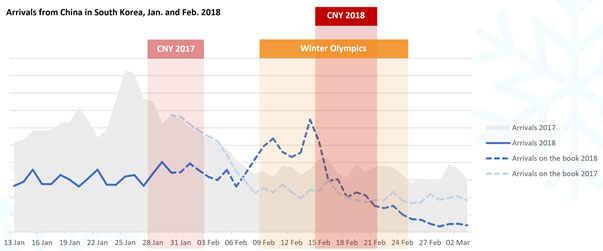 On the bright side, the Winter Olympics has helped boost inbound tourism from certain longhaul markets. Excluding China, overall bookings for the Olympic period are currently 20.1 per cent ahead. Flight bookings from Hong Kong are up 24.8 per cent, from the US 23.8 per cent, from Germany 30.7 per cent, from Canada 41.6 per cent and from Malaysia 19.1 per cent.
The most spectacular growth came from Vietnam, 555 per cent ahead, the result of the combination of improved air connectivity, a visa waiver for the Olympic period and Tet holidays (Vietnamese New Year).
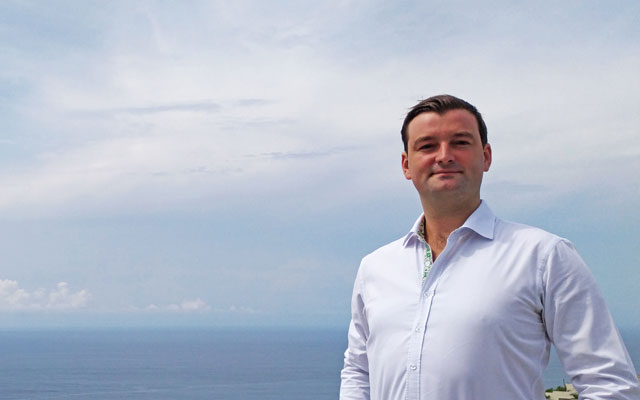
Olivier Jager, CEO, ForwardKeys, commented: “The reality is that South Korea is very heavily dependent on China for its tourism exports and, right now, the strongly growing outbound Chinese market is headed elsewhere in Asia. The rebuilding of diplomatic relationships between Seoul and Beijing is the key to its recovery.”
Inbound tourism to South Korea was hit after the Chinese government introduced measures to discourage its citizens from visiting, with political tensions heightened when South Korea deployed US-made THAAD missiles in response to sabre rattling from North Korea. In the year to April 1, 2017, visitor arrivals fell by 67 per cent, according to ForwardKeys.
In late November 2017, China relaxed its ban on group tours to South Korea and, in early January North and South Korea held talks which resulted in the North Koreans planning to attend the Winter Olympics in Pyeongchang.