Art-meets-gastronomy experience happening at Popinjays as a prelude to Art Basel event
The Murray, Hong Kong, a Niccolo Hotel, is partnering Art Basel Hong Kong for the second year running.
Scheduled to take place March 29-31, 2019 at the Hong Kong Convention and Exhibition Centre, the seventh edition of the international art fair will once again present works from regional galleries and artists, attracting media and collectors from around the globe.
Art-meets-gastronomy experience happening at Popinjays as a prelude to Art Basel event
Visitors reserving the For Art’s Sake package may enjoy special deals at hotel from March 25 to 31.
Priced from HK$5,888 (US$750), packages include a one-night stay in the N2 Grand room; entry to Art Basel for two persons on one day from March 28 (Vernissage) to 31; complimentary breakfast for two in Garden Lounge or The Tai Pan; upgrade to N3 Grand Deluxe at a special supplement of HK$1,000 per room per night; upgrade to Signature Suite at a special supplement of HK$2,112 per room per night; and shuttle services between the hotel and the fair.
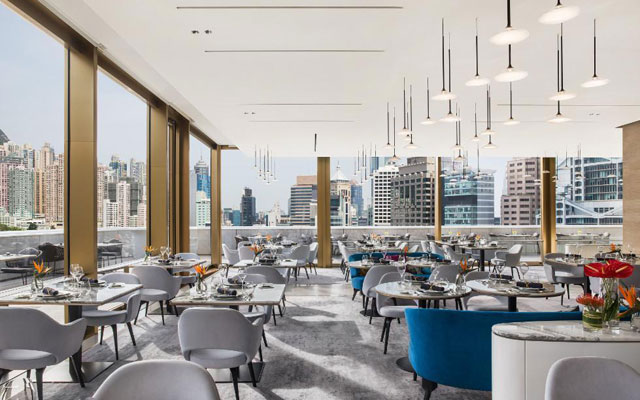
As a prelude to the main event, rooftop restaurant and bar, Popinjays will host A Masquerade of Art dinner on March 22, starting at 19.00. Diners will be surrounded by artwork by American graffiti artist Kaws, while enjoying a conceptual dance, She Stirs, by Kate March and Siobhan Dumigan.
Comprising four courses, menu highlights include Foie Gras Terrine and Smoked Eel as well as Ink Risotto with Obsiblue Shrimps.
The art-meets-gastronomy experience is priced at HK$1,900 per guest. Wine pairing is available at an additional cost of HK$500 and features premium wines from Margaret River’s Leeuwin Estate.
Alila SCBD Jakarta, Indonesia
Alila’s latest outpost stands next door to the Indonesia Stock Exchange. The five-star property boasts 227 studios and suites, as well as recreational facilities such as a spa, outdoor swimming pool and gym. There are several F&B options ranging from the New-York style Vong Kitchen to 24-hour Le Burger, both by Michelin-star Jean-Georges Vongerichten and son Cedric, as well as Hakkasan specialty restaurants by the Hakkasan Group. For events and meetings, there are 13 event studios on-site as well.
Vīb Best Western Sanam Pao Bangkok, Thailand
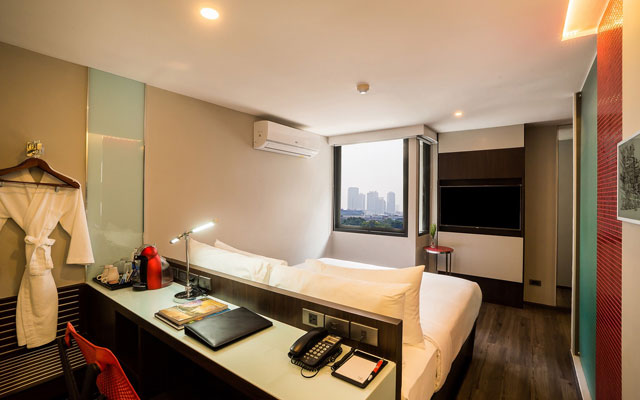
The first-ever Vīb Best Western hotel in Asia Pacific offers 91 contemporary rooms, all equipped with free Wi-Fi, Smart TVs and e-concierge technology, and convenient work areas. Guests can grab quick snacks from the café, work out in the 24-hour gym, unwind with a drink at Eye Bar or play in the gaming pods. The cutting-edge, tech-savvy midscale hotel stands steps away from the Sanam Pao BTS skytrain station. This is the third Vīb in operation worldwide, following existing locations in Antalya (Turkey) and Springfield, Missouri (US).
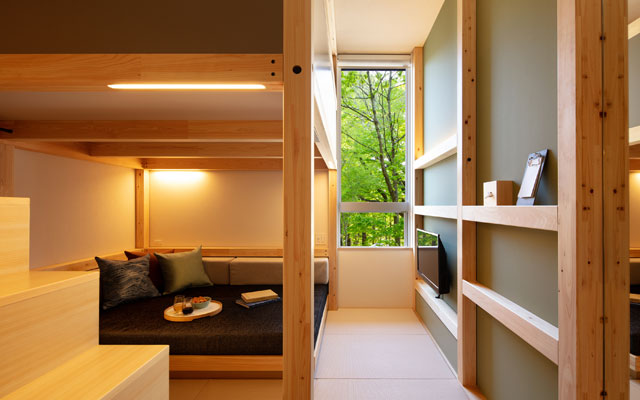
Hoshino Resorts BEB5 Karuizawa, Japan
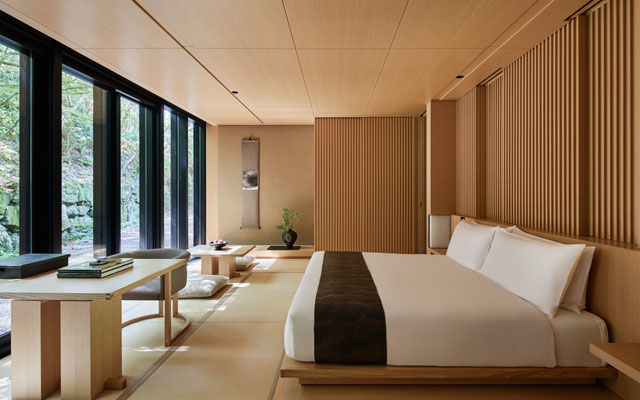
Hoshino Resorts has opened a new property in Karuizawa, Nagano Prefecture. It offers 73 guestrooms all with tatami flooring, and bills itself as “a laid-back hotel like your best friend’s house”. Facilities include the Tamariba Lounge (a cafe and outdoor terrace rolled into one), library and a shop. Located a short distance from the hotel is the Hoshino Resorts Tombo-no-yu onsen, while other activities include eco-tours through the forest, and ice skating on a lake during autumn and winter.
Bloomfield Bali, Indonesia
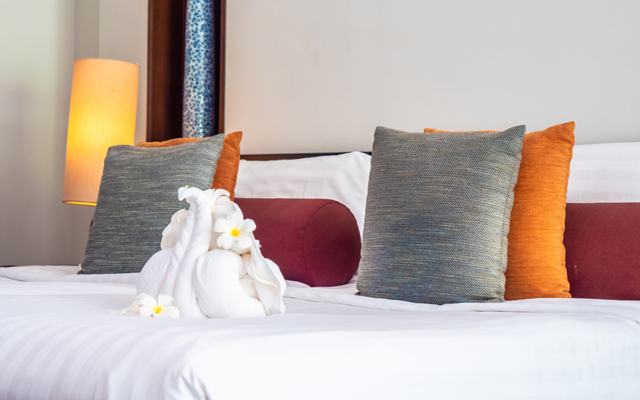
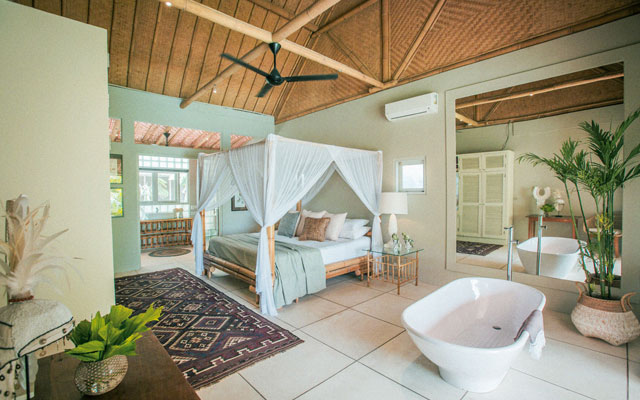
Boutique hideaway Bloomfield Bali has opened on the Island of the Gods in between Seminyak and Canggu. All of its 15 rooms offer ensuite bathrooms, Wi-Fi access and regular mod-cons such as a TV with satellite channels. There is also a separate three-bedroom villa which comes with its own infinity pool. The adult-only hotel – only guests above 14 are allowed unless the entire resort is booked out – also boasts an infinity pool, as well as a 20-seater Bloomfield Restaurant that serves vegetarian and vegan food.
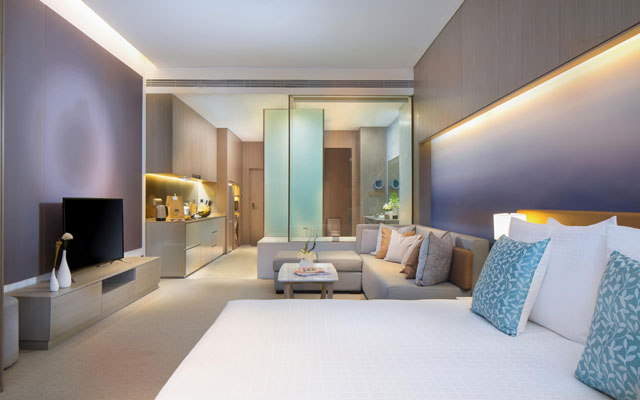
Shama Hongqiao Shanghai, China
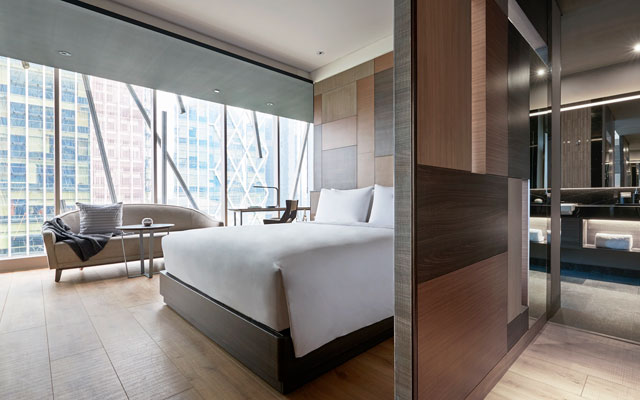
The serviced apartment offers 132 keys offering six different configurations from studios to two-bedroom residences, all of which come furnished with a Shama Slumber bed with an extra-soft feather mattress topper, fully-equipped kitchenette, dual laundry washer and dryer, LED TV with international channels, complimentary Wi-Fi and a work desk. Amenities on-site include a gym, yoga room and breakfast outlet. The property stands in the Hongqiao Business District, a 10-minute drive away from the National Convention & Exhibition Centre.
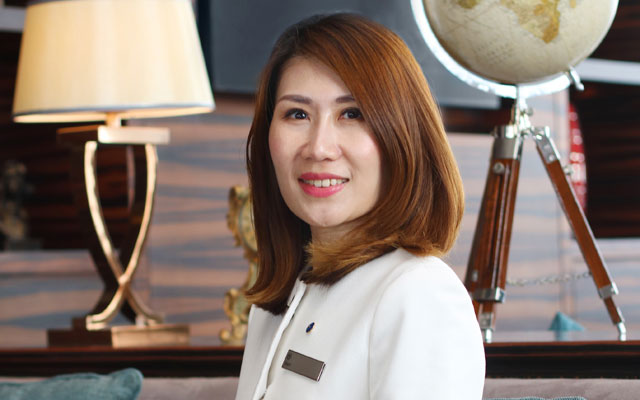
Sheraton Petaling Jaya Hotel in Malaysia has appointed Joyce Wong as director of sales & marketing.
Prior to joining Sheraton Petaling Jaya Hotel, Wong spent eight years with the Hilton group and mostly recent as commercial manager at Hilton Kuala Lumpur.
She ha over a decade of corporate sales experience in the hospitality industry, having started her career in 2002 with the finance department of Renaissance Hotel Kuala Lumpur before becoming a coordinator in corporate room sales in 2005.
Visitor arrivals (VA) in Singapore for 2018 grew 6.2 per cent to reach an all-time high of 18.5 million, with the destination seeing record performance from its top source markets, announced the Singapore Tourism Board (STB) yesterday.
China, Indonesia and India were the top three source markets. Notably, seven of the top 15 VA markets – China, India, the Philippines, the UK, the US, Vietnam and Germany – hit new highs due to increased air connectivity, Passion Made Possible brand activations and robust travel demand.
Singapore saw arrivals from markets such as China, India, Vietnam, the US hit new highs
This travel demand was largely spurred by the rise of the middle-class traveller segment and tier-two cities, said Chang Chee Pey, assistant chief executive, STB.
VA from tier-two cities in China rose by six per cent from 2017 to reach one million, and in India by 12 per cent to reach 253,000. These were driven by new flight connections to Chinese cities like Nanchang, Jinan and Nanning, as well as India’s Guwahati, Pune and Vijaywada.
In India, STB will shift its focus from family travellers to millennials, particularly young working adults, said Chang.
Another important segment is the “active silvers”, or elderly travellers who are frequent flyers. STB will in 2019 conduct more research into attracting this segment of travellers, shared Lynette Pang, assistant chief executive, marketing group, STB.
To pull in visitors from proximity markets like Indonesia and India, STB will leverage the Singapore Bicentennial celebrations this year to organise “supersized events”, revealed Chang.
He added that STB aims to woo longhaul markets like the UK and Europe with a roster of Bicentennial-themed programmes and tour products, which will be announced at a later date.
STB also announced that tourism receipts broke its previous stagnation, with a one per cent increase to S$27.1 billion (US$20 billion). Higher tourist spending was registered for Sightseeing, Entertainment and Gaming, as well as Other TR Components comprising elements such as air fares captured by local-based carriers.
Looking ahead, STB forecasted a further increase in VA from 2018 to 2019 of one to four per cent, to reach up to 19.2 million, and a further rise in tourism receipts of up to three per cent.
Asia-Pacific is the only region expected to see growth in hotel transaction volumes this year, according to real estate consultant JLL, which anticipates a 15 per increase to US$9.5 billion in 2019.
Last year, transaction activity was fuelled by single-asset trades, which drove more than 83 per cent of the total US$8.3 billion invested into the region. Developers and private equity firms were the biggest buyers, acquiring more than half of all the properties traded.
Building on 2018, investment momentum is expected to accelerate as investors look to sell assets and ride the anticipated tourism boom, especially in Japan and Singapore.
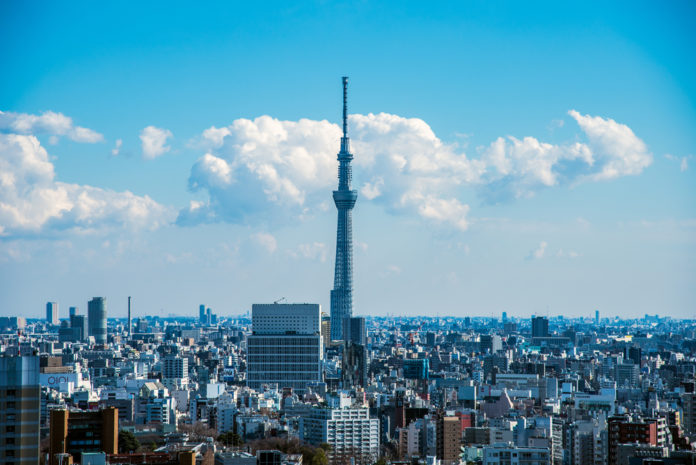
Nearly 30 per cent of all hotel investment last year was in Japan; Tokyo pictured
The most notable buyers will be Pan-Asian private equity funds that raised capital last year but have yet to deploy it. Listed REITs, particularly Japanese REITs, will look to Asia’s most liquid markets for purchases, while conglomerates and owner/occupiers will buy selectively in key markets.
“Despite a series of natural disasters, Japan’s hotel market captured investor interest globally. Nearly 30 per cent of all investment into Asia-Pacific was in Japan, overtaking China for the top spot,” said Nihat Ercan, head of hotel investment sales Asia for JLL’s Hotel & Hospitality Group.
According to JLL’s latest Hotel Investment Outlook report, investor sentiment in Japan will remain buoyed by the Rugby World Cup and the Tokyo Olympics – the market has already seen an 8.7 per cent growth in tourism year-on-year.
Similarly, Singapore’s hotel market pulled in seven per cent more tourists last year, driving positive RevPAR increases across all chain scales. In China, tourism demand outstrips supply – JLL tracked record high growth in RevPAR across major Chinese cities in 2018, including Chengdu up 20 per cent, Beijing up 15 per cent, Chongqing up 13 per cent and Wuhan up 12 per cent.
“While we remain in a late-cycle environment where yields remain low with limited potential for further compression, most investors do not see a major downturn coming. After a subdued final quarter in 2018, enquiries and deal making have perked up at the beginning of the year. Interest rates are now stabilised, so investors can focus on income growth and in markets where fundamentals remain strong,” concluded Ercan.
JLL expects investors looking at Asia-Pacific will factor into their valuation assumptions less upside in income; however, liquidity across key cities and lower return requirements will drive transaction volumes.
On the global front, hotel occupancy rates and underlying property performance will remain strong while travel and tourism are slated for another record year. Investors seeking more yield are increasingly turning their sights toward hotels amid slower economic growth projections and geopolitical uncertainty.
“Investment activity exceeded expectation in 2018 and we believe 2019 will be another strong year for global hotel investment, with a significant amount of debt and equity liquidity and competitive bidding for assets, given continued strength in fundamentals,” said Mark Wynne-Smith, global CEO, JLL Hotels & Hospitality. “Notwithstanding the more cautious backdrop, ongoing large portfolio and entity-level activity, hotels’ attractive yield profile and record levels of dry powder will drive global hotel investment momentum.”
The combination of portfolios will allow both parties to reach into different hotel categories and segments
A new study is demonstrating how hotels, even the most resource-strapped of them, can use publicly available data to improve occupancy predictions.
While international hotel chains often have sufficient resources for forecasting demand, smaller and independent hotels can “rarely afford to invest in such resources”, although their need for accurate predictions is just as great.
Brian King and Stephen Pratt from the School of Hotel and Tourism Management (SHTM) at The Hong Kong Polytechnic University, plus a co-author, say the method they used to make demand predictions can be adopted by even the smaller hotels.
With relevant data publicly available, even the smaller actors will be able to make relatively accurate demand predictions
How data from wider economic context of could speak to tourism
Given that tourism is a global industry consuming a diversity of goods and services, the prediction of future trends needs to take account of the wider economic context, the researchers say.
They hence looked at easily accessible online data available from the Organisation for Economic Cooperation and Development (OECD). The OECD, established in 1957, comprises 34 member states and a further 25 non-member states, including China, that participate as committee observers.
The OECD produces various quantitative indicators of specific aspects of the global economy, three of which were used by the researchers. First, the composite leading indicator (CLI) combines various economic variables, such as GDP, that indicate a country’s economic situation and provide “early signals of turning points in economic activity”. The researchers expected that the CLI for tourist origin countries would predict hotel occupancy rates in the destination country.
The business survey index (BSI) collects qualitative information from business executives and managers that is reflective of “confidence within the business community about prevailing economic conditions”. The researchers argued that the BSI reflects the “motives of business travellers and conference delegates”, which affect the volume of business in the accommodation sector.
The consumer confidence index (CCI), in contrast, reflects consumer sentiment based on the economic climate and household finances. The information is collected through a monthly survey of 19 member and non-member countries. The researchers predict that more positive feelings towards the local economy expressed through the CCI would be associated with increased hotel occupancies in the destination.
Findings
To test their predictions, the researchers used quarterly data on hotel occupancy rates in Hong Kong from the first quarter of 1972 up to the final quarter of 2010. They initially applied a method of “smoothing” the data to reduce the effects of seasonal fluctuations, so that they could identify the real peaks and troughs that reflected upturns and downturns in demand.
In the next step, they assessed the abilities of the three OECD indicators to predict peaks and troughs in the Hong Kong hotel occupancy data, categorised according to the Hong Kong Tourism Board’s classification of hotels as “high tariff A, high tariff B and medium tariff hotels”.
They showed that the three OECD indices are leading indicators of hotel occupancy rates. Then, they determined the correlations between each OECD indicator and the peaks and troughs in demand for each hotel type, finding that the CCI is the best predictor of overall Hong Kong hotel occupancy rates. However, the CLI provides better predictions for tariff B hotels.
Furthermore, the researchers note that other sources are available, such as the World Tourism Barometer which is produced by the UNWTO and outputs from the Australian government’s Tourism Forecasting Reference Panel.
There is, they explain, “growing interest at both national and international levels in improving the accuracy of predictions through multiple inputs”. The greater availability of such data, and the use of relevant methods to exploit them, means that policymakers and hoteliers will be better equipped to predict future demand.
Aman Kyoto will open in a once-forgotten garden at the foot of the Mountain of Hidari Daimonji in Kyoto’s north come November 1, giving the brand its third resort in Japan.
Nestled in forested grounds in the district of Takagamine, the resort is within walking distance of the iconic UNESCO World Heritage Site of Kinkaku-ji Temple.
The 32.3ha Aman Kyoto site comprises 29ha of permanent forest and 3.2ha of gardens tended over decades by the previous owner of the site, a respected collector of the obi (the ornamental sash for a traditional Japanese kimono) with an unrealised plan to house his collection in a museum to be built within the garden.
Aman Kyoto
1 of 2
Old sculptures on the once-forgotten garden
As the garden’s next custodian, Aman intends to bring a resort that draws on the country’s ryokan (traditional inn) and onsen (hot spring) concepts, while protecting the grounds for decades to come.
The garden sits within a valley, enclosed on one side by a small stream, and on another by a wooded hill. Platforms originally intended as locations for the buildings of the museum now provide the foundations for the resort pavilions.
Aman Kyoto includes separate Arrival, Living, Dining and Spa Pavilions, four Guest Pavilions housing 24 guest rooms with garden or stream views, and two separate Pavilions overlooking the forest canopy housing a pair of two-bedroom villas.
Each of Aman Kyoto’s 24 guest rooms and two villas is a contemporary reimagining of the traditional ryokan. The rooms feature floor-to-ceiling windows framing the natural surroundings, tatami mats and tokonoma (alcoves where items for artistic appreciation are presented).
Aman Kyoto’s signature restaurant in the Dining Pavilion will showcase Japanese haute cuisine, with multicourse dining experiences that make use of the local produce.
The Living Pavilion will offer a convivial space with a central fireplace and glass doors opening onto the zen (ornate stone garden).
Home-cooked Kyoto obanzai-style cuisine will be served throughout the day, and guests can also enjoy afternoon tea and reserve bamboo picnic hampers to be enjoyed al-fresco in the garden or forest glades. The garden itself is ideal for outdoor events, from small private dinners and functions, to weddings, yoga and mindfulness sessions.
The traditional onsen bathing facilities will use the water from a local spring, to deliver relaxation and healing, while a range of treatments tap into Japan’s plentiful natural apothecary – including Kyoto green tea, tanba kuromame (black beans), local saké, and cold-pressed tsubaki (camellia) oil.
Vladislav Doronin, chairman and CEO of Aman, said the Kyoto resort will add another facet to the brand’s journey in Japan, onward from Aman Tokyo and Amanemu in Ise-Shima National Park.
Aman Kyoto is owned by Kyoto Resorts, a subsidiary of the Chartered Group, which has been the driving force behind this project. Eyal Agmoni, chairman of the Chartered Group, said: ‘This garden sanctuary has been over two decades in the making so we can open its doors as an Aman. I am especially grateful to the late Kerry Hill and his team who created an architectural language that not only respects traditional Japanese design, but also celebrates, protects and brings back to life the unique gardens in which Aman Kyoto is housed.”
Chartered Group’s strategic alliance with Aman will also include the introduction of Residences at Aman Kyoto (2020).
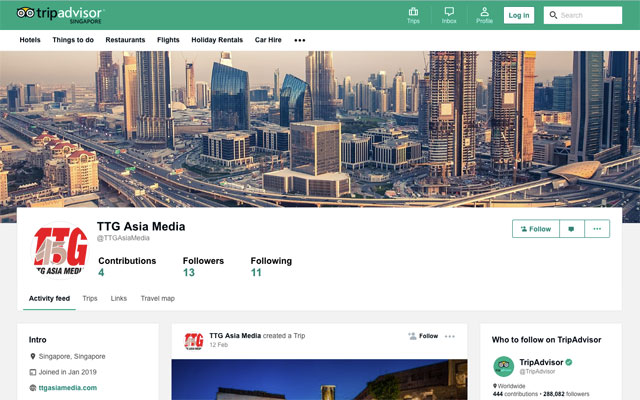
TTG Asia Media has joined the TripAdvisor platform so that we can better connect with you, our travel industry readers, and provide trip recommendations and inspiration for you and your clients alike.
Whether you’re a travel expert, meeting planner or association organiser, industry readers will benefit from our handpicked trips and articles on our travel feed on TripAdvisor.
Our team of reporters and correspondents in Asia-Pacific, with their deep understanding of their home market as well as the travel industry, will provide honest advice and recommendations of hotels, products and activities reviews.
We will cast the spotlight on one country every month – providing an in-depth review on local attractions, properties, as well as activities.
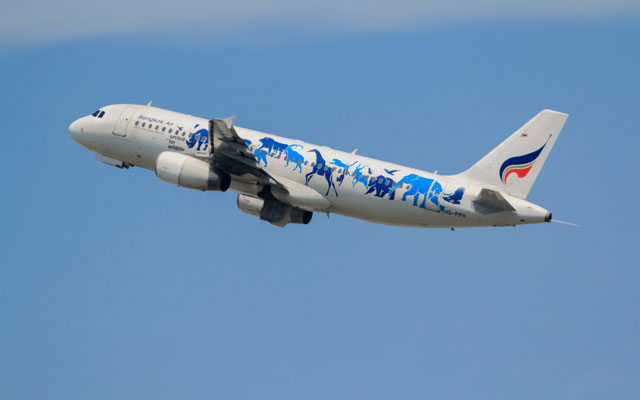
Bangkok Airways to fly from Chiang Mai to Krabi and Luang Prabang
Bangkok Airways is launching a thrice-weekly service from Chiang Mai to Krabi (one-way). The flight will operate on Sunday, Tuesday and Thursday from March 31 to April 29, and be adjusted to a daily frequency from April 30 onwards. The airline will use a 144-seater Airbus A319 aircraft to service this route. The outbound flight PG246 will depart Chiang Mai International Airport at 12.00 and arrive Krabi International Airport at 13.55.
From April 2, the airline will operate thrice-weekly flights between Chiang Mai and Luang Prabang using a 70-seater ATR 72-600 aircraft. On Tuesday, Thursday and Saturday, the outbound flight PG983 will depart Chiang Mai International Airport at 16.30 and arrive Luang Prabang International Airport at 17.45. The inbound flight PG984 will depart Luang Prabang International Airport 18.30 and arrive Chiang Mai International Airport at 19.45.
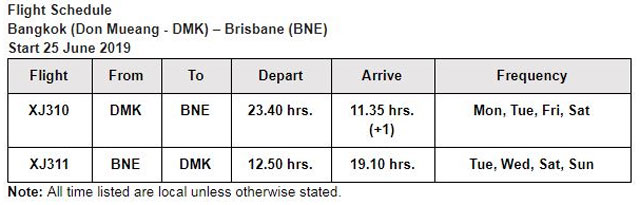
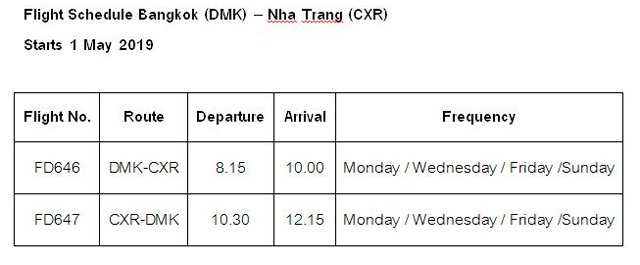
AirAsia launches flights from Bangkok to Nha Trang, Brisbane
From June 25, Thai AirAsia X will open itself up to a new continent by launching direct flights from Bangkok (Don Mueang) to Brisbane.
In addition, AirAsia will commence flights from Bangkok (Don Mueang) to Nha Trang, flying four times a week (Monday/Wednesday/Friday/Sunday).
Singapore Airlines to boost Osaka service
Singapore Airlines (SIA) will add a third daily service to Osaka’s Kansai International Airport on April 27, 2019. Operated with Airbus A330-300 aircraft, adding nearly 2,000 seats per week in each direction, flight SQ620 will depart Singapore at 08.30 and arrive at Osaka at 16.10. The return flight will operate as SQ621, departing Osaka at 17:25 and arriving in Singapore at 23.05.
Emirates’ forges codeshare with China Southern
In its first codeshare partnership with a Chinese carrier, Emirates has signed an MoU with China Southern Airlines to enter a reciprocal codeshare agreement.
The partnership covers 18 routes including domestic points in China and destinations in the Middle East and Africa.
It adds eight new destinations to Emirates’ network. In the initial phase, Chinese cities covered by the agreement include Fuzhou, Chongqing, Kunming, Qingdao, Xiamen, Chengdu, Nanjing and Xi ‘an. Emirates operates twice-daily flights to both Beijing and Shanghai in addition to one daily flight to Guangzhou, all operated by the iconic Airbus A380 aircraft.
For passengers travelling from China, there will be more convenient connections to destinations in Emirates’ Middle East network such as Riyadh, Jeddah, Dammam, Muscat, Kuwait and Cairo. The agreement also includes flights to African destinations such as Seychelles and Lagos, operated by Emirates.
The duo has performed in the world's largest touring magic show, and is now taking its magic to Colombo
The Clairvoyants, a magician and mentalist duo, will perform at Colombo’s Nelum Pokuna Rajapakse Theatre on April 4, part of efforts by Cinnamon Life to amp up the entertainment scene in the Sri Lankan capital.
Comprising Amélie van Tass and Thommy Ten, The Clairvoyants were offered a spot in ‘The Illusionists’, the largest touring magic show in the world. The duo received worldwide acclaim in 2016 when they placed second on America’s Got Talent Season 11 and again secured the spot as runners-up at AGT: The Champions.
The duo has performed in the world’s largest touring magic show, and is now taking its magic to Colombo
In 2016, The Clairvoyants were also commissioned to headline the show ‘The Illusionists – Turn of the Century’ in New York City, which turned out to be the bestselling magic show recorded in Broadway history.
Bringing the event to Colombo reflects Cinnamon Life’s desire to position itself as a leader in entertainment ahead of the opening of its own performance venues.
It wants to eventually be “the heartbeat of the city” and make its mark as Colombo’s lifestyle capital. The integrated development, positioned as a “city within a city”, will feature hotels, shopping arcades, theatres, office spaces, multi-purpose entertainment venues, restaurants and apartments.
Dileep Mudadeniya, head of brand marketing, Cinnamon Hotels and Resorts commented: “This highly anticipated event will provide yet another glimpse of what you can expect from Cinnamon Life, Colombo’s paragon of lifestyle and entertainment. Cinnamon Life, a multi-faceted development set to become a hub in its own right… will play a crucial role in attracting world-class entertainment acts to the island, elevating Colombo and Sri Lanka’s place as the rising stars of the region.”
Tickets for The Clairvoyants show are available on www.cinnamonboxoffice.com, and will be priced at Rs4,500 (US$23.40), Rs7,500, Rs10,000, Rs15,000 and Rs20,000.


 Hoshino Resorts BEB5 Karuizawa, Japan
 Bloomfield Bali, Indonesia
 Shama Hongqiao Shanghai, China