

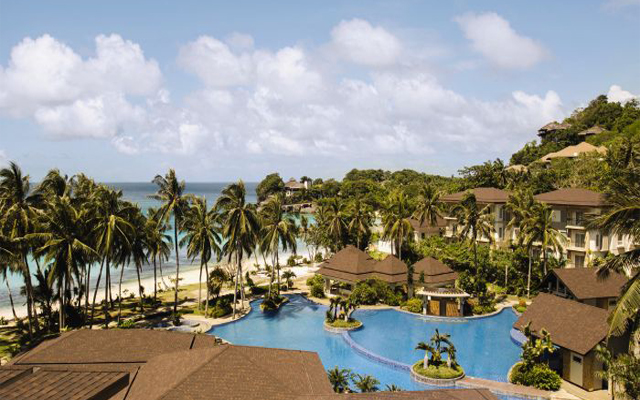
Having a huge domestic market can be a double-edge sword, particularly if it takes up the lion’s share of the tourism pie and overseas markets are overlooked.
The Philippines has an estimated 60 million domestic tourists, a cushy fallback in times of fluctuations in its foreign feeder markets. Foreign arrivals lag far behind in comparison, totalling 6.6 million last year, and has reached only 3.7 million in 1H2018.
Even world-famous Boracay has more domestic than foreign tourists, which stood at 1.2 million and 800,000 respectively last year.
One downside of a strong domestic travel sector is the small number of international hotel brands attracted to open properties in the country.
And without the competition that the foreign brands bring to a destination, tourist establishments have become rather complacent when it comes to improving their services and facilities.
According to a senior executive at a resort company, the arrival of a global hospitality brand is a key reflection of the readiness of the country or destination in welcoming the international market, as in the case of Boracay. With the presence of global established players, the local hospitality sector would be more driven to be competitive to meet the needs of international visitors.
Meanwhile, complacency among some hotels, dive centres and smaller tourism-oriented businesses was the gripe of a Hong Kong travel agent. He lamented that some of these local suppliers ignored phone calls and emails.
But oftentimes the lack of upgrade or expansion simply boils down to business decision, especially for small tourism outfits, local industry leaders pointed out.
Tourism Congress of the Philippines’ president Jojo Clemente explained: “By virtue of them being small players, that’s all that they can afford. If they’re full, there is really no cause to renovate. If they’re not full, how can they fund a renovation when their profit is so small?”
Angel Ramos Bognot, president and managing director of Afro Asian Travel, thinks the as-yet-developed culture is to blame, in which operators often adopt a “that will do” attitude for domestic tourists while going the extra mile for foreign tourists. The Department of Tourism, she opined, should be involved and “raise the bar for all its partners in tourism”.
And with the steep depreciation of the Philippine peso against the US dollar, Bognot predicts an increase in domestic footfall as it is now costlier for locals to travel abroad, even as LCCs – which spurred the domestic tourism boom – continue to offer competitive airfares.
But as local operators and domestic tourists become more exposed to the ever-changing global trends, the situation will certainly improve as domestic travellers become more discerning, with disposable income rising and the demand for higher quality and standards expected to follow suit.
Amid a growing list of global brands in Manila and Cebu, Clemente noted: “Local chains are starting to become aggressive. Henann, Bellevue and Chroma are putting up really nice properties.”

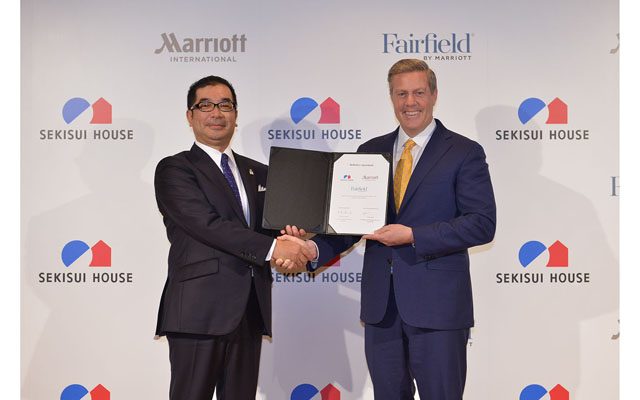



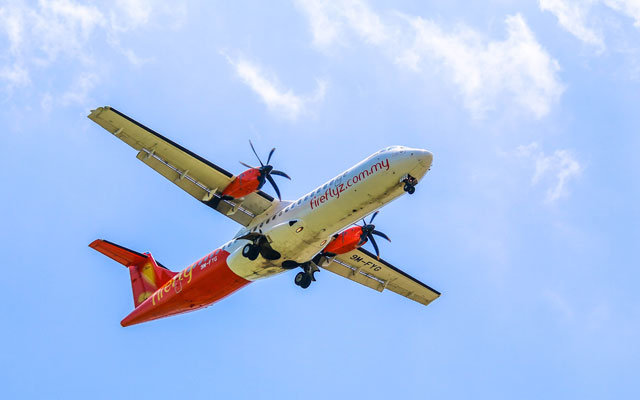
 He will replace Ignatius Ong, who joined Malaysia Airlines (MAS) as group chief revenue officer in June 2018. Ong has since then worn double hats.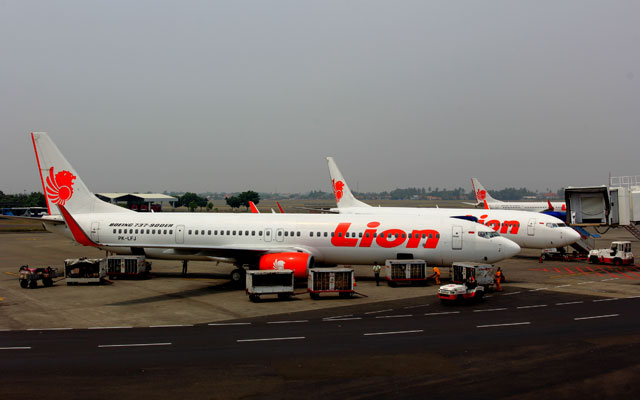










Data from the jetliner showed that the pilots appeared to struggle with an automated system designed to keep the plane from stalling – a new feature in the 737 Max family.
The Boeing 737’s nose was repeatedly forced down over two dozen times during the 11-minute flight, even when the plane was not stalling – possibly due to a faulty sensor, the report stated.
It is, however, unclear why the pilots did not turn off the automated system.
The report, which did not give a definite cause for the deadly incident, also added that it was too early to conclude if the anti-stall system had contributed to the crash.
KNKT is continuing investigations, with a more detailed report expected to be completed within 12 months.
Boeing, in response to KNKT findings, said it is “deeply saddened” by the loss of Lion Air flight 610.
“As our customers and their passengers continue to fly the 737 MAX to hundreds of destinations around the world every day, they have our assurance that the 737 MAX is as safe as any airplane that has ever flown the skies,” Boeing said in a statement.
Meanwhile, KNKT has recommended that Lion Air improve its safety culture and should ensure the operations manual is followed “in order to improve the safety culture”.
It also urged the Indonesian carrier to ensure that “all operations documents are properly filled and documented”.