

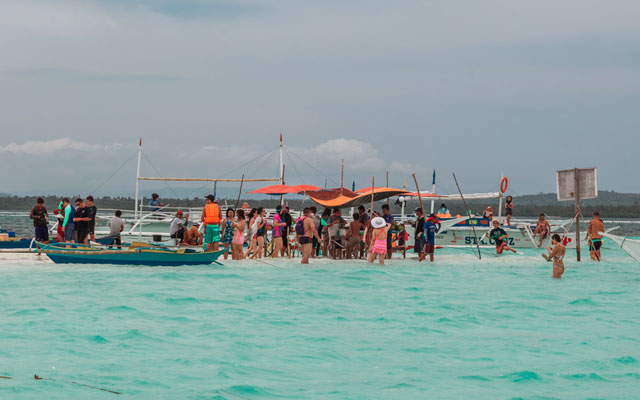
As more Philippine tourist destinations are being looked into for rehabilitation, the Philippine Department of Tourism is urging local operators to comply with laws related to sustainable development, while assuring destinations will not face complete shut-down, unlike the case of Boracay’s clean-up last year.
“Rehabilitation is not exactly closure,” tourism secretary Bernadette Romulo Puyat emphasised while disclosing that Panglao in Bohol and El Nido in Palawan are currently being rehabilitated.
Siargao will follow “soon” and Coron in Palawan is being looked into as well, with the responsible and sustainable management of major tourists spots said to a priority as part of the NTO’s new direction.
Non-beach destinations will not escape scrutiny, with the task force also looking at Baguio, which is beset with the depletion of pine trees it is noted for, and overbuilding issues.
Boracay was abruptly closed for six months last year as part of its ongoing rehabilitation, causing thousands of job losses, economic woes for island residents dependent on tourism for sustenance, and billions of pesos in losses to airlines, hotels, travel agents and tour operators.
This time however, only establishments that have violated environmental and related laws will be shut down until they comply.
In the ongoing rehabilitation of the Manila Bay, for instance, Puyat said at least five hotels would be closed if they fail to comply within three months. Several restaurants and other establishments were already closed.
For beach and sea destinations, the government inter-agency task force including the Department of Tourism basically checks the coliform level of the waters, sewage disposal, compliance with easement and environmental rules, among other areas.
Puyat said that last November, Panglao and El Nido were given six months to follow easement and environmental laws, however their mayors were “a bit hard-headed”.
If these two destinations still don’t comply after the sixth month, she said they will discuss next steps.
As more destinations are identified for rehabilitation, Boracay is now believed to be cleaner and more tourist-friendly and is on the second part of its rehabilitation covering the repair of roads leading to its timberland. There still are establishments that remain closed pending their compliance with environmental and other regulations.











Adventure in travel is not just the domain of the young, according to a recent study.
Travel publisher Rough Guides released its findings from a poll of 2,000 adults age 40 and above shortly after its foray into creating bespoke trips “packed with personality and adventure”.
The study showed that over 40s reckon they have only visited a quarter of the countries they dream of going to around the world with popular backpacking destinations New Zealand, Canada, and Australia top of the list. It also emerged that more than six in 10 are already looking forward to at least one trip abroad in 2019.
Notably, three in 10 in the over 40s age group reckon they are more adventurous with their holiday choices now than they ever used to be, with 38 per cent preferring to go off the beaten track when they travel abroad.
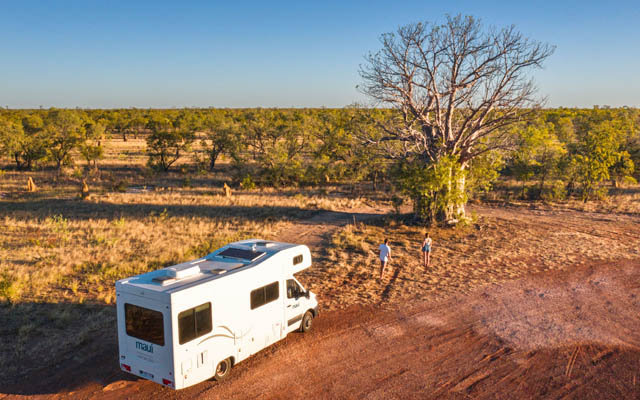
Rather than sitting by the pool, a fifth of over 40s have tried snorkelling on a trip abroad and more than one in 10 have been on a safari.
On top of the propensity to see the world, age also affords greater freedoms to travel. Nearly half of over 40s polled say they go on more holidays now than at any other point of their lives, with six in 10 putting this down to having more money now than they did in the past.
A quarter think it’s easier to get away and go jet-setting around the globe because their kids are older, while 46 per cent have more time, according to the research. Another 40 per cent think their lives have simplified enough so they now have more freedom – in their 50s or beyond – to see the globe.
Aimee White, editor at Rough Guides, said: “Travel is no longer the sole preserve of the young. It is important that the travel industry gives older travellers the same opportunities to have adventurous travel experiences as younger people if they want to and not dismiss them as being too ‘old’ or ‘boring’.”