Wellness tourism, the pursuit of maintaining or enhancing one’s personal wellbeing while on vacation, is no longer a hippy concept sought out by the spiritual or backpacker types.
It has become a US$639 billion global market in 2017, more than double the 3.2 per cent growth rate for tourism overall, according to the 2018 Global Wellness Tourism Economy report released by non-profit Global Wellness Institute (GWI).
This fast-growing tourism segment has been posting healthy growth, expanding by 6.5 per cent annually from 2015 to 2017. Travellers made 830 million wellness trips in 2017, which is 139 million more than in 2015. Furthermore, wellness tourism looks set to continue its rapid growth trajectory at 7.5 per cent annually through 2022 to reach US$919 billion.
At the root of this robust growth is a confluence of factors – a burgeoning global middle class, stronger appreciation and desire for a healthy lifestyle, greater interest in experiential travel, and growing ease and affordability of flights and travel options – all of which are steamrolling the demand and development of wellness tourism worldwide.
“Once upon a time, our contact with wellness was occasional: we went to the gym or got a massage. But this is changing fast: a wellness mindset is starting to permeate the global consumer consciousness, affecting people’s daily decision-making – whether food purchases, a focus on mental wellness and reducing stress, incorporating movement into daily life, environmental consciousness, or their yearning for connection and happiness,” noted Katherine Johnston, senior research fellow, GWI.
“Wellness, for more people, is evolving from rarely to daily, from episodic to essential, from a luxury to a dominant lifestyle value. And that profound shift is driving powerful growth.”
While North America leads in wellness tourism expenditures and Europe remains the top destination for wellness trips, it is Asia-Pacific where the most gains in the number of wellness trips and expenditure has been made.
China, Japan and India reign as the top three wellness markets in Asia-Pacific in 2017, recording expenditures of US$31.7 billion, US$22.5 billion and US$16.3 billion respectively.
Amid the eye-popping growth that wellness tourism is seeing, GWI also reports the convergence of wellness, hospitality and travel businesses in unprecedented ways, as businesses experiments with new partnerships and business models to help travellers incorporate wellness into every aspect of their trips.
Here’s a look at key trends in Asia’s wellness tourism sector and what to expect in 2019 and beyond.
Beyond skin-deep treatments
As medical tourism expands beyond cosmetic surgery procedures like facelifts and liposuction to body sculpting and facial rejuvenation, established medical hubs like Thailand are especially well-placed to capture the high-value medical and wellness tourism segments.
While many top-notch hospitals in the region have checked into hospitality – think Singapore’s Farrer Park Hospital, which has an adjoining hotel for patients to recuperate – the converse is also true as more wellness resorts expand beyond traditional spa treatments and therapies into high-tech offerings.
Just look to the newly-opened Mövenpick BDMS Wellness Resort Bangkok, which is tapping world-class physicians and latest molecular science in its lifestyle and wellness destination resort proposition.
By leveraging its connection with owner Bangkok Dusit Medical Services (BDMS) – Thailand’s largest private hospital group – this 293-key destination spa resort seeks to tap the clientele at next-door BDMS Wellness Clinic, as well as the growing ranks of health-conscious travellers looking to rejuvenate their bodies and minds while on vacation.
Guestrooms are outfitted with wellness amenities like mood lighting, yoga mats and bouncing balls, while an established nutritionist has been roped in as consultant to develop healthy, GMO-free menus for F&B offerings, as well as coffee breaks for corporate events.
Mövenpick BDMS Wellness Resort Bangkok is not alone in pursuing the lucrative synergies between wellness and medical tourism.
Dedicated wellness resort pioneer Chiva-Som International Health Resort will complete a top-to-toe revamp in October this year that will see the addition of a new hydrotherapy suite and flotation chamber to its wellness facilities.
Urban push for wellness resorts
While wellness resorts were once the domain of destination spas in tranquil resort locations, the growing bleisure trend, as well as desire of travellers to have access to self care vacations, have led to a growing number of urban hotels in Asian cities to roll out wellness programmes and positioning themselves as wellness retreats.
Aman already moved into this space in Tokyo, while Six Senses recently forayed into Singapore with two properties in the city’s commercial district; both wellness hospitality brands are expected to launch in New York City come 2020. Meanwhile, One&Only is set to debut its first urban resort in Dubai’s One Za’abeel.
While cosmopolitan cities may not be typically perceived as wellness retreat locations, it’s the very proximity of accessibility and serenity that draw hospitality companies to set up shop in some of Asia’s busiest cities.
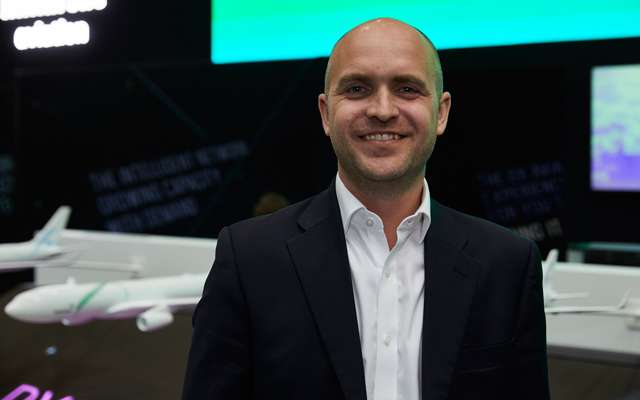
What Singapore has is the alluring marriage of accessibility and serenity, managing director of The Capitol Kempinski Hotel Singapore, Christian Gurtner, told TTG Asia.
He explained: “It’s clearly the best of both worlds combined in one place. While you are able to retreat from hectic daily life and get a good rest with a relaxing ambiance, you are at the same time in the middle of everything and just steps away from entertainment, shopping, cultural events, bars and restaurants.”
For Fivelements, which runs an eco-wellness resort in Bali, it’s with the vision of addressing the growing prevalence of mental health and physical wellbeing issues in urban centres that founders Lahra Tatriele and Chicco Tatriele brought its brand to Hong Kong.
“We see that people in Hong Kong are living highly demanding lives and are seeking greater balance, stress reduction and authentic, personalised wellness experiences. So we intend to create a home or ‘habitat’ for the growing ‘urban wellness tribe’ and cultivate it as the second most important place for urban dwellers, creating a bridge between their first, being their residence, and their third, being their workplace. We believe that urbanites are now ready for a city wellness concept,” said the founders.
The first Fivelements Habitat has just launched in Hong Kong’s Times Square in July 2019, and the brand will plant two more locations in the CBD over the coming 18 months.
Featuring a rich collection of holistic practices inspired by Balinese healing philosophy, Tri Hita Karana, to foster self-exploration, mental and physical health and wellbeing, Fivelements Habitats in Hong Kong offer a diverse array of formats, ranging from classes to private sessions, corporate groups, trainings and workshops, events and day retreats.
Airport wellness ventures take to new heights
As the numbers of people travelling by air surges around the world, airports are no exceptions to the wellness trend as they become wellness destinations in their own right, rolling out health-minded services that are a step beyond one restaurant menu or spa, varying from swimming pools to nap pods to full-service spas.
For example, Frankfurt International Airport touts dedicated silent chairs, which enable passengers to get some peace and quiet with their arched backrests and soundproofing glass panels, alongside facilities like yoga studios and an open-air rooftop terrace.
In Doha, Hamad International Airport’s dedicated Vitality Wellbeing & Fitness Center is an oasis of therapeutic services, ranging from a glass-encased indoor pool to a hydrotherapy tub and nail salon.
Fitness, beauty and relaxation brands are making a push for their services into airports, according to a CB Insights report on wellness trends for 2019. Most recently, US-based airport spa brand BeRelax has raised US$24 million for post-security relaxation and beauty treatments, feeding into the growing trend of airports becoming more like shopping malls.
Leading fitness membership network ClassPass, which recently expanded into Asia, has entered into the travel wellness market with its launch of ClassPass Getaways to offer day-long wellness experiences such as workouts or spa services, among other options, CB Insights noted.
Clearly, airports are on their way to becoming the stepping stone to a wellness-theme travel journey.
A new fleet of floating retreats
With the significant uptick in fitness-oriented vacations increase, cruise lines are also responding by offering a gamut of wellness experiences on board, from indulgent pampering to fitness classes to oxygen bars.
In fact, total restoration has been identified by Cruise Lines International Association as one of the key cruising trends in 2019, as travellers seek ways to relieve the stress of the daily lives, and more cruise lines are responding to such growing passenger demand than ever before.
Cruise line Lindblad Expeditions joined hands with New York-based Exhale Spas to roll out its first wellness retreats at sea. Seaboard, meanwhile, has tapped the expertise of integrative medicine guru Andrew Weill in its new programme that centres on holistic, mindful living across its entire fleet. Other major cruise lines Oceania Cruises, Regent Seven Seas, Cunard and Celebrity Cruises have all partnered with Canyon Ranch to offer health-centric activities at sea and on land.
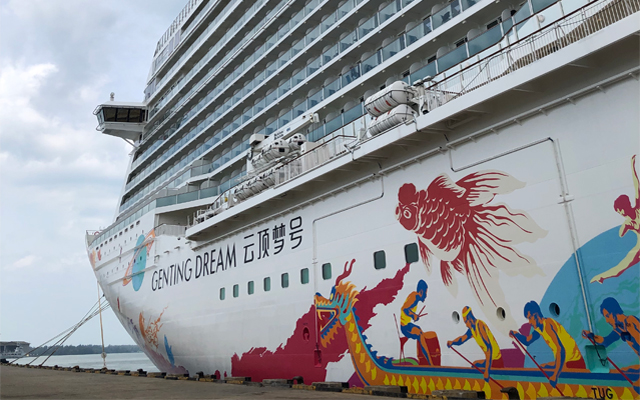
In Asia, Dream Cruises has also teamed up with ClassPass to offer special fitness-theme cruises earlier this year. Designed for millennial travellers and fitness fanatics, the three-night cruise programme was jam-packed with a wide range of classes, from high-intensity interval training and boxing lessons to chilled-out yoga sessions and aerobic Latino jam sessions.
“We’re seeing an increasing demand for holistic health and wellness options in Singapore, so fitness was an obvious choice for our first themed cruise in the Dreamer Series,” said Michael Goh, senior vice president – international sales of Genting Cruise Lines in a statement.
Additional reporting from Pamela Chow and Tiara Maharani