Kaydee George has been appointed general manager to Wyndham’s flagship property in Fiji, Club Wyndham Denarau Island.
Prior to this move, she was area general manager Gold Coast, based at Wyndham Surfers Paradise.
George first joined Wyndham in 2012 as a conference and events manager in Dunsborough, Western Australia, before being promoted to various resort management roles in Australia and New Zealand.
She is also part of the Queensland Government’s Young Tourism Leaders programme, which provides influential and inspiring role models to encourage young people to consider a career in the tourism industry.
Hotels in Singapore are leaning on the local penchant for staycations to keep business in the black, making up for the dive in tourist occupancy levels as a result of the ongoing Covid-19 outbreak.
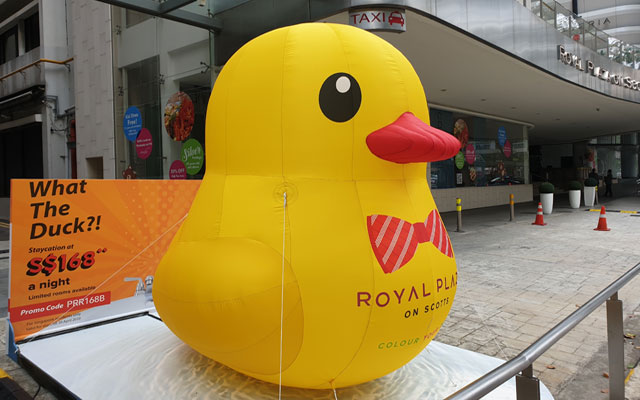
Several properties have rolled out promotions to entice Singaporeans and residents who are itching for a weekend getaway, especially as the March school holidays swing in from March 14-22.
Royal Plaza On Scotts among the many hotels in Singapore offering special staycation rates
For instance, Far East Hospitality is offering up to 50 per cent off its room rates in an “ongoing 2020 Super Sale”.
As well, One Farrer Hotel in March unveiled a “Home Truly Package” for Singapore citizens and permanent residents that includes a one-night stay in an Urban Room, a complimentary buffet breakfast for two adults and one child, as well as complimentary parking for one vehicle.
In January, Parkroyal Collection Pickering launched a year-long “Green City Life staycation offer” for its Superior or Deluxe Rooms that includes S$30 (US$21) dining credit for Lime Restaurant’s plant-based menu, 20 per cent savings on spa treatments, and other perks.
Arthur Kiong, CEO of Far East Hospitality (FEH), shared: “In every crisis, there is bound to be an opportunity. In this case, we see that the staycation segment has the potential to grow during this time.
“As Singaporeans are thinking twice about travelling overseas during the outbreak, staycations have become even more attractive, especially during the upcoming school holiday. This provides an opportunity for hospitality players to focus more on cultivating the domestic market.”
Kiong explained that the staycation segment is subdivided into different interests that brands can appeal to, such as wellness-conscious guests; arts, culture and heritage aficionados; as well as those in search of an adults-only getaway.
He added that instead of “going into a price war”, FEH is rolling out promotions that “provide value-added” service and “unique, engaging experiences” beyond the standard bed and breakfast.
For example, Oasia Hotel Downtown is targeting the wellness-focused demographic with the “O’ What a Weekend” package with additional perks such as high-tea and a complimentary fitness class.
“When creating these packages, we work with local tour operators and attractions to provide staycationers with different experiences. These might help them see Singapore in a new light too,” expressed Kiong.
In a recent statement, GlobalData predicted that the staycation segment could be a “winner” in the Covid-19 outbreak.
Nick Wyatt, head of R&A, travel & tourism at GlobalData, stated: “People will still want to go on holiday. However, they are going to start to revert to ‘safety first’.
“Staycations are likely to make travellers feel more comfortable as they are familiar with the location and they can potentially avoid flying. They know the health service and health structure, as well as other benefits of staying within your own country such as reduced travel time and no language barrier.”
Singapore’s local travel sector is taking a beating with the growing number of travel bans, with the latest casualty being Italy which went into nationwide lockdown on Tuesday as authorities struggle to stem the rising tide of Covid-19 infections across Europe’s fourth-largest economy.
The country has also imposed a nationwide ban on unnecessary travel until April 3, as the number of Covid-19 cases in Italy soared by 25 per cent to 9,172 on Monday, with the death toll jumping to 463 from 366.
Singaporean travel agents report that Italy’s nationwide lockdown has impacted travel confidence to the rest of Europe
Local travel agents told TTG Asia that since the Ministry of Foreign Affairs issued an advisory for Singaporeans to defer non-essential travel to northern Italy on March 3, they have seen a drop of 20 to 70 per cent of travel bookings and queries to Italy and other European cities.
Alicia Seah, director of marketing and communications, Dynasty Travel, said that she has faced a deluge of cancellations following the travel advisory, which has further dampened consumers’ confidence.
“Some 70 per cent of customers have postponed or cancelled their travel plans to Europe, including Italy, while the other 30 per cent are re-routing to other destinations such as Australia, New Zealand, Russia and even the Maldives,” Seah said.
She added: “With travel advisory against visiting Italy from the relevant ministries in place, airlines and hotels have allowed postponement, cancellation and re-routing to other destinations.”
Florence Ang, public relations & partnerships manager, The Travel Corporation (TTC), shared that they have cancelled all Italy trips for the rest of this month.
“Any guests who have made bookings to travel to or through Italy up until April 15, 2020 is offered to choose any alternative trip with Trafalgar (or any TTC travel company) to anywhere worldwide, with up to 15 per cent savings. Any guest who chooses to cancel can apply to take their trip at any other date within the year,” she said.
She added: “We have also re-routed some trips that travel through Italy and altered some itineraries to avoid high-risk areas.”
Steven Ler, executive director, UOB Travel, projected that there would be between 20 to 35 per cent cancellations or postponements following the incoming travel ban for Italy.
“We have also set up a dedicated service team to assist customers with changes (to their travel plans) and provide timelier updates of the (Covid-19) situation,” he said.
He added: “During this period, our focus will be to continue engaging our customers to identify their future travel requirements, such as educating them on the importance of better travel insurance coverage and travel management services which would prove to be critical in times of crisis.”
Meanwhile, some agencies are putting the lull period to good use. Since they are bracing for a slowdown in 2H2020, Seah shared that they were going to use this window of time to upskill their staff.
“With the current situation, we are going to tap on the government’s funding and relief measures to send our staff for enhanced training programmes to retrain and reskill them during this lull period,” she said.
Travel analytics firm ForwardKeys has struck a deal with the International Air Transport Association (IATA) and Airlines Reporting Corporation (ARC) to include their global ticketing data in its portfolio of products and data services.
The addition of the air transaction dataset will help ForwardKeys to expand its current product offerings across customer segments in the tourism industry.
ForwardKeys signs data-sharing agreement with the IATA and Airlines Reporting Corporation
Global trade association IATA represents some 290 airlines, comprising 82 per cent of global air traffic. The company also operates the Billing and Settlement Plan, which facilitates and simplifies the selling, reporting and remitting procedures of IATA-accredited travel agencies in some 181 countries and territories, excluding the US.
ARC specialises in air travel distribution and intelligence, and provides channel-agnostic tools and insights to enable the diverse omni-channel retailing strategies of its customers. In 2019, ARC settled US$97.4 billion in transactions between airlines and travel agencies, representing more than 302 million passenger trips.
ForwardKeys will now receive a regular data feed of global ticketing transactions settled by IATA and ARC for travel agency bookings – including OTAs – as well as direct airline transactions. Customers will be able to search and query against all the segmentation and profiling criteria on the ForwardKeys platform.
ForwardKeys CEO Olivier Jager said: “This moment is like the completion of a jigsaw puzzle; we can now see the whole picture in complete detail rather than just part of it.”
He added that the partnership will help ForwardKeys’ customers “receive even more reliable market intelligence which will help them make better decisions.”
“Our mission is to serve our customers with versatile access to the right piece of information at the right time to help them understand and predict travellers’ impact on their business and this announcement represents a major enhancement to that capability,” he said.
Thailand’s Montara Hospitality Group (MHG) has unveiled plans to develop a comprehensive health and wellness residential community in Phuket, Thailand, slated to be completed in 2022.
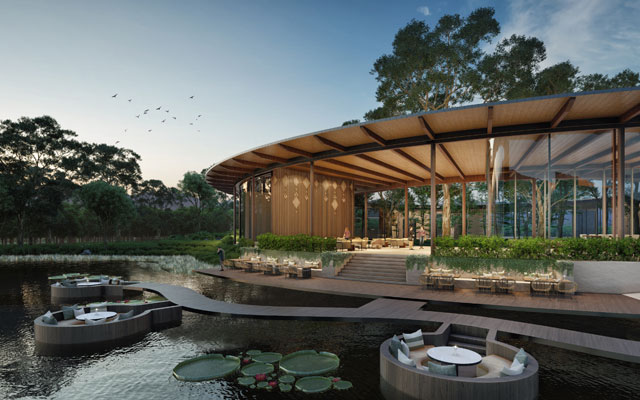
MHG is investing more than 6,600 million baht (US$220 million) in the development of Tri Vananda, which the company envisions to become “Asia’s largest and most comprehensive wellness residential community”.
Rendering of Tri Vananda which is set to open in 2022
Located a 20-minute drive from the Phuket International Airport, Tri Vananda will feature 298 villas, anchored by a wellness resort specialising in integrative and functional medicine and cognitive wellbeing.
On-site amenities include a health centre featuring consultation rooms, physiotherapy and TCM treatment rooms, a cognitive health centre, and facilities for health diagnostics aimed at treating residents and guests with tailored programmes.
Other facilities include a mindfulness centre with an indoor hall and outdoor areas for meditation, a spa with separate-sex thermal rooms, relaxation areas, a hammam, private spa suites, as well as a fitness centre with a swimming pool, gym, sauna, juice bar and lake pier for recreational water sports. There will also be a dedicated club designed to foster a wellness-led lifestyle for teens and pre-teens.
Sales for the two- and three-bedroom residential villas, ranging in size from 270m2 to 750m2, will start in July 2020.
Hong Kong-based Ovolo Group is set to open its first hotel outside Australia and Hong Kong in late 2020. Transforming the existing Citadines Kuta Beach Bali, this rebranding exercise will see the birth of Mamaka by Ovolo.
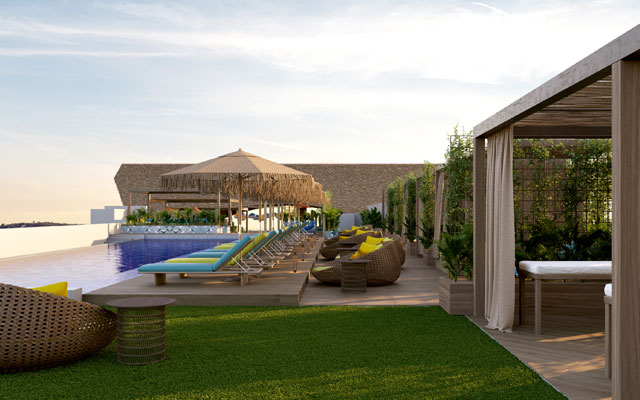
The 191-room urban resort will also feature a first on the island: a rooftop pool club with a 270-degree view of Bali’s western beaches, along with an all-day bar and dining venues, gym and conference facilities.
Mamaka by Ovolo
1 of 2
Guestroom
Rooftop pool
Adding to the Mamaka experience is a horizontal climbing wall, circuit training mechanical surfboard and an in-house surf school for those who want to ride the waves.
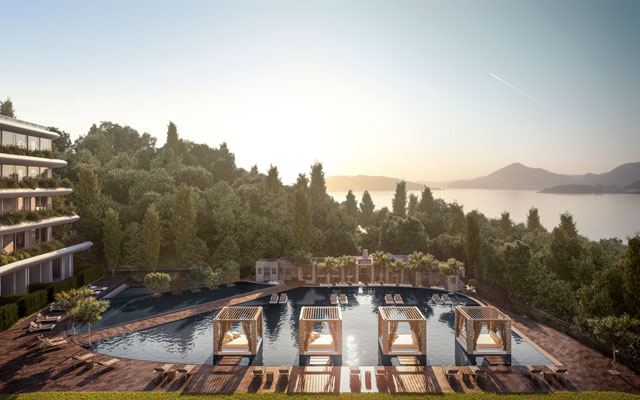
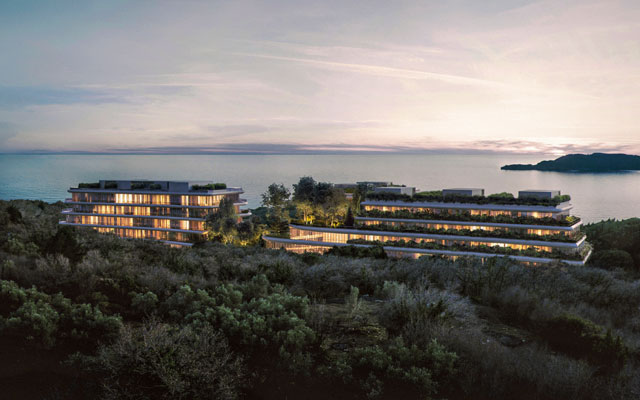
Luxury hospitality brand Aman spins off sister brand Janu with three new hotels slated to open in Montenegro, Al Ula in Saudi Arabia and Tokyo in 2022.
While Aman has been known for promoting luxury experiences in remote locations associating with spirituality and personal space, Janu – Sanskrit for “soul” – seeks to represent a complementary overlap of the current offerings. A new hotel brand focused on rekindling the soul, emphasis will be on community, connectedness and social experiences. However, guests can expect the same standards of service, immersive local experiences and design synonymous with the Aman brand.
Janu Montenegro
1 of 2
Exterior
Pool with cabanas
Embodying the spirit of community, there will be ample opportunities to mingle with other guests through group fitness sessions and cultural activities.
Giving way to private villas, properties will be larger scaled and housed in mid-rise buildings with around 120 guest rooms. Janu Montenegro will be the first hotel in the brand to embrace the service residences concept.
“Together, Aman and its sibling offer solutions for the varying needs and desires of today’s global travel cognoscenti,” added Vladislav Doronin, chairman and CEO of the Aman brand.
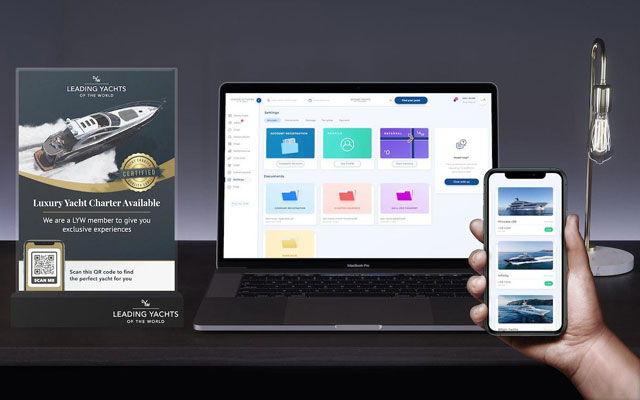
New travel technology brand Leading Yachts of the World, which aims to bridge the yachting and hospitality industries via a cloud-based platform, is opening offices in Bangkok, Phuket, Singapore and Hong Kong, as it gears up for its Asia-Pacific debut come 2Q2020.
Leading Yachts of the World’s new, fully automated digital travel ecosystem is propelled by proprietary technology from AVA Software.
Leading Yachts of the World has opened offices in key strategic markets in Asia ahead of its debut in the region
“The main factor that compelled us to create Leading Yachts of the World is the need to have a credible online entity that provides access to yachting experiences seamlessly, using a cloud-based platform where the hospitality and travel industries meet the yachting market,” said Leading Yachts of the World CEO and co-founder Anthony Brisacq, who specialises in technology-based solutions for the yachting and hospitality industries.
He added: “We then realised that yachting and hospitality are competing in the same space. By linking these two sectors, we are able to create important collaborative opportunities for our members and partners to benefit the global HNWI client base.
“By adopting our application, our hospitality industry members gain a revenue channel; our yachting partners win business and bookings; and the customer, the end-user, wins a safe, efficient, reliably fully automated service experience.”
Brisacq explained that the company chose to open their first offices in the region in Thailand, Singapore and Hong Kong as they are three of the most strategically important markets for market entry in Asia.
“Phuket as a yachting destination is one of the most developed, mature and sophisticated in Asia, whereas key decision makers and high net worth individuals are concentrated in cities such as Bangkok, Singapore and Hong Kong, so it is imperative that my team and I have a presence in these cities,” he added.
The platform will be rolled out to the travel and hospitality industries in Thailand, Malaysia, Singapore and Hong Kong.
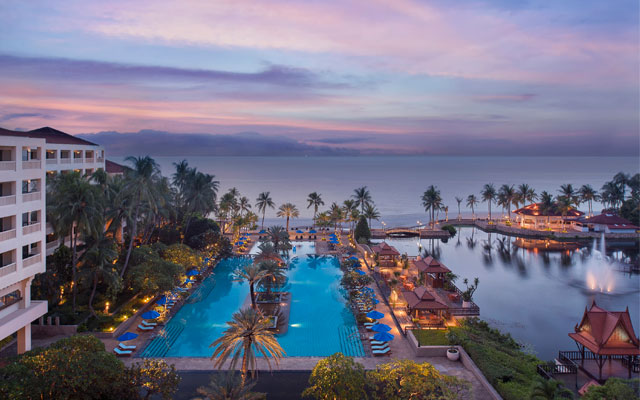
Thailand’s Dusit International is offering members of the travel industry up to 60 per cent off rooms and more exclusive benefits across its entire portfolio of hotels and resorts worldwide.
Travel agents, airline staff, and other industry partners can now enjoy this special rate at Dusit Hotels & Resorts in the Maldives, the Middle East, Thailand, the Philippines, Vietnam, and more key destinations.
Dusit is offering travel professionals special rate across its properties worldwide, including Dusit Thani Hua Hin (pictured) in Thailand
Available for booking from now through May 31, 2020, the special offer applies to the Best Available Rate at time of booking on dusit.com, and includes property-specific benefits such as complimentary room upgrade or late check-out, depending on availability.
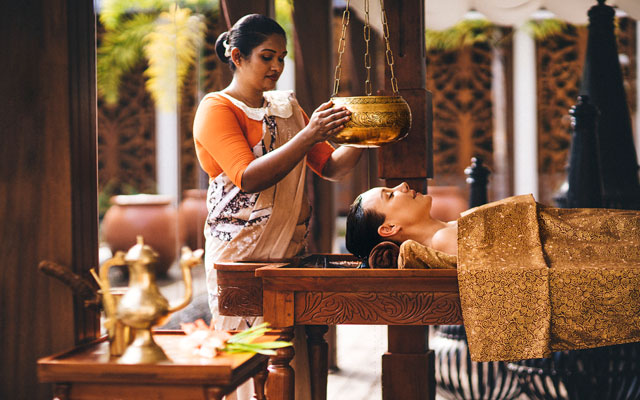
In conjunction with World Sleep Day, Anantara Peace Haven Tangalle Resort in Sri Lanka has rolled out a five-day Ayurvedic retreat to reset unhealthy sleep patterns, promising guests a holistic journey guided by a team of wellness professionals.
The Deep Sleep Ayurveda programme begins with a consultation with the resort’s Doctor of Ayurveda, the sixth in a family line of healers. Based on each guest’s dosha and vikruti, a tailored plan for diet, movement, relaxation and sleep is drawn up.
Each day begins with journal keeping and a healthy breakfast. Natural exercise then follows with kayaking on the lagoon or fishing with locals. Ayurvedic treatments such as Marma Abhyanga bring deep relaxation with massage focusing on the body’s energy meridians, while local experiences such as a visit to a Buddhist temple encourage stillness of the mind.
The day winds down with a technology blackout and Slumber Guru ritual, with an in-room aromatherapy bath followed by an oil massage to coax guests into deep sleep.
The Deep Sleep Ayurveda retreat starts at US$2,000 net per person, inclusive of healthy wellness cuisine and exclusive of accommodation in a room or villa.