TTG Asia
Asia/Singapore Saturday, 11th April 2026
Page 957

New hotels: Aloft Tokyo Ginza, Grand WuJi Hotel, The Unbound Collection By Hyatt, and more

0

Aloft Tokyo Ginza, Japan

Located in Ginza, Tokyo’s popular shopping, dining, and entertainment district, the new Aloft Tokyo Ginza is just a short walk away from Ginza Six shopping mall, the Mitsukoshi Ginza department store, Tsukiji Market, and the historic Kabuki-za theater. The hotel’s proximity to the Ginza and Higashi-Ginza stations also provides guests with quick and easy access to other areas of Tokyo and beyond.

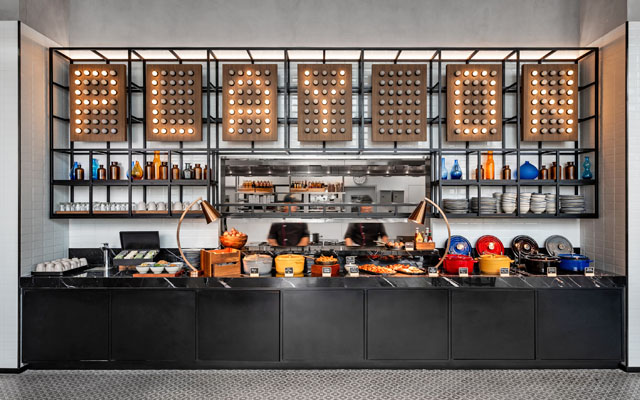
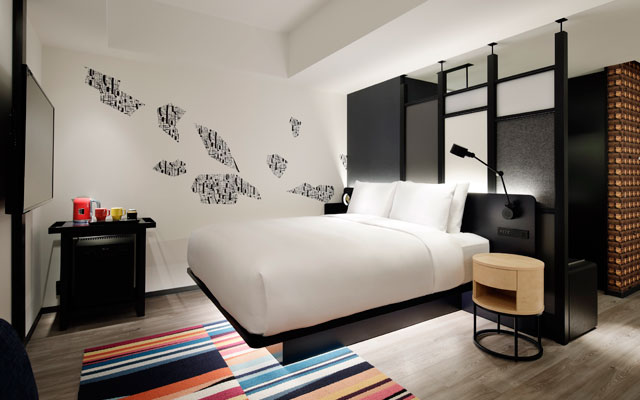
The hotel is home to 205 guestrooms, each complete with free Wi-Fi, 55-inch flatscreen 4K televisions, and a walk-in rainfall shower. Dining and social spaces include The Warehouse, an all-day dining restaurant; Roof Dogs, an open-air rooftop bar; and Re:fuel by AloftSM, a 24/7 grab-and-go kiosk. The brand’s signature Re:mix Lounge provides locals and travellers a space to mix and mingle, while W XYZ Bar offers craft cocktails and light bites for guests to eat and sip over live music. There is also a 24/7 fitness centre.
Grand WuJi Hotel, The Unbound Collection By Hyatt, China

The wellbeing-focused Grand Wuji Hotel in Nanjing, the capital of Jiangsu Province, marks the fourth property in China for The Unbound Collection by Hyatt. Previously known as The Yovoy Hotel, Grand Wuji Hotel spans an area of 31,000m2, with a total construction area of 81,000m2.

The four free-standing buildings are linked by a central garden where guests can discover soothing spaces for meditation, outdoor yoga and Tai Chi. Four restaurants are on offer here: LVQI Lobby Bar, serving Chinese-style high tea and brewed tonics; Jia Shu, a vegan restaurant; Five Tastes, an all-day restaurant; as well as Jade Court, featuring Cantonese cuisine and classic Huaiyang dishes, with six private dining rooms.

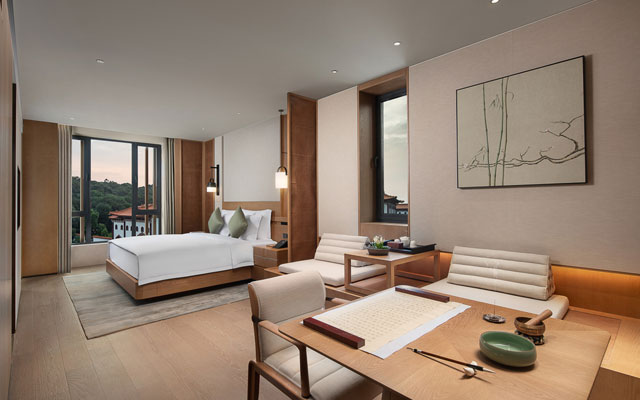
The hotel offers 272 guestrooms, including 56 suites. Most rooms feature a ‘health corner’ with a Chinese-style daybed for tea and peaceful meditation. Each suite is also equipped with a smart mirror that automatically synchronises with a scale to offer guests personalised health data.

Accessed via a private entrance, nearly 3,000m2 of meeting venues are available to host a variety of conferences, special events and weddings. The 1,200m2 Five Season Banquet Hall can accommodate up to 1,200 people, while six multifunctional conference rooms provide elegant spaces for small and medium-sized meetings and banquets. Unique health amenities for conference attendees include customised seasonal menus and activities such as Tai Chi, yoga and meditation. As well, an inner courtyard leading out to an expansive lawn is open to host weddings.

At the 24/7 fitness centre, guests can benefit from a health assessment and join in workouts in the 200m2 Energy Room or indoor heated swimming pool. Guests are also encouraged to explore a deep sense of mindfulness and balance through cultural activities, such as traditional Chinese tea ceremonies in the Zen Tea Room.

Kimpton Shinjuku Tokyo, Japan; and Kimpton Maa-Lai Bangkok, Thailand

Kimpton Hotels & Restaurants’ expansion continues in Asia with the opening of Kimpton Shinjuku Tokyo and Kimpton Maa-Lai Bangkok.
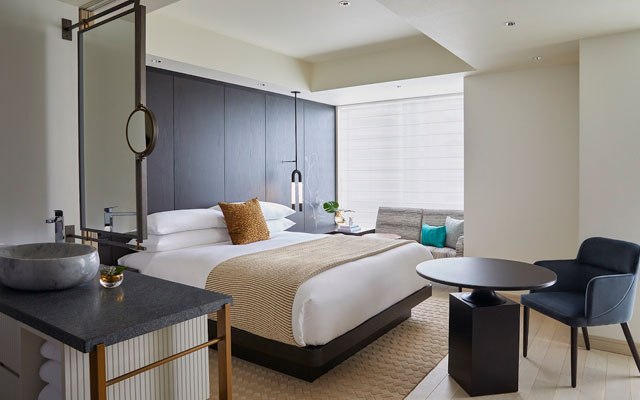
Kimpton Shinjuku Tokyo

Located in the heart of Shinjuku, Kimpton Shinjuku Tokyo boasts 151 rooms and suites furnished with La Bottega amenities and Kimpton perks including a ‘bath turndown’ with the brand’s own scented candles and bath salts. Each of the hotel’s dining destinations has origins steeped in New York culture, providing culinary experiences built on Kimpton’s legacy of one-of-a-kind, locally loved restaurants.
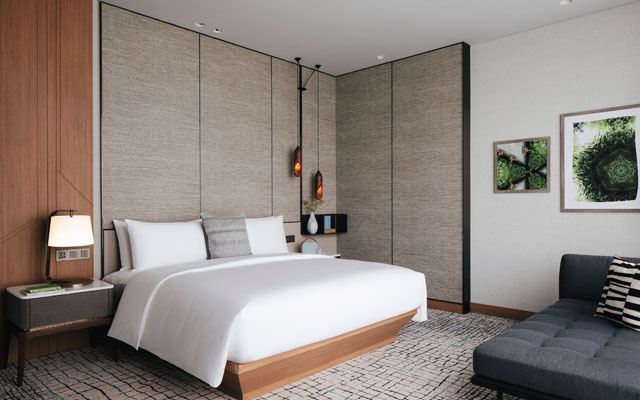
Kimpton Maa-Lai Bangkok

Meanwhile, Kimpton Maa-Lai Bangkok is located in the creative district of Langsuan. As a mixed-use new-build hotel and residences concept, the hotel features 362 rooms and suites, including 131 serviced residences, each with thoughtful details such as bespoke HARNN bath amenities and kimono robes designed by Christian Develter for Tube Gallery.

The hotel features four immersive dining venues such as the all-day dining Stock.Room that seats 400 guests. Elevating the neighbourhood grocerant concept with its six open kitchens, guests can also expect seasonal pop-ups serving Thai street eats, all the way to hosted master classes.
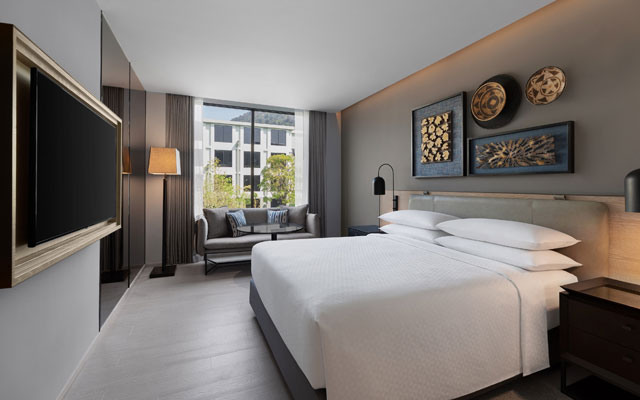
Four Points by Sheraton Phuket Patong Beach Resort, Thailand

Overlooking the Andaman Sea and located in the heart of Phuket’s most famous beach destination, Four Points by Sheraton Phuket Patong Beach Resort features 600 guestrooms and suites, including pool access rooms with private terraces. The Family Suite features a dedicated kids’ room including boat beds and children amenities. In addition, the Ocean View suites offer sweeping vistas of Patong Beach and the Andaman Sea.

The hotel features five dining venues: Chao Leh Kitchen, an all-day restaurant with a focus on Phuket cuisine, along with pan-Asian and Western favourites; Sears & Co., offering a casual dining experience with indoor and alfresco seating; as well as The Deck Beach Club Patong for light bites and signature cocktails. Alternatively, there is also the Lobby Bar and the Pool Bar, the latter featuring a seven-seat swim-up counter.

Other facilities include The Deck Beach Club Patong, 24-hour gym, a trio of swimming pools, including a saltwater lagoon pool. Youngsters will be entertained at the Little Sea Gypsies Kid’s Club, where activities range from cooking classes to face painting, kids’ boot camps and more.

With 1,200m2 of flexible function space including two ballrooms and over 1,000m2 of outdoor events space, the hotel offers venues for all types of corporate or social gatherings. The Akara Grand Ballroom, foyer and pre-function area can cater up to 500 people, while the Kathu Junior Ballroom can accommodate up to 170 delegates. Seven other meeting rooms can be adapted for a range of function types. Couples looking to tie the knot can opt to do so in the ballrooms or outdoors on the Garden Terrace.
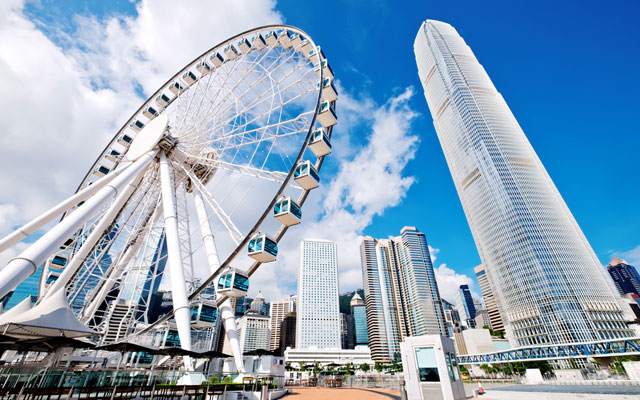
Singapore establishes bilateral air travel bubble with Hong Kong

0

Singapore and Hong Kong have reached an in-principle agreement to set up a two-way air travel bubble, which will allow for travel between the two destinations without the need for quarantine or a controlled itinerary.

Under the travel bubble, there will be no restrictions on travel purpose. However, travellers will be subject to mutually recognised Covid-19 tests and will need to have negative test results, said the Ministry of Transport (MOT) in a press release on Thursday. Those travelling under the bubble will also be required to travel on dedicated flights, it added.

Singapore and Hong Kong reach in-principle agreement to establish bilateral air travel bubble

The air travel bubble can be scaled by adjusting the number of dedicated flights upwards or downwards, or even suspended, in line with the latest developments and Covid-19 situation in the two cities, said MOT.

Transport minister Ong Ye Kung said in the release: “Both our cities have low incidence of Covid-19 cases and have put in place robust mechanisms to manage and control Covid-19. This has given us the confidence to mutually and progressively open our borders to each other. It is significant that our two regional aviation hubs have decided to collaborate to establish an air travel bubble.

“It is a safe, careful but significant step forward to revive air travel, and provide a model for future collaboration with other parts of the world.”

According to the MOT, Singapore and Hong Kong will flesh out the full details of the air travel bubble “in the coming weeks”, with its launch date and other implementation details to be announced in due course.

Conrad Clifford, IATA’s regional vice president for Asia Pacific, welcomed the announcement of the Hong Kong-Singapore air travel bubble.

“Replacing quarantine measures with Covid-19 testing will help in reopening borders, restoring the connectivity that jobs and economic activity depends on, and gives passengers greater confidence to travel. In a recent 11-market survey of travellers commissioned by IATA, 83 per cent of respondents indicated that they will not travel if there is a chance of being quarantined at their destination,” he said.

Clifford also urged other governments in Asia to take a similar approach to replace quarantine with Covid-19 testing as part of their efforts to reopen their borders and start restoring their economies.

PATA endorses new chair, welcomes new board members

0
Wong: Singaporean agents should work as one to face business challenges

PATA has formally endorsed Soon-Hwa Wong, CEO of AsiaChina, as its new chair, replacing Chris Bottrill who had held the position since May 2018.

Bottrill remains a member of the Executive Board as Immediate past chair.

Wong steps into PATA chair role

In a press statement, Wong said: “It is indeed an honour to be given the privilege to serve PATA members, especially in a time like this.”

As the association approaches its 70th anniversary in 2021, Wong said efforts are ongoing for “a comprehensive organisation redesign that will transform PATA into an association that will lead the tourism industry into the post-Covid future and beyond”.

“Together with our industry partners from both the public and private sector, we will commit to sustainable tourism development to benefit the economic well-being of the community at large,” he added.

Wong has some 40 years of extensive experience in the-Asia Pacific tourism and hospitality industry. After a long and successful corporate career, he founded Asia Tourism to provide advisory and consulting services to commercial and not-for-profit enterprises. He recently set up AsiaChina, primarily focusing on the two-way tourism flow between China and Asia-Pacific.

As part of paying it forward, he is also providing pro-bono services in mentoring start-ups and university students in his alma mater in addition to serving in several social committees.

Wong’s long association with PATA dates back to 1996 and he has served in various capacities over the years. Presently chairman of the PATA Singapore Chapter, he is also the recipient of the PATA Life Member Award in 2018 and PATA Award of Merit in 2008.

During the virtual PATA Board Meeting on October 12, six new members also joined the Executive Board. They are Hai Ho, CEO, Triip, Singapore; Suman Pandey, president, Explore Himalaya Travel and Adventure, Nepal; Andrew Jones, guardian, Sanctuary Resorts, Hong Kong; Fanny Vong, president, Macao Institute for Tourism Studies, Macao, China; Oliver Martin, partner, Twenty31 Consulting Inc., Canada; and Peter Semone, founder and president, Destination Human Capital, Timor Leste.

Ho and Pandey were elected as the new vice chairman and Secretary/Treasurer, respectively.

Furthermore, Maria Helena de Senna Fernandes, director, Macao Government Tourism Office and Supawan Teerarat, senior vice president, strategic business development & innovation, Thailand Convention & Exhibition Bureau have been appointed to the Executive Board as non-voting members.

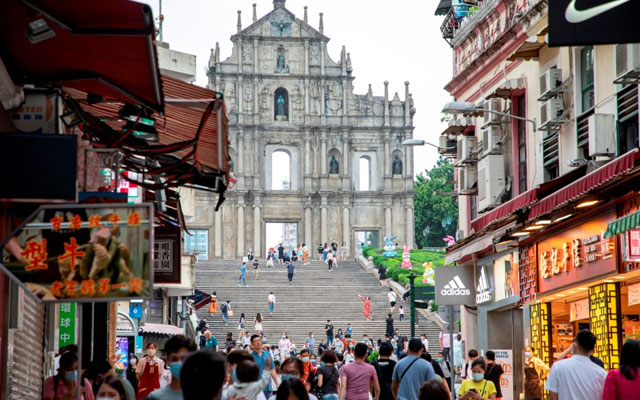
Macau tourism shows signs of rebound during Golden Week

0

Riu rolls out new website for agents

0

Riu Hotels & Resorts has launched its new website, Riu Pro, designed to equip travel agents with all the sales and information tools required to market the brand, alongside up-to-date corporate information.

Recognising that travel agents play a key role in the growth and marketing process of Riu, the hotel chain committed to developing this agile and versatile tool, aimed at facilitating agents’ work as much as possible.

It entails significant innovation in Riu’s marketing area, as well as major optimisation of time and resources for both the hotel chain and agents.

The new tool incorporates the Riu Partner Club loyalty programme and access to the Riu Brand Centre database and image bank, as well as all the information, news and announcements about Riu that are relevant to travel agents. Agents can go to www.riupro.com and enter their usual passwords to access all the functions and new features.

Australia’s regional hotel markets outperform capital cities

0

Australia’s short-term hotel performance will remain similar to recent months, with regional areas outperforming capital cities over the next three months, according to STR’s latest data.

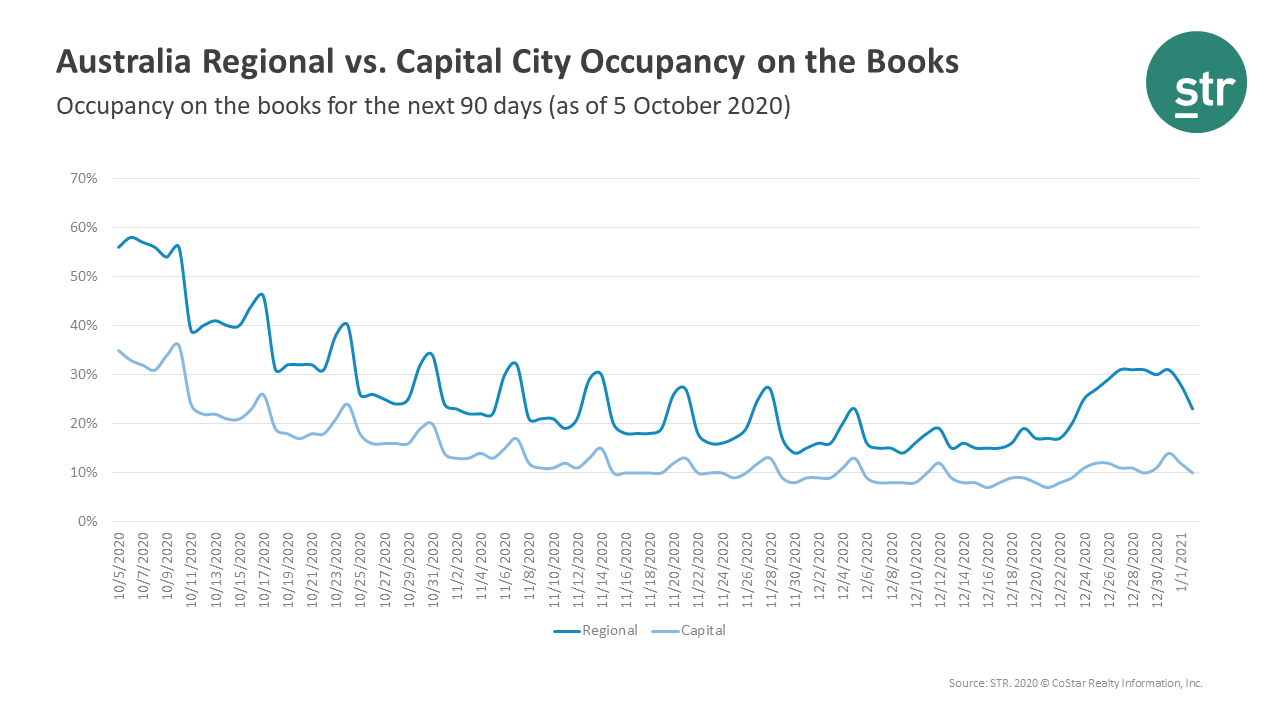
Parallel to other countries across the world, higher occupancy in regional areas is especially pronounced on weekends, and occupancy-on-the-books data for the next 90 days (as of October 5) shows a similar pattern.

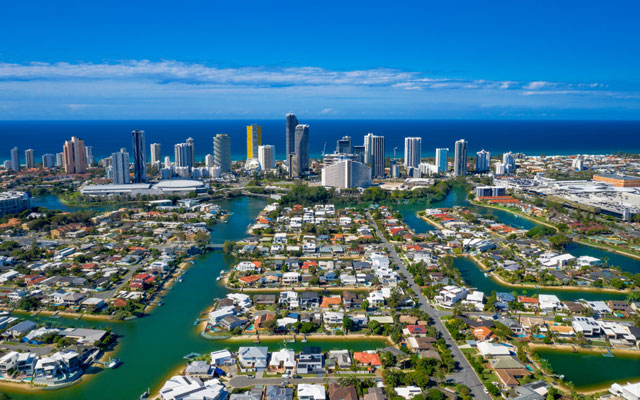
Hotel bookings in Australia’s suburban areas are holding up better than in cities; an aerial view of Broadbeach Waters, a suburb in Gold Coast, Australia pictured

Data for October 17, for example, shows regional Australia’s occupancy on the books at 46 per cent, while the capital cities show 26 per cent in the metric. November and December data follows suit, with regional Australia data sitting between 14-32 per cent and capital cities between 8-17 per cent. Post-Christmas is where the trend begins to shift slightly, with more Australians set to head out of town for their summer vacations.

“Regional Australia has benefited from intrastate travel as Australians have elected to take short breaks on weekends and during the school holiday periods,” said Matthew Burke, STR’s regional manager, Asia Pacific.

“Airline capacity remains low as corporate travel is restricted, and even as state borders reopen, our capital city markets will see limited midweek travel. To date, as reflected by the occupancy on the books for the capital cities, corporate travel has not recommenced, and it looks more unlikely that it will before the end of 2020.”

Over the next 12 months, the Sydney surrounding market, as defined by STR, shows higher occupancy on the books when compared to the greater Sydney market. Sydney surrounding is a key drive-to market, so it is expected to benefit from those travellers wishing to take weekend leisure trips.

The highest monthly occupancy on the books for both markets is in October: Sydney surrounding (46 per cent) and Sydney (16 per cent). Closing out the year, occupancy on the books for Sydney surrounding remains above 20 per cent, while the Sydney market is showing the metric under 10 per cent.

“Brisbane, Perth and Canberra lead bookings for the coming weeks,” said Burke. “Cancellations are limited compared with the beginning of the year, but pick-up is still much weaker than we would expect to see under a normal trading environment. However, pick-up for the past month has been quite consistent, which shows there is travel activity happening and sustaining the current trading levels we have seen most recently.”

Even with some level of activity, performance data remains well below historical averages. Preliminary September data for the country shows occupancy came at 43.1 per cent, representing a decrease of 42.3 per cent year-over-year. Average daily rate was down 17.9 per cent to A$147.50 (US$105.21), while revenue per available room fell 52.6 per cent to A$63.51.

Indonesia sees uptick in travel demand to Turkey and Dubai

0

A combination of pent-up wanderlust and lockdown fatigue is driving demand for international travel among Indonesian travellers, with a pick up in outbound tourism bookings, following the reopening of borders in Turkey and the UAE.

Fonny Wijaya, general manager at Tripuri Wisata, said that the agency has sent more than 10 tour groups to Turkey since the end of July, even last month when Jakarta reimposed large-scale social restrictions across the capital city.

Travel agency Tripuri Wisata hosting a group of Indonesian tourists on a tour in Turkey recently

“At first, it was a bit difficult to sell Turkey because people were still worried about Covid 19. (However,) after the first and second groups travelled, demand began to increase, especially bookings for departures in October to December,” she said, adding that the pandemic has not deterred Indonesian tourists from travelling to destinations open to foreign visitors.

Interestingly, the demand is not only flowing from Jakarta, but also, small cities in Java, such as Bondowoso in East Java. While the number is still small, with only 15 to 20 people per departure, “there is always a group that leaves every week,” Fonny said.

She believes that the end of the year could be the peak season, as Turkey starts to enter winter, with the country gaining appeal in recent years as an alternative destination among Indonesian tourists desiring to see snow.

To build up hype, Kanomas Travel and Tour has crafted tour packages featuring famous clerics and celebrities. The tour is scheduled to depart at the end of October, with a target of 50 participants.

Dian A Rachmat, general manager of Kanomas Travel and Tour, elaborated: “With people afraid to travel amid the pandemic, the package has to be compelling. A beautiful destination alone isn’t going to cut it, so we try to provide the added value by (inviting) the clerics (to be) tour guides so the participants will have a unique experience.”

Dubai is another favourite destination among Indonesian travellers, with Golden Rama Tours & Travel reporting that the agency has began accepting reservations to the UAE’s most populous city. Its director, Edhi Sutadarma, said that enquiries have started to roll in about which destinations are safe and welcoming travellers during this time.

Edhi elaborated: “Many Indonesian travellers have expressed that they miss travelling. There are also those who are tired of being locked down for too long. It is a good sign for the industry.”

Even though travel demand to Dubai has picked up, Edhi admitted that the numbers are not as significant as those to Turkey.

He explained that the strict entry procedures required by the UAE government make Turkey a preferred destination over Dubai. Edhi added: “Also, tour packages to Turkey are cheaper than Dubai. As a destination, Turkey is also more attractive, especially since the Hagia Sophia was turned back into a mosque (this year).”

Malaysia budget hotels aim to boost occupancy through digitalisation

0

Banyan Tree checks into extended stay space

0

In light of the rising remote work trend and evolving travel patterns, Banyan Tree Group has rolled out a new extended stay product across multiple destinations.

Dubbed Habitat, the new offering enables guests to enjoy long-term stays at properties in more than 30 destinations across the globe under the group’s house of brands: Banyan Tree, Angsana and Cassia.

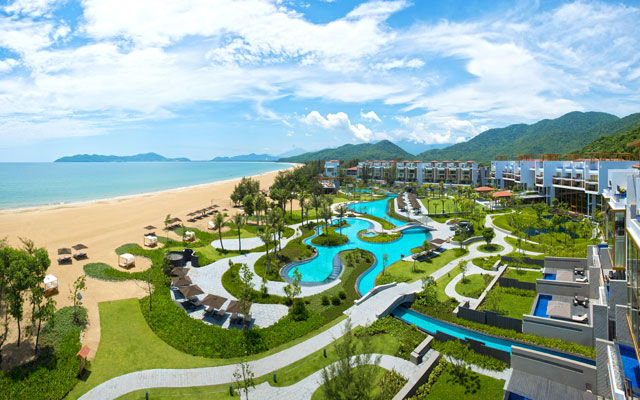
Angsana Lang Co resort, located in Central Vietnam, is among Banyan Tree’s properties offering extended stay

With greater flexibility and the possibility of experiencing multiple destinations with a single pass, Habitat aims to offer a new way of living, working and travelling for seasonal travellers, families and remote workers.

With a Habitat Pass, guests can book their stays in ‘units’ of seven nights, with the choice to hop from one property to another within the same brands in different locations. In addition, savings increase up to 60 per cent with each additional unit purchased, where each unit can be redeemed at a different property during the period of their stay.

Each pass is valid for 12 months and guests may book up to four units per brand, ranging from seven to 28 nights’ stay, with the flexibility to redeem each unit at a different time.

Pass holders are also given credits of up to US$700 based on the number of units purchased, which can be used across multiple inclusions, including F&B, spa, wellness activities, and airport transfers. Other inclusions are free breakfast and Wi-Fi, alongside 24-hour fitness centres in most properties.

Domestic travellers can choose from nine Banyan Tree hotels in China and four in Thailand. When international travel reopens, guests may travel to properties across China, Indonesia, Laos, Malaysia, the Maldives, Mexico, Morocco, Thailand and Vietnam.

Coronavirus fears feed soaring private jet demand

0