

Mandatory vaccinations “discriminatory”, says WTTC chief

Setting Covid-19 vaccination mandates for travel is akin to workplace discrimination, claimed a high-level tourism official, who instead called for low-cost testing and better G20 and bilateral coordination.
Gloria Guevara, president and CEO, World Travel and Tourism Council (WTTC), speaking at a Reuters Events webinar titled Tourism in a Changed World, said accepting testing-on-arrival was not happening, and it was clear testing protocols were not being shared among countries.
Agreeing, AirAsia Group CEO Tony Fernandes said global testing protocols remained key to unlocking travel and the issue is how to get governments on board, adding that a quick 30-second breathe test would be the game changer.
He quipped: “Treatments are coming up and testing is getting better. What is most important is that people want to get out and are not afraid. We are seeing ourselves promoting domestic destinations we have never heard of.”

In the case of India, panellist Rajesh Magow, co-founder and group CEO, MakeMyTrip, said “revenge travel” and end-to-end testing was picking up, and cited domestic travel bouncing back to 80 per cent of pre-Covid levels.
He also highlighted a strong demand for India-Maldives/India-Saudi Arabia bilaterals, with the number of Indian arrivals in the Maldives surpassing that of pre-Covid, facilitated by the travel bubble arrangement forged between the two countries.
Fernandes said leisure and shorthaul trips will bounce back the fastest, with travellers favouring destinations within four to eight hours of flight time, with five hours being the sweet spot.
While travel demand is present, Guevara questioned how long recovery and coordinating bilateral agreements would take. She expressed hopes for a V-shaped recovery, but admitted it was hard to say which country would recover first as the situation is still fluid.
In the meantime, amid the rollout of Covid-19 vaccines at varying pace across the globe, IATA’s Alexandre de Juniac has called on global governments to replace quarantines with testing.
He said: “A more balanced public policy approach is needed – one that is based on testing as a replacement for quarantines so that we can begin addressing the severe side-effects of Covid-19 policies.
“Science tells us that travellers will not be a significant factor in community transmission if testing is used effectively. But most governments have tunnel-vision on quarantine and are not at all focused on finding ways to safely reopen borders – or alleviate the self-imposed economic and mental health hardships of the lockdowns.”
Continued infections test Asian agents’ resilience

By Suchat Sritama and S Puvaneswary
New year, new hopes for post-pandemic travel recovery, but infection surges and continued travel restrictions have provided little relief for many travel agents across Asia. In this three-part series, we find out how the travel agent community in key Asian markets are coping.
THAILAND
A second wave of Covid-19 infections in Thailand has caused travel movement to plunge ahead of the New Year break, smashing hopes of a business uplift.
As Covid-19 infections doubled from about 5,000 cases for the whole of 2020 to more than 10,000 by mid-January 2021, approximately 60 per cent of 10,000 registered travel operators in the country had to hibernate their business while 20 per cent threw in the towel.
Vichit Prakobgosol, president, Association of Thai Travel Agents (ATTA), told TTG Asia that the remaining 20 per cent could continue to face calamity throughout 2021 and that the outbound sector would be the most vulnerable.
It is estimated that one third of workforce in Thailand’s travel agency community – or 150,000 people – have lost their jobs.
“There’s still no future and no hope for the first and the second quarter this year,” said Vichit.

Although most travel agencies have moved to domestic travel or non-travel-related business alongside cost-cutting measures such as retrenchment and releasing office space, efforts have not been enough to cover expenses.
InSpirit Holidays has reduced its headcount and asked remaining staff to work from home. However, managing director Den Mahawongsanunt said the company is not out of the woods. It is now crafting and selling premium packages to target high-spending Thai residents who are unable to travel overseas.
Glory Travel (Thailand) has chosen to trim expenses by relocating the office from a rented space to the home of owner Suthiphong Pheunphiphop.
While the government has various financial packages to aid hotels, restaurants, tourist guides and shop owners, travel agency owners have been left out of the programmes.
To save businesses and staff, Vichit has called for further government assistance, particularly for job creation. Easier access to financial assistance is also critical for small-and-medium-sized agencies. – Suchat Sritama
MALAYSIA
Malaysia’s tourism sector is estimated to have lost more than RM100 billion last year due to the Covid-19 pandemic and border closures since March 18, 2020.
Uzaidi Udanis, president, Malaysian Inbound Tourism Association (MITA), expects many tourism players to not “survive beyond the first quarter of this year, as their businesses are already haemorrhaging”.
Dayangti Transport & Tours director, S Jayakumar, told TTG Asia that his business has been “suffering ever since the government closed the border in March 2020”.
The agency is now dependent on domestic business, but it accounts for only 10 per cent of what it used to make from international customers.
“We have had no choice but to downsize, with more than half the workforce retrenched. With business being so bad, we are also considering selling some of our tour buses and vans,” said Jayakumar.
On the upside, Jayakumar has turned his passion for biking into a business – he now conducts biking tours around Malaysia. To keep staff motivated, he has kept pay cuts at bay and allowed for more flexibility within the organisation due to reduced workloads.
“As long as their work is done, we allow them to come into the office when they please, and take leave whenever they want,” he said.

Business has also been bad for Asian Overland Services Tours & Travel, one of the most prominent travel agencies in Malaysia. Managing directorYap Sook Ling said: “But we are trying our best. We keep staff motivated by encouraging them to go for training and to pick up new skills. We also keep them busy in the office by giving them a variety of assignments.”
Malaysia’s tourism industry is supported by government-issued wage and electricity subsidies, as well as targeted loan moratoriums.
The Ministry of Tourism, Arts and Culture (MOTAC) has also rolled out initiatives such as exemption of licence fees for tour operators and guides, discounts and deferment of compounds for all tour operators and guides, and an online platform, www.malaysia.travel, for industry players to promote their products and services for free, plus other incentives to help tourism players survive.
MITA’s Uzaidi said: “The government has acknowledged the importance of the travel industry and has introduced numerous incentives and programmes to assist the industry. However, we cannot simply depend on the government to see us through this. We have encouraged our members to be resourceful and to leverage on networking opportunities with their peers.
“On our part, we have conducted various programmes to help members through these challenging times. For example, MITA worked closely with Tourism Productivity Nexus to provide online one-to-one consultation services to provide personalised advice and implementable recommendations in the areas of finance, business operations and industry structure to small and medium sized tourism related enterprises.
“We also helped members to explore new business opportunities and new business models as this new norm will bring about a shift in tourism practices.”
One of the changes in tourism, according to Uzaidi, is group tours falling out of favour, which will require tour bus operators and retailers to adapt to the new reality.
He also urged members to innovate their products to cater to the domestic market while readying for the reopening of international borders.
“We have to learn to live with Covid-19 and look at best practices on how to open up safely, such as what Dubai has done,” said Uzaidi.
Besides the support schemes, it is vital for the government to continue talks with foreign counterparts to allow cross-border travel in a safe manner should the country desire a real recovery. – S Puvaneswary
Further East 2021 gains Japan backing
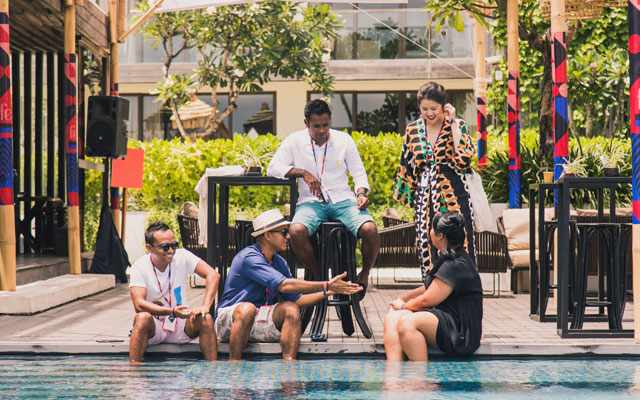
The organisers of Further East 2021 and the Japanese National Tourism Board (JNTO) have come together to bring unique digital and physical content to the high-end travel trade event when it takes place from November 15 to 18 this year.
Said to be the first NTO collaboration for the annual Further East event, the partnership will kick off with a cross-platform digital trade campaign throughout 1Q2021, including four newsletters to the invaluable Further East database, each showcasing a unique experience of Japan’s world-renowned hospitality offering; a week-long JNTO takeover of all Further East social channels; and targeted content in official publications, TTG Asia and TTG Asia Luxury.
In an interview with TTG Asia, Ito Kazuhiro, executive director, global projects department at JNTO, said the collaboration materialised on JNTO’s desire to “expand our relationships and partnerships with international organisations that can assist in the future market development of luxury travel and new markets”. He viewed this approach as critical, given that the Covid-19 pandemic had stifled promotional opportunities.
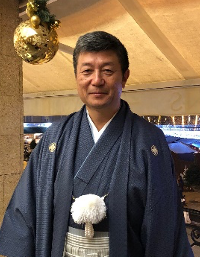
He said: “For Japan to continue to be a future luxury travel destination, our key objective is to further expand recognition of Japan’s allure to the Further East community and their clients, specifically in relation to its natural wonders, gastronomic experiences, traditional culture, lifestyle customs and history.
“Particularly in regional parts of Japan, there’s a myriad of hidden gems. Through Further East’s marketing channels, such as their newsletter and social media, we hope to increase brand awareness of Japan as a true luxury destination.”
The mutually beneficial effort will see Further East supporting JNTO’s marketing goals through carefully curated experiences and installations at the physical event come November in Bali, Indonesia.
Sophia Asghar, sales manager of Further East, said: “Japan continues to be one of the most requested regions from our cohort of Further East buyers.”
While details of the physical installations are not available at press time, Asghar confirms that Further East “is excited to work with JNTO to increase the presence of Japanese products at the 2021 show”.
When asked for his views on luxury travel recovery potential for Japan, Kazuhiro acknowledged that it was a “difficult question” to answer. However, he noted that “counter measures against the spread of the virus, such as the availability of treatments and vaccinations were the top-ranking triggers that would encourage international travel”, as determined by JNTO research on post-pandemic trends and changing traveller needs.
He added: “Given that vaccinations have begun in an ever-increasing number of countries, this is encouraging. We believe what is most important is to act with the tools we have available at present and to prepare for the international luxury travel market to recover.”
To this end, JNTO remains keen on participating in other international luxury travel trade shows while marketing undiscovered destination content.
“In addition, discussions facilitated by Japan’s Ministry of Land, Infrastructure, Transport and Tourism on the development and facilitation of world-class accommodation facilities by public and private sectors are ongoing, and we believe this will improve our preparedness to welcome international luxury travellers to Japan in the near future,” Kazuhiro concluded.
Quartet of GM appointments at Anantara

Anantara Hotels, Resorts & Spas has made four general manager appointments across its portfolio of luxury properties in Asia-Pacific.
Taking the helm at Anantara Quy Nhon Villas and sister property Avani Quy Nhon Resort, both in central Vietnam, is Sarah Moya, who holds more than 25 years’ experience in the hospitality industry. Moya’s career started in her native Philippines where she climbed the sales and marketing ladder to lead teams for Hyatt, first in Manila and then on to Siem Reap in Cambodia.
Her journey continued at the Shinta Mani Luang Prabang hotel before joining Anantara in 2018 as general manager of Anantara Angkor Resort in Cambodia.
Meanwhile, Pitak “Chin” Norathepkitti, a Thai-born part-time university lecturer, joins Anantara Angkor Resort from Sofitel Luang Prabang and 3 Nagas Luang Prabang, both in Laos, where he rose through the ranks to become cluster general manager. Prior to his new role, Chin held various executive management positions in sales and business development at several luxury hotels in his hometown of Bangkok.

Over in Thailand, Emanuel Grosch has stepped into his new role at Anantara Lawana Koh Samui Resort. His journey with Anantara began in 2019 as resort manager of Anantara Riverside Bangkok Resort in the Thai capital, before travelling south to Anantara Bophut Koh Samui Resort.
An international hospitality professional with 15 years’ experience in upscale and luxury hotels and resorts, Grosch has also spent time learning the ropes under Capella Group.
Finally, Stephan Moonen joins the flagship resort Anantara Peace Haven Tangalle Resort in Sri Lanka, after a 10-year journey with Marriott Hotels in the UK. Moonen started his 15-year career in F&B in his native country, the Netherlands, and has since taken on leadership roles for global brands in rooms and F&B, gaining experience in Europe, China and the Middle East.
Shinta Mani Foundation expands sustainable farming projects
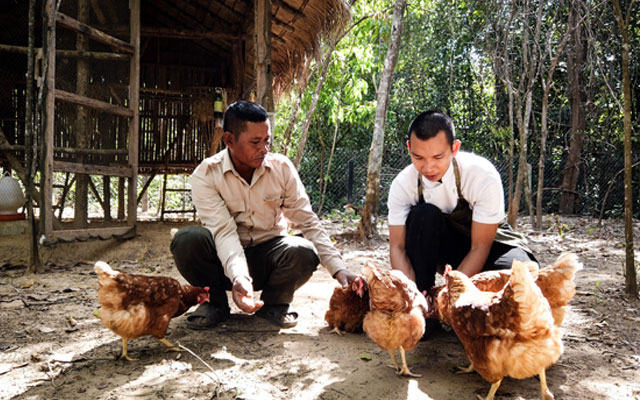
Encouraged by its successful sustainable organic farming project in Cambodia, which was trialled in early 2000s, as well as a growing movement towards farm-to-fork dining concepts, Shinta Mani Foundation has expanded the scope of its efforts.
A new 9.9-acre plot of land in Siem Reap’s Doun Ounn Village now joins the Foundation’s existing 4.9-acre farm in Takos Village, some 30 minutes from Shinta Mani hotels. Managed by a team of three locals, the farm grows a wide variety of crops, such as basil, eggplants, morning glory and sugar cane. Harvests are used in the Shinta Mani hotels and staff canteen as well as sold to other hotels and the community.
A rooftop herb garden has also been created at the Shinta Mani Angkor boutique hotel, growing herbs that are used in the restaurants and bars at the three Shinta Mani hotels.
Over at the Bensley Collection – Shinta Mani Wild within the Southern Cardamom National Park, a large organic farm and free-range chicken run to supply eggs have been created. The farm comprises vegetable and herb gardens, a cocktail and spa garden, and a plant nursery area. These plots support the camp’s commitment to sustainability and local sourcing efforts, with as much of their produce as possible coming from local and small farmers.
Once the farm is well established, surplus harvest will be used in the Siem Reap properties or packaged for sale. There will also be a dedicated composting barn for kitchen waste management.
Shinta Mani Foundation’s farming projects teach local communities to eat healthier, sustainable produce, and improve their farming techniques and new seed stock through research. The latter allows farmers to earn better returns on their crops and the hotels will have fresh, locally grown produce for their guests.
Hong Kong Airlines grows flight resumption to Japan
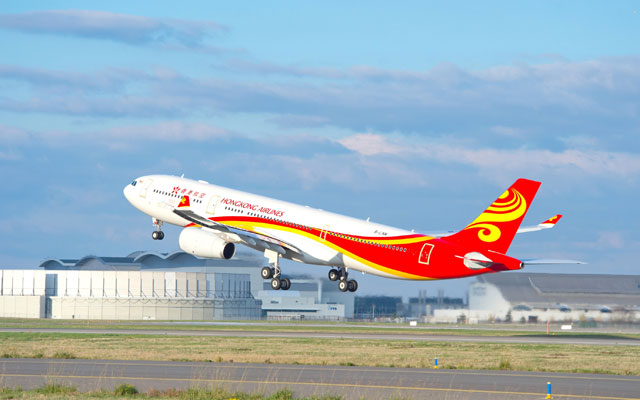
On the heel of its service resumption to Tokyo in December, Hong Kong Airlines has this month returned to Osaka and added a Sunday service to Tokyo.
The Osaka resumption, which came into effect on January 2, 2021, is operated every Thursday and Saturday to Kansai International Airport.
The additional Tokyo service was launched on January 1, between Hong Kong and Narita International Airport.
The Airbus A330 aircraft will be deployed for both destinations, to ensure ample cargo space is also available to ferry goods and perishables from these two popular cities.
To offer customers more travel flexibility, rebooking of flights or last-minute change of destination is allowed up to 24 hours before departure without any change fees.
Mövenpick BDMS Wellness Resort Bangkok offers recuperation safe haven for locals
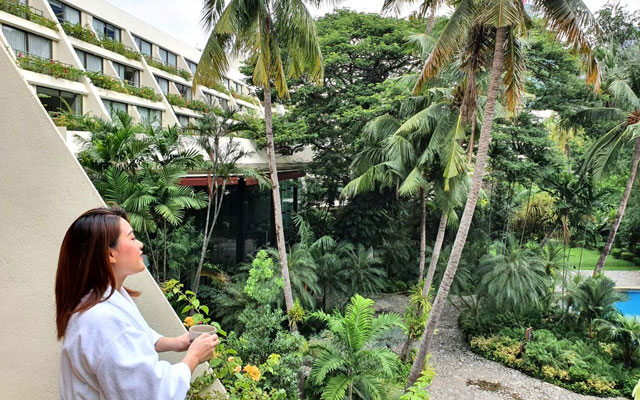
Mövenpick BDMS Wellness Resort Bangkok and Bangkok Hospital are giving local residents the opportunity to experience the safety and seclusion of their Alternative State Quarantine programme, which combines two weeks of spacious accommodation with world-class medical monitoring, a private home pick-up service, and a wealth of extra amenities.
The programme welcomes all Thai nationals and expats who wish to volunteer a self-quarantine, be it for work, rest or recuperation, in a safe environment away from their family members.
Set amid lush tropical gardens, with verdant lawns, over 50 different species of plants, towering century-old trees, cascading waterfalls and soothing koi carp ponds, Mövenpick BDMS Wellness Resort Bangkok presents an ideal destination for health-conscious guests with a need or desire to self-isolate.
Priced from 64,000 baht (US$2,120) net per person, the Health Watch package includes medical care courtesy of Bangkok Hospital, with daily health monitoring at the hotel under nurse supervision, two Covid-19 tests, immune system enhancing supplements, and access to the hospital’s doctors via TytoCare, the on-demand medical examination service.
Accommodation options range from the 42m2 Superior Rooms to the 164m2 Presidential Suite or Royal Suite. Complimentary Wi-Fi, 55-inch Smart TVs, and access to over 7,000 newspaper and magazine titles via the PressReader app will also ensure that every guest is kept fully connected, while the Paragon Chat & Shop @ ASQ app offers retail therapy with purchases delivered to the hotel on the same day.
Guests are able to order from regularly rotating menus that feature more than 150 nutritious dishes, along with plenty of vegetarian options. The hotel’s room service menu is also accessible, and guests can enjoy a selection of tasty pastries and cakes from Rim Klong Café.
Programme benefits extend beyond check-out. Upon departure, guests will be rewarded with a Health Watch membership card, which grants them discounted F&B, dining and stays in the future.
Marketing experts forge alliance to rebuild travel, tourism business
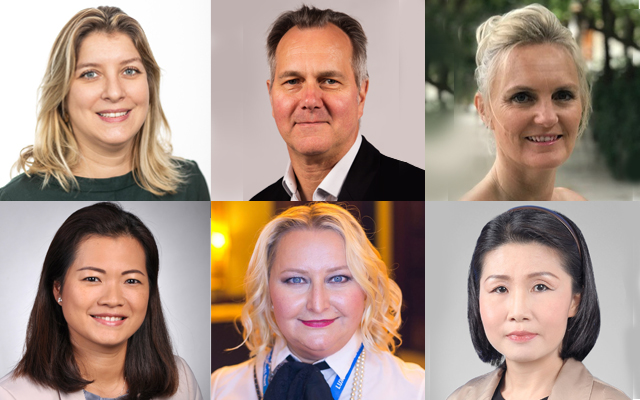
Six leading sales and marketing experts based in the UK, Germany, France, Russia and Thailand have come together to establish the Worldwide Travel Alliance (WTA) to provide sales, marketing, representation and publicity services to global travel brands looking to regain European markets ahead of the post-Covid recovery.
WTA founders include Andrea Hogg of Wendum Travel Services (UK); May Kamya of Eastern Favourites (German-speaking markets and Scandinavia); Anabela Dos Santos of ADS Consulting (French, Spanish, Italian and Portuguese markets); Elena Vetrova of Travel Media (Russia, Ukraine, CIS and Baltic States); and Ken Scott and Anchalee Sriwongsa of ScottAsia Communications (UK and Thailand).
They have intensive in-market expertise in B2B sales, road shows, virtual and physical event representation, media relations, fam trip organisation, publicity, and digital content creation. Each consultancy is well-known and has an extensive network in each market.
Altogether, WTA founders are able to provide hotels and resorts, national and regional tourism boards, DMCs, theme parks, tour operators, cruise lines, medical tourism outlets, travel associations, and more access to all English, French, German, Russian, Spanish, Italian and Portuguese speaking markets in Europe.
Commenting on WTA’s formation, Hogg said: “After the travel industry trauma of 2020, all travel brands are setting new priorities and targets – many are effectively starting over in 2021. This is where WTA can step in and quickly help them create business from important source markets.”
Kamya added: “While a lot depends on the vaccine roll-out, at WTA we expect travel bookings to surge from January 2021. People who have been denied international travel for 10 months are ready to act on their bucket list.”
Rising infections pump brakes on Malaysia domestic travel
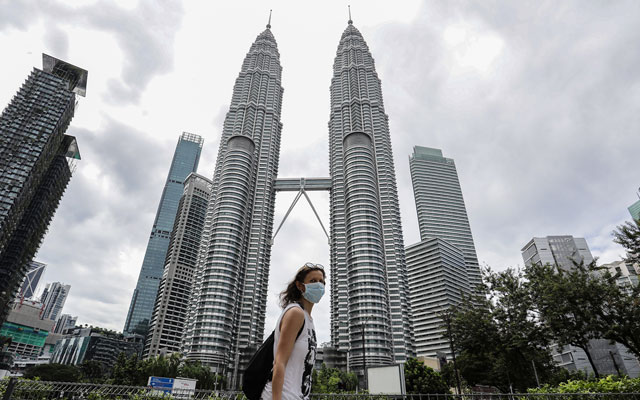
Domestic travel across Malaysia will be prohibited from January 13 to 26 in a bid to arrest the rising number of Covid-19 infections, with potential for extension subject to risk assessments before the ban expires.
Besides a ban on interstate travel, social activities involving mass gatherings will also not be allowed in all states except for Sarawak and Perlis – two states that have recorded fewer number of new infections. Social gatherings in the two states will be subjected to strict standard operating procedures.
Face-to-face business events will be temporarily impacted too.
Residents of Penang, Selangor, Melaka, Johor and Sabah as well as the Federal Territories of Kuala Lumpur, Labuan and Putrajaya will face further inter-district travel restrictions as these regions are regarded as “high risk states” and healthcare services are almost stretched to their limits.
The Movement Control Order (MCO) enforced on these states and the Federal Territories will be similar to the strict conditions imposed from March 18 to May 4, 2020, where residents were only allowed to move within 10km of their home and only two people were allowed to travel to purchase groceries.
In a televised address to the nation, Malaysia prime minister Muhyiddin Yassin said the government had decided to take these strict measures to break the chain of transmission of Covid-19 infection, thus reducing the number of daily positive cases to a more manageable level.
He said that the country’s healthcare system was “at breaking point”.
“In the Klang Valley, the rate of ICU bed use for Covid-19 patients at the Kuala Lumpur Hospital and the University of Malaya Medical Centre had reached 100 per cent while at the Sungai Buloh Hospital it has reached 83 per cent. The rate of use of ICU beds for Covid-19 patients in Perak, Selangor, Melaka, Terengganu and Sarawak has exceeded 70 per cent,” he elaborated.
Malaysia reported 2,232 new Covid-19 infections on January 11, 2021, and four fatalities, bringing the death toll nationwide to 555.
While travel and tourism leaders expressed understanding for the need to curb infections, they also urged the government to appreciate the resulting impact on an already distressed industry.
Malaysian Association of Hotels CEO, Yap Lip Seng, said: “We need to stress on the need for the government to make the right decision in balancing lives (and) livelihood. With the…MCO implementations, businesses are again expected to lose all revenue streams.
“The government must support the industry and its people. With little or no revenue, businesses will not be able to retain its people, will not be able to pay salaries, and will have no option but to let go of its employees.”
Yap underlined the urgent need for a wage subsidy structure of 50 per cent for employees within a pay structure of RM4,000 (US$988) and 30 per cent for those earning up to RM8,000.
Malaysia Budget Hotel Association national deputy president, Sri Ganesh Michiel, also urged government understanding and assistance.
Meanwhile, Uzaidi Udanis, president of the Malaysian Inbound Tourism Association, advised members to adapt to the new situation, pivot their businesses towards digitalisation, and step up on hygiene procedures to rebuild customer confidence.







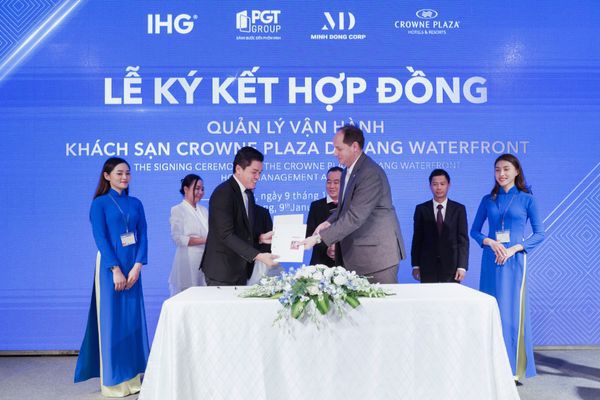
InterContinental Hotels Group has signed a management agreement with Minh Dong Travel Service and Trading Company, a member of PGT Group, to open the second Crowne Plaza in Danang come 2023.
Located on Vo Nguyen Giap street, the 300-room, 38-storey Crowne Plaza Danang Waterfront will complement the existing low-rise Crowne Plaza Danang, situated further south along the beachfront and linked to the integrated resort.
This expansion of Crowne Plaza is part of the rejuvenation of the brand in Vietnam. The hotel will feature the brand’s signature Social Workspace lobby concept that allows guests to transition from work to play.
There will be 1,500m² of dedicated space catering to meetings and events, ranging from corporate functions to weddings for up to 400 people. Recreational facilities will include a rooftop infinity pool, three restaurants, a gym and spa.
In Vietnam, IHG has 14 hotels operating under four brands, with another 17 in a pipeline which includes brand entries for Regent and Hotel Indigo.